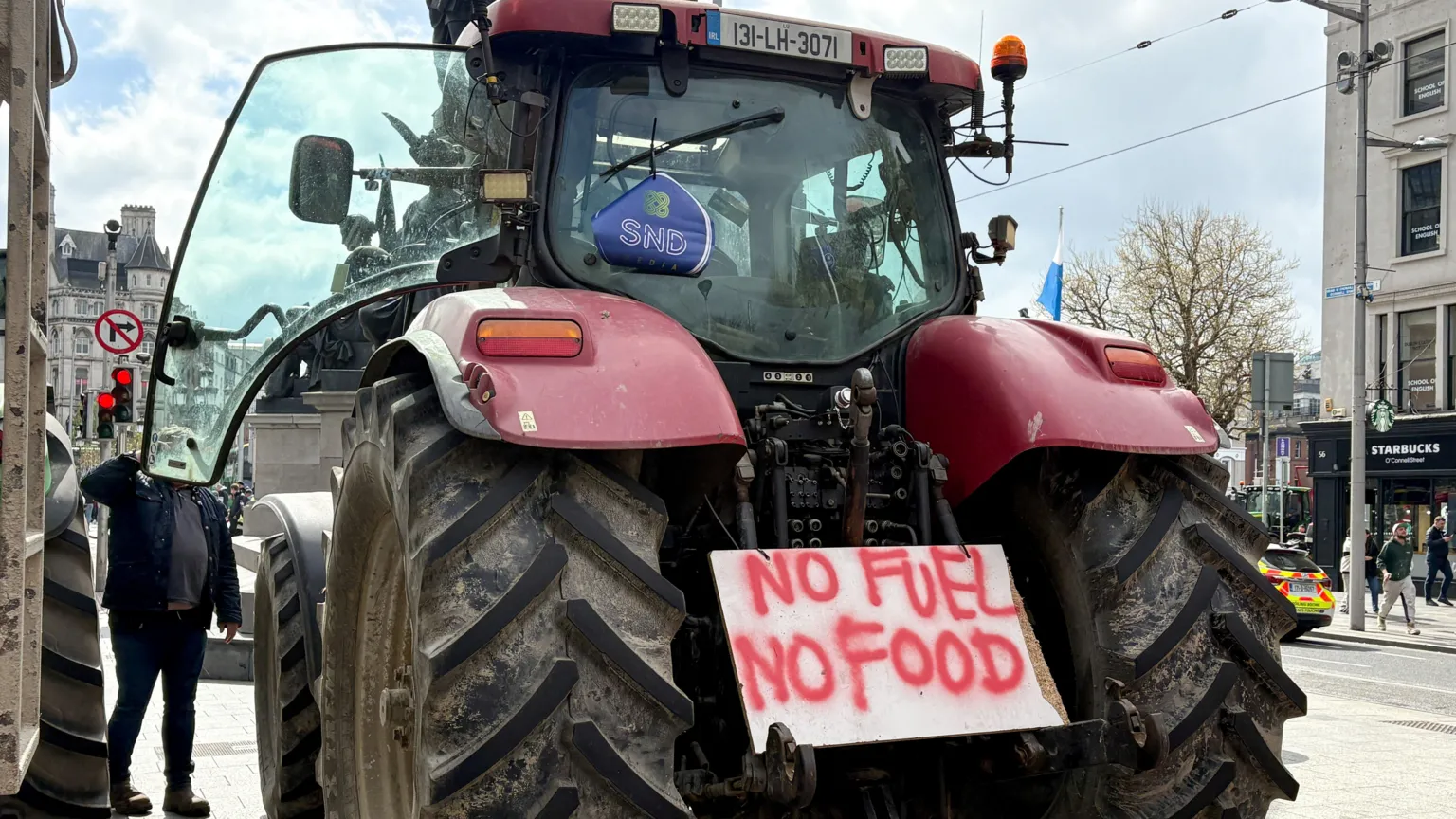
Protesters Removed from O'Connell Street
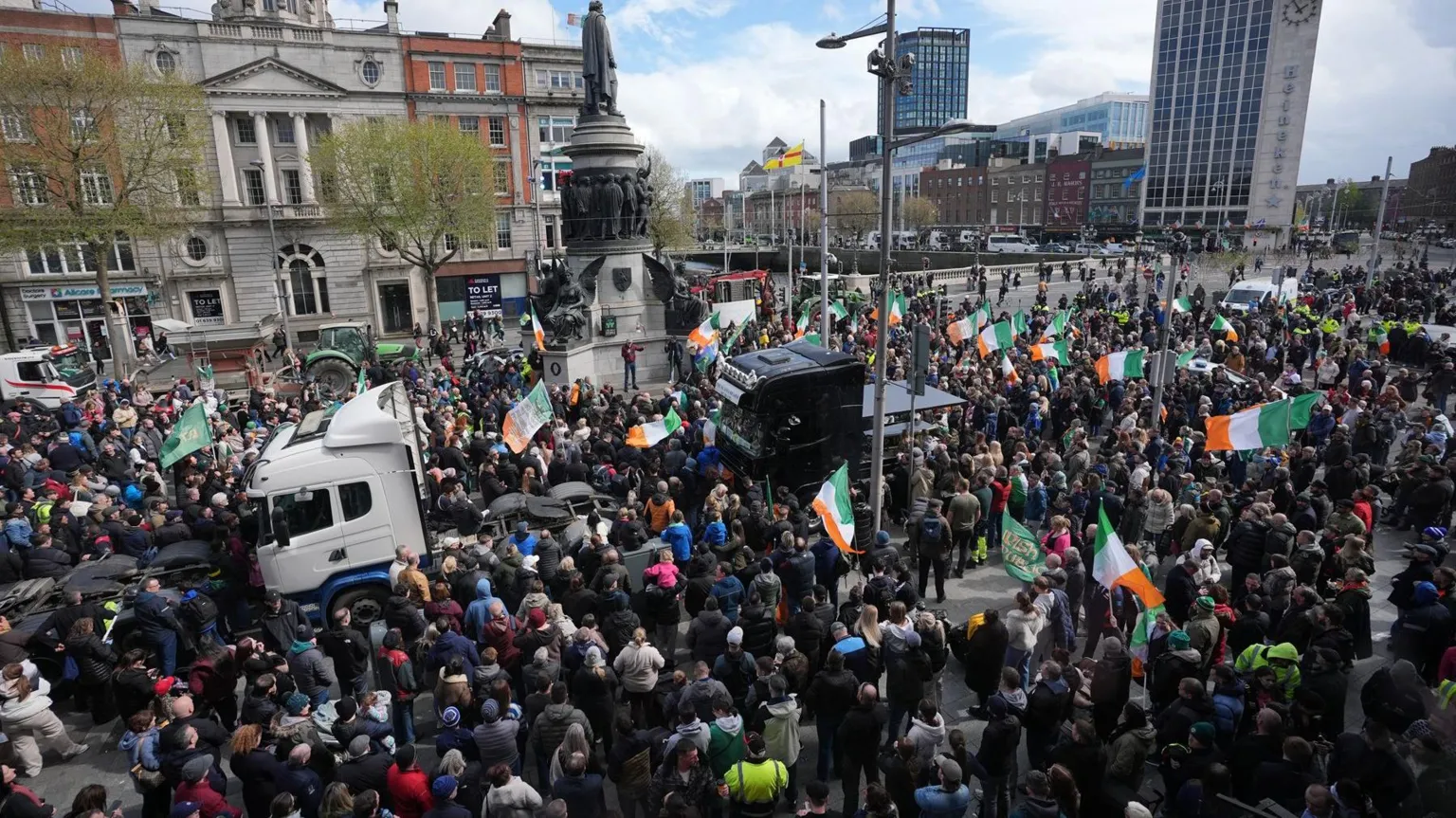
In the early hours of Sunday morning, gardaí (Irish police) conducted an operation to clear protesters from O'Connell Street in Dublin. The demonstrators had been blocking fuel distribution sites and key motorways and roads in protest against rising fuel costs linked to the US-Israel conflict with Iran.
Uniformed gardaí, the public order unit, and mounted units surrounded O'Connell Street, while the Garda water unit patrolled the River Liffey below and a Garda helicopter monitored the area from above. Just before 04:00, gardaí instructed individuals inside tractors and trailers to leave the vicinity, and all complied.
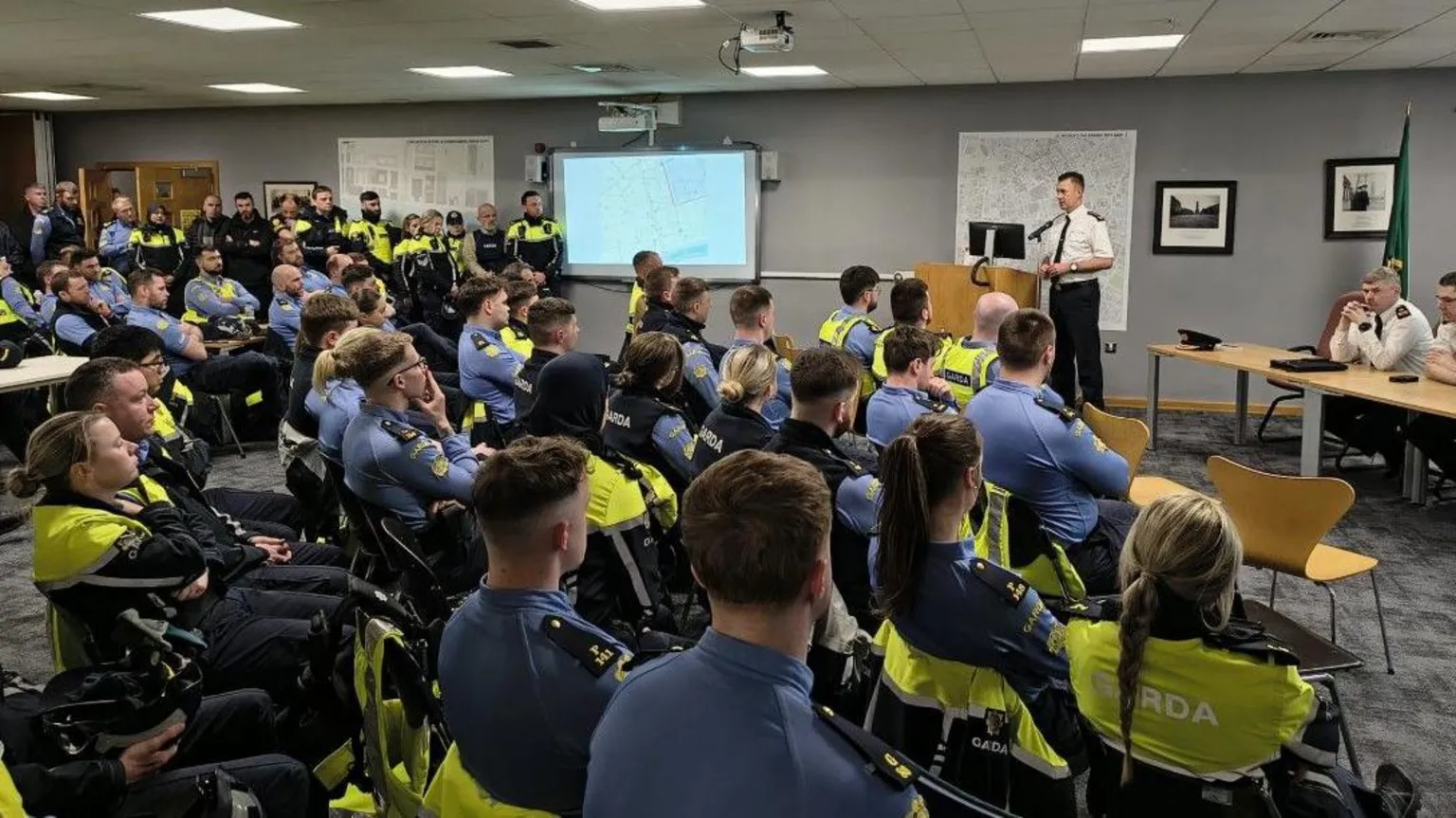
Gardaí also cleared a blockade on the northbound M50 motorway in Dublin. However, a blockade at Galway Port in western Ireland remains in place, where demonstrators formed a barricade on the bridge leading to the port terminal on Sunday.
Widespread Impact of Protests
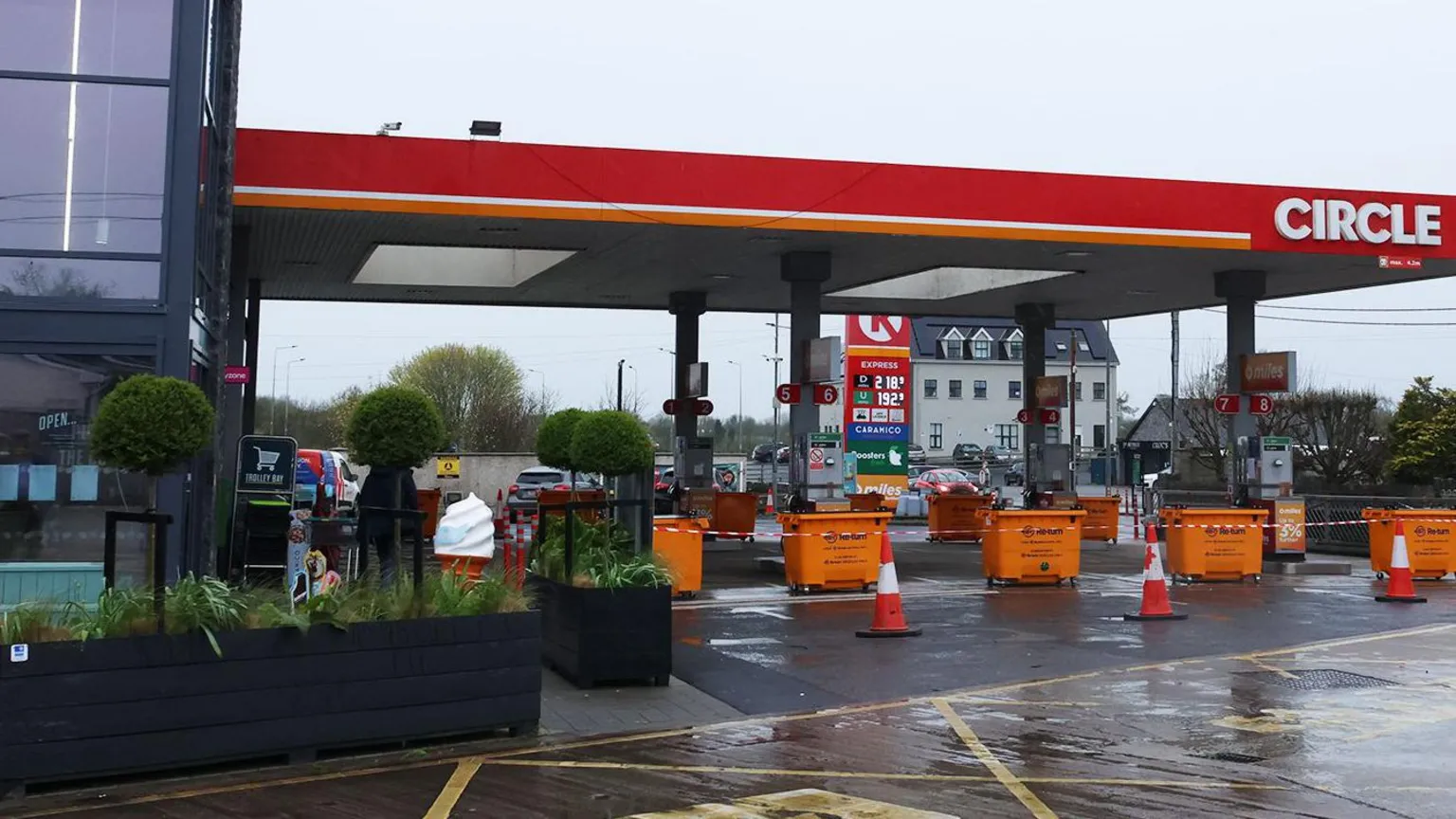
Hundreds of petrol stations across the Republic of Ireland have run out of fuel due to the ongoing protests and blockades, which have entered their sixth day. The slow-moving convoys include vehicles such as tractors, contributing to the disruption.
Three critical fuel distribution sites located in counties Cork, Galway, and Limerick have also been blockaded by protesters.
Government Response and Negotiations
A cabinet meeting is scheduled for Sunday to provide an update on talks addressing the ongoing fuel crisis. Since Friday, government ministers have been meeting with representatives of farmers and hauliers to finalize a new government funding package.
On Saturday, fuel trucks regained access to the Whitegate oil refinery in County Cork after a multi-day blockade. Gardaí, supported by the Irish Defence Forces, used pepper spray to push back protesters who had been blocking trucks from leaving the refinery.

Statements from Authorities
The Garda commissioner confirmed that several arrests were made during the operation. He emphasized that blockades are illegal and stated:
"We gave these blockaders fair warning that we were moving to an enforcement phase and they chose to ignore that and continue to hold the country to ransom."
Commissioner Justin Kelly also noted awareness of intimidation directed at fuel tanker drivers, adding:
"Offences such as threats to kill or cause serious harm carry sentences of up to 10 years."
"My message is clear - blockaders must immediately cease blockades of critical infrastructure and road networks or face the full rigours of the law."
The National Emergency Coordination Group, which coordinates emergency responses across government departments and state agencies, reported that fuel supplies for emergency vehicles, including ambulances and fire services, are under increasing pressure.
Taoiseach (Irish Prime Minister) Micheál Martin remarked that the blockades have placed the country "on the precipice of turning oil away from the country" amid a global oil supply crisis.
Speaking in Dublin on Saturday, Mary Lou McDonald, leader of Sinn Féin—the largest opposition party in the Oireachtas (Irish parliament)—criticized the government for allowing the situation to escalate and called for engagement with protesters to negotiate an end to the blockades.
Background: Reasons for the Protests
The protests are a response to rapid increases in petrol and diesel prices caused by the conflict in the Middle East. Approximately 20% of the world's oil trade, the raw material for petrol and diesel, has been disrupted due to the closure of the Strait of Hormuz.
In the Republic of Ireland, diesel prices have risen from around €1.70 (£1.48) per litre to €2.17 (£1.89) on many forecourts in recent weeks. Petrol prices have increased by up to 25 cents per litre at many pumps.
The protests began on Tuesday morning and have involved blockades using tractors and other vehicles to obstruct key routes across the country.