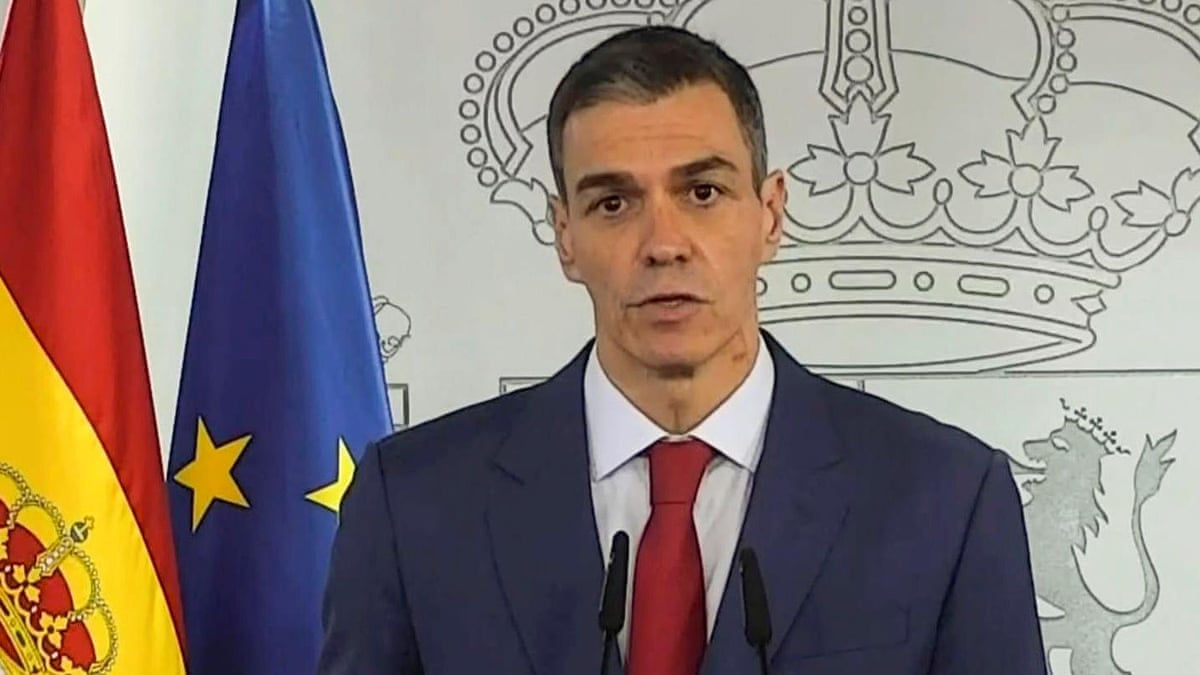
Macron Confirms French Navy's Seizure of Russian Shadow Fleet Tanker
French President Emmanuel Macron has confirmed the seizure of a tanker identified as part of the Russian shadow fleet. In a forceful statement posted on X, Macron declared:
“The French navy boarded this morning in the Mediterranean a new vessel from the shadow fleet, the Deyna. The war in Iran will not divert France from its support for Ukraine, where Russia’s war of aggression continues. These boats that circumvent international sanctions and violate the law of the sea are war profiteers. They seek to rake in profits and fund the Russian war effort. We will not let that happen.”
Meanwhile, Spain’s Prime Minister Pedro Sánchez announced his government’s comprehensive €5 billion package aimed at mitigating the economic impact of the Middle East conflict. This is reportedly the first such package of its kind within the European Union.
From his early stance opposing the war and standing up to former US President Donald Trump, Sánchez has now become a leading figure proposing substantial measures to address the anticipated economic consequences.
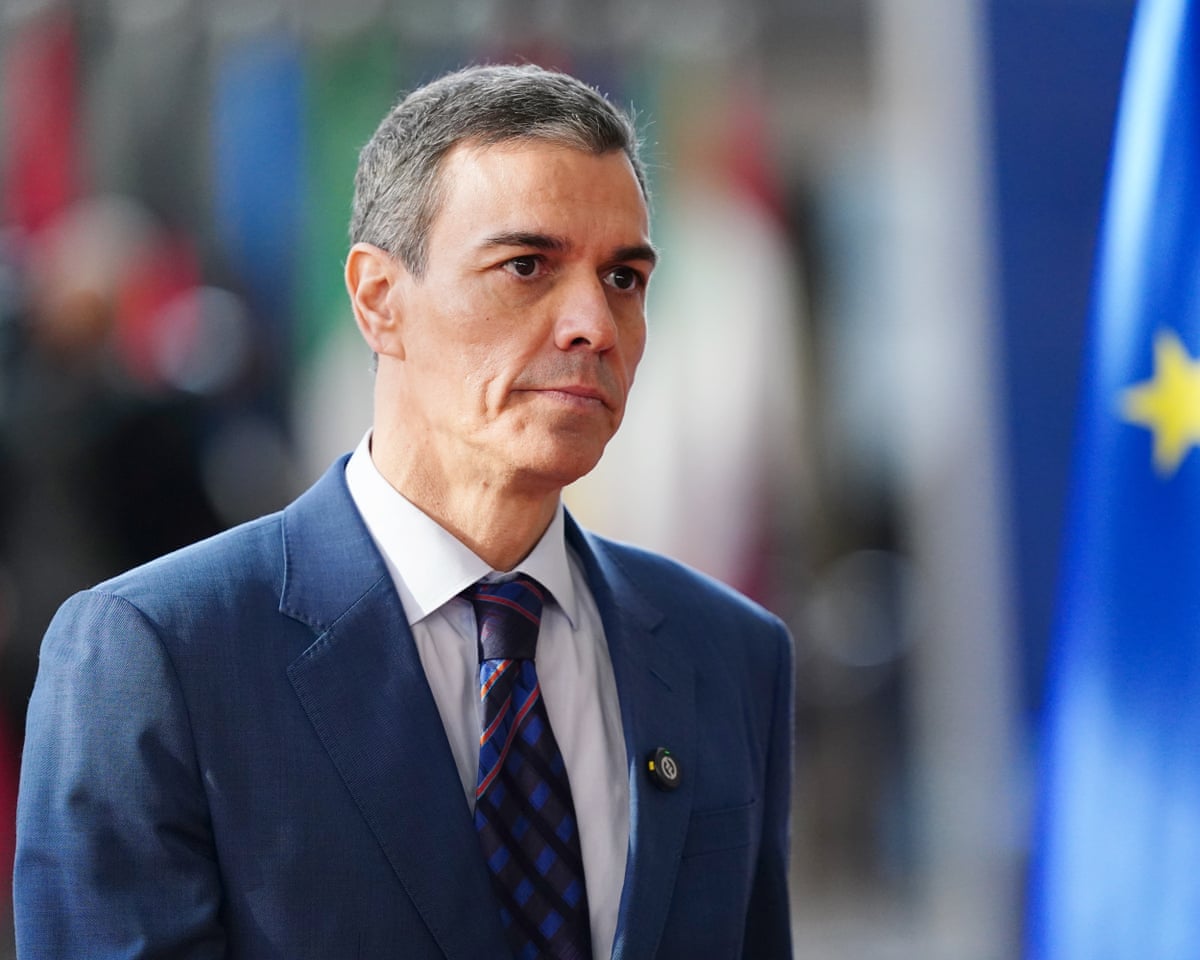
'No Plan Will Stop Misery from This Illegal War,' Says Spanish PM
Sánchez emphasized the gravity of the war’s impact on Spain and Europe, stating:
“Let’s be clear and honest, no plan will be able to stop the miseries brought by this illegal war. That’s why we must all demand an immediate ceasefire and respect for international law.”
Referring to the recent European Council summit, he added:
“Yesterday, Europe said that this wasn’t our war – just as Spain has said, ‘No to war’.”
He concluded his remarks with a message of resilience:
“No one expected a war at the gates of Europe after the pandemic; no one expected this illegal war in the Middle East, and no one expected the climate emergency to hit as hard as it has – particularly in Valencia [the 2024 floods] – but we’ll come through it all. We don’t support this war but we’ll do all we can to get people through it.”
Spain to Propose Temporary Rent Price Freezes Amid Political Negotiations
Sánchez discussed a second decree currently under political negotiation, which aims to introduce temporary rent price freezes similar to those implemented at the onset of Russia’s war in Ukraine. The government intends to seek parliamentary approval for this housing decree in the coming weeks.
“We don’t support this war, but we will be the EU country with the best social and economic protections as we face it,”
Sánchez reiterated points made at the Brussels summit, highlighting the benefits of Spain’s structural push towards decarbonization and electrification:
“From a structural point of view, pushing on with decarbonisation and electrification of the economy has been good for the country, good for people’s pockets and makes us more resilient in face of external threats and emergencies.”
Spain Details €5 Billion Emergency Package in Response to Middle East Crisis
The Spanish government’s plan includes 80 measures totaling €5 billion, with implementation expected as early as the following day. Key components include a significant reduction in energy taxes, notably lowering the VAT on electricity from 21% to 10%.
Despite these measures, Sánchez criticized the diversion of funds caused by war:
“This money could have gone to grants or improve health expenditure, but this is what wars do: they divert money away from other important causes and from vulnerable people.”
He further stated:
“We’re moved by suffering in Middle East, but we all end up paying when people beyond our borders start wars. … The sooner the war ends, then more lives will be saved and the lower the economic cost we’ll have to pay.”
Sánchez Warns of Economic 'Earthquake' but Pledges Government Support
Addressing the public, Sánchez said:
“Three weeks ago US and Israel embarked on a war that has killed thousands and set off an economic earthquake around the world.”
He cautioned that the crisis’s duration and development remain uncertain:
“No one knows how this crisis will develop or whether it will last months or years.”
Reassuring citizens, he added:
“I want to tell our citizens that this war wasn’t started by us. But I can reassure them that the country is economically strong and that our renewable, clean energy strategy means we’re better prepared than practically any other country in the face of this energy shock. We will of course be affected by all this uncertainty, but we will resist.”
Sánchez affirmed Spain’s commitment to protect its people and businesses, as was done during the pandemic:
“Spaniards can be sure that although we’re facing an earthquake whose magnitude we can’t yet determine, we will come out stronger.”
Spanish Cabinet Concludes Emergency Meeting on Middle East Crisis
Following a special cabinet meeting on emergency measures, Sánchez is expected to provide further details shortly. Earlier, he underscored the strategic importance of Spain’s renewable energy investments at the EU summit in Brussels:
“Eight years of betting on renewables have today put us at the forefront of energy in Europe. This isn’t about ideology: it’s about strategic autonomy; it’s about protecting homes and industries. And it’s the path we will continue defending.”
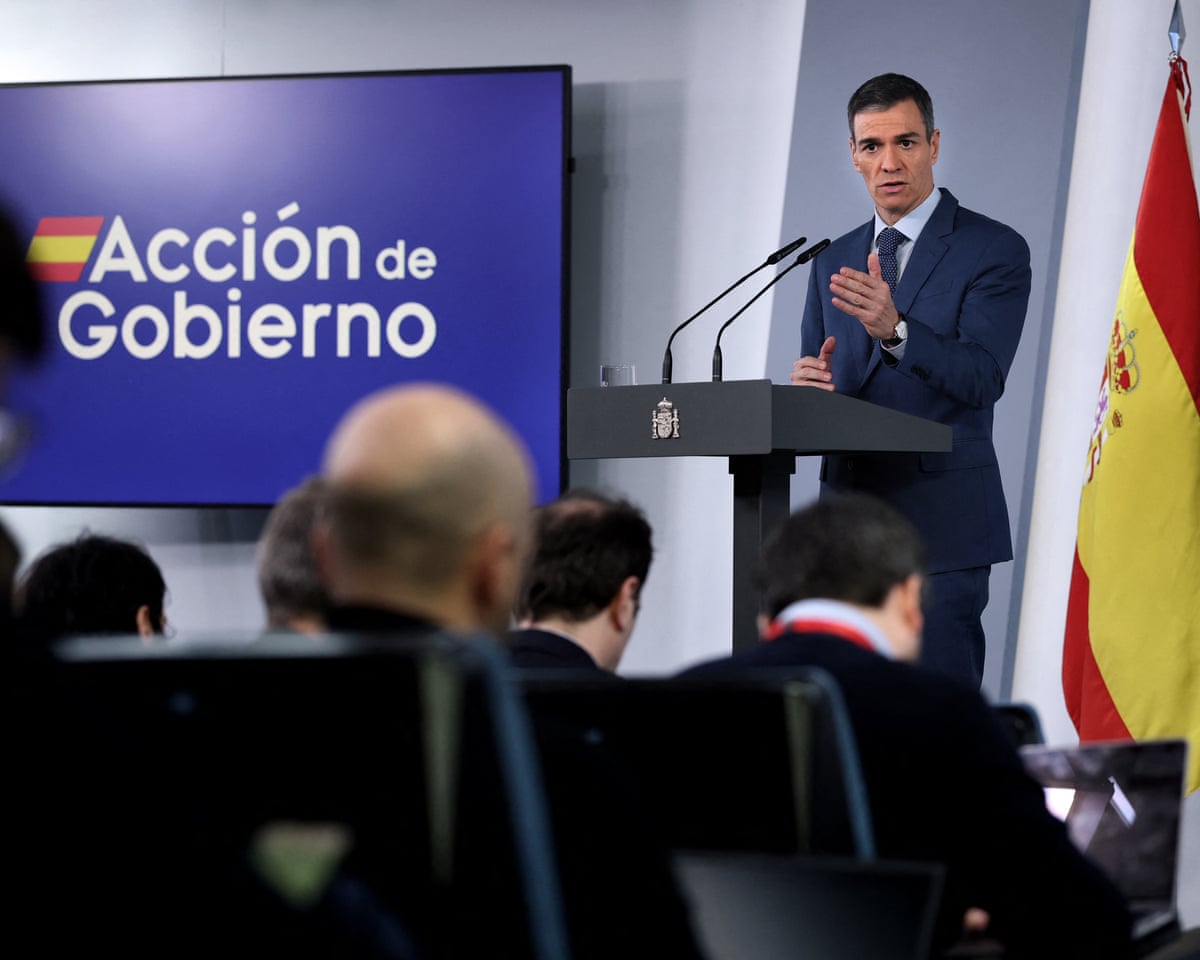
French Navy Confirms Tanker Seizure with Allied Support
The French military announced its intervention to inspect a tanker suspected of flying a false flag after departing Murmansk, Russia. The vessel, flying a Mozambican flag, was boarded in the western Mediterranean and is now being escorted for further inspection.
The operation involved allied forces, including the United Kingdom, which played a role in monitoring maritime traffic in the area, confirming UK participation in the mission.
Spanish Cabinet Approves Two Decrees on Energy and Housing
Reports indicate that the coalition government between PSOE and Sumar has agreed on two decrees: one targeting reductions in fuel and energy prices, and another focused on freezing rent prices.
French Navy Boards Mozambique-Flagged Oil Tanker from Russia
According to , the French navy boarded an oil tanker flying a Mozambican flag in the western Mediterranean, which had departed from Russia. A French official confirmed that suspicions regarding the flag’s validity were confirmed after boarding, and the vessel is now under escort for further inspection.
Ukraine Deploys Units to Protect Infrastructure in Middle East
Ukraine’s Security Council Secretary Rustem Umerov announced that Ukrainian interceptor units have been deployed to safeguard critical and civilian infrastructure across five Middle Eastern countries. Efforts are ongoing to expand coverage areas.
“Ukraine stands in defence of life and sovereignty alongside those who support us in preserving our independence. We seek to further strengthen security partnerships with our allies,”
Umerov wrote on X.

Hungarian Officials Administer Forced Injection to Ukrainian Detainee After Bank Vehicle Raid
Shaun Walker and Flora Garamvolgyi report from Budapest that Hungarian security forces administered a forced injection to one of seven Ukrainians detained during a March 5 raid on bank vehicles transporting gold bars and large sums of cash. The detainees were accompanying armored cars transferring state funds from Vienna to Kyiv, which Hungarian authorities alleged were linked to the “Ukrainian war mafia” without providing evidence.
The men were held for over 24 hours, much of it blindfolded and handcuffed, before deportation to Ukraine. One detainee, a former employee of Ukraine’s SBU security service, received the injection, which reportedly contained a relaxant intended to make subjects more talkative during interrogation. The drug caused a hypertensive crisis in the diabetic man, leading to loss of consciousness and hospitalization.
Sources described the injection as a “Russian-style method” reminiscent of KGB-era truth serums. Blood tests reportedly detected traces of such a drug after the men’s return to Ukraine, though these results have not been independently verified.
Hungarian lawyer Lóránt Horváth confirmed that one individual was injected against his will. A Hungarian police source acknowledged knowledge of the injection but was unaware of its contents.
The raid occurred amid a critical parliamentary election in Hungary, where nationalist leader Viktor Orbán faces potential defeat after 16 years in power. Orbán’s government maintains regular contact with Moscow and is considered the EU’s most pro-Russian administration. Reports suggest Russia is actively supporting Orbán’s campaign.
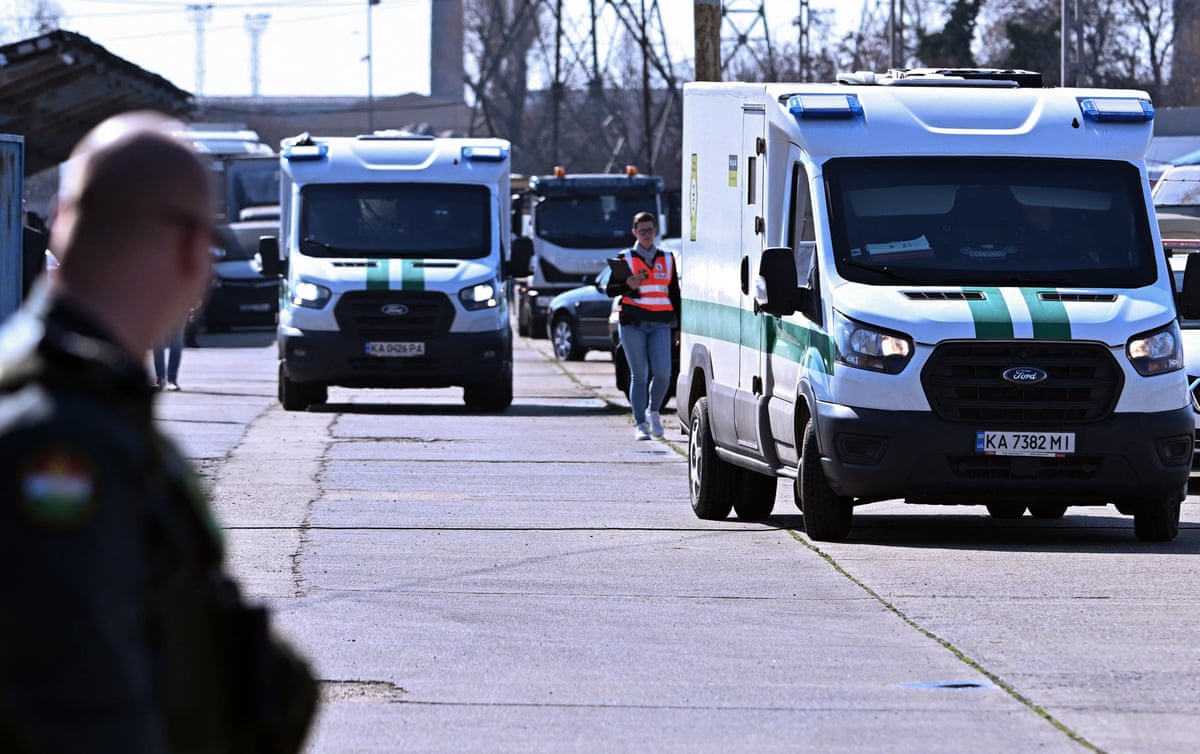
Spanish Emergency Proposals Face Delays Amid Political Disputes
Expectations for the Spanish government’s emergency proposals have been delayed due to last-minute political disagreements, particularly over housing measures. Further updates will follow once Prime Minister Sánchez presents the plan.
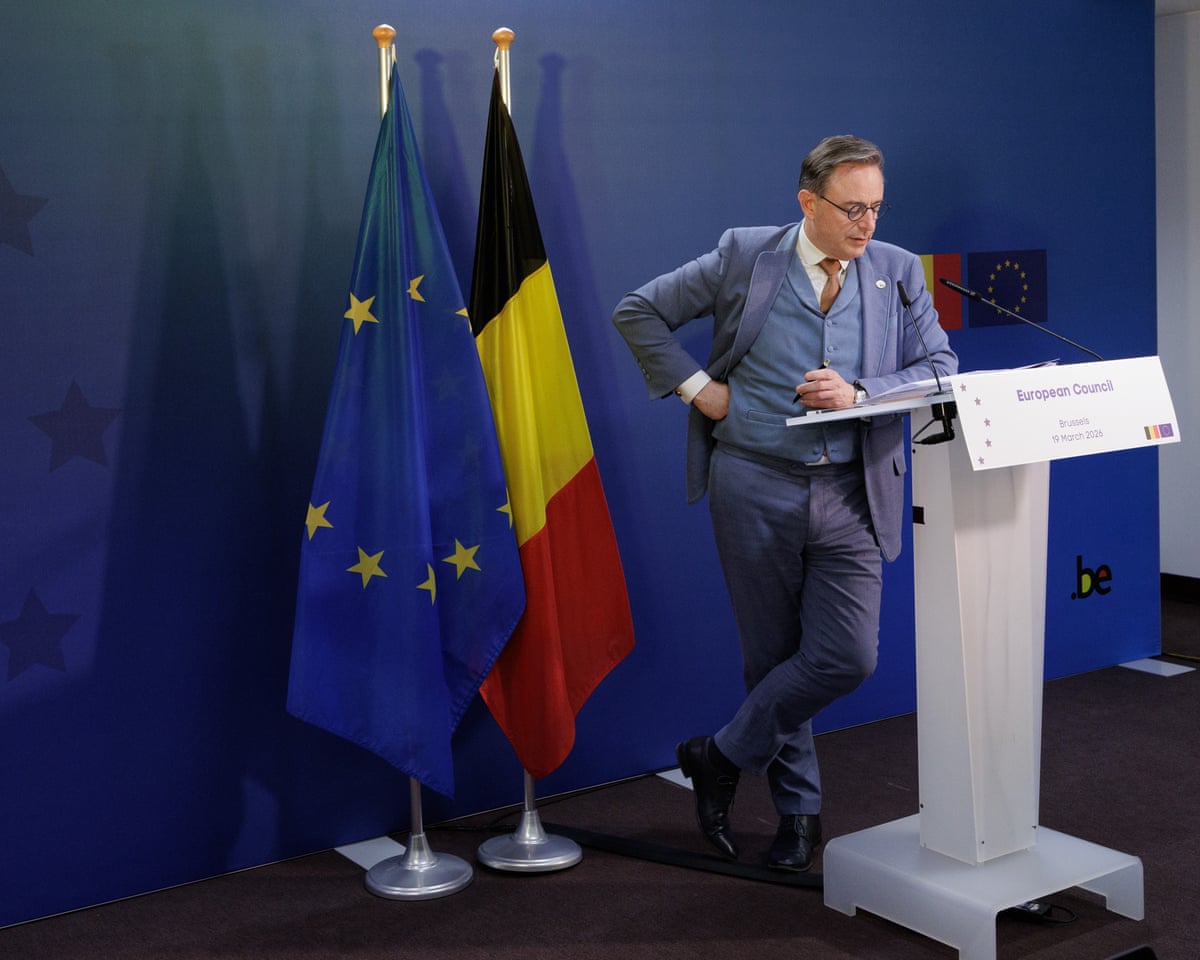
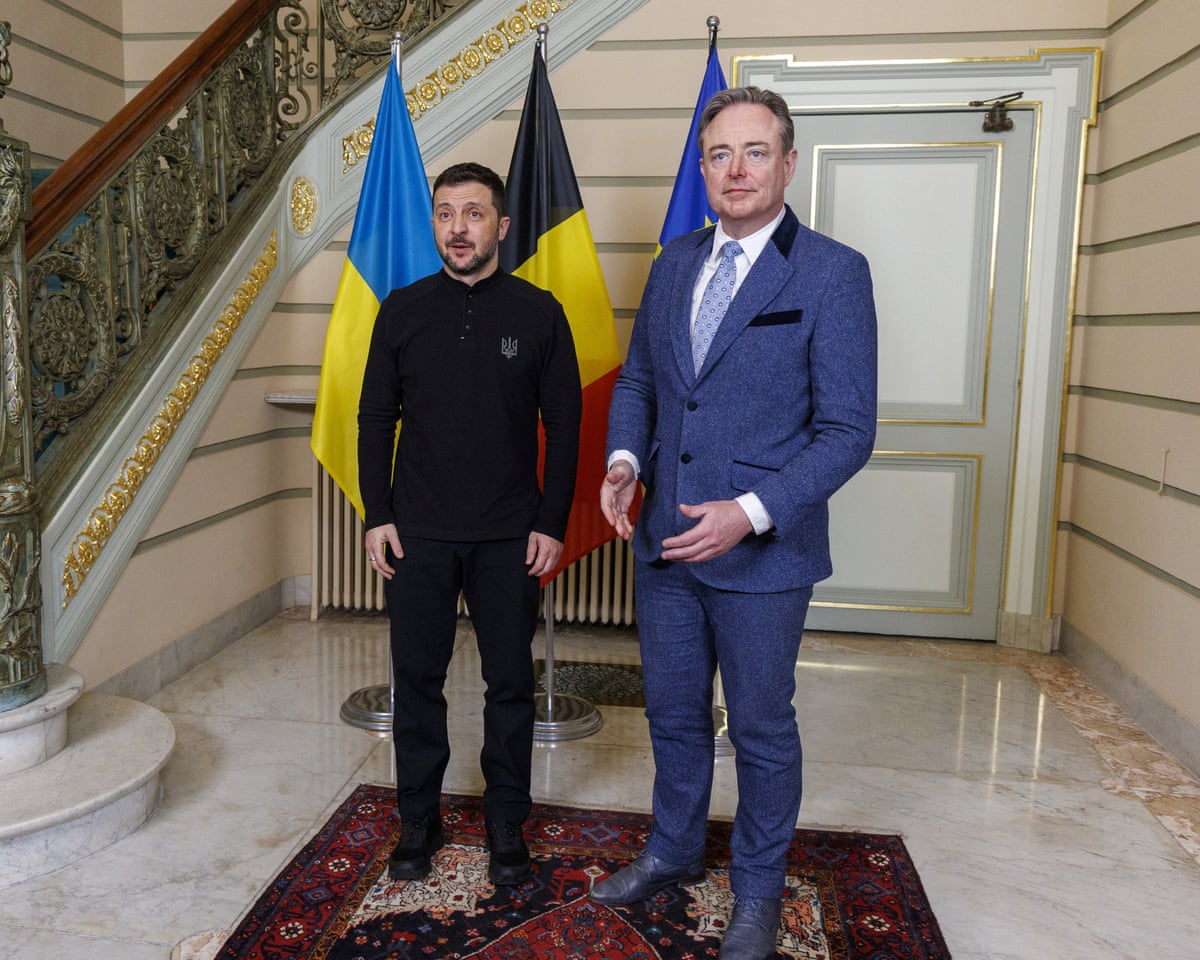
Belgian Prime Minister Defends Comments on Normalizing Relations with Russia
Bart De Wever, Belgium’s Prime Minister, defended his recent remarks advocating for the normalization of relations with Russia to restore access to affordable energy supplies after the Ukraine war ends. Earlier, he stated:
“We are losing on all fronts, we must end the conflict in Europe’s interest.”
He argued that Europe must rearm while simultaneously normalizing relations with Russia to regain cheap energy, claiming that many European leaders privately agree but do not voice it publicly.
During a post-summit press conference, De Wever said:
“The first one who speaks [out], gets all the bad media. It [caused] a commotion in Belgium, it always [causes] a commotion in Belgium, because it was the an ideal moment to play political games, but I noticed none of that in the room here, none, nothing. People know very well what I think in this room, I’m very outspoken, and they have no doubts of about my loyalty to Ukraine.”
He clarified that his comments pertained only to a post-peace scenario where Ukraine secures an acceptable peace deal with Russia. De Wever questioned whether long-term relations with Russia should be hostile or normalized, advocating for the latter as a strategic choice.
He emphasized that no concessions should be offered before peace is achieved but suggested that the prospect of normalized relations could incentivize serious negotiations.
De Wever also stressed his strong pro-Ukrainian stance, citing his family’s historical ties to Ukraine, including smuggling money to dissidents during Soviet times and establishing aid organizations.
He concluded by highlighting Europe’s complex geopolitical challenges, including wars in the Middle East and Ukraine, protectionism, and competition from China, advocating for pragmatic solutions.
Orbán Defends Opposition to EU Ukraine Loan and Calls for Russian Oil Return
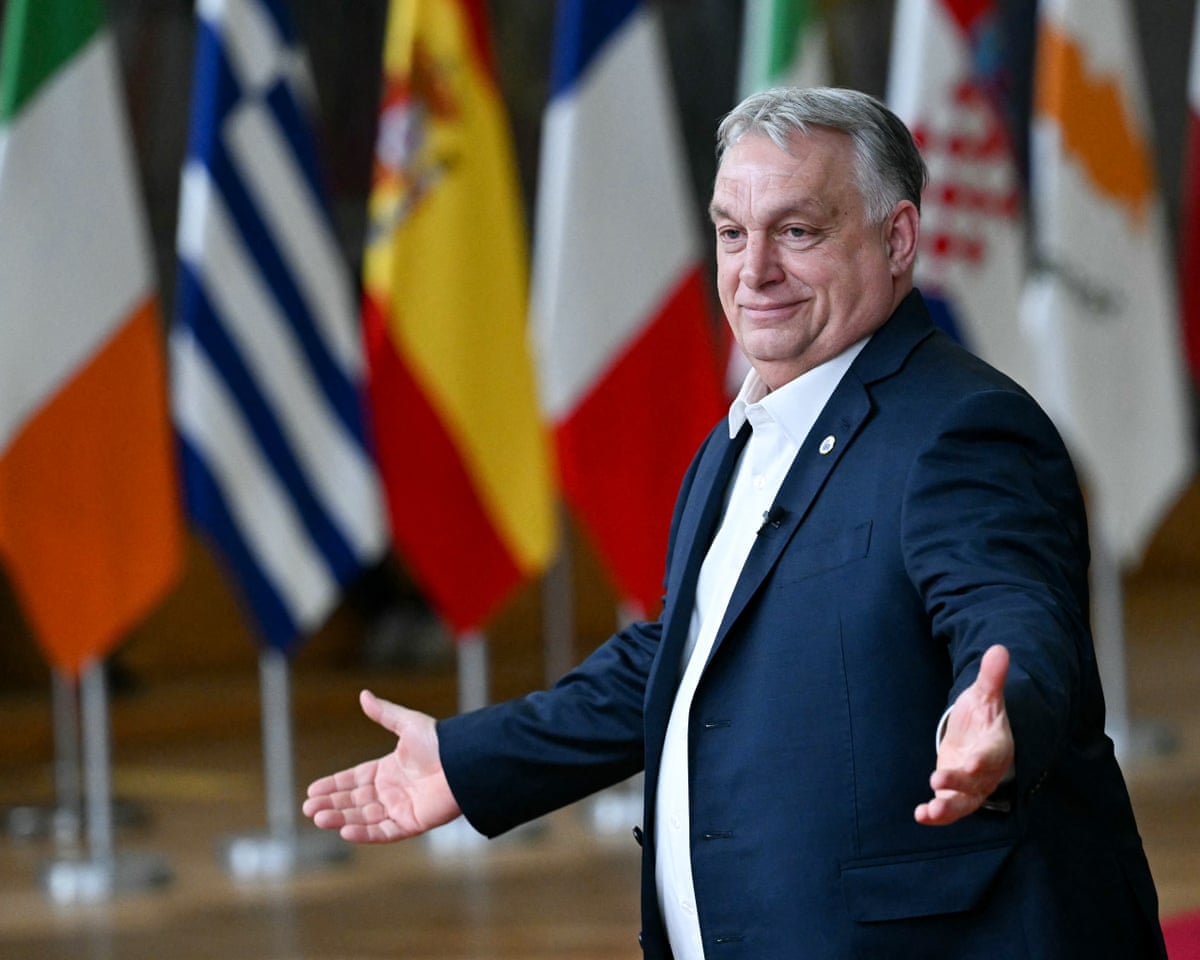
At the European Council summit, Hungarian Prime Minister Viktor Orbán faced criticism for opposing a €90 billion (£78 billion) loan package for Ukraine. Orbán dismissed accusations of bad faith, stating:
“I stand for their interest. What I have done here is [tried] to crush the oil blockade imposed on us by Zelenskyy, so I defended the interests of the country.”
He further asserted that Europe must resume importing Russian oil to address looming global shortages caused by the Middle East crisis:
“At this moment, [we are] just knocking on the door of a shortage of oil globally. So the behaviour, the strategy, that Europeans have here is just crazy. We definitely need the Russian oil, so we cannot survive this situation … without involving Russian fuel energy again. Europe cannot survive without that. Probably now they deny that fact, but it [will] take not more than one or two weeks [and] this will be obvious for everybody.”
When asked about his electoral prospects, Orbán responded confidently:
“Certainly.”
Spain Leads with Emergency Energy Price Measures
Spain is preparing to introduce emergency tax reductions to mitigate the economic fallout from the Iran war. A press conference scheduled for 11 a.m. local time will unveil measures including a reduction of VAT on fuels from 21% to 10%, alongside adjustments to hydrocarbon and electricity duties aimed at curbing rising energy costs.
reports that lowering the hydrocarbon levy alone is expected to reduce diesel and petrol prices by between €0.30 and €0.40 immediately.
Prime Minister Pedro Sánchez has been a vocal critic of the US and Israeli strikes in Iran, warning of their economic repercussions on Spain.
Officials indicated that the measures will also support sectors most vulnerable to the crisis, noting that Spain’s high renewable energy generation lessens its exposure to oil price spikes.
European Commission President Ursula von der Leyen, speaking after the European Council meeting, highlighted the need to adjust taxation, stating that electricity is often taxed more heavily than gas and proposing reductions in grid charges. She also suggested greater flexibility in state aid to address energy costs.
Meanwhile, attention remains on Spain’s parliamentary campaign, local elections in France and Germany, and an Italian judiciary referendum, all scheduled for the weekend.
It is Friday, 20 March 2026. Jakub Krupa reporting for Europe Live.