Court Allows Muslim Gathering in Northern Paris
A significant Muslim gathering scheduled in northern Paris will proceed as planned after a French court overturned a government attempt to ban the event.
The Paris police department had argued that the four-day Annual Encounter of Muslims of France posed a security threat, citing potential risks of terrorism targeting the event.
However, the organisers, the Muslims of France (MF) association, sought an emergency injunction to permit the event, asserting that banning it would violate fundamental liberties.
The administrative court agreed with the organisers and annulled the government decree just two hours before the event's planned opening at 1400 (13:00 BST).
In its decision, the court stated that the evidence provided by police
"did not establish the risk of counter-demonstrations, or that the gathering would be targeted by far-right groups."
The court also rejected the claim that the event would place an unacceptable burden on police resources, noting that the organisers had committed to providing additional security measures themselves.
Background of the Event and Organisers
The gathering, which combines cultural and religious conferences with a trade fair, was traditionally an annual event but had not been held since 2019. Prior to that, it regularly attracted tens of thousands of attendees from across Europe.
The Muslims of France association, the country's largest Muslim organisation, has been criticised by some for alleged ties to the international Muslim Brotherhood, a claim the association denies.
Police Justification for the Ban
In support of the ban, the Paris police department cited the
"international and national context which is particularly tense,"stating that the gathering was
"exposed to an important terrorist risk toward the Muslim community."

They also warned that
"in a context of political agitation and a heavy polarisation of debate"there was a possibility that
"small far-right groups could mobilise with a view to disrupting the event."
The police further claimed that actions against the gathering could be
"conducted remotely by foreign influences."
France has frequently accused countries such as Russia and Iran of fomenting discord by funding proxies to carry out minor provocations or sabotage.
Political Context and Government Measures
The ban coincided with France's announcement of plans for a new "anti-separatism" law aimed primarily at Muslim organisations promoting ideas considered incompatible with the Republic's principles.
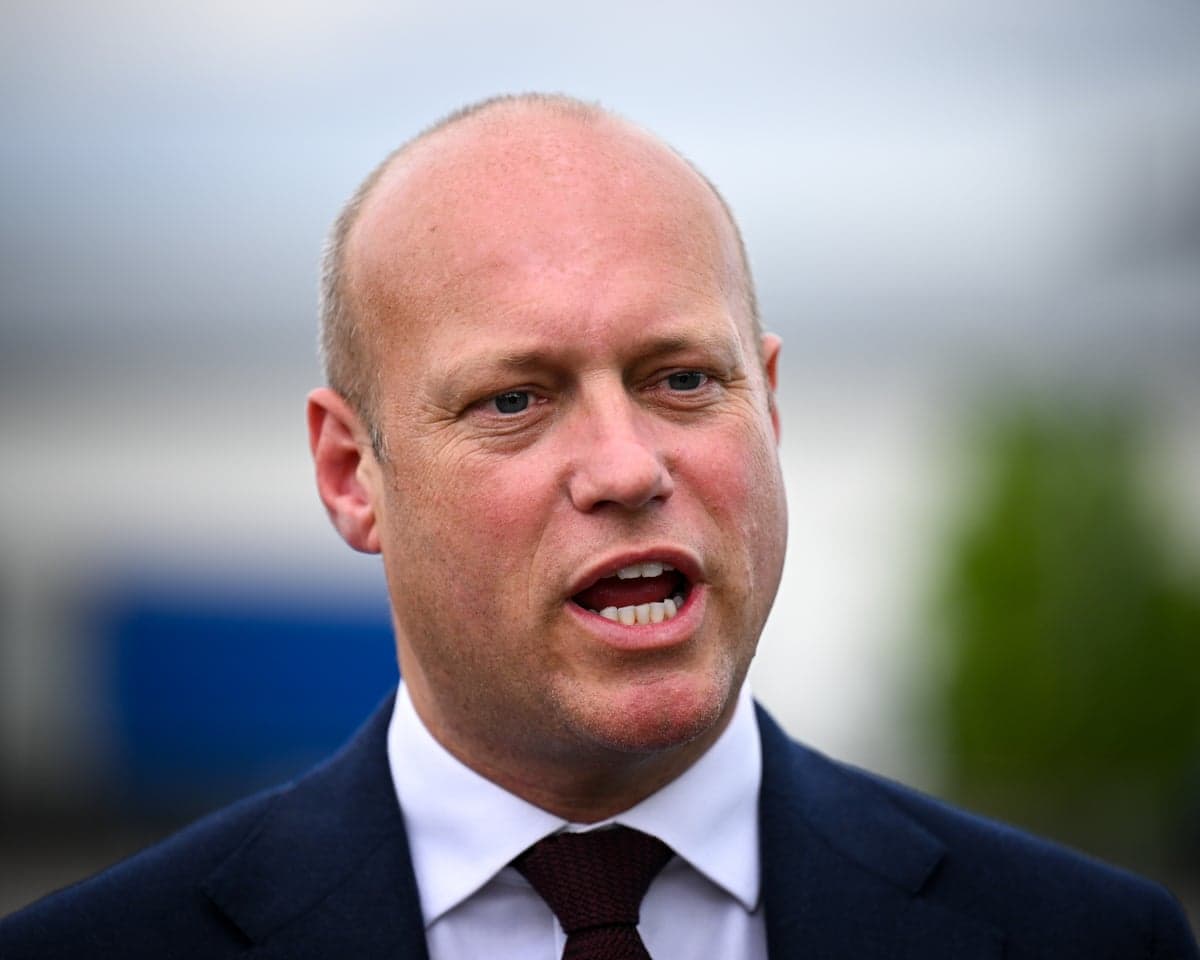
Interior Minister Laurent Nunez explained that the new legislation would complement a similar law passed five years earlier, which allowed the government to close associations accused of fostering Islamic separatism.
"There are still some structures which we have been unable to reach,"Nunez said during a radio interview.
"One issue is how we control collective childcare. We need to be able to control it, but right now we can't.
"More generally we want to be able to ban publications which carry appeals to hate, violence or discrimination,"he added.
Legal Arguments and Responses
During the injunction hearing, the MF's lawyer, Sefen Guez Guez, argued that banning the event constituted a
"manifest breach of the right to assemble"and was clearly intended to
"promote the (government's) new law."
Conversely, a police lawyer maintained that the ban's sole purpose was to maintain public order, stating,
"This is not an anti-Muslim or anti-Islam decree."