Heatwave Hits Poorly Insulated French Housing
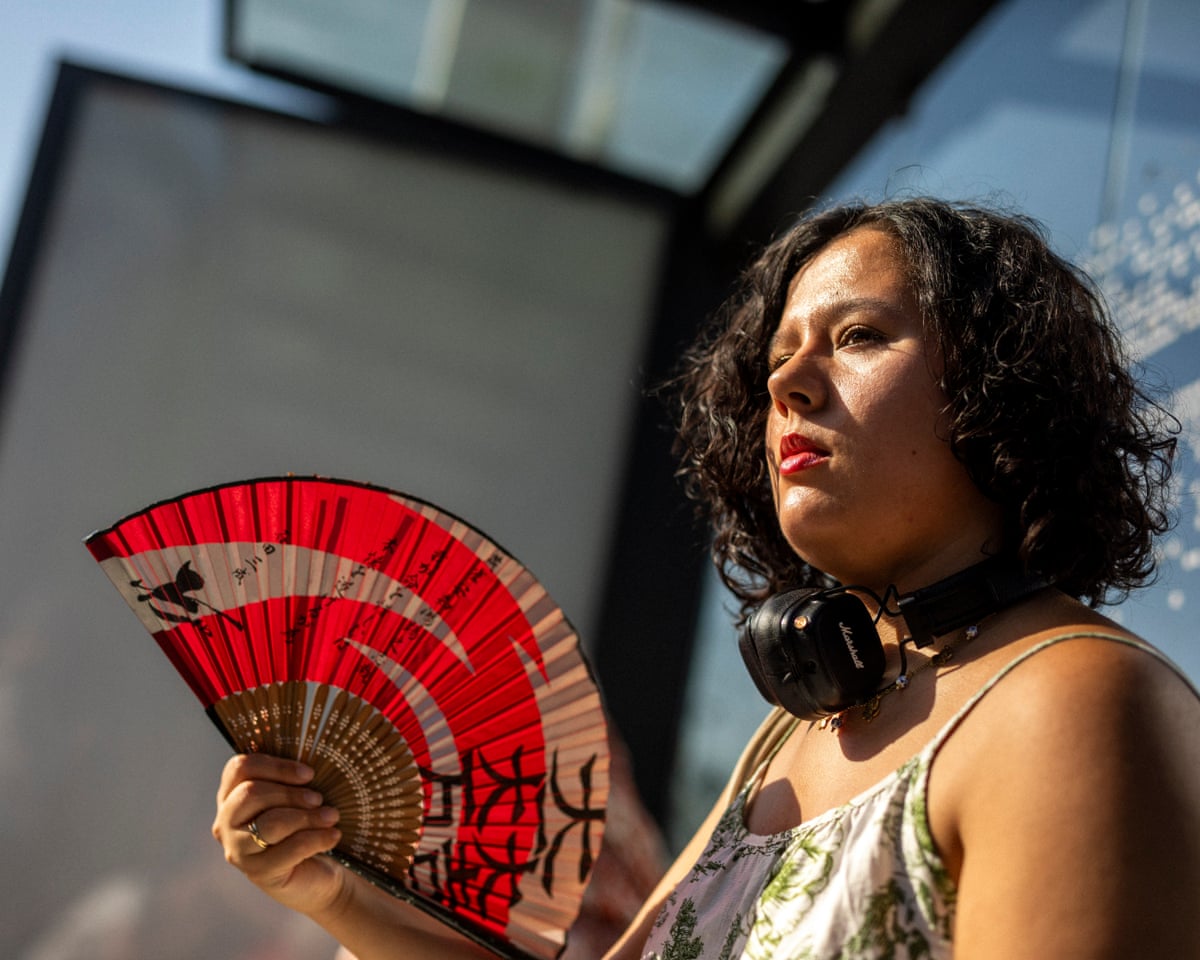
Many buildings across France are ill-equipped to handle extreme heat, with low-income housing estates experiencing the most severe impacts during the country's latest record-breaking heatwave.
Samira, a 35-year-old single mother and former building caretaker, lives on the seventh floor of a concrete housing estate in Ris-Orangis, Essonne, south of Paris. She described her experience during the intense heatwave as desperate.
"Yesterday I sat down and cried, I thought I’m going to die,"
Her apartment, like millions across France, suffers from poor insulation and lacks external window shutters. She explained the conditions inside her flat:
"Blazing sun hits my windows all day – I can’t breathe, I feel dizzy, there is no air."
Samira added,
"My home is an oven, it’s unbearable. I can only use a fan for short bursts, for fear of electricity costs. I only get two hours’ sleep a night. I’m exhausted. The days feel endless trying to protect my son from the heat. And I know these temperatures are only going to get worse in time. The government only ever acts at the last minute. Not enough is being done long-term to protect people."
School Closures and Disrupted Daily Life
Her 10-year-old son, Issam, attends one of the 1,800 schools in France that have been closed due to dangerously high indoor temperatures.
"My classroom on the top floor reached 40 degrees inside,"
he said.
"It was too hot to have lessons, so we just played games."Issam usually goes to bed at 9pm but has been staying up until midnight to avoid the hottest parts of the day. Samira expressed her feelings about the situation:
"I feel shut in, physically and mentally."
Nationwide Heatwave Impact
More than 44 million people in France, out of a total population of 67 million, have been under the highest red alert for heat this week. Daytime temperatures have exceeded 40°C in many areas and remained dangerously high at night.
The extreme heat has led to increased air pollution, a rise in hospital admissions, school closures, and train cancellations. Power outages affected thousands of homes from Brittany to the southeast, preventing residents from using electric fans or closing electric blinds. Additionally, French nuclear energy output was reduced due to limited access to cooling water. Hundreds of thousands of poultry have died in the heat, overwhelming carcass collection services.
Infrastructure Unprepared for Rising Temperatures
The severity of the heatwave's impact is exacerbated by the large proportion of French buildings and infrastructure that are not designed for high temperatures. Paris, one of Europe's most densely populated cities, is known for its poorly insulated housing stock and has been identified as having the highest heatwave mortality risk among European capitals. The French government has faced criticism for insufficient preparation and for reducing funding for infrastructure adaptation projects related to the climate crisis.
A recent report by the Foundation for Housing (Fondation Abbé Pierre) found that half of all French homes lack adequate protection against high temperatures, leaving occupants dangerously overheated. Approximately 66% of French residents report difficulty tolerating heat within their homes.
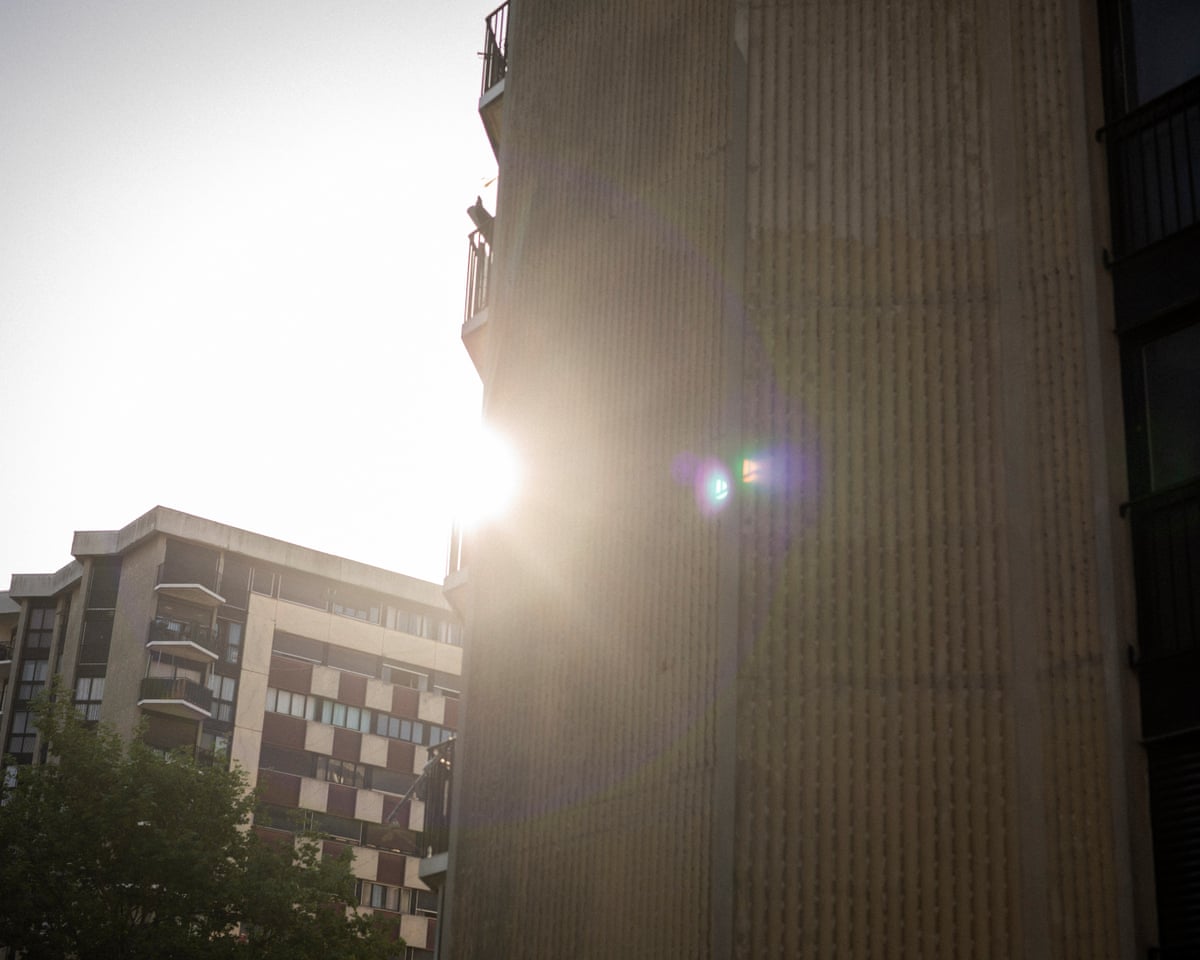
Maïder Olivier, head of climate advocacy at the NGO, highlighted the growing issue of heat-trap housing in France, particularly affecting low-income suburban estates.
"France has a massive and worsening problem of heat-trap housing,"
she said, noting that climate inequality is increasing, with poorer communities suffering the most during heatwaves.

"One of the aggravating factors is having no possibility of escape,"
Olivier explained that many residents in heavily concreted estates lack green spaces, often work in hot conditions without air conditioning, rely on crowded, overheated public transport, and cannot afford summer vacations.
Personal Stories from Affected Residents
In Grigny, one of the poorest towns in the greater Paris area, Aboubakar, 60, a former hotel kitchen worker, expressed his distress while standing below his fourth-floor flat, which he estimated could reach 40°C inside.
"I’m suffocating,"
he said.
"I can’t afford to buy a fan. There are no shutters on my flat. At night I can’t sleep, it’s like a furnace."He also noted the heatwave's negative effect on his mental health, intensifying other issues such as illness and housing insecurity.
"It’s impossible to be inside my flat during the day so I come down and sit under a tree,"
said Aboubakar.
Roland, 20, a student completing a youth work apprenticeship, described his morning routine to avoid the heat.
"We try to close the shutters and stay in the dark in our flat but there’s no air,"
he said.
"It can be depressing. We only dare open a window in the middle of the night. We don’t use electric fans because it costs too much."
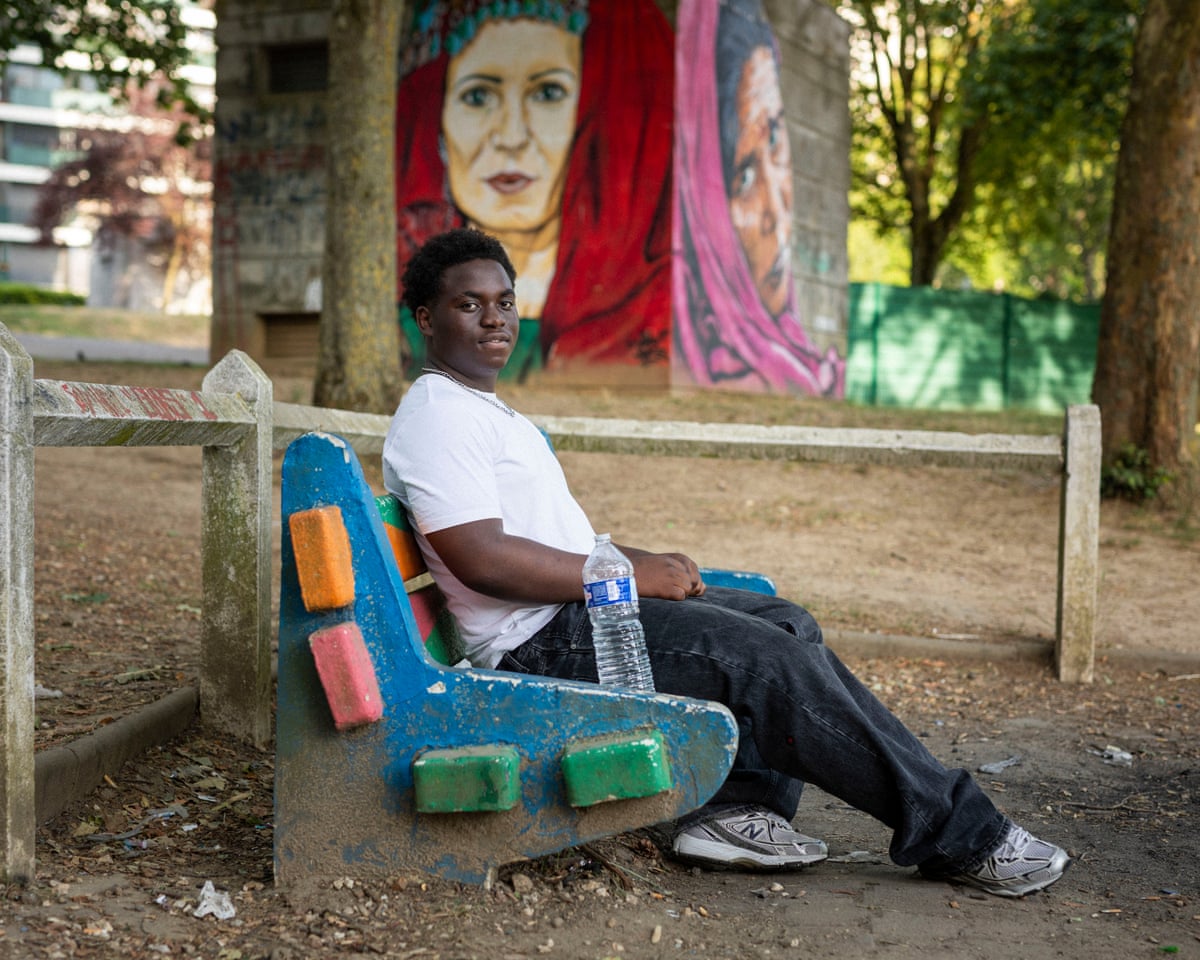
Inès Seddiki, founder of Ghett’up, an organization in Seine-Saint-Denis north of Paris, emphasized the disproportionate impact of extreme heat on young people from suburban housing estates.
"They are not causing the climate crisis but they are the least protected from its consequences,"
she said, highlighting the lack of medical facilities, heat-trap homes, and the exposure of societal racism during the heatwave.
Seddiki also noted the social tensions arising when young people from the banlieue seek relief outside their neighborhoods, such as at the seaside.
"Some French commentators talk about an ‘invasion’ because it is a group of 15-20 young people who are Black or north African,"
she said, adding that the heatwave has revealed deep inequalities and segregation in French society.
Several affluent towns west of Paris, including Neuilly-sur-Seine, have banned access to their municipal swimming pools for residents from other towns during the heatwave.
Student Experiences in Paris
Noah, 22, who is commuting to a communications apprenticeship near Grigny, lives in a small, top-floor flatshare in Paris under a poorly insulated zinc roof without window shutters.
"There’s no air, we can never sleep more than four hours. We have tiny balcony space so we’ve put a children’s paddling pool on it and sit in there. What else can we do?"