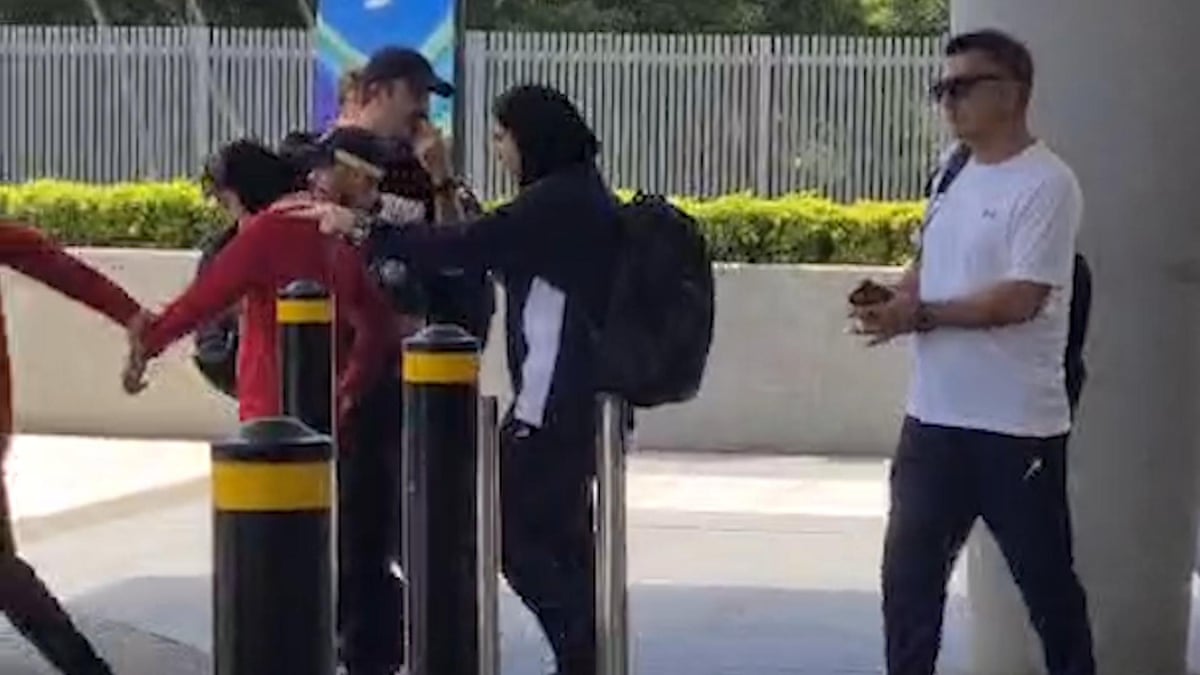
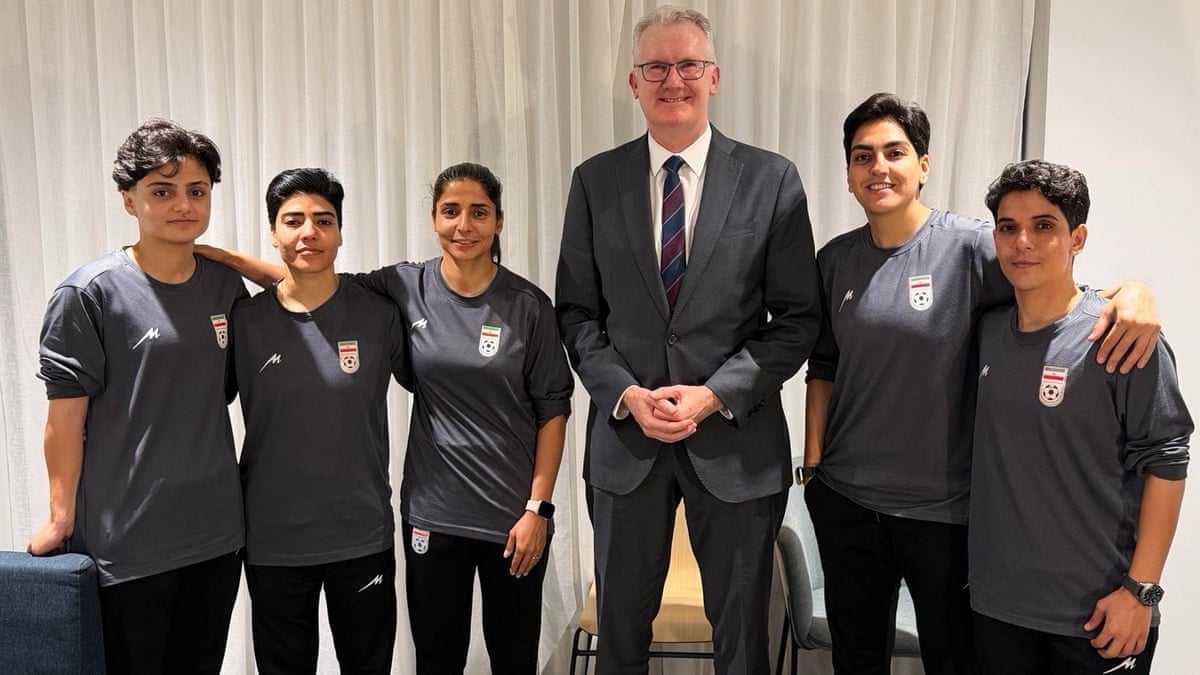
Adjusting to Life in Australia: Challenges and Hope
“It will be challenging to learn English, or to know about the new culture, but everything takes time,” says Afghanistan-born cricket player Tooba Sarwari.
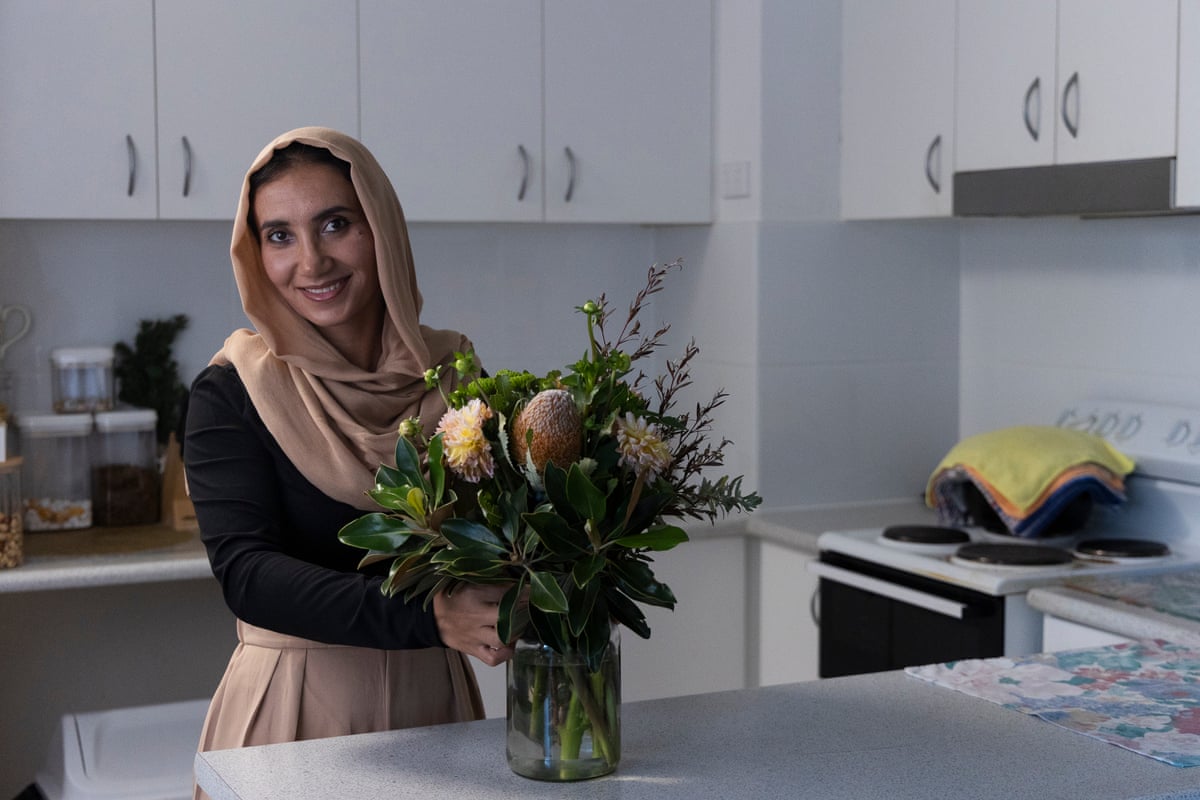
If anyone understands the emotional upheaval experienced by the Iranian football players as they leave their homeland for a new life in Australia, it is Sarwari. The Afghanistan-born cricket player fled to Australia on a humanitarian visa in 2021 amid the fall of Kabul, leaving everything behind.
The situation faced by the Iranian footballers is similarly difficult, Sarwari notes, having arrived on a humanitarian visa during Kabul’s fall herself.
“I don’t want this happening for none of the girls in the world,”
she says from her new home in Canberra.
She recalls her first night in Australia in 2021, lying on her bed with her head covered by a blanket.
“When I reached Australia, I realised that, ‘oh, my family is not with me’, I left everything.”
The Iranian women have chosen to start a life far from their home and loved ones. They have been granted temporary visas that offer a pathway to permanent residency, and after four years, they may apply for Australian citizenship.
In the short term, they will be able to select where to live and access settlement services that provide free English classes and programs to assist with employment, education, and training.
Sarwari, now a student of international relations and politics, believes the Iranian women’s new life in Australia will bring both challenges and rewards.
“When I compare my life from four years ago and now, it’s lots of change,”
she says.
“I was someone who didn’t know how to speak English properly, now I am in second-year university. Everyone will find their ways, everyone can learn English, they can find a job, Australia is a country full of supportive people.”
However, Sarwari cautions that the transition will not be straightforward.
“Sometimes you feel very sad, very alarmed, and many times I lost my way,”
she explains.

“It will be challenging to learn English, or to know about the new culture, but everything takes time. One day everything will be perfect. You feel like you know everything and you feel confident, which is what I have now.”
Zaki Haidari, a refugee who works for Amnesty International in Australia, emphasizes that while the content of settlement programs is vital, the trauma-informed approach of those delivering them is even more critical.
Support is also available beyond official channels.
Iranian-Australian advocate Ara Rasuli, who assisted the athletes’ bid for freedom in Australia, affirmed the diaspora community’s commitment to supporting the remaining players.
“We will be there every step of the way. If there is any support needed, we will be there,”
she says.
“We are just waiting for them to be settled a bit and then we can all work together to ensure the girls are receiving everything they need.”
The Role of Sport as Refuge and Community
The playing field has historically served as a place of refuge for those who have arrived before them. Sarwari describes how cricket provided her with a safe space and a distraction from other concerns.
“When something is coming about cricket, my mind and whole of my body are motivated and get energy,”
she says.
“When I hold the bat or ball, in that moment I don’t think about nothing else. I think, like, ‘this is all I want’. I don’t think about my fitness, about how life is full of stress, pressure. makes me happy.”
Sarwari and her cricket teammates received support from Cricket ACT upon arrival, which helped them join various clubs in Canberra and build genuine community connections.
At about the same time, members of the Afghan women’s football team also arrived in Australia. There were enough players to form a team in the Victorian state leagues. A new club was established, overseen by Melbourne Victory and its women’s head coach Jeff Hopkins, along with the A-League club’s director of football John Didulica.
“It’s very easy often to slip into this mentality of saying, ‘hey, you know what, just take what you’re given and be happy’ when you’re talking about migrants and refugees, and we didn’t want to do that,”>Didulica says, highlighting that the appointment of Hopkins was “symbolically important” to acknowledge their status as international footballers.
“It said to the players that we’re serious about giving you a wonderful footballing experience here at Victory and it’s up to you now to rise to that, to meet that challenge. And the girls did, they thrived.”
Although the situation for the Iranian players differs and no plans have yet been made regarding whether they will play together or at all, Haidari stresses the importance of providing opportunities for them to pursue their football ambitions.
“It’s important because they’re not ordinary individuals, they’re extraordinary and they’ve done a lot in their country and the football world,”>he said.
The players have already been invited to train with the A-League Women club Brisbane Roar. Rasuli notes that they arrived as athletes and expresses enthusiasm for their continued athletic journey in Australia.
“I personally am so excited to see them continue their athletic journey in Australia”.