

Geelong Oil Refinery Fire
Victorian motorists are being advised to prepare for a potential increase in petrol prices of up to 20 cents per litre following a significant fire at Viva Energy’s oil refinery in Geelong. Industry experts indicate that while the price rise and supply disruptions may be temporary, the full impact is yet to be determined.
Viva Energy’s Corio refinery is one of only two domestic refineries in Australia, playing a critical role in reducing the country’s dependence on direct imports of refined oil products from Asia.
The fire at the facility burned for approximately 13 hours before being extinguished. Authorities have cautioned that the extent of the damage remains unclear at this stage.
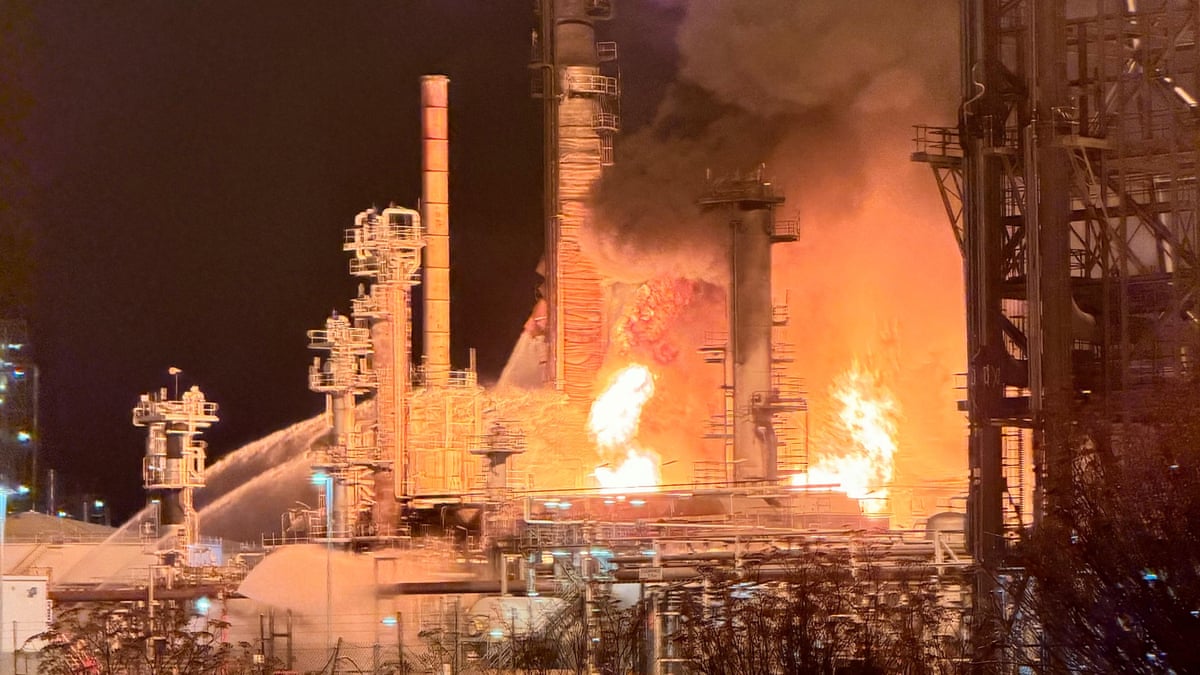
Potential Impact on Fuel Prices and Supply
According to Vlado Vivoda, honorary fellow at the University of Queensland’s Sustainable Minerals Institute, unleaded petrol prices in Victoria could increase by as much as 20 cents per litre. Additionally, more service stations may experience temporary fuel shortages.
“I don’t think there’s going to be an actual shortage, but [oil and fuel] tankers move very slowly … it takes time to bring extra cargos,”
Vivoda added that while Victoria may face localized price spikes and availability issues, national fuel prices and supply should remain stable as other states continue importing fuel to meet their demands.
The refinery processes crude oil into petrol, diesel, jet fuel, and specialty products. These are transported via pipelines or shipping to storage terminals before reaching service stations and commercial customers, including airlines and road transport companies.
Most of the fuel refined at Geelong is consumed within Victoria, supplying about 50% of the state’s petrol, according to David Leaney, a supply chain specialist at the Australian National University.
“There could be a short term price spike and short term availability issues contained to Victoria,”
“It’s going to impact Victorian petrol supply, but we are talking about weeks not months, subject to the repair and re-establishment of supply from the refinery,”
Leaney emphasized the temporary nature of the impact, contingent on the speed of repairs and resumption of operations at the refinery.

Government Response and Market Context
Federal Energy Minister Chris Bowen acknowledged the situation, noting that as a precaution, there would be an impact on petrol production.
The incident occurs amid heightened sensitivity due to a recent surge in global oil prices triggered by the Middle East conflict and ongoing concerns about supply stability.
While Viva Energy operates Australia’s largest fuel and convenience network under the OTR, Reddy Express, and Liberty brands, many stations outside Victoria, including those in New South Wales, rely on imported petrol. Viva also distributes fuel through Shell under a brand licence agreement.
Energy economist Lurion de Mello from Macquarie University suggested that the federal government might need to authorize fuel companies to release additional minimum stockholdings to mitigate price increases, similar to measures taken in March.
“Any extra supply that’s released from the wholesale to the retail level, I think that will definitely help with the prices and so forth,”
De Mello also noted that crude oil shipments destined for the Geelong refinery could be redirected if the facility remains unable to process them into fuel products.
Tracking data indicated that shipments of crude oil from the United States, Argentina, and Algeria were en route to Geelong as of Thursday morning.
Shares in Viva Energy were placed in a trading halt early on Thursday pending an announcement regarding the damage extent and expected disruption to petrol supplies.
Australia’s Refinery Landscape
Australia’s two refineries—the Geelong facility and another in Brisbane operated by Ampol—produce approximately one-third of the nation’s petrol requirements.


