Christchurch Shooter Seeks to Withdraw Guilty Plea
A white supremacist responsible for the killing of 51 people at two mosques in New Zealand is scheduled to appear in court this week to attempt to withdraw his guilty plea.
Australian Brenton Tarrant is currently serving a life sentence without the possibility of parole after admitting to the murder of 51 individuals and the attempted murder of another 40 during the March 2019 attacks on worshippers attending Friday prayers in Christchurch.
Initially, Tarrant denied all charges but changed his plea to guilty a year after the attack. The 35-year-old also admitted to one count of terrorism. He has now filed an appeal, albeit out of time, contending that he was unable to make rational decisions at the time due to "torturous and inhumane" conditions in prison.
In addition to seeking to withdraw his guilty plea, Tarrant intends to appeal his sentence. The hearing will take place at New Zealand's Court of Appeal in Wellington and is expected to last the entire week, with Tarrant anticipated to give evidence via video link.
The massacre, which occurred at Al Noor mosque and Linwood Islamic Centre and was partially live-streamed, led to the enactment of stricter gun laws in New Zealand.
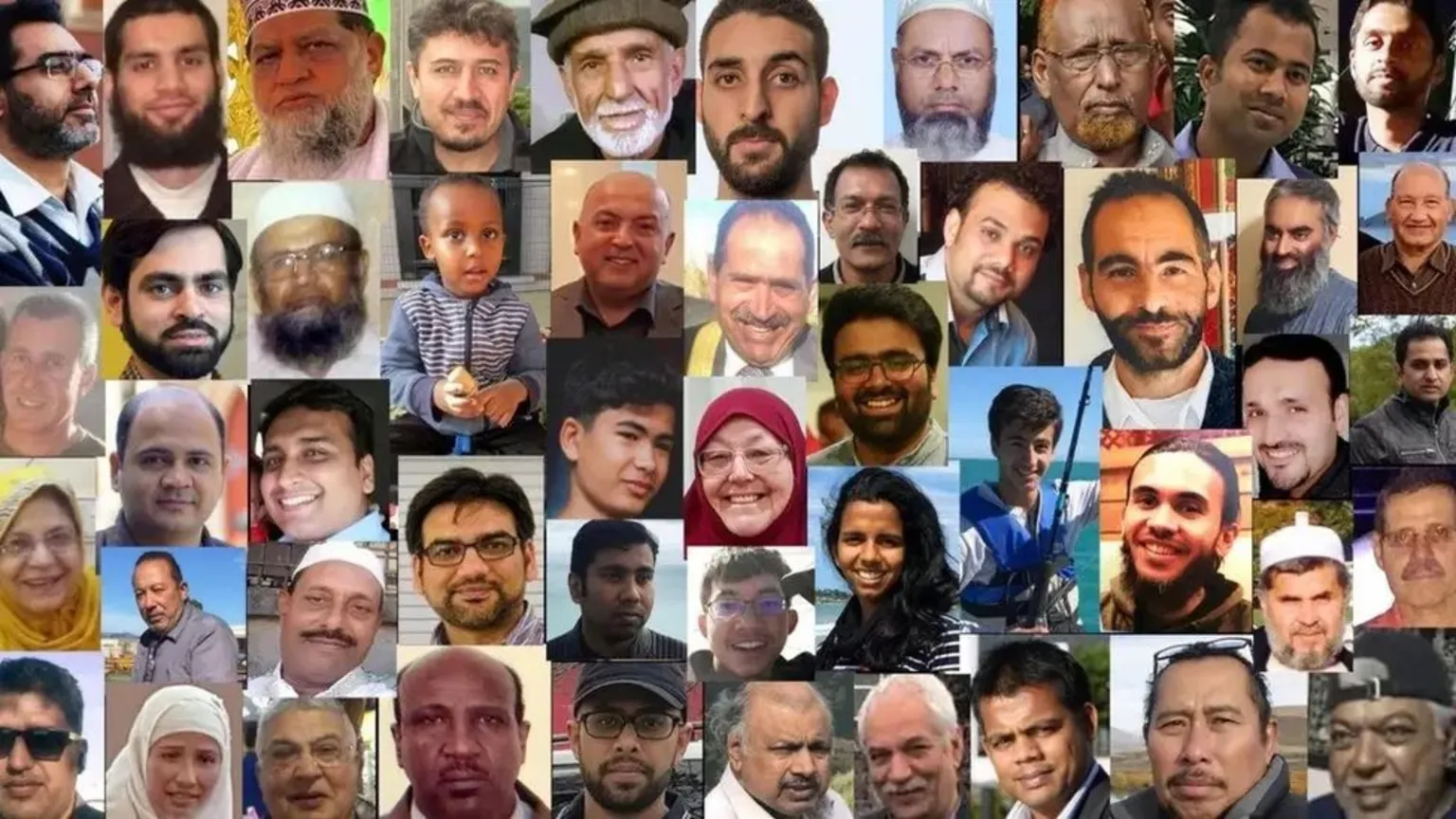
Victims and Families Prepare for Hearing
Victims and family members will have the opportunity to watch the hearing through a delayed broadcast.
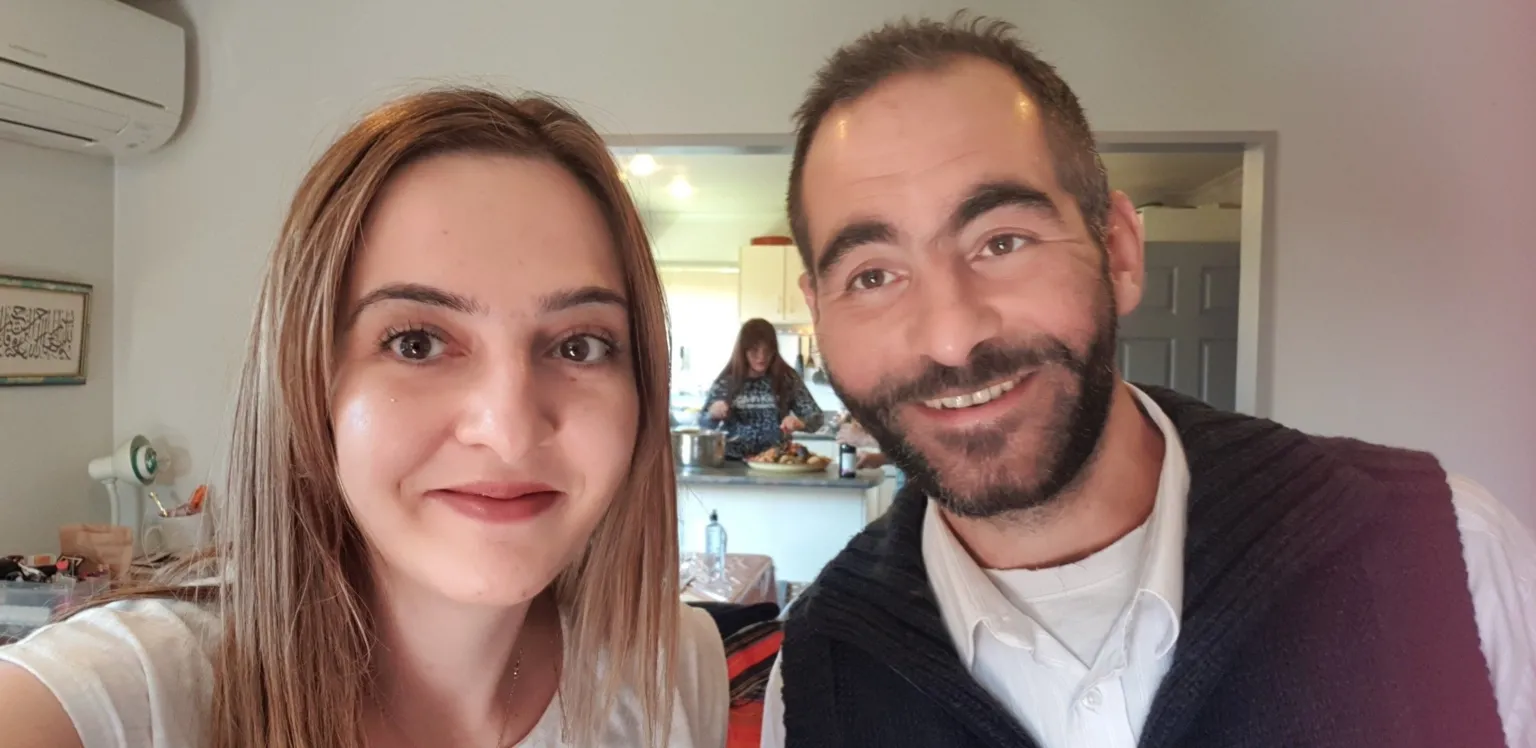
Among those planning to attend is Aya al-Umari, who lost her older brother Hussein in the attack at Al Noor mosque.
"I very distinctly remember that I left court after the sentencing thinking 'Right, the trauma chapter is now closed, time to heal, time to focus on your own mental well-being', but then it pops up again and again,"
al-Umari told the BBC.
She said she is preparing for a difficult week, anticipating seeing the man who murdered her brother on screen.
"It will be just an image that I am looking at, because he means absolutely nothing to me at this stage.

I suspect one of his main motivations to do this is to open up traumas again and I won't let him succeed in doing that - he just wants his limelight and to be relevant again."
Hussein al-Umari was posthumously awarded a New Zealand Bravery Star for confronting Tarrant during the attack.
"He took the right of life of my brother and 50 others, and then we're going to sit through now and talk about the legal arguments of his right to appeal,"
al-Umari said.
"When you place those two together, they are morally not comparable."
Government and Legal Responses
At the time of sentencing in August 2020, then New Zealand Prime Minister Jacinda Ardern stated that life imprisonment without parole ensured Tarrant would have "no notoriety, no platform... and we have no cause to think about him, to see him or to hear from him again."
If the three judges presiding over the appeal court decide to allow Tarrant to withdraw his guilty plea, the case could potentially proceed to trial on all charges. Should the plea withdrawal be denied, a subsequent hearing later in the year will consider his appeal against the sentence.
Background on the Attacker and Aftermath
Brenton Tarrant was born in New South Wales, Australia, and relocated to New Zealand in 2017. Prosecutors have stated that this move marked the beginning of his planning for attacks targeting the Muslim community.
He was active on fringe online forums and had posted a 74-page manifesto online prior to the attack.
The massacre prompted New Zealand to implement stricter gun laws and initiate a buy-back program for certain types of weapons.
Within a month of the shootings, New Zealand's parliament voted overwhelmingly to ban military-style semi-automatic weapons and parts that could be used to assemble prohibited firearms.
The government also offered compensation to owners of newly banned weapons through a buy-back scheme.