Community Iftar in Lakemba Amid Heightened Security
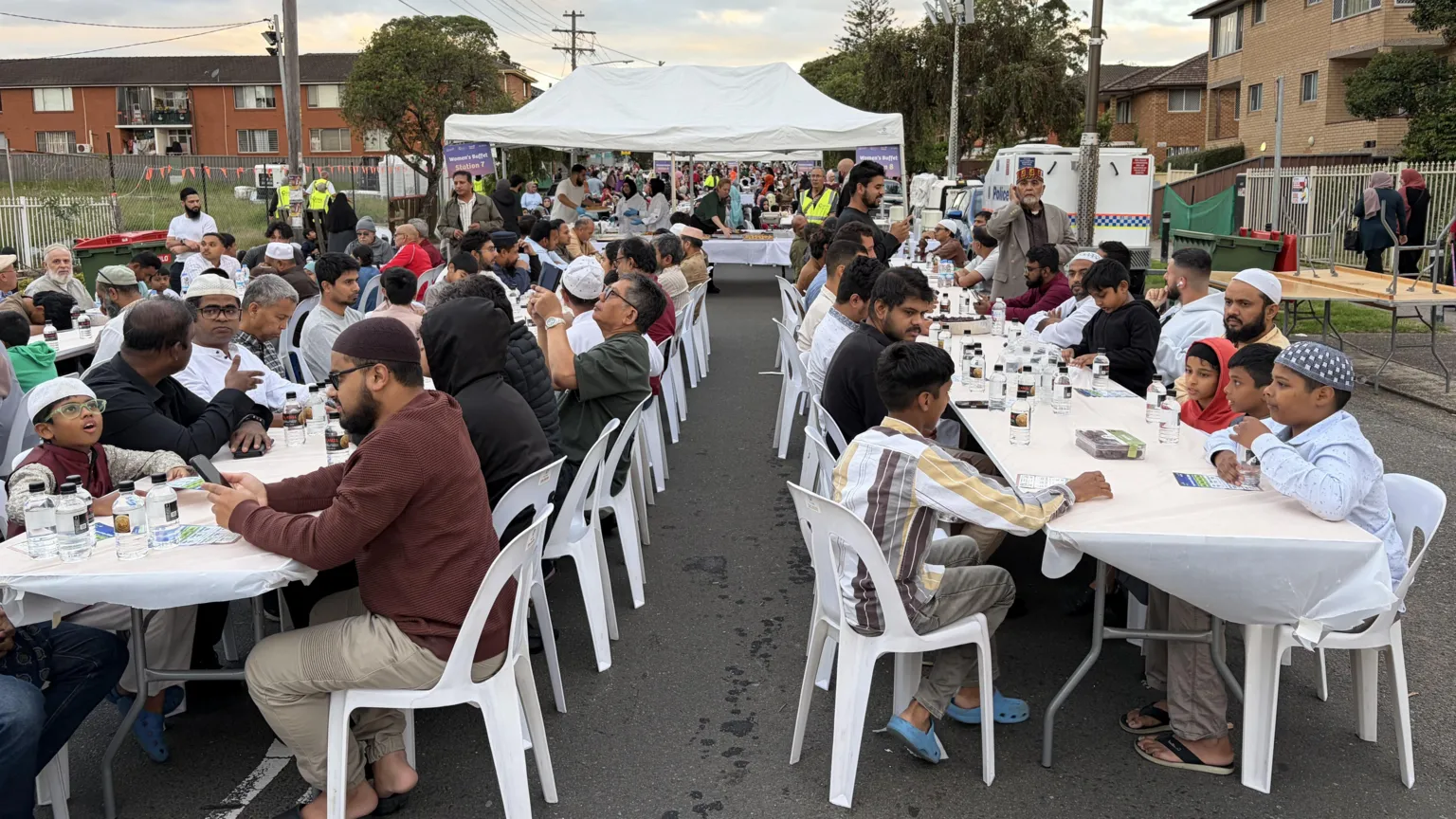
As sunset neared in the south-western Sydney suburb of Lakemba last week, the street outside the Imam Ali bin Abi Taleb Mosque became crowded with thousands of people. Most attendees found seats at numerous trestle tables draped with white tablecloths.
The mosque was hosting a community Iftar, the evening meal that signifies the end of daily fasting during Ramadan.
The tables were arranged in sections, with buffet stations labeled "women" and "men." As the sun set, families shared boxes of dates to break their fast, offering them to neighbors and guests.
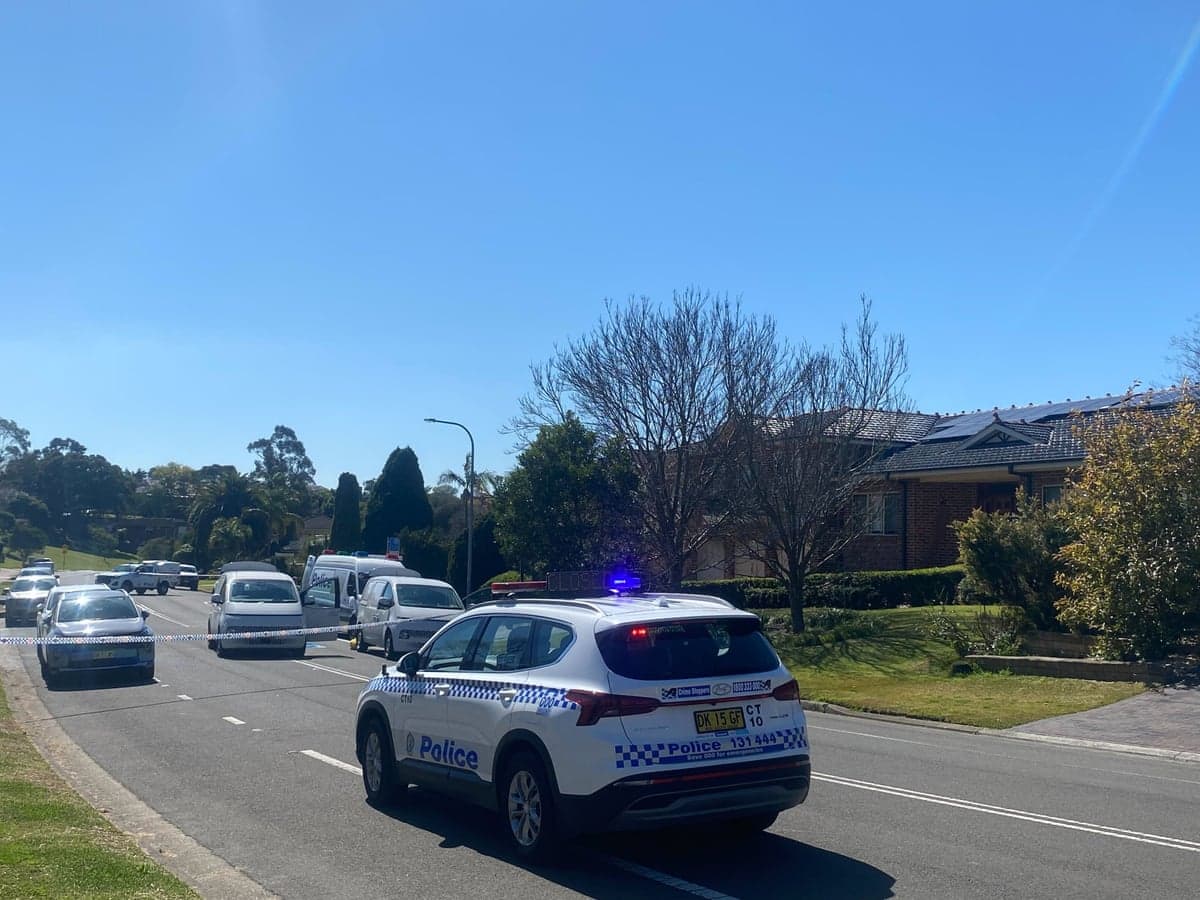
Despite the family-friendly atmosphere, a police surveillance trailer equipped with 360-degree cameras on tall poles was stationed on the road, reflecting community concerns. Following several threats, community leaders requested increased police presence throughout Ramadan and also hired private security.
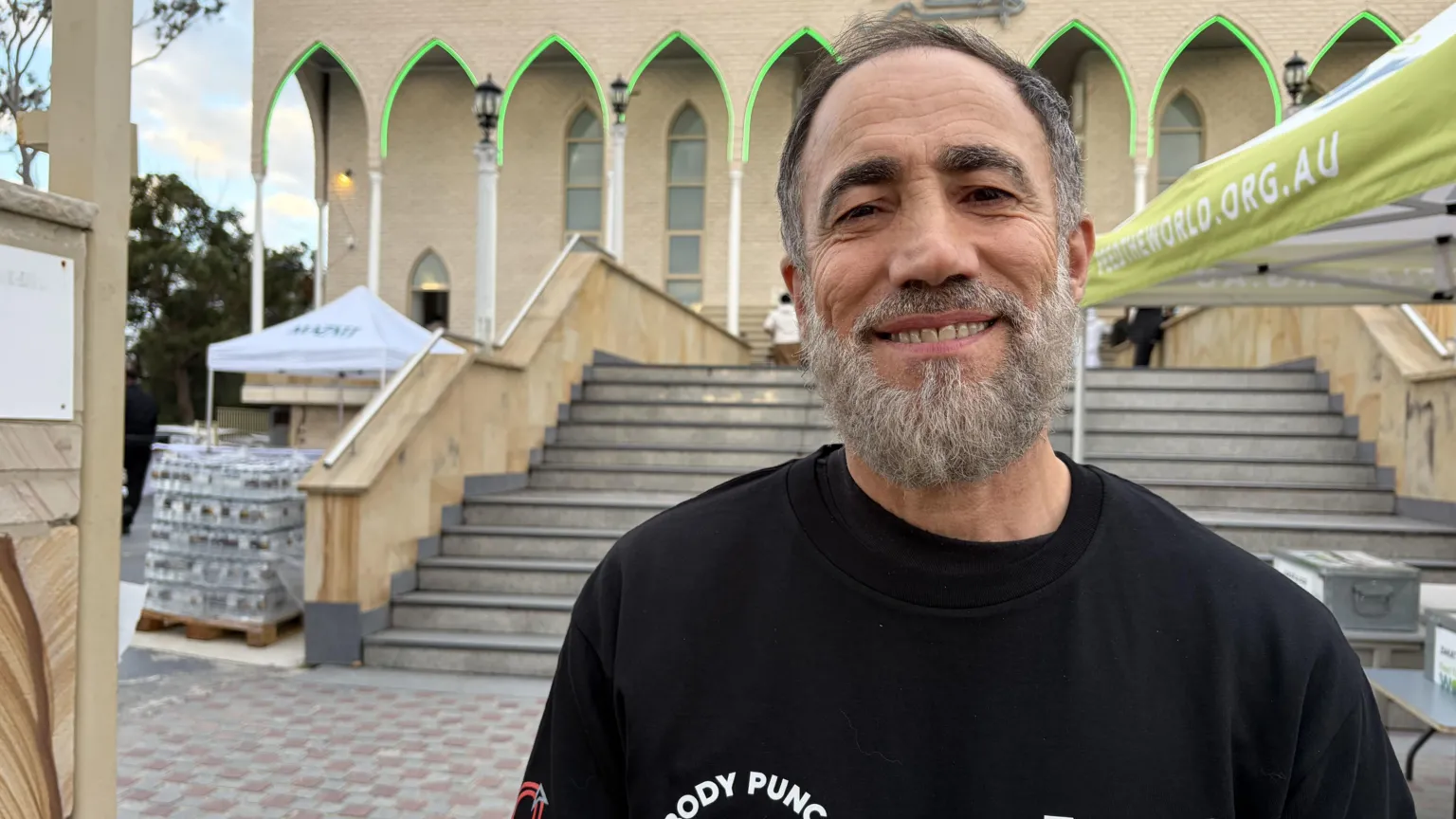
"We are going through very challenging times at the moment for the Muslim community and Australia in general," said Gamel Kheir, secretary of the Lebanese Muslim Association and organiser of the community Iftar.
"If ever there was a need for communities to come together and break bread, I would say this year is more [important] than ever."
Rising Islamophobia and Antisemitism in Australia
Islamophobia incidents in Australia have escalated sharply. According to the Islamophobia Register Australia, threats against Muslims previously averaged about 2.5 cases weekly but surged by 636% following Hamas's attack on Israel on 7 October 2023.
Simultaneously, the Executive Council of Australian Jewry reported that antisemitic incidents have increased nearly fivefold since the same date.
The 2022 Bondi Beach massacre, where two gunmen carried out Australia's deadliest shooting in decades during a public Hanukkah celebration, further intensified fear and hatred. The attack, attributed by police to Islamic State ideology, was deeply traumatic for Australia and its Jewish community. Some Jewish individuals expressed that such violence was a long-anticipated consequence amid rising antisemitism.
Following the massacre, reported Islamophobic incidents rose by 201%, bringing the weekly average to 18 cases.
"We should be alarmed and very concerned – it's really the tip of the iceberg," said Nora Amath, executive director of the Islamophobia Register Australia.
"These numbers are an under-representation of the real issue - there are many, many people who do not report for a number of different reasons."
Community Frustration Evident During Political Visit
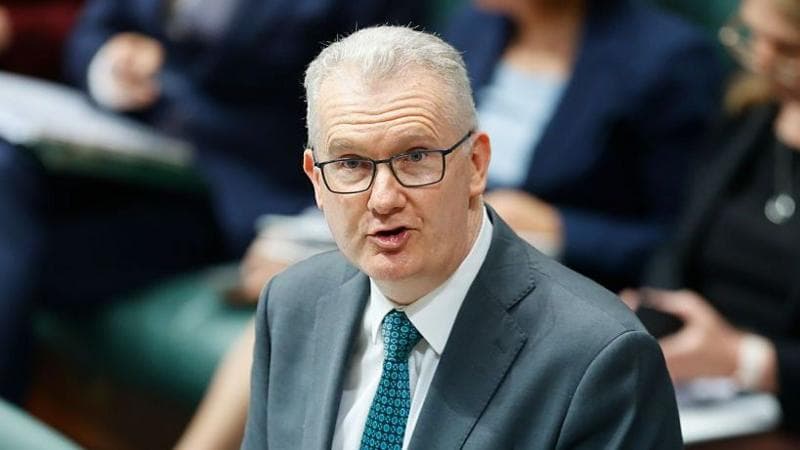
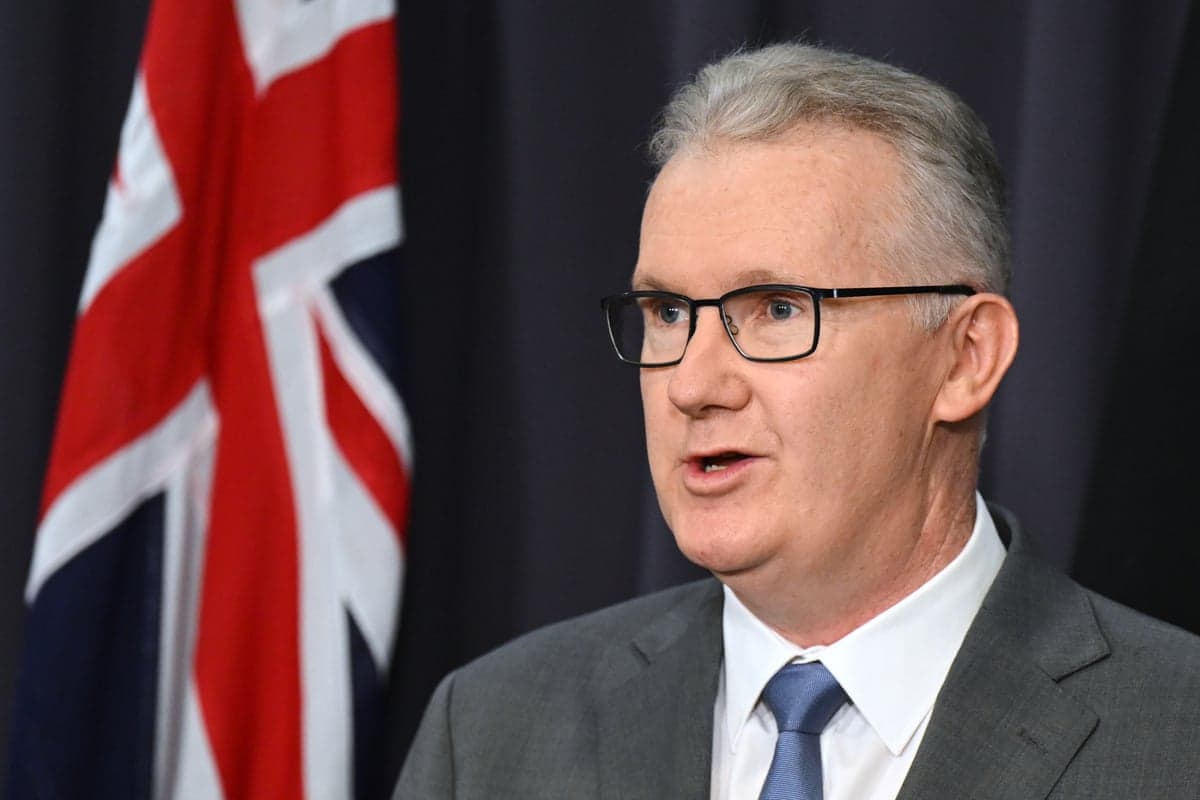
On Friday, feelings of frustration and abandonment within Australia's Muslim community were evident when Prime Minister Anthony Albanese and Home Affairs Minister Tony Burke visited Lakemba mosque to mark the end of Ramadan.
Some worshippers heckled, booed, and accused the politicians of supporting genocide as Kheir read a statement addressing Australia's involvement in the Middle East conflict and its effects on the Muslim community.
Sydney's Islamic Heartland
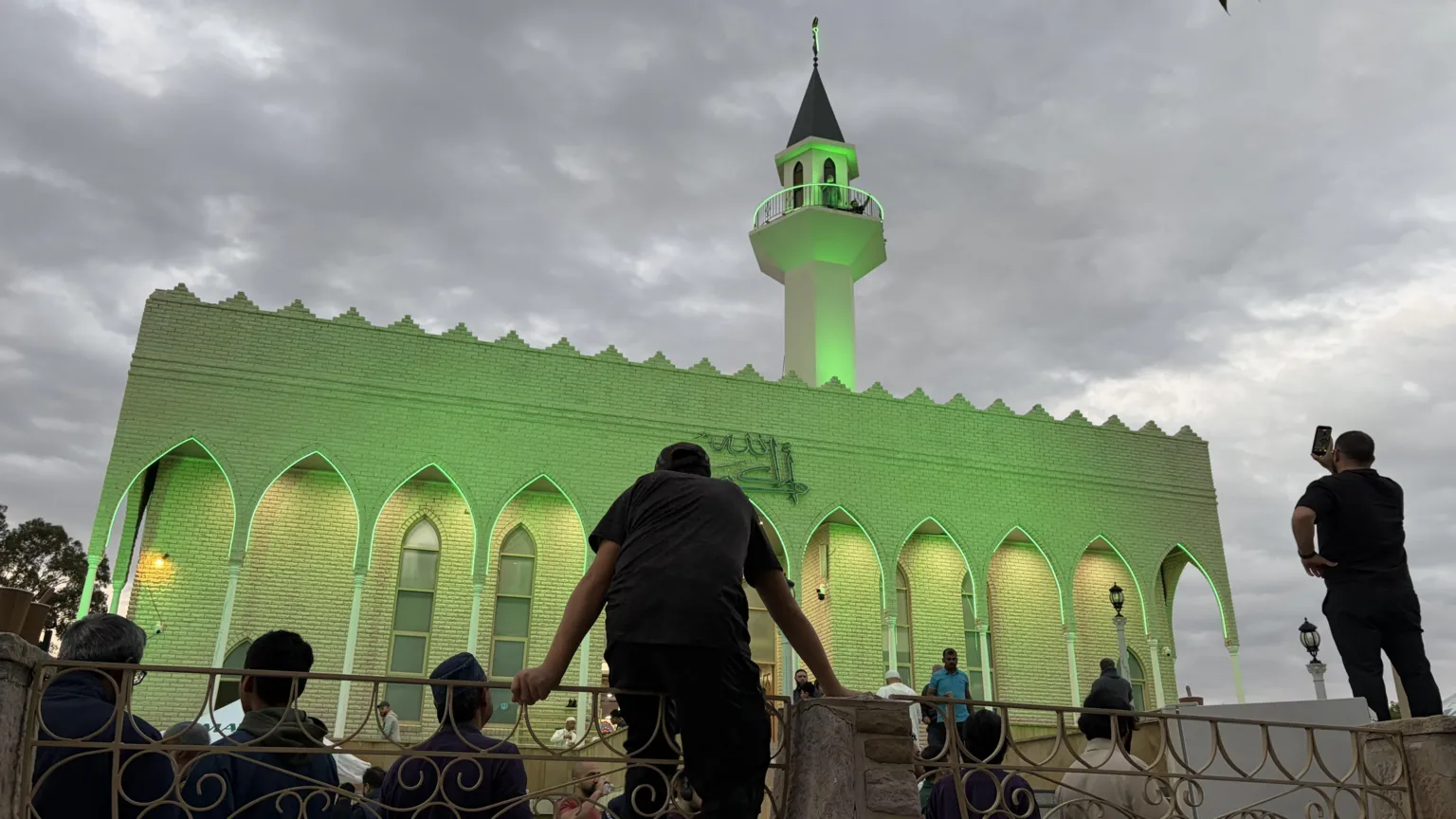
Everyone the BBC spoke to in Lakemba shared personal experiences of anti-Islamic threats or attacks. Lakemba is Sydney's most prominent Muslim neighborhood, with approximately 61% of its population identifying as Muslim according to the 2021 census. The mosque there is among the largest in Australia.
The Lebanese migration during the 1960s established Lakemba as a hub of Muslim culture in Sydney, though the community now includes Muslims from South Asia and other regions.
Dr Moshiuzzaman Shakil, a Bangladeshi doctor residing in the area with his wife, is pursuing a Masters in public health while working as a support worker for disabled clients.
After the Bondi massacre, one of his clients terminated his services upon learning he was Muslim.
"They [asked] me: 'are you a Muslim?' Yes, I'm a Muslim," he recalled. "After the Bondi attack, some people thought Muslims were terrorists."
Within Lakemba, however, Shakil feels secure. The neighborhood offers supermarkets with Middle Eastern and South Asian food and restaurants serving dishes such as Mandi chicken, a popular Yemeni meal, making many immigrants feel at home.
It is also considered a safe space for Australian Muslims concerned about leaving their 'comfort zones'—the areas surrounding Lakemba.
Multicultural Tensions in Australia
Australia officially promotes itself as a migrant nation, with government sources describing it as "One of the most successful multicultural societies in the world." However, the country has a complex history with immigration.

Until 1973, the White Australia policy actively restricted non-white immigration in favor of European migrants. Even after its abolition, immigration issues, particularly concerning asylum seekers, have remained contentious.
The events of 7 October exposed significant fractures in Australia's multicultural ideals. An anti-Israel protest outside the Sydney Opera House on 8 October, where anti-Jewish chants were reported, was condemned by the prime minister and is regarded by the Jewish community as a dark moment for Australia.
A large pro-Palestinian and Middle East solidarity protest was held on Sydney Harbour Bridge the previous year.
While recent attention on antisemitism and Islamophobia focuses on the 7 October attacks and the Bondi incident, another pivotal event often cited is the 2005 Cronulla race riots.
These riots began after two surf lifesavers were assaulted in an incident attributed to men of "Middle Eastern appearance." Calls for retaliation led to a crowd of approximately 5,000 gathering on the beach, attacking individuals believed to be of Middle Eastern descent and pursuing Lebanese passengers at a nearby train station.
"I think this community has been in trauma since the Cronulla riots," said Kheir. "Every time an episode happens now, we sit back and curl into the fetal position thinking, 'oh God, please don't be a Muslim person that just perpetrated that offence'."
Normalization of Racism and Political Impact
Anti-Islam sentiment has intensified over the past three years. In September, the Special Envoy to Combat Islamophobia, Aftab Malik, released a report urging urgent action.
"The targeting of Australians based on their religious beliefs is not only an attack on them, but it's an attack on our core values," said Prime Minister Albanese in response. "We must stamp out the hate, fear and prejudice that drives Islamophobia and division in our society."
Three months later, Jewish individuals were attacked at Bondi, and the prime minister faced criticism for insufficient action against antisemitism.
Meanwhile, rising support for the populist, anti-immigration One Nation Party has placed Albanese and the Labor Party in a difficult position.
In November last year, Pauline Hanson, leader of the One Nation party and Australian senator, wore a burka in parliament to advocate for banning the Muslim garment, resulting in a one-week suspension. Earlier this month, she was censured again by the Federal Senate after questioning whether there were 'good' Muslims.
Community leaders like Kheir argue that politicians such as Hanson have legitimized racism, citing increased threats against his mosque and community.
"We're talking astronomical figures," he said. "We're talking about women being spat on in the street. We're talking about women whose scarves have been pulled off.
"Our Facebook posts used to have five to 10 comments. [Now] we're getting a thousand plus comments of the most bigoted, vile, racist comments. People feel empowered and emboldened because [politicians] like Pauline Hanson have enabled this sort of racism to be rampant and normal."
Experts assert the issue is not addressed with sufficient seriousness.
"Imagine [if Hanson] said the same thing for Jews in Australia – that there are no good Jews in Australia," said Dr Zouhir Gabsi, senior lecturer in Arabic and Islamic Studies at Deakin University and author of Muslim Perspectives on Islamophobia: From Misconceptions to Reason. "There would be a huge backlash."
Kheir agrees not enough is done to rein in racism.
"The fear that I have is Pauline Hanson and her dog whistling has such an effect on the Labor and Liberal Party that they are too scared to take the defence of the Muslim community, because it's political suicide for them," he said. "So we're left to fend for ourselves."
Cumulative Impact of Islamophobic Incidents
Earlier this month in Ballarat, a man identifying as "far-right" allegedly threatened children outside a community hall where Muslims were having Iftar. He then entered the hall and verbally abused attendees with racist remarks. Controversially, he was not immediately arrested and has not been charged.
Days later in the same city, another man racially abused pharmacy staff, yelling Islamophobic and racial slurs including "go back to where you came from."
According to Malik, these incidents collectively reinforce a perception that Muslim identity is unwelcome and excluded from Australia's social fabric.
"Each impact reinforces a sense that Muslim identity is not welcome, nor part of Australia's social fabric," he said during a speech marking the UN International Day to Combat Islamophobia. "This has the immense danger of reducing institutional legitimacy and fraying social cohesion."
Community Resilience and Hopes for Australia
Back in Lakemba last week, Kheir was calmly managing the large Iftar event, coordinating with caterers as they replenished dishes such as falafel, fattoush, chicken, and rice. Once sunset arrived and prayers were called, queues formed quickly and the food supply was exhausted.
Throughout the evening, Kheir remained composed despite the scale of the task.
"'The fair go for all' was the motto for Australia," he said. "Sadly, I believe Australia is going down the path of most Western countries where you're having this identity crisis; where the predominant race back 50, 60 or 100 years ago is trying to reassert itself at the cost of the minorities."
Regarding Australia's ideal of diversity, many in the Muslim community feel it is a lost concept.
"Multiculturalism is a politician's word," said Dr Zouhir Gabsi.
"Multiculturalism in Australia is good when you share a meal, but when you apply for a job, you always remain a migrant."