Expansion of Space Operations Amid Strategic Challenges
The Australian Defence Force (ADF) is expanding its space operations workforce by advertising two new specialist roles within its space command. This development occurs as the ADF faces what Defence Minister Matt Keogh describes as the "most challenging strategic environment since the second world war." The new positions include an operations officer responsible for planning and mission support, and an operations specialist with expertise in equipment.
Space command has been formally recognised as a critical defence domain, standing alongside traditional domains such as air, land, sea, and cyber operations.
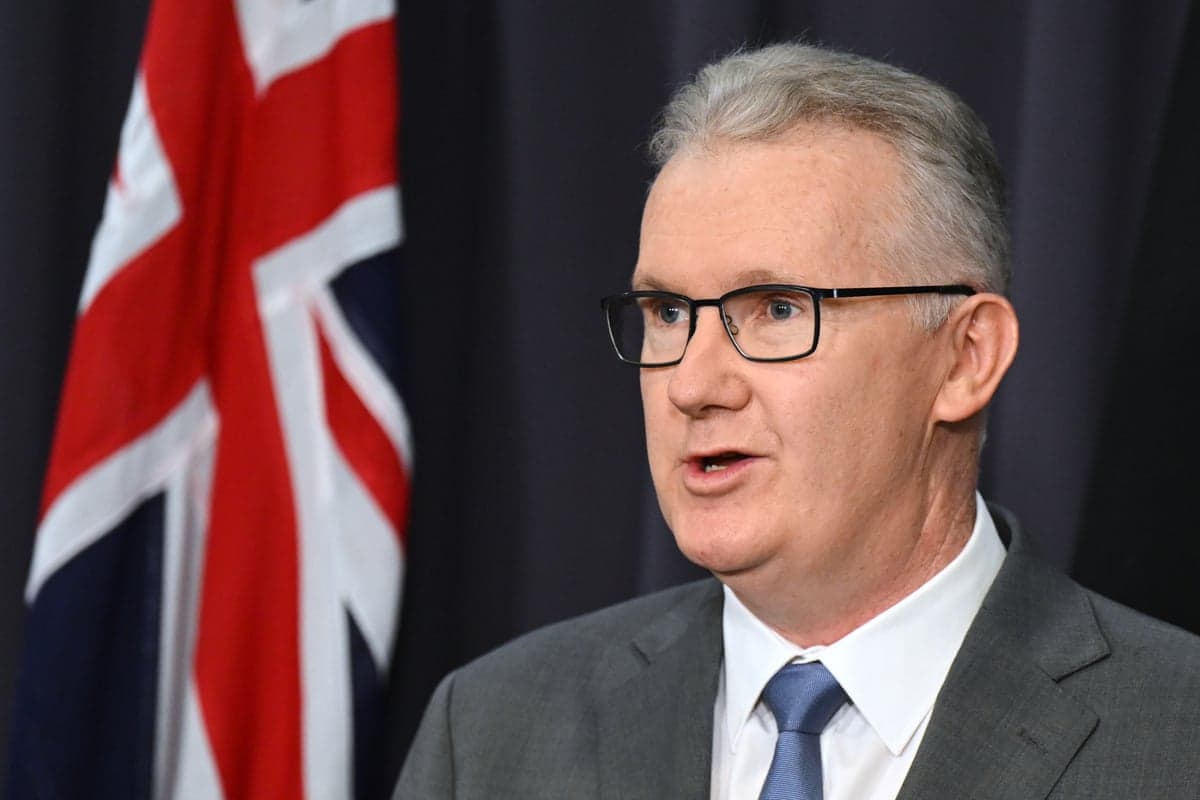
“One small step into space operations means a giant leap in capability for our ADF,” Matt Keogh, the minister for veterans affairs and defence personnel, said.
“These exciting new roles will grow the ADF’s capabilities in space operations, a critical domain as we respond to the most challenging strategic environment since the second world war.”
The ADF’s official website highlights the reliance on space systems and information for various functions including meteorology, communications, intelligence, surveillance, reconnaissance, targeting, positioning, navigation, and timing.

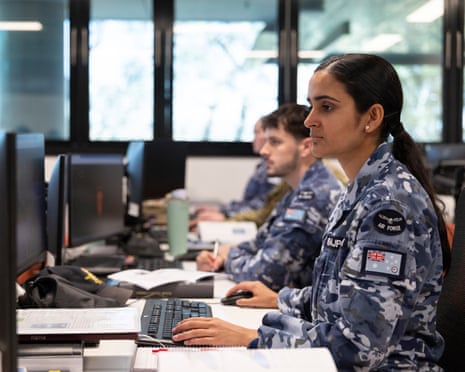
Specialist Training at the Florence McKenzie Building
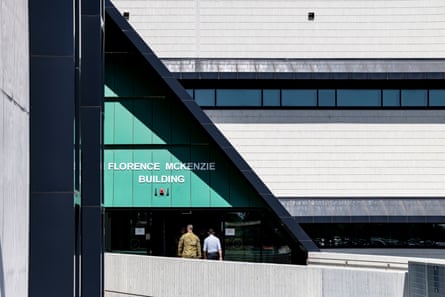
Successful candidates for the new space command roles will undertake specialist training at the Defence Space and Cyber School located at HMAS Harman in Canberra. This training will take place in the newly constructed Florence McKenzie Building, named in honour of Australia’s first female electrical engineer and a pioneer in modern signalling technologies.
Notable Astronaut Selection Highlights National Space Ambitions
The announcement of the expanded space workforce follows the recent selection of astronaut Katherine Bennell-Pegg. Bennell-Pegg is the first Australian to qualify as an astronaut under the national space program and is also the country’s first female astronaut. She serves as a flight lieutenant in the Royal Australian Air Force.
Bennell-Pegg has cited inspiration from astronauts Paul Scully-Power and Andy Thomas, who were raised in Australia but travelled to space as United States citizens during the 1980s, 1990s, and 2000s.
“When I received my blue flight suit, and right there, bright on the left shoulder was the Australian flag, it was quite emotional, because it marked something so much greater than myself,” she said during her acceptance speech at a ceremony in Canberra.