Australia to Join International Effort in Strait of Hormuz
Australia will deploy a high-tech military aircraft to participate in a multinational mission aimed at reopening the strait of Hormuz, a critical shipping channel near Iran. The Labor government has also left open the possibility of contributing additional military assets to the Middle East region.
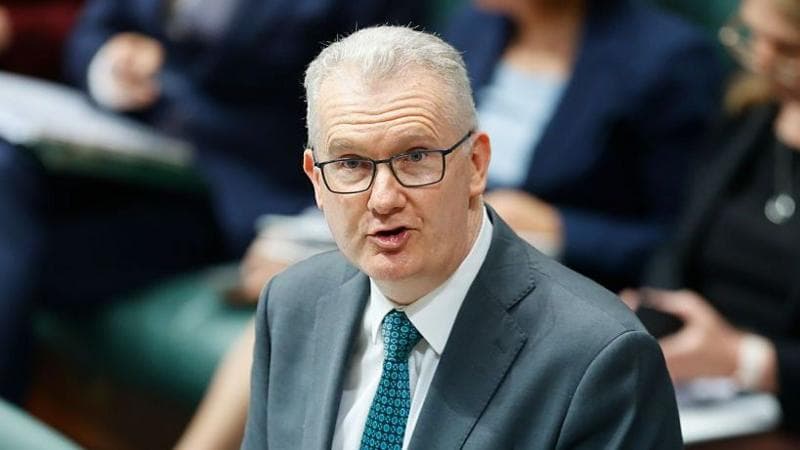
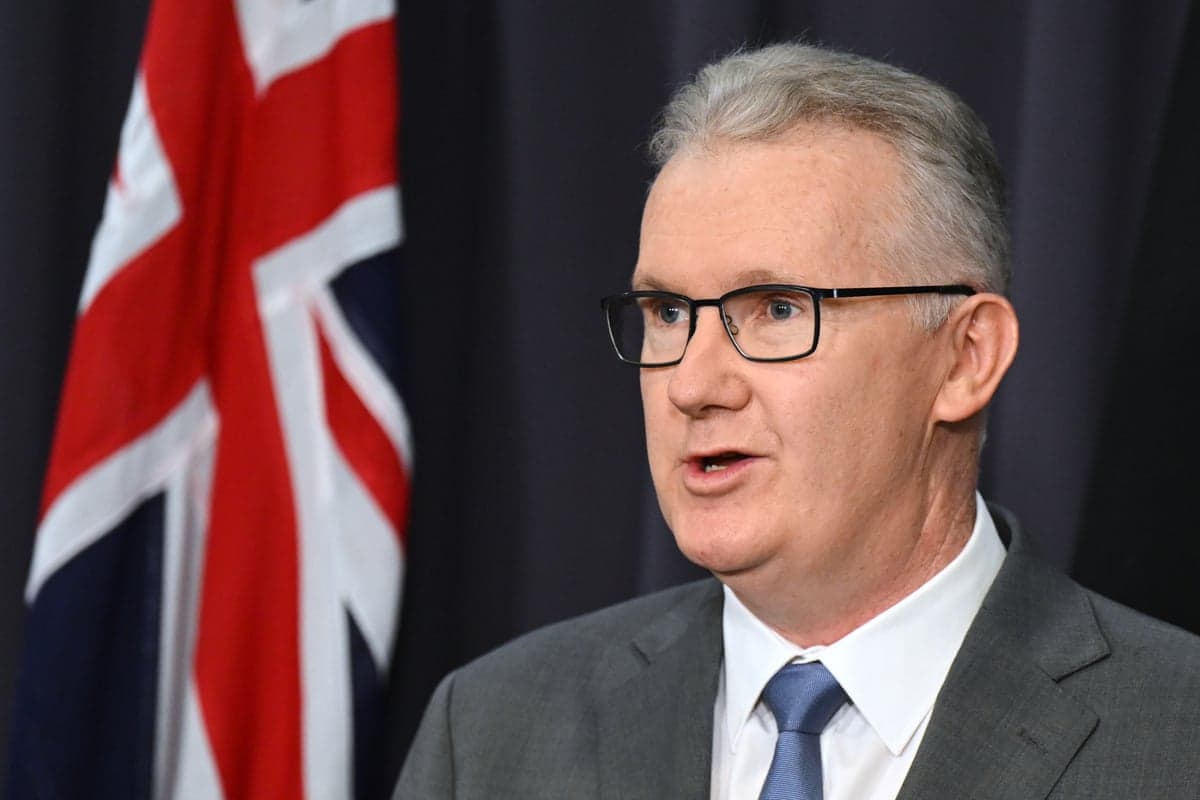
Defence Minister Richard Marles attended an overnight meeting with defence ministers from 40 countries to discuss coordinated global efforts to restore freedom of navigation through the strait, which has been closed or heavily restricted since the US-Israel offensive began in February.
"The meeting had resolved to back ‘collective diplomatic, economic and military capabilities to support freedom of navigation through the strait of Hormuz.’"
Marles stated that Australia is prepared to support an independent and strictly defensive multinational military mission, led by the United Kingdom and France, once it is formally established.
"Australia stands ready to support an independent and strictly defensive multinational military mission, led by the United Kingdom and France, once it is established," Marles said.
"Our intention is to contribute Australia’s world-leading E-7A Wedgetail aircraft to this defensive effort."
Later on Wednesday, Marles informed parliament that discussions with the UK and France are ongoing regarding additional ways Australia can contribute to the mission.
Deployment of the E-7A Wedgetail
The E-7A Wedgetail surveillance aircraft, accompanied by approximately 85 Australian Defence Force personnel, was deployed to the Gulf in March. The Australian government has described the deployment as defensive, aimed at protecting Gulf nations from potential Iranian attacks.

The Wedgetail has been providing intelligence and surveillance data to the Combined Air Operations Centre in Qatar. Although initially deployed for a four-week period, its deployment has already been extended once and is expected to continue for an extended duration. Prime Minister Anthony Albanese told Australia in April that the aircraft’s presence in the region would persist.
Additional Military Support and Regional Context
In March, the Australian government announced it would supply advanced medium-range air-to-air missiles (Amraams) to the United Arab Emirates (UAE). The federal budget released on Tuesday allocated $6.6 million in 2025–26 for this purpose, specifying the missiles are for use in self-defence.
The Wall Street Journal reported that the UAE had conducted strikes, including targeting a refinery on Lavan Island in early April.
Australia operates several Wedgetail aircraft, and it is understood that the same Wedgetail currently in the UAE could be redeployed to the strait of Hormuz if necessary.
"While this platform [the Wedgetail] is already doing work in the region, providing this capability would make a valuable contribution to the multinational mission and efforts to secure freedom of navigation in the strait of Hormuz," Marles said.
"We want to see this conflict end, the strait of Hormuz open and freedom of navigation resume. The longer this conflict goes on the more significant the impact on Australia will be. Our government is doing all we can to shield Australians from the impacts."
Parliamentary Statements and Strategic Considerations
During question time in parliament, Marles emphasized the necessity of a defensive military mission to safeguard freedom of navigation in the strait.
"The conflict in the Middle East has highlighted the volatile nature of the world in which we live. The acute pressure which is being placed upon the global rules-based order, and the impact on Australia, our region and the world of disrupted sea lanes of communication," he said.
"Looking forward, this is really our most consequential stake risk: that a future adversary would seek coerce Australia by those disrupting sea lanes."
The federal budget announced on Tuesday included a significant increase in defence spending, totaling $53 billion over the next decade. This announcement came shortly before the government indicated plans to reduce funding for the national disability insurance scheme.