LPG Cars Offer Affordable Fuel Option Amid Rising Prices
Carl Camilleri is among a shrinking group of Australian drivers who own vehicles powered by liquid petroleum gas (LPG). As petrol and diesel prices soar, LPG cars are evoking a sense of nostalgia within the Australian automotive industry.
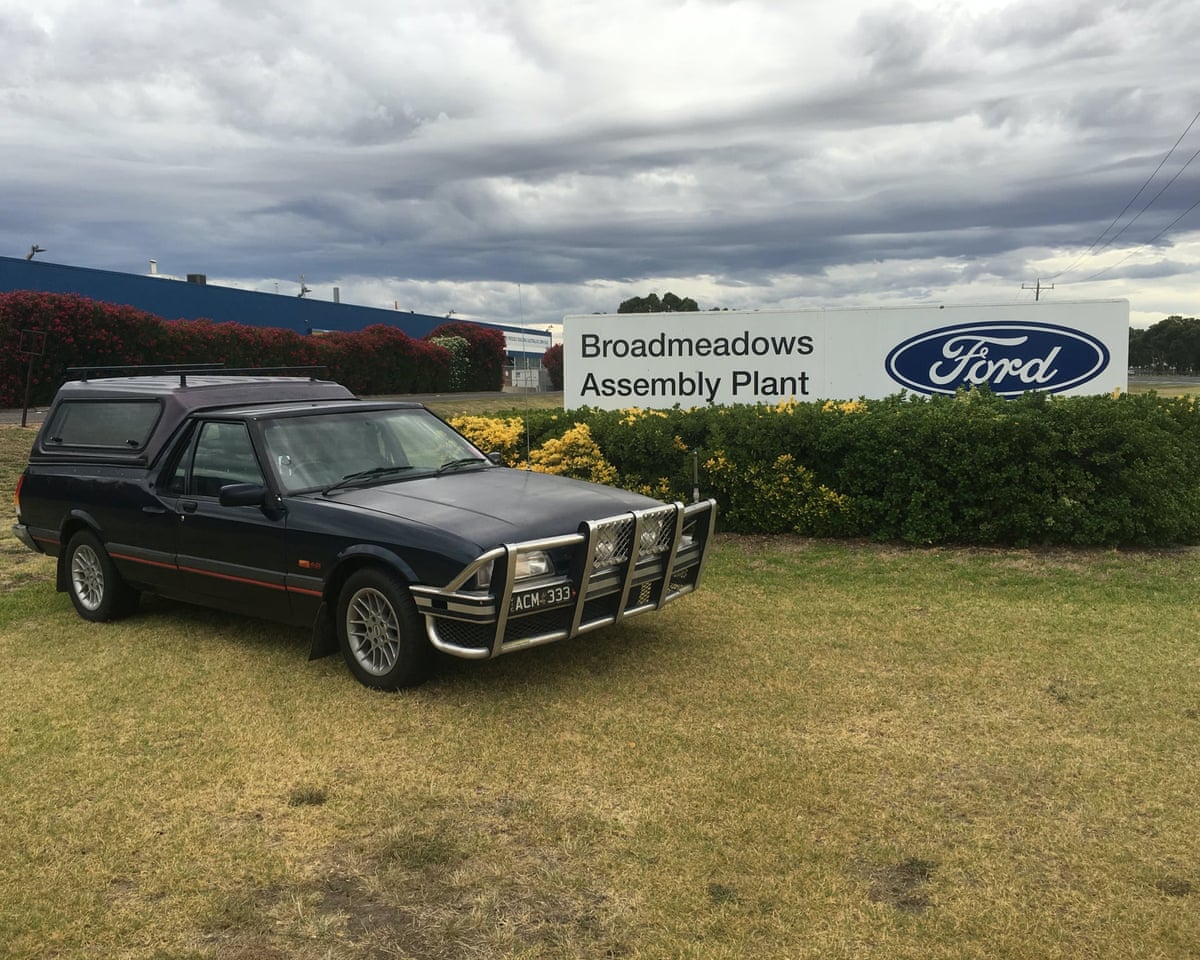
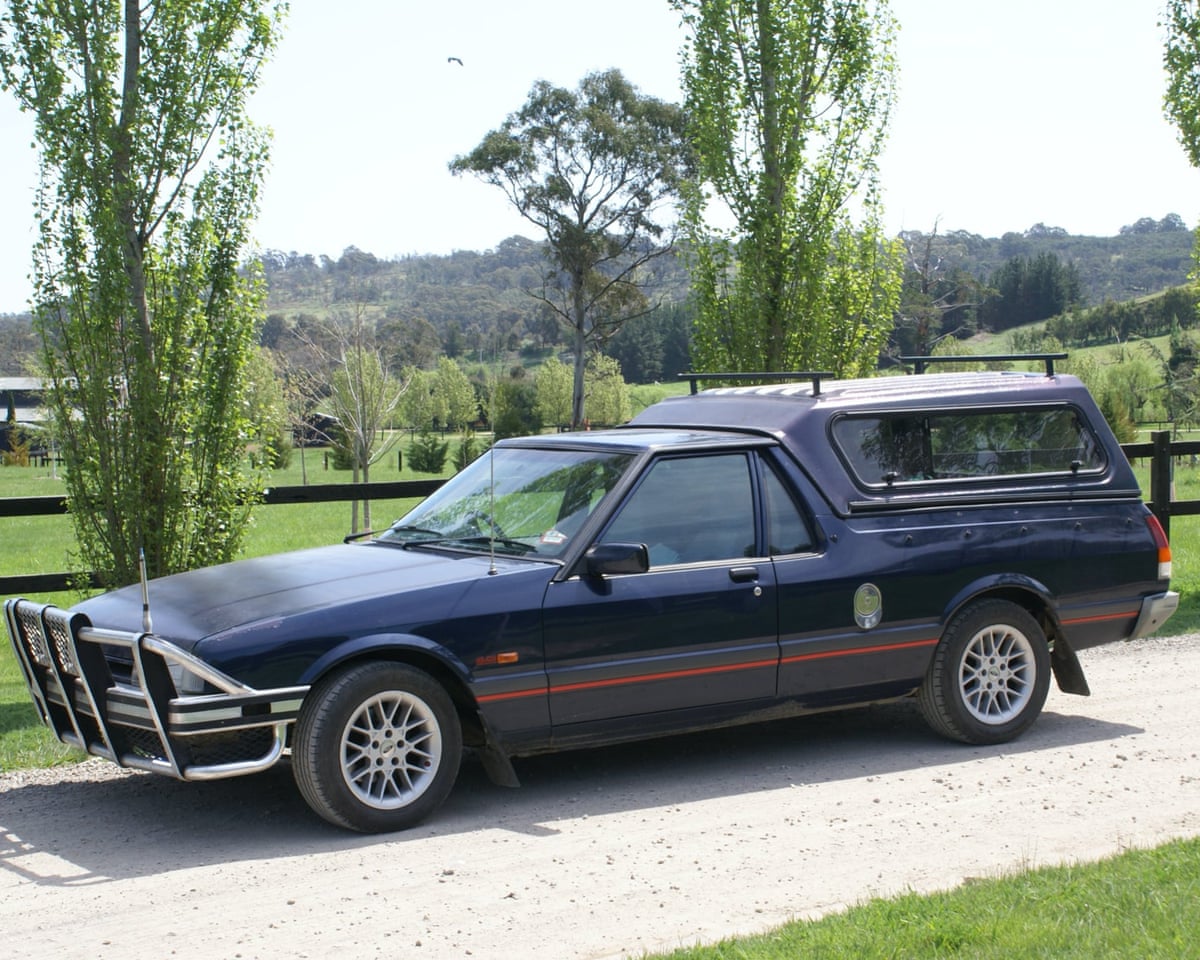
When Camilleri refuels his Ford Falcon XR6 Mark II, he pays just over 70 cents per litre. Filling the approximately 85-litre tank costs around $60, and with daily driving, the fuel lasts him two to three weeks in urban areas.
“You can see why I love this car,” Camilleri says.
LPG is a fossil fuel made up of propane and butane compressed into liquid form. While it may not attract as much attention as electric vehicles regarding environmental benefits, LPG-powered cars emit fewer pollutants than traditional petrol or diesel vehicles.
Camilleri purchased his Falcon in 2013 for $28,000. At that time, there were about 500,000 LPG vehicles on Australian roads. This number has since declined significantly. However, the recent fuel crisis triggered by conflict in the Middle East has increased demand for LPG vehicles. At a service station, another motorist recently offered Camilleri over $20,000 for his car, an offer he declined.
“It’s become quite the blast in the Australian car industry recently, being one of the last of the perfect, Australian-made vehicles left around,” Camilleri says.

Decline and Resurgence of LPG Vehicles
LPG car sales peaked in the early 2000s, supported by government subsidies for factory installations and conversions. From 2014 onwards, the removal of subsidies and the end of local car manufacturing—where LPG tanks were factory-fitted—led to a sharp decline in LPG vehicles. By 2025, only about 200,000 LPG cars remained on Australian roads, according to industry data.
Despite the decline, enthusiasts remain committed to LPG vehicles.
Camilleri’s daughter calculated that after driving over 178,000 kilometres, he has saved nearly $20,000 in fuel costs.
“The car almost paid for itself,” Camilleri says.
Camilleri recalls a trip from his home in Point Cook to Deniliquin and back on a single tank, covering 660 kilometres with a full load of passengers and luggage.
“I remember watching the gauge all the time, 660km, and that was with a boot-load of clothes and three people in the car; it was pretty cool.”
He also praises the vehicle’s towing capacity, using it to haul a boat and caravan across Australia. His Falcon features a factory-installed LPI system, which injects LPG directly into the engine as a liquid rather than a vapour, enhancing efficiency and power.


Challenges of LPG Ownership
Despite benefits, LPG ownership has drawbacks. The most significant challenge is locating refuelling stations.
LPG sales have declined, and the number of service stations offering LPG has dropped to approximately 406 nationally, with 79 in one state and 37 in another.
Stuart Brown founded a Facebook community for LPG users after his wife experienced difficulty finding LPG fuel while visiting Tasmania.
“She was visiting Tasmania in an LPG car and was having trouble finding gas … as the problem persisted, I was thinking this is ridiculous. I thought, well, maybe we’d make and grow our own group.”
The group has grown to over 6,000 members, many joining due to the current fuel crisis.
“In the last month the group’s exploded because people are remembering that LPG is cheaper … seeing it’s not going up in price, so they’re coming back to it,” Brown says.
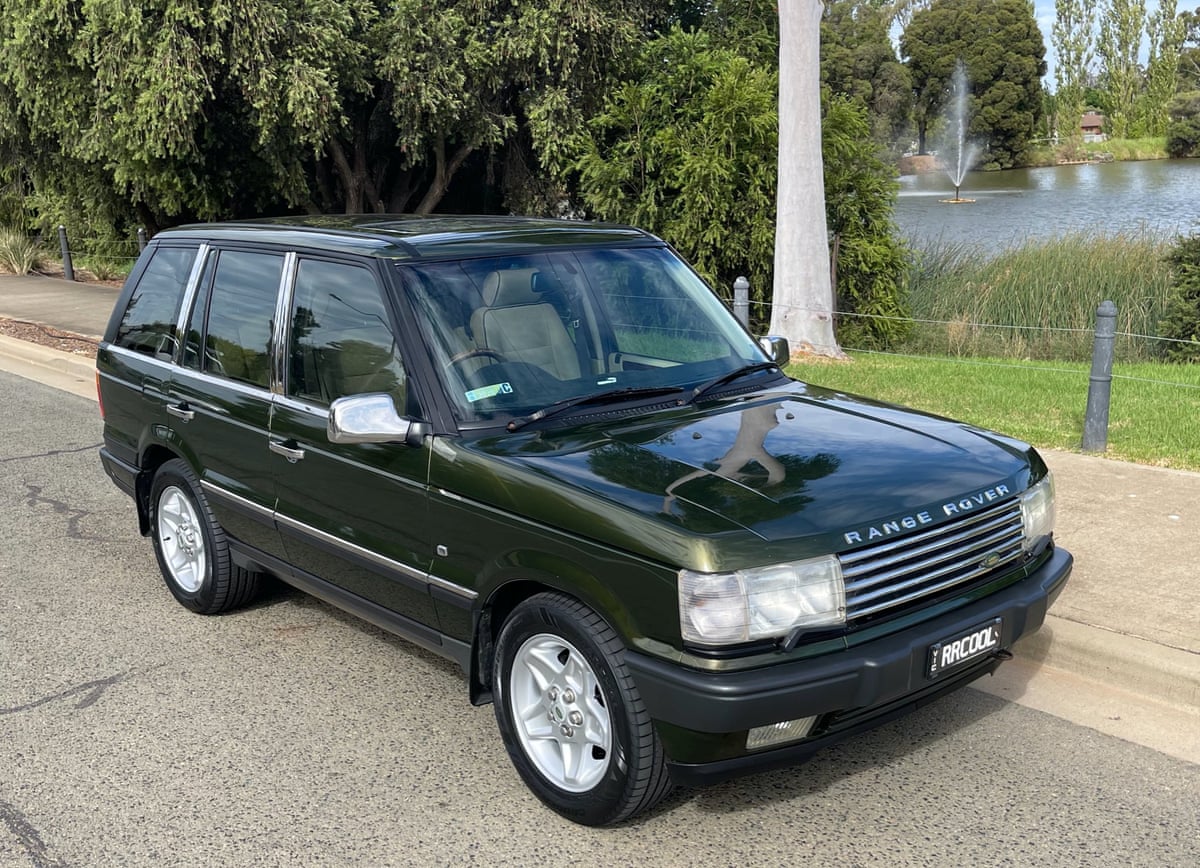
Brown and his wife own two LPG mid-1990s Falcon utes and a 1998 LPI Range Rover.
“The Range Rover has clocked more than 400,000km. It is in immaculate condition and still goes like a ‘freight train’,” Brown says.
Brown highlights the lack of government and motoring organization support as key issues for LPG owners.
“Despite the fact we are basically using an Australian fuel manufactured in Australia that’s cheap and plentiful and clean, it’s this obsession with net zero that is holding LPG back.”
Other options for LPG vehicles include conversion kits, which vary in type such as LPDI and LPI. These involve installing an LPG storage tank, usually in the boot or under the floor, often requiring a 4WD or commercial vehicle. A converter then changes the liquid gas into vapour and regulates the process.
Conversions should be performed by qualified mechanics and typically cost between $1,500 and $4,500, according to Repco.
The NRMA advises LPG car owners to plan journeys carefully to ensure refuelling stations are available along their routes.
Brown’s advice for prospective LPG owners is clear:
“Make sure there’s gas near you and … be prepared to educate people on the fact that it’s Australian and cheap and clean.”