Escape and Reunion
On Christmas Eve 2020, Geumseong answered his phone with apprehension. The previous year, he had undertaken a dangerous journey from North Korea to South Korea, navigating an international underground network of safe houses and brokers. When his mother's voice finally came through, she sobbed, asking,
"Geumseong, Geumseong, can you see me?"
Geumseong quickly reassured her,
"Mum, I'm doing well and I'm not sick."
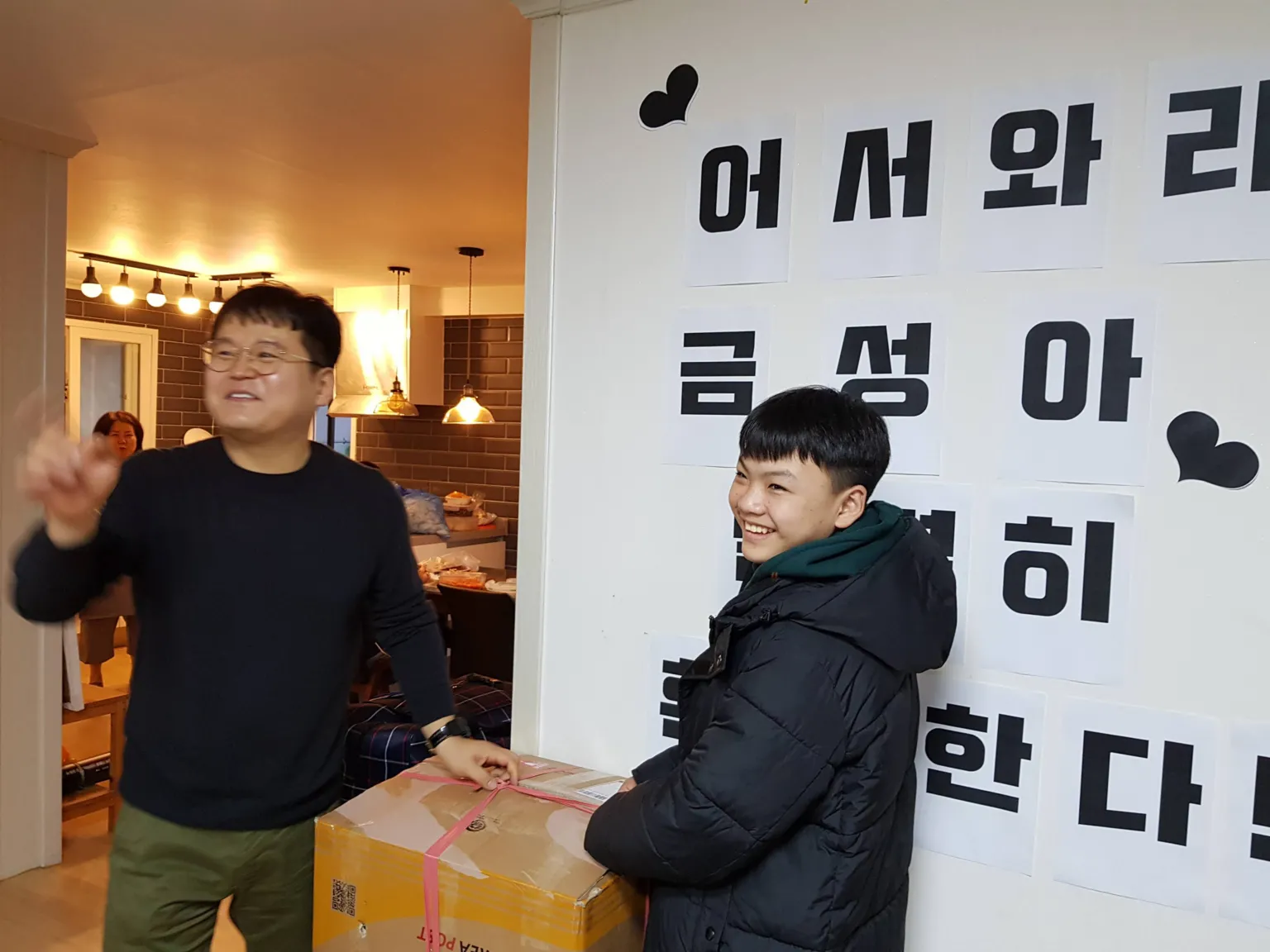
The relief at seeing her face was immense. Eunhee remarked on the time passed and how she barely recognized him. Proudly, Geumseong showed he was now taller than his mother and even displayed his teenage acne to make her laugh. He then gave her a virtual tour of his new home in Seoul, South Korea, exclaiming,
"The house has three floors, it's really big! It even has a piano."
Until age 15, Geumseong lived with Eunhee in a North Korean village near the Chinese border. He is reserved about their past but acknowledges it was extremely difficult. He recalled,
"When she did difficult work, I helped her. Sometimes when she was overwhelmed and exhausted, we cried together. That is how we lived."
Their life was one they risked everything to escape.
Separation at the Border
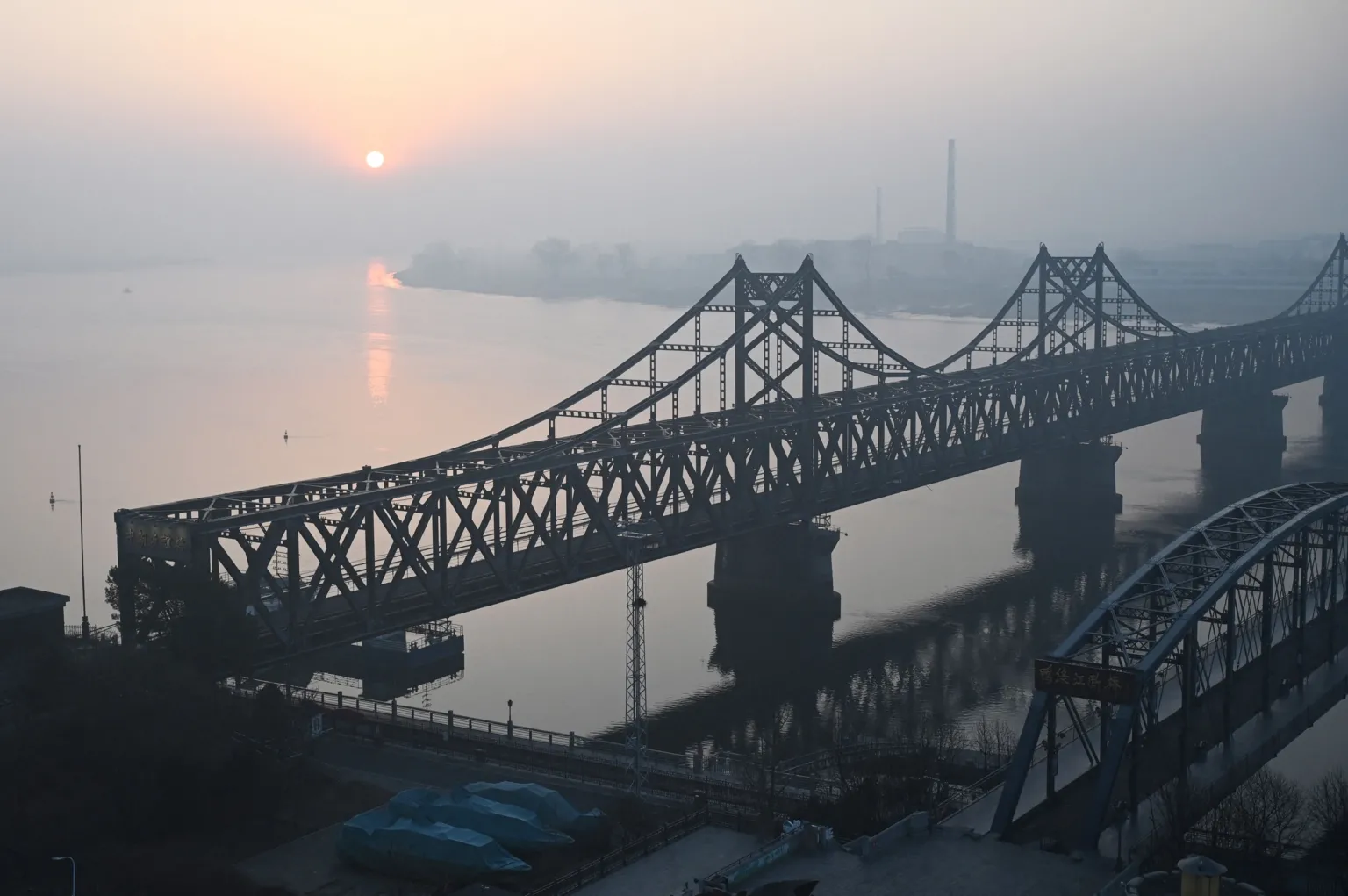
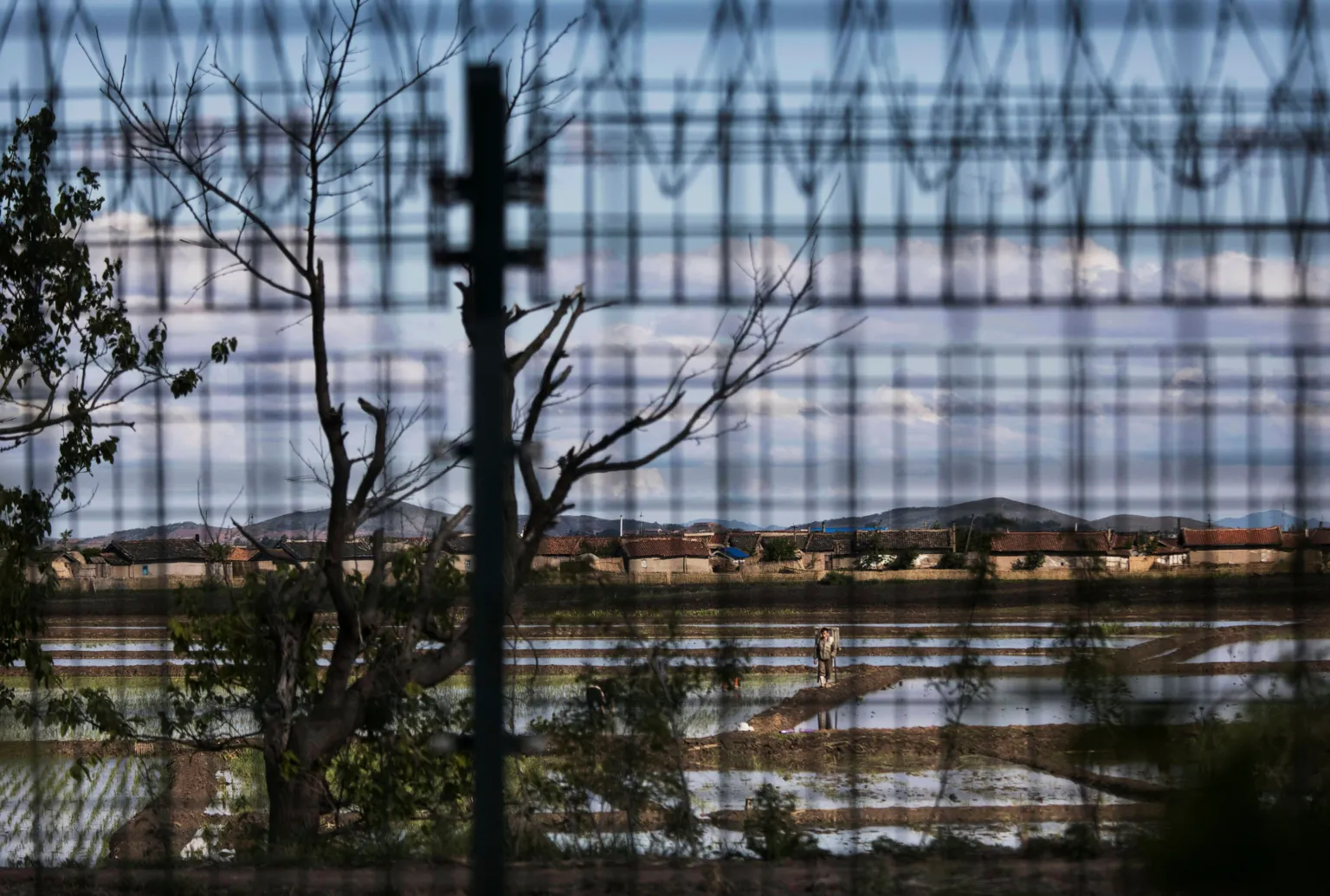
The last time Geumseong saw Eunhee was in June 2019 on the banks of the Yalu River, which divides China and North Korea. This border is heavily fortified with electrified fences and guard posts every few hundred meters.
After crossing safely into China, Eunhee revealed the sacrifice she had made: she would be sold as a bride to a Chinese man. This practice has affected tens of thousands of North Korean women since the 1990s. In exchange, the broker arranged for Geumseong to travel approximately 4,000 km (2,500 miles) to the Chinese border with Thailand, passing numerous checkpoints and surveillance.
Over the decades, about 30,000 North Koreans have undertaken this perilous journey through China to South Korea seeking a better life. Those caught face torture, forced labor in prison camps, sexual assault, and sometimes execution upon return, according to human rights organizations. The North Korean regime considers defectors enemies of the state.
Geumseong was devastated to learn he would be separated from his mother. They parted quickly to avoid detection by border guards. After an arduous nearly two-month trek through Thailand, Geumseong reached Seoul.
Current Crisis
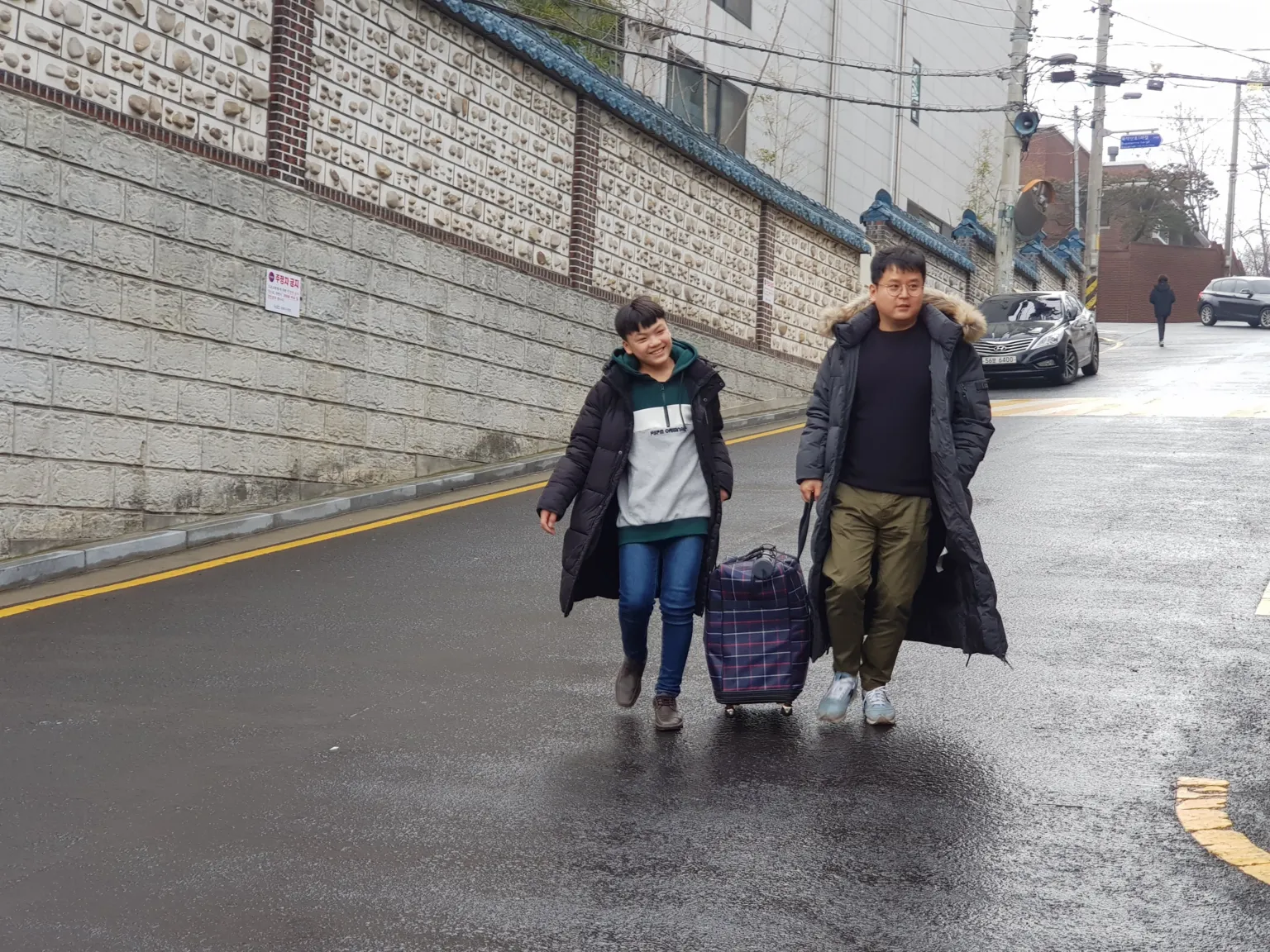
It has been six years since their separation. Now, Eunhee is imprisoned in China after attempting to leave to reunite with Geumseong in Seoul. He fears she will be forcibly repatriated to North Korea, where he believes she could die in prison.
UN human rights experts have reported two women executed after repatriation in October 2023. Rights groups estimate that up to 1,000 people have been forcibly returned from China to North Korea since then.
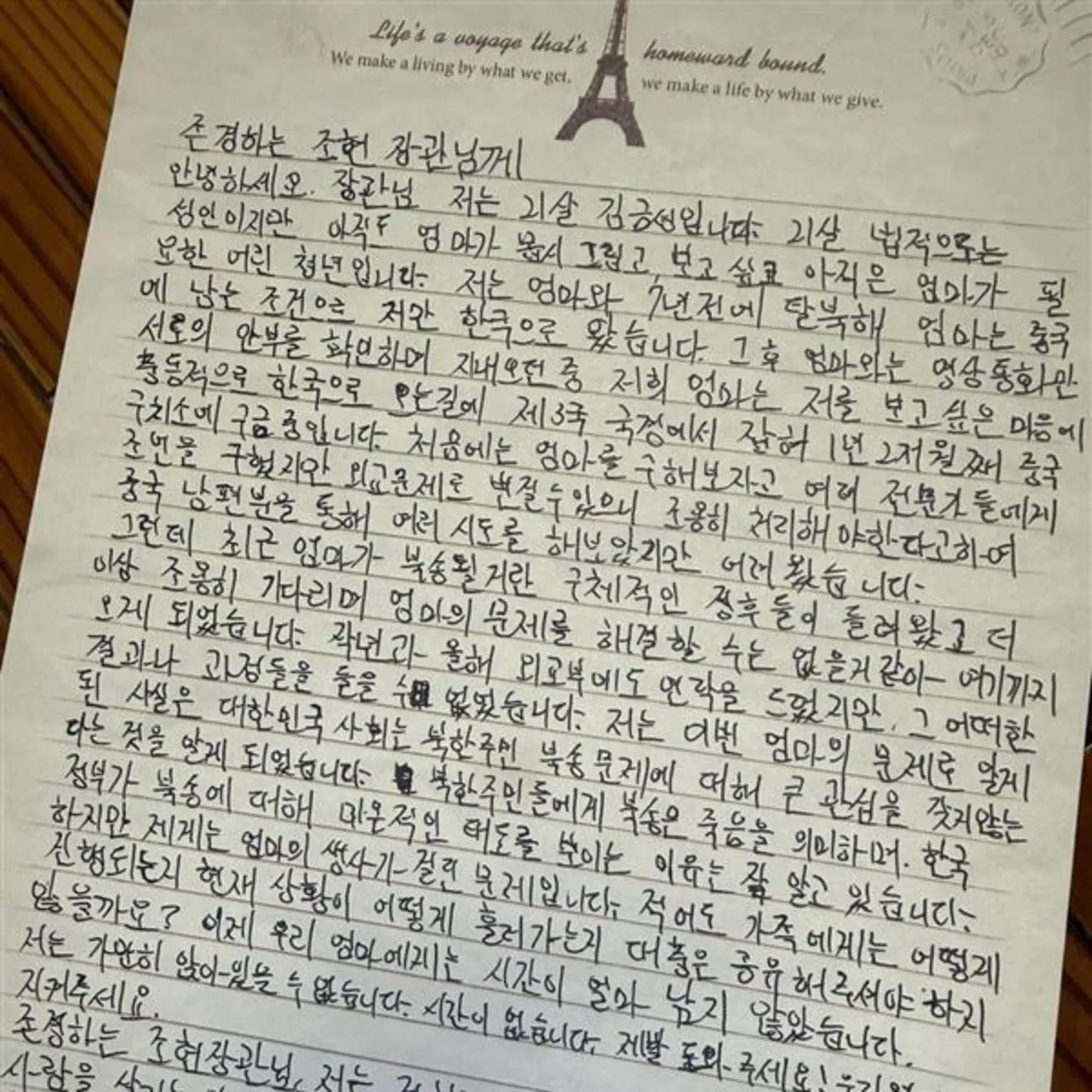
Geumseong has made numerous efforts to assist his mother, including appeals to the Chinese government.
"I just want to ask them to please give her one more chance to live a normal life,"
China's foreign ministry responded to inquiries stating that China is a country "ruled by law" and that illegal immigrants are not refugees. They added that China handles such matters appropriately in accordance with domestic and international law and with humanitarianism.
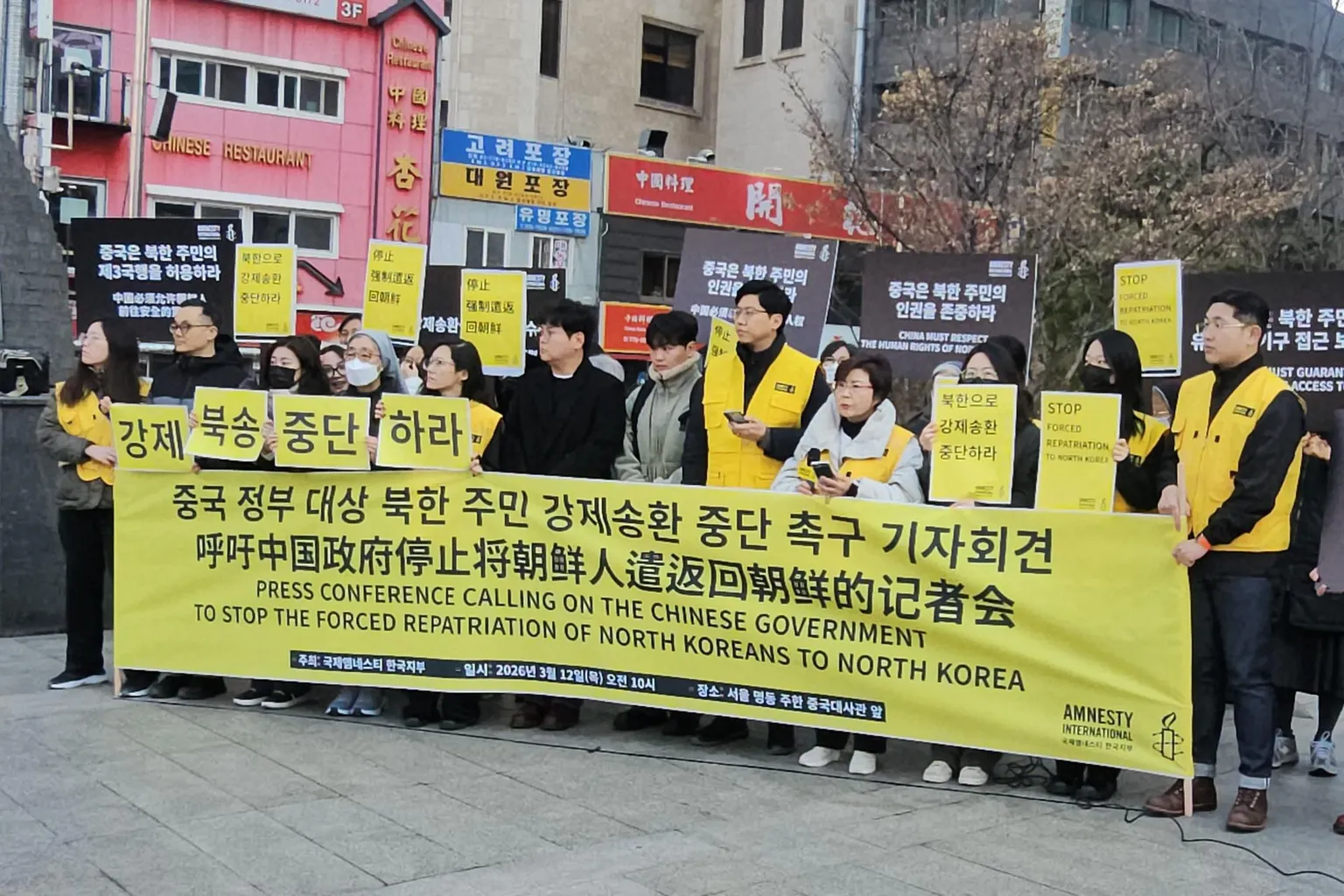
Despite being unable to visit Eunhee in prison, Geumseong remains determined.
"I had no way of knowing whether you were alive or dead,"
Eunhee told him during a phone call in December 2020. She had worried about his safety during his journey through Thailand.
Geumseong recounted his hardships, including collapsing from what was believed to be tuberculosis.
"I was so dizzy I couldn't even stand up. When we finally crossed into Thailand some people carried me on their backs."
Life in South Korea
South Korea recognizes North Korean defectors as citizens under its constitution and provides support. After three months at Hanawon, a settlement center in Seoul, Geumseong was placed with a foster family and began school.

"Do you know how much I thought about you? My heart finally feels at ease now,"
Eunhee expressed to her son.
Eunhee's Life in China
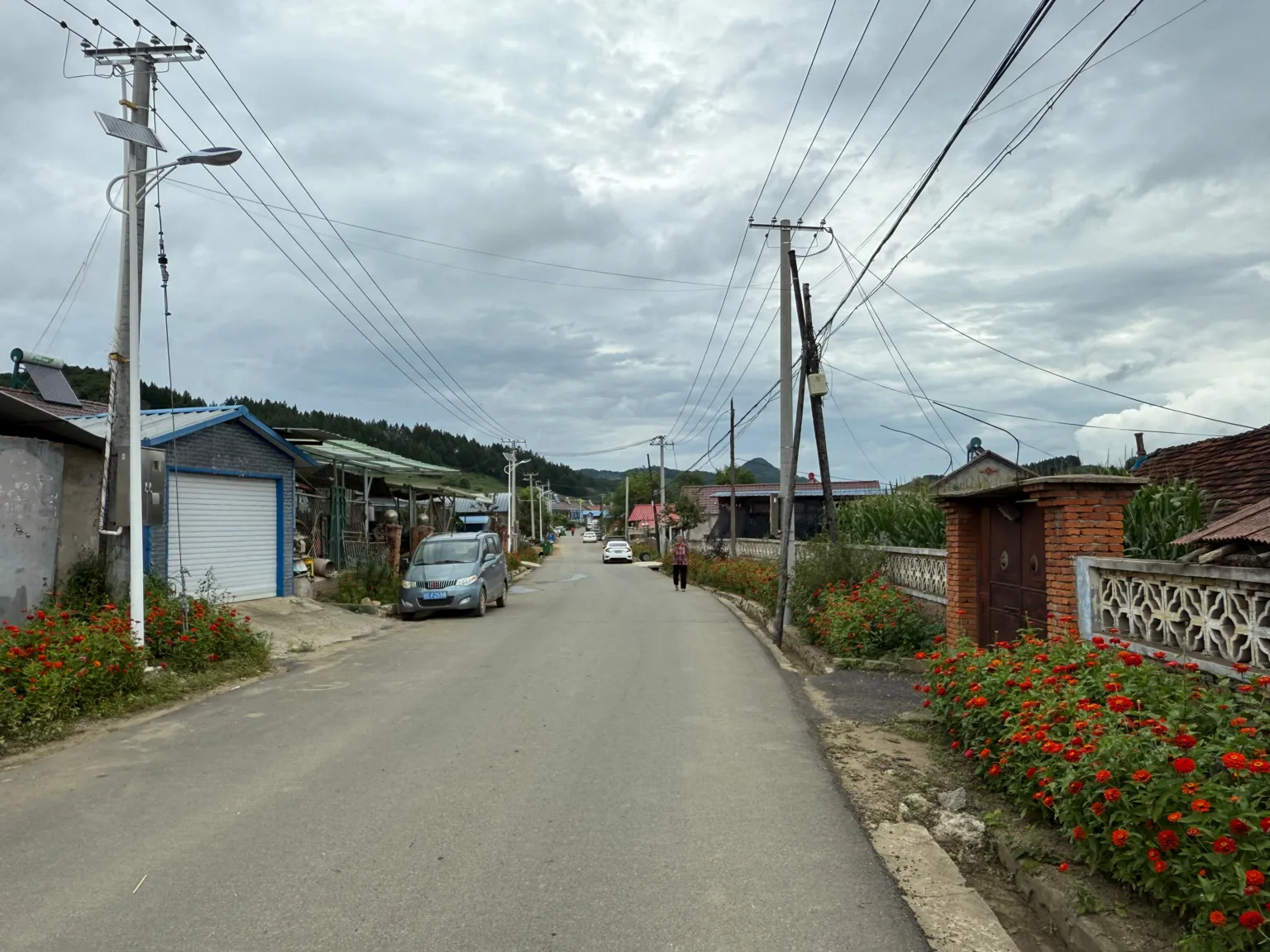
After parting from Geumseong in 2019, Eunhee settled in northeastern China with the man to whom she was sold. Though he was kind, she missed her son deeply and longed for reunion.
She made several attempts to locate Geumseong, including appearing on a Chinese podcast popular among North Korean refugees, describing her son who had fled to South Korea. A friend of Geumseong in Seoul heard the description and recognized him, leading to their reconnection via WeChat.
They spoke regularly, with Eunhee worrying about his well-being and teasing him about his hair length.
Attempted Escape and Arrest
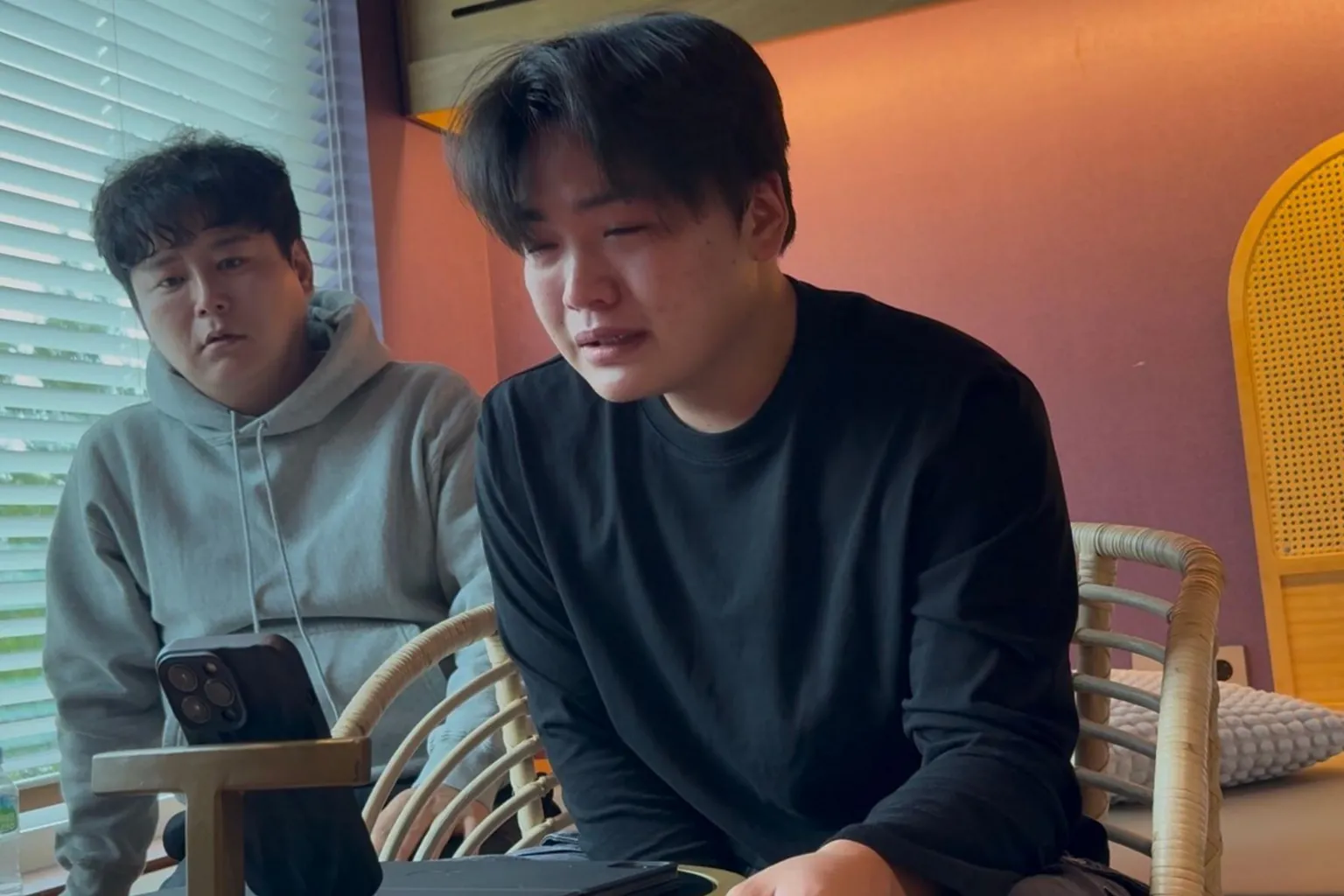
In December 2024, Eunhee decided to leave China to join her son in South Korea. Despite Geumseong's pleas for caution, she proceeded. After a month and a half without contact, he received the feared news.
On 2 January 2025, Eunhee was apprehended in southern China near the Myanmar border and later transferred to a prison in northeastern China with other North Korean refugees.
Changing Patterns of Defection
Fewer North Korean defectors reach South Korea today compared to previous years. Following the Covid-19 pandemic, North Korea and China reinforced their shared 1,420 km (880 mile) border with double-layered fences and increased surveillance.
In 2025, 223 defectors arrived in South Korea, down from approximately 1,000 annually before 2020. Numbers were even higher after the mid-1990s famine, which triggered a silent exodus over a more porous border.
Women Sold as Brides in China
Many North Korean women arriving in China are sold as black-market brides. Some marry voluntarily to send money home or plan eventual escape; others are deceived by false employment promises and forced into marriage upon crossing the border.
Once married, many women live isolated lives, fearing repatriation. This market is fueled by China's severe gender imbalance, with an estimated 34 million more men than women, a consequence of the one-child policy and sex-selective practices.
Over two years, the BBC communicated through an intermediary with four North Korean women living in China. While their accounts cannot be independently verified, they align with hundreds of interviews conducted by human rights groups over two decades.
The women described rural border areas where they lack legal status or documentation and depend entirely on their husbands' goodwill.
One woman stated she was 16 when sold to a Chinese husband nearly twice her age, who kept her in a barn and raped her before presenting her as his fiancée. She has lived in China for 15 years and has two children.
Chinese authorities monitor many such women, conducting regular visits and collecting biometric data including saliva, fingerprints, and facial recognition photos.
Police occasionally warn husbands to control their wives and prevent escape attempts. Beijing aims to prevent mass migration of North Koreans but tolerates the brides as long as they remain compliant.
All four women expressed efforts to build lives in China, with one writing,
"I am almost happy."
The Harsh Reality
Lina Yoon from Human Rights Watch describes the situation as a "cruel paradox" where the women are neither legal nor safe, caught between tolerance and control.
The detention of Eunhee, who sacrificed her freedom for her son's safety, exemplifies the consequences faced by those attempting to escape this system.
Geumseong remains resolute, stating he would choose the same path for his mother rather than have her returned to North Korea.
"I just want her to be allowed to stay in China and live a normal life beside her husband like before,"
"I am simply begging China not to send her back to North Korea."