

Election Surprise and Political Gamble
Japan is preparing for its second general election in two years this Sunday, a snap vote that has surprised the ruling Liberal Democratic Party (LDP), the opposition, and much of the electorate. Sanae Takaichi, Japan's first female prime minister, is relying on her personal popularity to achieve what her party could not last year: securing a decisive public mandate for the long-dominant but widely unpopular LDP.
This election represents a significant political gamble, one previously attempted and lost by her predecessor, Shigeru Ishiba. The electorate will now determine if Takaichi’s strategy will succeed.
"The difference this time is that her approval across most media polls has been much, much higher than her predecessors," says Rintaro Nishimura, an analyst and senior associate at The Asia Group's Japan Practice.
"Conventional wisdom says: when approval is high, you call an election."
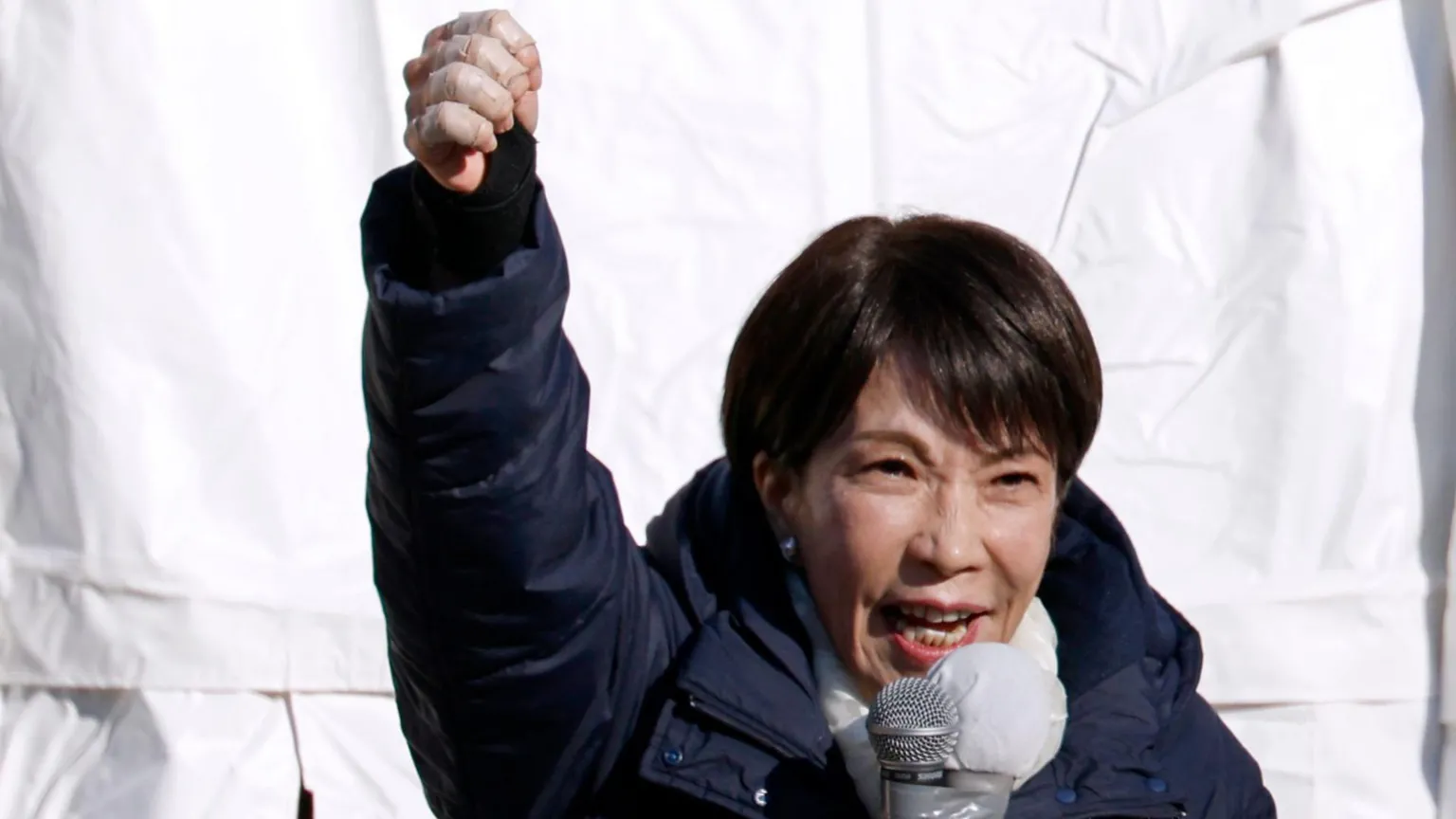
Since assuming office in October, Takaichi has captured public attention more through her political presence than specific policies or legislation. Her "work, work, work" mantra during her acceptance speech projected an image of an energetic and tireless leader.
Within just over three months, she has established a prominent public profile. She has hosted visits from world leaders, including welcoming Donald Trump just one week after becoming prime minister. During their meeting aboard the USS George Washington in Yokosuka, Takaichi raised her fists in the air as President Trump praised her leadership.
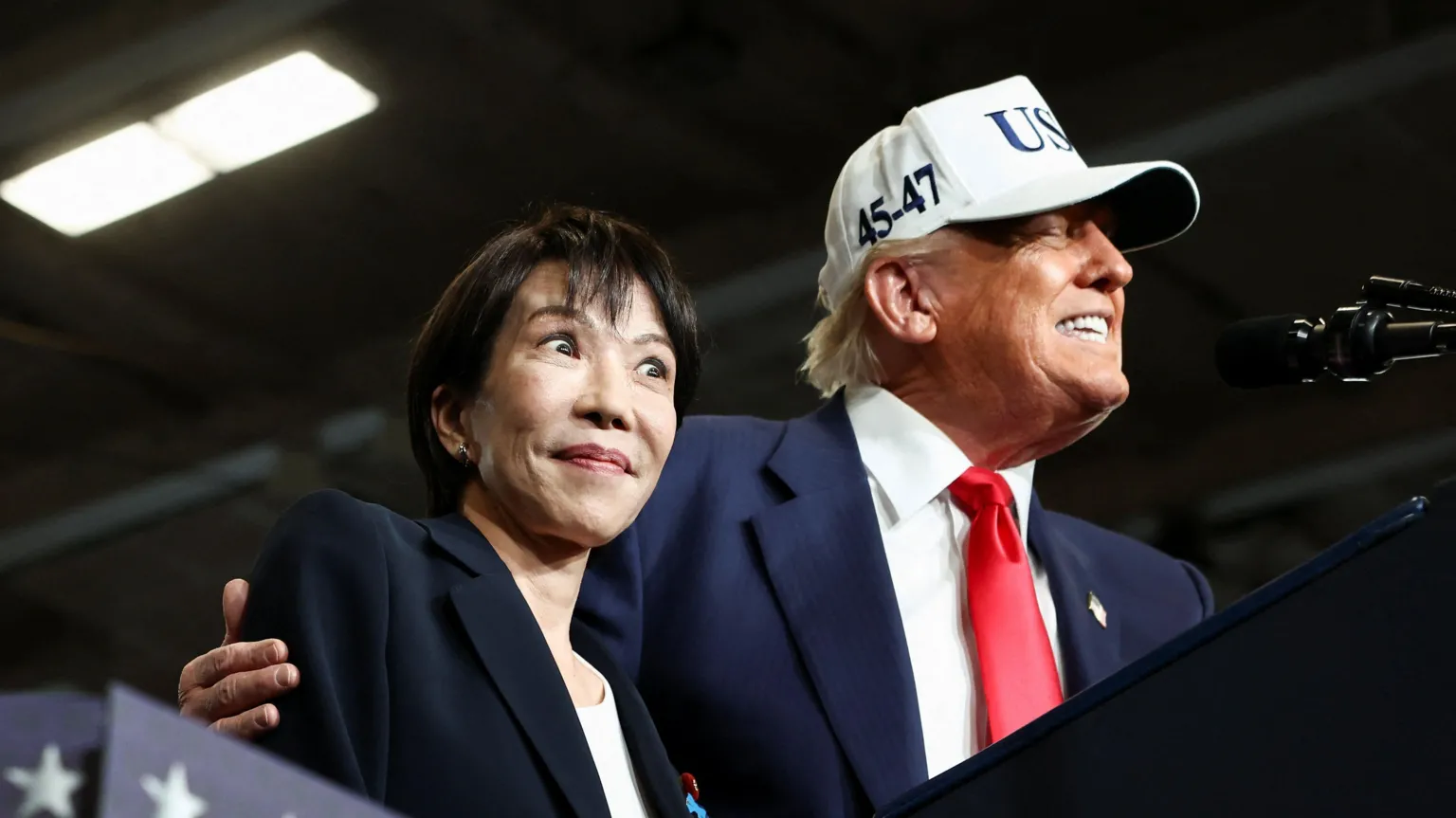
Two days before the February vote, President Trump publicly endorsed Takaichi, stating she has "already proven to be a strong, powerful, and wise leader... one that truly loves her country."
Other notable moments include her unexpected performance playing the drums to the song "Golden" from the film K-Pop Demon Hunters alongside South Korea's president, and a selfie with Italy's prime minister. These viral events have projected confidence and momentum, setting her apart from the traditionally stagnant and sometimes dull image of previous prime ministers.
"There is an atmosphere of positivity about her being the first female prime minister in Japanese history, about her being successful at diplomacy… with her having approval ratings in the 60s or sometimes as high as 70%," says Jeffrey Hall, lecturer at Kanda University of International Studies.
Professor Hall added that this image has been propped up by "a large conservative group on the internet of users and social media influencers who provide a strong base for Takaichi, with posts showing her in a positive way going viral almost every day during the election".
"So we have an atmosphere where users who log on to X [formerly Twitter]… the algorithm will be showing them very positive videos about Takaichi."
Takaichi has also strengthened support within the LDP’s conservative faction by reviving long-standing goals such as constitutional revision and emphasizing traditional values.
"She's positioned herself as the leader who brings the LDP back to its [conservative] origins," Nishimura says. "That has resonated internally among party elders as well as with the LDP base."
Beyond the conservative base, Takaichi has connected with younger voters in an unprecedented way for a Japanese leader. Her handbags and pink pens have become cultural phenomena.
"There's definitely an appeal among young people," Hall says.
"Young people tend to be the most disconnected from politics in Japan… but Takaichi has taken on this kind of idol-like, or celebrity-like, status among some young people."
He points to media reports of sana-katsu - obsessive fan activity inspired by idol culture.
This personal appeal has translated into strong approval ratings, ranging from the mid-fifties to the high sixties, according to NHK and other major media polls.
Koichi Nakano, associate professor of political science at Sophia University, notes that despite initial criticism of the snap election announcement, the LDP appears to be benefiting from the prime minister’s popularity. A recent Asahi Shimbun survey indicates the party is poised to win significantly more than the 233 seats required for a majority in the 8 February lower house election.
"If the party does well," Nakano says, "many MPs will feel grateful. Their scandals will be washed clean, and they'll become very obedient."
A political funding corruption scandal uncovered over two years ago implicated dozens of LDP lawmakers in pocketing millions from political fundraisers. This scandal angered the public and cost the party its majority in the 2024 election.
Unusual Timing of the Election
The timing of the snap election has drawn criticism from opposition parties, who argue it has delayed anti-inflation measures, postponed debate over the fiscal 2026 budget, and imposed additional administrative burdens on local governments.
Hall says the primary motivation behind the timing was parliamentary arithmetic.
"The main purpose of calling the snap election when she did was to get back a parliamentary majority so that the new budget committee will be chaired by the LDP or a coalition partner," he says, allowing the budget to pass "without opposition scrutiny".
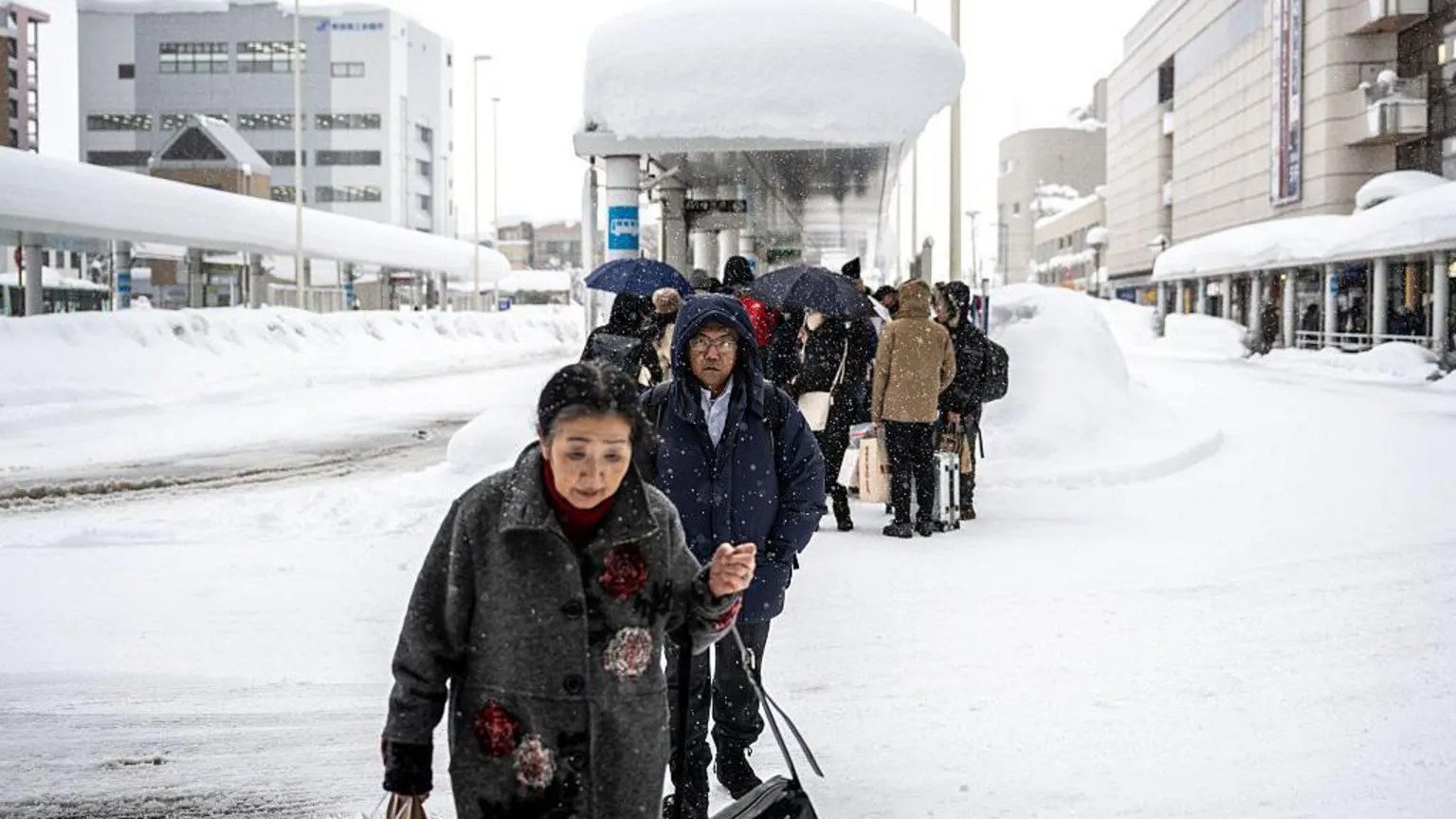
The election is also taking place in the depths of winter. Northern Japan has experienced heavy snowfall, raising concerns that adverse weather could reduce voter turnout.
Last year’s miscalculation looms over the LDP. When Shigeru Ishiba called a snap election soon after taking office, it resulted in one of the party’s worst performances in decades, costing it the Lower House majority.
"When Ishiba called the election, the public was angry," Nakano says.
"There were financial scandals hanging over the LDP, and cost-of-living pressures were acute. This time, she has successfully distanced herself from that image."
Nevertheless, Nakano describes the strategy as high-risk.
"She's created popularity by dissociating herself from the party's stagnant image," he says.
"But elections are about parties, not just personalities. That's the danger."
Defence, China, and Rising Tensions
Since taking office, Takaichi has been active diplomatically but has also strained relations with Japan’s largest trading partner, China. Relations have deteriorated sharply following her remarks suggesting Japan might respond militarily if China attacked Taiwan, comments she has refused to retract.

The dispute escalated quickly, with both countries lodging formal protests. Japan issued safety warnings to its citizens in China, while Beijing advised its citizens to avoid traveling to Japan.
Domestically, this confrontation has bolstered Takaichi’s standing.

"She is a hawk… a conservative," says 85-year-old voter Naoaki Yuhara.
"Of course, the economy is an important issue for the people, but at my age -especially when I think about my grandchildren's generation - national defence is very important, and she is seriously thinking about it."
However, her hawkish stance worries some voters.
Haruka, a voter in her 30s, said, "I am concerned about the defence issue. We don't know where exactly the money is being spent or how. I do worry that they may spend money on things like nuclear weapons or the use of military forces."
"I worry that it may be happening behind our backs without our knowledge. Perhaps we're heading towards a future where we might have no choice but to engage in some sort of conflict."
Rintaro Nishimura warns that this approach could have negative consequences.
"With a mandate, people expect her to be more hawkish on China. But prolonged tension could hurt the economy and that would hurt her approval."
Koichi Nakano notes that public discourse about the China dispute has largely disappeared.
"There is a general taboo in the media… sensible discussions about how to coexist with China can get easily branded as appeasement," he says.
"The real economic and security consequences of burning bridges with China are not really being discussed."
Takaichi is expected to visit Washington shortly after the election to meet Donald Trump ahead of his summit with China’s President Xi Jinping, amid Tokyo’s tense relations with Beijing.
"Japan might get isolated without getting the support from Trump," Nakano warns, "while it doesn't look anywhere near like a possibility that she'll be able to mend ties with Xi Jinping."
Cost of Living Concerns Among Voters
While public concern over financial scandals has diminished, cost-of-living pressures remain a significant issue for voters.
The sharp rise in rice prices in mid-2025 shocked many households. Although this occurred before Takaichi took office, it continues to influence perceptions of the LDP.

Inflation slowed in late 2025, but wages remain stagnant and the yen has weakened further.
"I used to spend about 10,000 yen ($64; £47) a week on groceries," says Kanako Himura.
"Now it's always more. Prices are rising, quantities are shrinking. Even when the price stays the same, you get less."
"Tokyo property prices are too high," says Kento Naka, a 35-year-old manga artist.
"Paper books cost about one-and-a-half times more now. Everything else too. But income hasn't caught up at all."
Takaichi has promised increased public spending, inflation relief, and tax cuts, but critics argue that the details remain vague.
"The reality is the cost of living is probably going to keep going up, and salaries are going to remain low… and that's one of the reasons why Takaichi is calling this early election," Hall said.
"She's probably figured out the economy is not going to be an easy fix. If she waits longer, people will start blaming her for the economy, as they blamed previous prime ministers."
Other longstanding priorities such as weapons exports, an anti-espionage law, and immigration reform have faded from her campaign. Observers suggest this is a strategy to maintain her favorable polling position rather than a shift in policy focus.
Opposition, Far-Right, and Economic Challenges
Despite the formation of a new centrist alliance between the Constitutional Democratic Party and former LDP coalition partner Komeito, polls indicate the opposition remains divided.
"The Komeito vote had been propping up the LDP for years," Jeffrey Hall says.
"Now the LDP is propping itself up using the popularity of the prime minister."
Rintaro Nishimura explains that the election has been framed as a choice between certainty and uncertainty.
"There's not a lot of precedent for an opposition-led government," he says. "That's always in the back of voters' minds."
The far-right Sanseito party has intensified debate on immigration, but Hall notes that Takaichi's rise has diminished its momentum.
"One of the reasons the LDP picked Takaichi is that she is a hard-line conservative," he says. "They were hoping she would draw nationalists back from Sanseito."
However, the prime minister faces the challenge of balancing an aging society reluctant to accept immigrants with an economy that depends on foreign labor.
"Japan has a major labour shortage. Foreign workers are now vital to many sectors of the economy," he says. "If she doesn't want the economy to get worse, she will continue increasing immigration."
The economic challenges will persist regardless of the election outcome. Should Takaichi secure a majority, stagnant wages, a weak yen, and rising living costs will be her most immediate and significant issues.
"There will be at least a brief honeymoon period," Koichi Nakano says. "But the reality of the economy will hit very quickly."


