Empty Trains on Mumbai's Aqua Line
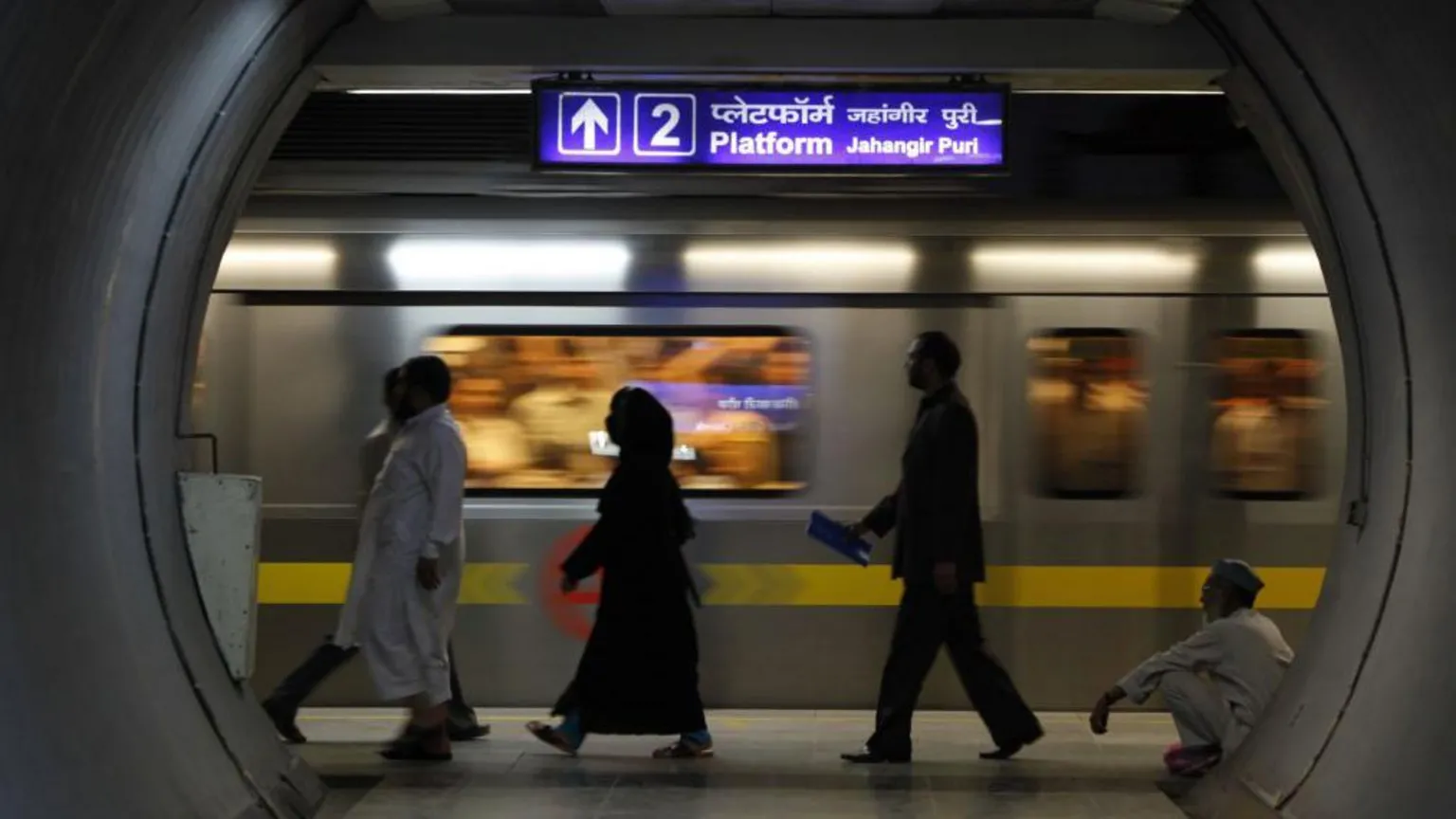
On a weekday evening last month, Mumbai's southbound Aqua Line metro train was nearly empty a few stops before reaching its final destination.
Upon disembarking, the last station resembled a deserted Soviet-era structure rather than a busy train terminal in a city known for crowded spaces.
The Aqua Line is Mumbai's new fully underground metro connecting the old business district of Cuffe Parade to newer commercial hubs like BKC and the airport terminals in the northern suburbs. It opened last year.
This 33.5km (20.8 miles) corridor was expected to alleviate congestion in India's financial capital and was projected to carry nearly 1.5 million passengers daily. However, actual ridership is estimated to be about a tenth of that.
India's Metro Network Expansion and Ridership Challenges
The low ridership on the Aqua Line reflects a broader trend amid India's rapid metro network expansion.
Since 2014, the Narendra Modi government has invested over $26 billion in metro connectivity across nearly two dozen Indian cities.
The network has expanded fourfold from under 300km to more than 1,000km by 2025. Average daily ridership has also increased from three million to over 11 million people in the past decade.
Despite these aggregate figures, many metro systems in India have failed to meet even a fraction of their projected ridership, according to experts.
An Indian Institute of Technology Delhi report from 2023 indicated ridership was only 25-35% of projected figures across corridors. One of the study's authors told the BBC these numbers likely have not changed significantly in 2024 and 2025.
Other studies support these findings. The Observer Research Foundation (ORF) think tank reported ridership as low as 2% of projections in tier-3 cities like Kanpur, and 37% in Chennai's first phase.
Data shared with the BBC by the Institute for Transportation and Development Policy (ITDP) showed actual ridership between 20-50% in cities such as Pune and Nagpur in western India.
Delhi, which has India's largest metro network, is an exception where usage slightly exceeded projections. However, transport experts Aditya Rane of ITDP and Ashish Verma of the Sustainable Transportation Lab at the Indian Institute of Science in Bengaluru noted this is partly because Delhi counts interchanges as separate trips.
Reasons Behind Low Metro Usage
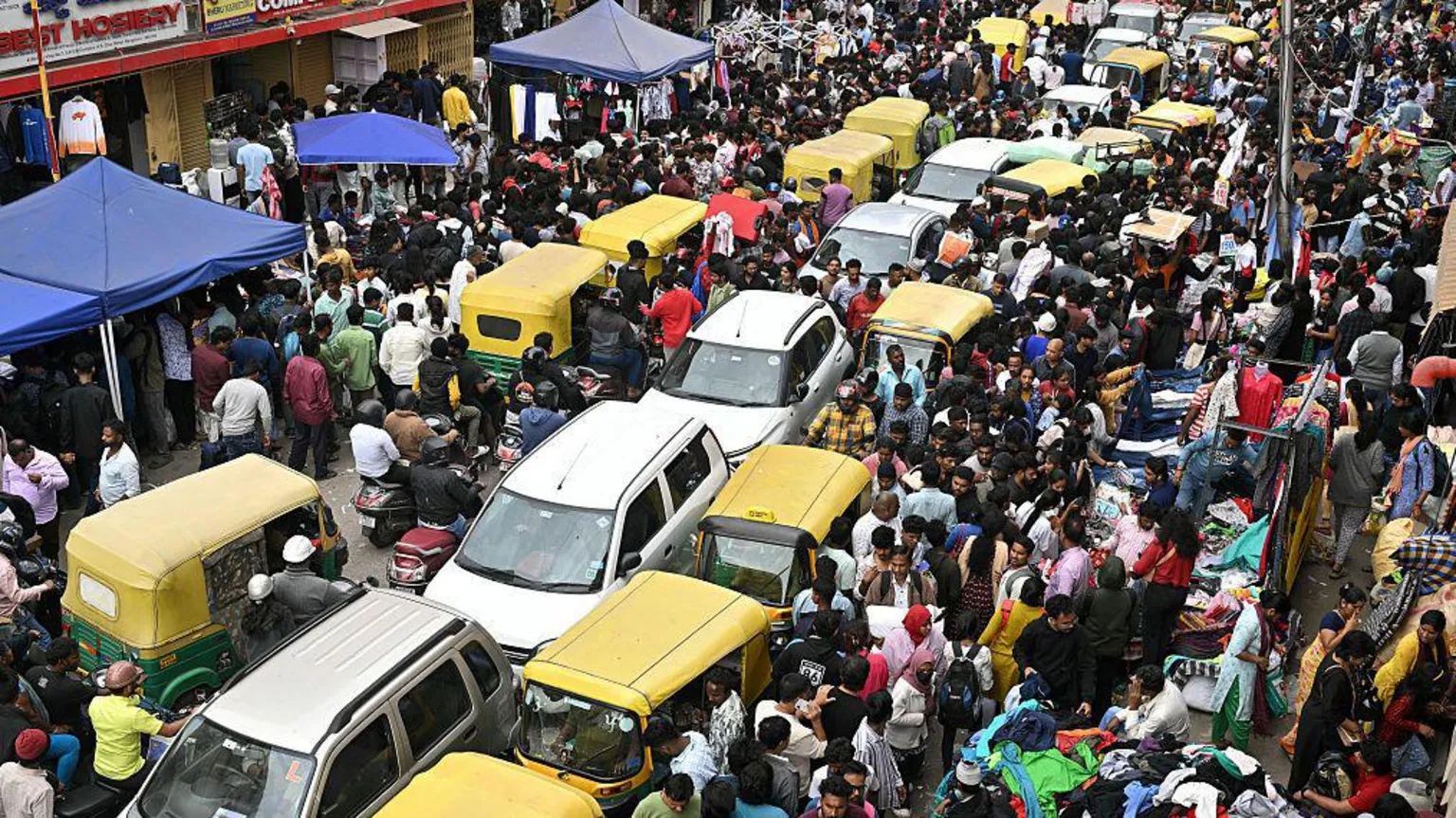
Despite low car ownership and overcrowded public transport, metro travel has struggled in India due to multiple factors.
Consultants often inaccurately project potential demand, says Verma.
"It is a complex task [to project demand], and figures are sometimes exaggerated to show the project is economically viable," he said.
He added that forecasts are often based on "offered capacity" such as number of coaches or train frequency, many of which have not been realized.
For example, in Bengaluru, peak-hour train frequency on the busiest line is five minutes or more, while on a newer line it can be up to 25 minutes.

Similarly, many trains operate with three to six coaches, whereas the busiest metro systems worldwide typically run nine coaches with trains every 90 seconds, according to the Sustainable Transportation Lab.
Affordability is another key factor.
A single journey on Mumbai's Aqua Line costs 10-70 rupees (£0.08-£0.56). A three-month unlimited travel pass on the local Mumbai suburban railway is significantly cheaper at 590 rupees.
"In Indian metro systems, the integrated journey cost can consume 20% of income for lower-income workers, above the global benchmark of 10-15%," says Rane.
Verma notes a trend toward reducing subsidies, which may not be suitable in a price-sensitive country like India.
This was evident when Bengaluru metro fare hikes last year led to a 13% drop in ridership, according to Greenpeace data.
"Even the London Tube till today is heavily subsidised. Because there is a purpose. You are trying to provide sustainable mobility and decongest the city," says Verma.
Operational and Infrastructure Challenges
Poor network planning and inadequate last-mile connectivity further suppress demand.
"People will switch to public transport only when waiting times are as low as possible," said Nandan Dawda, a Fellow at ORF's Urban Studies programme.
In India, a major issue is the lack of sufficient feeder buses for last-mile connectivity.
Transit times between lines can also be lengthy and inconvenient. For example, at Hauz Khas station in Delhi, transferring between lines can take 15-20 minutes.
"Institutional disaggregation" impedes solutions, says Dawda. Different metro lines and bus networks in a city are often operated by separate entities working in silos.
"There needs to be better operational integration between them," he added.
Additionally, poor walkways and safety concerns, especially for women, limit metro use.
"Access and approach to and from metro stations to other destinations has to be convenient to support the use of public transport," said Verma.
He added, "If I am a tourist even in a city like Delhi, I can't drag my bag to the metro easily and walk to my hotel 500m away."
For residents like Chetna Yadav, 40, from north Delhi, safety is a major concern.
"If I am coming home after sunset, I cannot rely on the metro. The station is about 15km from where I live and when I reach the final stop at night, it is next to impossible to get a cab home. I have been stuck in that situation a few times."
Future Outlook for Metro Usage in India
Despite these challenges, experts expect metro usage to increase gradually.
Traffic congestion, pollution, parking shortages, and road safety issues have reached critical levels in many Indian cities, prompting calls for congestion pricing on private vehicles.
However, without more affordable and seamless metro services, rapid adoption is unlikely.
"The systems most likely to improve strongly are the ones that get bus integration, station access and fare integration right. Without that, India may continue to build metros that are operationally useful but still underperform against their original projections," says Rane.
Additional reporting by Nikita Yadav
Follow India on Instagram, YouTube, X and Facebook.