

Gas Supply Disruptions and Impact on Fuel Use in India
Shipping disruptions caused by the ongoing US-Israel war involving Iran have significantly constrained gas supplies to India, potentially forcing a temporary reversion to more polluting fuels such as coal, kerosene, and biomass, according to experts.
Reports indicate that certain regions in India are experiencing increased sales of timber, while others have noted a rise in the purchase of cow dung cakes, both of which are biomass fuels.
India has encountered a shortage in cooking gas supplies over recent days, prompting panic-buying among domestic consumers.
The conflict, which began on 28 February, has halted maritime traffic through the Strait of Hormuz, a critical passageway through which approximately one-fifth of the world’s oil and gas shipments transit.
The Strait of Hormuz serves as a vital chokepoint, handling about half of India's liquefied natural gas (LNG) imports and the majority of its liquefied petroleum gas (LPG) shipments.
Foreign Minister S Jaishankar has indicated that diplomatic discussions with Iran could help alleviate the disruptions affecting the Strait of Hormuz. Since Monday, three Indian-flagged vessels—two transporting LPG and one carrying crude oil—have arrived at the western state of Gujarat, though approximately 21 ships remain delayed, maintaining tight supply conditions.
As an immediate response, the federal government has authorized an additional 48,000 kilolitres of kerosene for distribution to states beyond the usual quota, aiming to support low-income households through the public distribution system (PDS).
"Kerosene is being made available through retail outlets and PDS channels," Petroleum Minister Hardeep Singh Puri stated last week.
India's environment ministry has instructed state pollution control boards to temporarily permit restaurants and hotels to use biomass fuels (including wood, dried crops, and animal manure), fuel pellets, kerosene, and coal for a period of one month. This measure prioritizes the allocation of cooking gas for households and essential sectors.
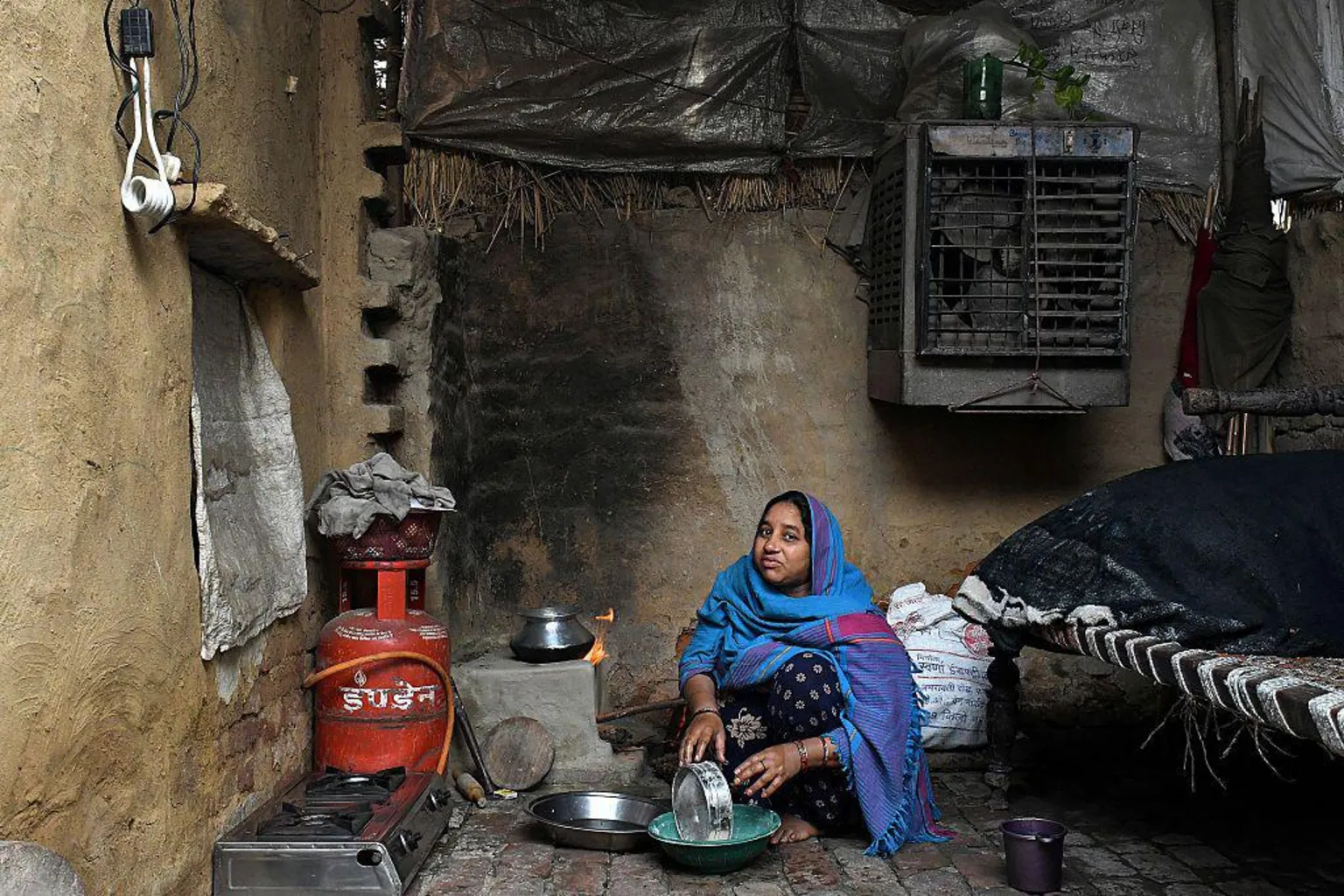
Government initiatives have rapidly expanded LPG usage for cooking across India, replacing kerosene and traditional biomass fuels such as firewood and dung. However, with 60% of its LPG being imported, India is currently the world’s second-largest LPG importer after China.
The transition is notable: kerosene production has declined from 7.5 million tonnes in 2014–15 to less than one million tonnes in 2023–24, according to government data.

"We see it [people buying kerosene, coal and firewood] as a very temporary situation and when supply of LPG becomes better, consumers will immediately move back," said Nandikesh Sivalingam, director of Center for Research on Energy and Clean Air.
He warned that a return to kerosene, coal, and biomass—which are linked to serious heart and lung diseases—would rapidly exacerbate indoor air pollution. The combustion of these fuels releases carbon monoxide, nitrogen oxides, and fine particulate matter that can penetrate the lungs and bloodstream.
"Urban households may be more exposed to fuel shortages than rural areas, as they have fewer immediate fallback options," said Vibha Dhawan, director general at the Energy and Resources Institute in Delhi.
In urban India, Sivalingam suggests that a more probable alternative would be a shift to electric cooking as a backup rather than reverting to biomass or other polluting fuels. However, this would increase electricity demand, much of which in India is generated from coal.
India already depends heavily on coal, which accounted for nearly 79% of the country’s domestic energy supply in 2023–24, according to government statistics.
This reliance implies that any short-term move away from gas is likely to reinforce an energy system predominantly based on coal, experts note.
Madhura Joshi from the climate think tank E3G observed that rural households might resort to biomass such as firewood and subsidized kerosene, while some may transition to electricity, biogas, or improved cookstoves where these options are accessible and affordable.
Dhawan further highlighted that technologies like solar cooking systems—including solar cookers and solar photovoltaic setups connected to electric cooking devices—can reduce dependence on fossil fuels for household energy needs.
She added that wider adoption of such technologies could enhance household energy resilience while supporting India’s clean energy transition.
However, these solutions require time to be implemented at scale.
In the short term, experts agree that coal remains the most readily available fallback fuel.
Follow India on Instagram, YouTube, X, and Facebook.


