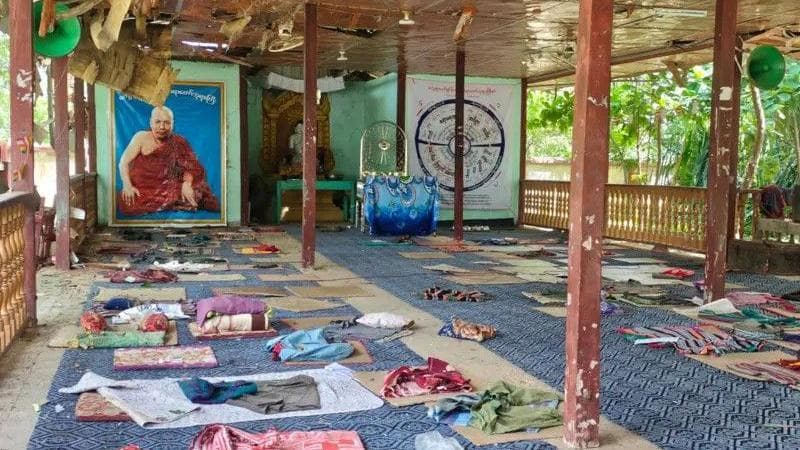
Dowry Deaths in India: A Persistent Crisis Amid Fading Public Outrage
Thousands of women continue to be killed annually in dowry-related disputes in India, despite the practice being outlawed since 1961. However, new research reveals that dowry deaths no longer provoke the public anger or political debate they once did.
Dowry deaths—cases where women are murdered or driven to suicide following disputes over dowry payments between families—have increased in number but diminished in public visibility and political engagement.
According to the study, India recorded 6,516 dowry deaths in 2022, a significant rise from 1,841 cases in 1988.
In a recent example from August, a 28-year-old woman named Ritu from Greater Noida, a satellite town near Delhi, died from burns after her husband set her on fire in front of their six-year-old son. This incident was linked to a dowry dispute and was recorded and shared on social media. While the case initially sparked online outrage and brief protests in Delhi, public reaction soon lost momentum.
“Political protest is problematic globally today. We have strong-handed regimes, including in India, where protest is highly controlled.
Expression of dissent or dissatisfaction is controlled or subject to self-censorship,”
said Dr Kriti Kapila, the author of the study and a social anthropologist at the King’s India Institute, part of King’s College London.
Despite the ban on dowries since 1961, demands from the bridegroom’s family remain widespread. Women who cannot meet these demands often face abuse, harassment, and in extreme cases, murder.
The research notes that legal reforms aimed at dismantling caste hierarchies altered the way dowries function but failed to eradicate the social structures that sustain them.
Dr Kapila explained that historically, dowry was a ritual offering to compensate the groom’s family for taking on a daughter. After the ban, it evolved into an “extractive demand” where grooms could “command a price” influenced by caste, class, education, and professional status.
She described the dowry as a “premium on the male child,” linked to his economic potential. When a bride’s family cannot meet escalating demands, the groom’s family may retaliate with physical and psychological violence against the bride.
“The more urgent question is not why the anti-dowry law hasn’t worked, but why the killing has stopped generating the kind of collective grief that once brought thousands of women on to the streets,”
said Kapila. “That disappearance is not accidental – it has a structure.”
Violence related to dowries triggered a significant women-led protest movement in the 1970s and 1980s, one of the first mass movements organized by women in post-independence India.

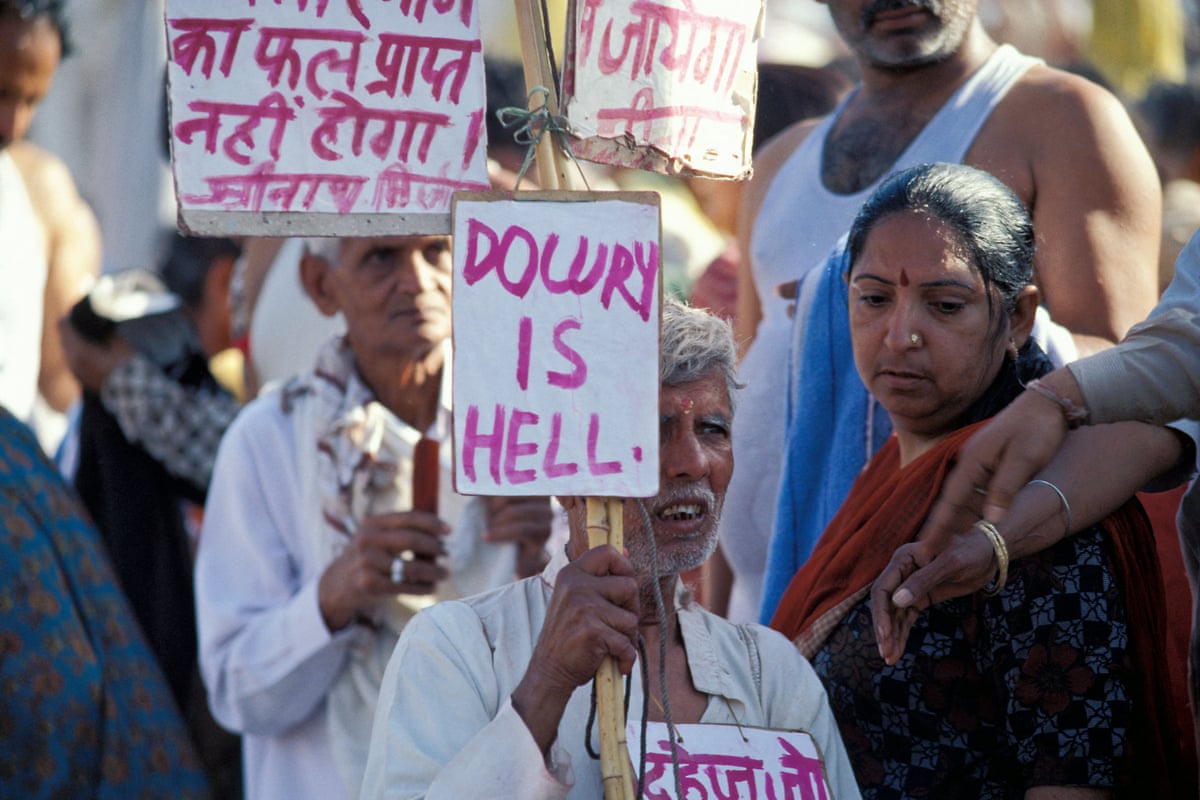
However, the study found that this movement has faded as the nature of dowry killings has changed. During the 1970s and 1980s, brides were often murdered in staged “accidental” kitchen fires using paraffin (kerosene). As paraffin was phased out in the 1990s, the “kitchen accident” excuse became less credible, and hostile in-laws increasingly pressured young brides to commit suicide.
This shift transformed public outcry and grief into “private shame and sorrow,” according to Kapila. The research argues that this change blocked the public outrage that had previously emerged because it became “impossible to campaign against someone who has given themselves ‘the gift of death’.”
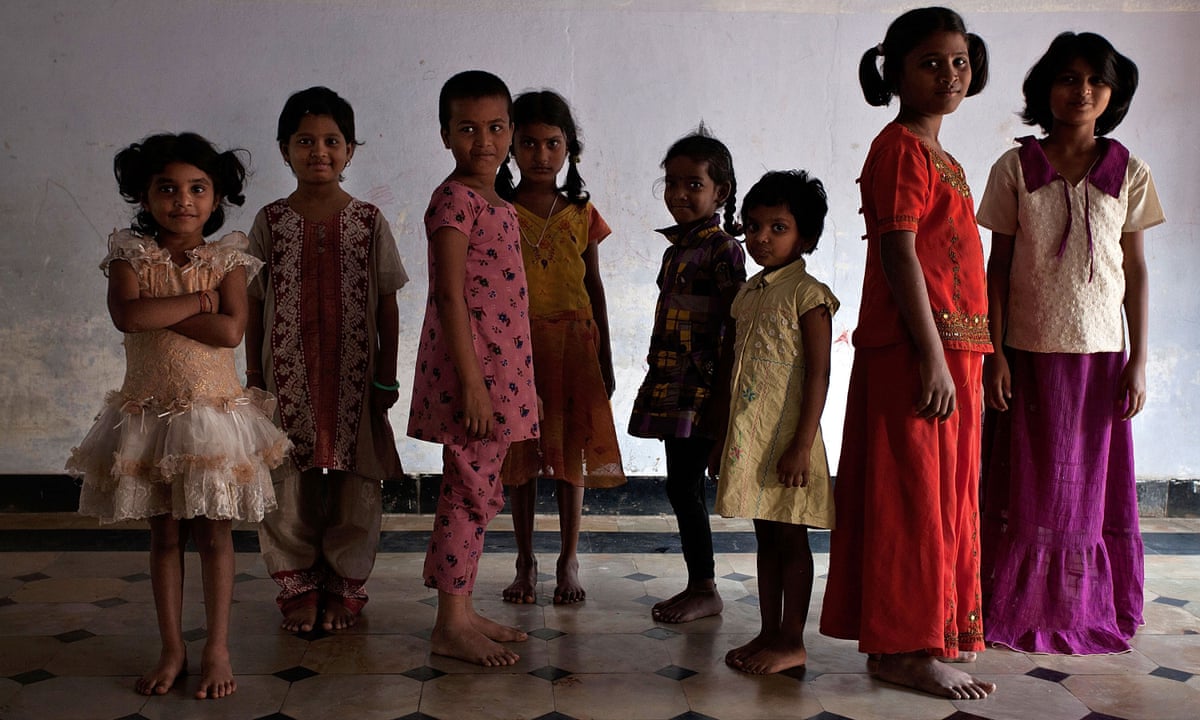
The study also highlights the increasing prevalence of sex-selective abortions as a method to avoid future dowry debt, citing India’s skewed sex ratio with a national average of 927 girls per 1,000 boys. In some areas, such as parts of Andhra Pradesh, the ratio is even lower.
Kapila believes that violence occurring within families inherently prevents public mobilization against these murders.
“Anecdotally, I know people across classes and castes are not contrite about aborting a foetus because they were having a daughter,”
she said. “The effects are demographic. Fewer women, but also fewer sisters.”
The research was inspired by an exhibition featuring the photography of Raghu Rai, who documented the women’s movement in India during the 1970s and 1980s.
Kapila was struck by how distant the protests seem today.
“Even though dowry continues to be practised and continues to be fatal for many women, it is curious that dowry deaths no longer animate any political discussion or mobilisation,”
she said.
“Women will possibly find other ways to protest against dowry deaths,”
she added. “It’s difficult to challenge, to find solidarity around issues that challenge social norms. It’s reflective of a wider political moment.”