

Political Shift in Bangladesh
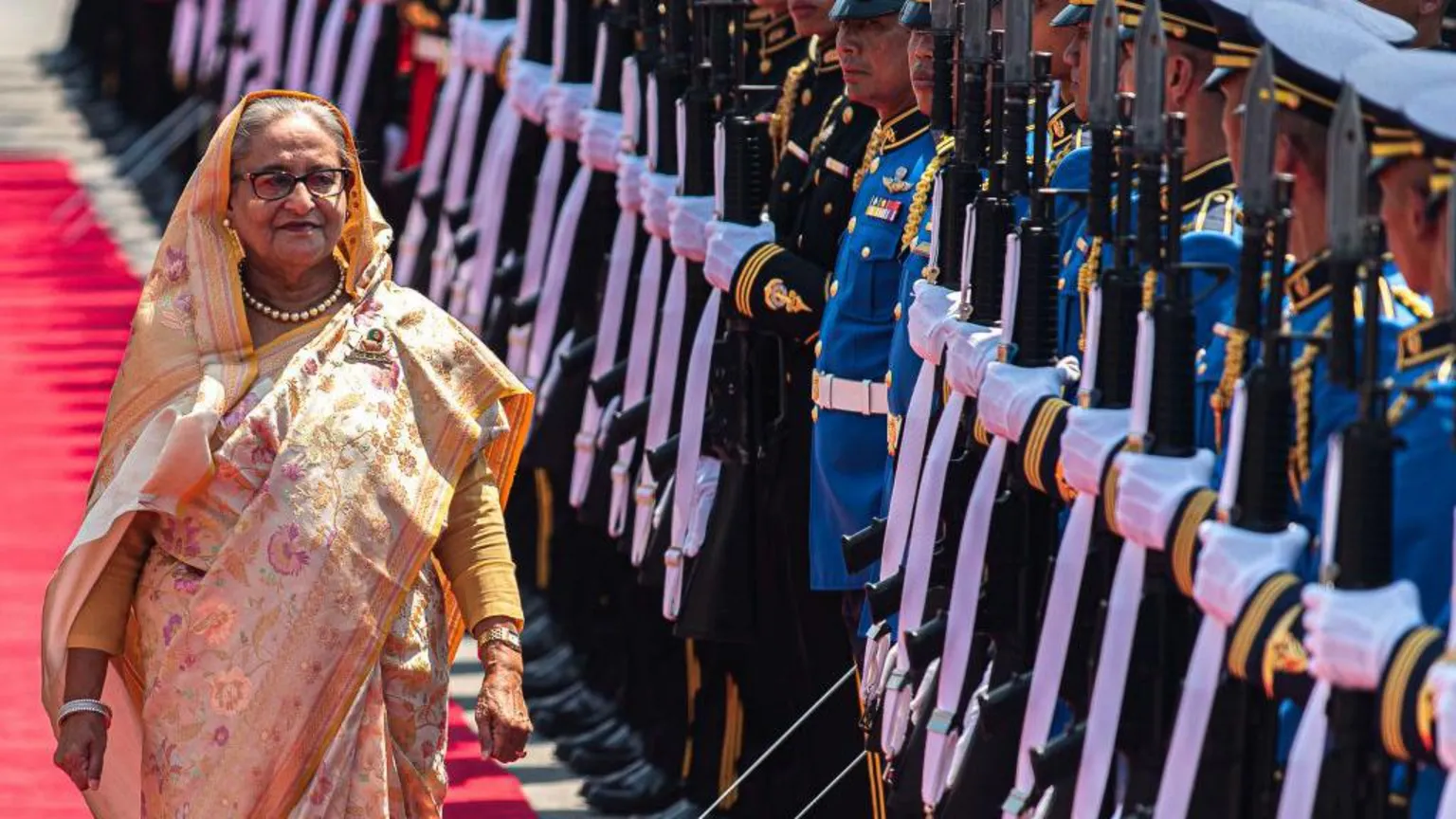
Just over two years ago, Sheikh Hasina secured an election victory widely criticized as rigged in her favor, making it difficult to foresee an abrupt end to her 15-year tenure or a significant resurgence of a rival party previously considered nearly defunct.
However, in the cyclical nature of Bangladeshi politics, this election represents another alternation of power between Hasina's Awami League and the Bangladesh Nationalist Party (BNP), which have dominated the political landscape for decades.
This election marks the first time that Tarique Rahman, the new BNP leader, has formally led the party and contested an election.
His mother, Khaleda Zia, who passed away late last year due to illness, led the BNP for four decades after succeeding his father, Ziaur Rahman, the BNP founder and a pivotal figure in Bangladesh's war for independence, who was assassinated.
Accusations of nepotism have surrounded Tarique Rahman during his mother's leadership, alongside allegations of corruption. He returned to Bangladesh five days before his mother's death after 17 years of self-imposed exile in London.
Although Rahman, 60, has occasionally acted as the de facto chair of a diminished BNP during his mother's imprisonment and illness, he is largely perceived as an untested leader.
"That he doesn't have prior experience probably works for him, because people are willing to give change a chance,"said political scientist Navine Murshid.
"They want to think that new, good things are actually possible. So there is a lot of hope."
BNP's Priorities and Challenges
The BNP has stated that its foremost objective is to restore democracy in Bangladesh.
"All the democratic institutions [and] financial institutions, which have been destroyed over the last decade, we have to first put those back in order,"senior BNP leader Amir Khasru Mahmud Chowdhury told the BBC shortly after the election was announced.
Bangladesh has a history of political parties making such promises but becoming increasingly authoritarian once in power.
However, the country's youth, who participated in the "July uprising" of 2024 that led to Hasina's removal, seem less willing to accept a repeat of past patterns.
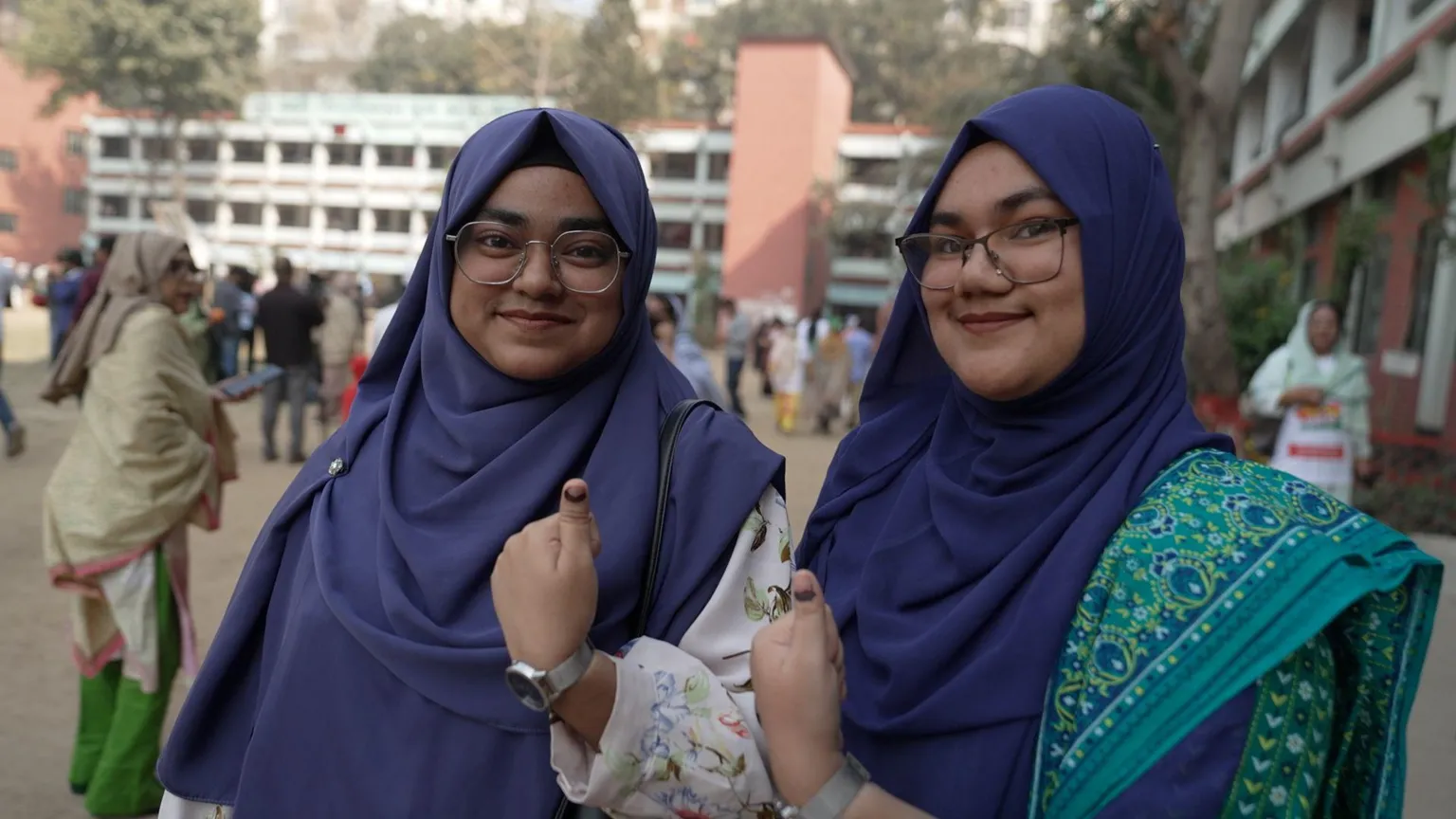
"We don't want to fight again,"said Tazin Ahmed, a 19-year-old participant in the uprising.
"The stepping down of the previous prime minister was not the victory. When our country runs smoothly without any corruption, and the economy becomes good, that will be our main victory."
Her cousin, Tahmina Tasnim, 21, added:
"The first thing we want is unity among the people. We have the right to a stable nation and a stable economy. We have been part of an uprising and we know how to fight back. So if the same things start again, we will have the right to do it again."
Post-Uprising Governance and Economic Issues
Since Hasina's ousting, the interim leadership of Mohammad Yunus has been marked by violence.
Addressing law and order will be a critical priority for the new government. Additionally, reviving the economy, lowering food prices, and creating employment opportunities for Bangladesh's large youth population represent significant challenges.

Sociologist Samina Luthfa noted that the lack of governance experience affects all parties involved.
New Faces and Political Experience
The Islamist Jamaat-e-Islami, banned twice in Bangladesh's history including under Hasina, has won a substantial number of seats for the first time.
Its alliance partner, the National Citizens Party (NCP), formed by some students who led the uprising, secured six seats in its electoral debut.
"We are going to see leaders in the parliament who have never been to the parliament before,"Luthfa said.
"NCP youngsters have a lot to learn. The others are seasoned politicians but they do not have the experience of running the country. So it's going to be an uphill task."
Jamaat's manifesto focused on secularism and development, without mentioning Islamic law.
However, its website states:
"Jamaat performs in political arena because Islamic law can't be implemented without political force,"which has raised questions about the party's intentions if it attains power.
Murshid commented on Jamaat's election performance:
"Jamaat is a very organised political party. For the last several decades, they have worked relentlessly at the grassroots level,"she said.
"I think that has to be recognised but, of course, the problematic part is that they are inherently anti-democratic, misogynistic and patriarchal."
Women’s Representation in Politics
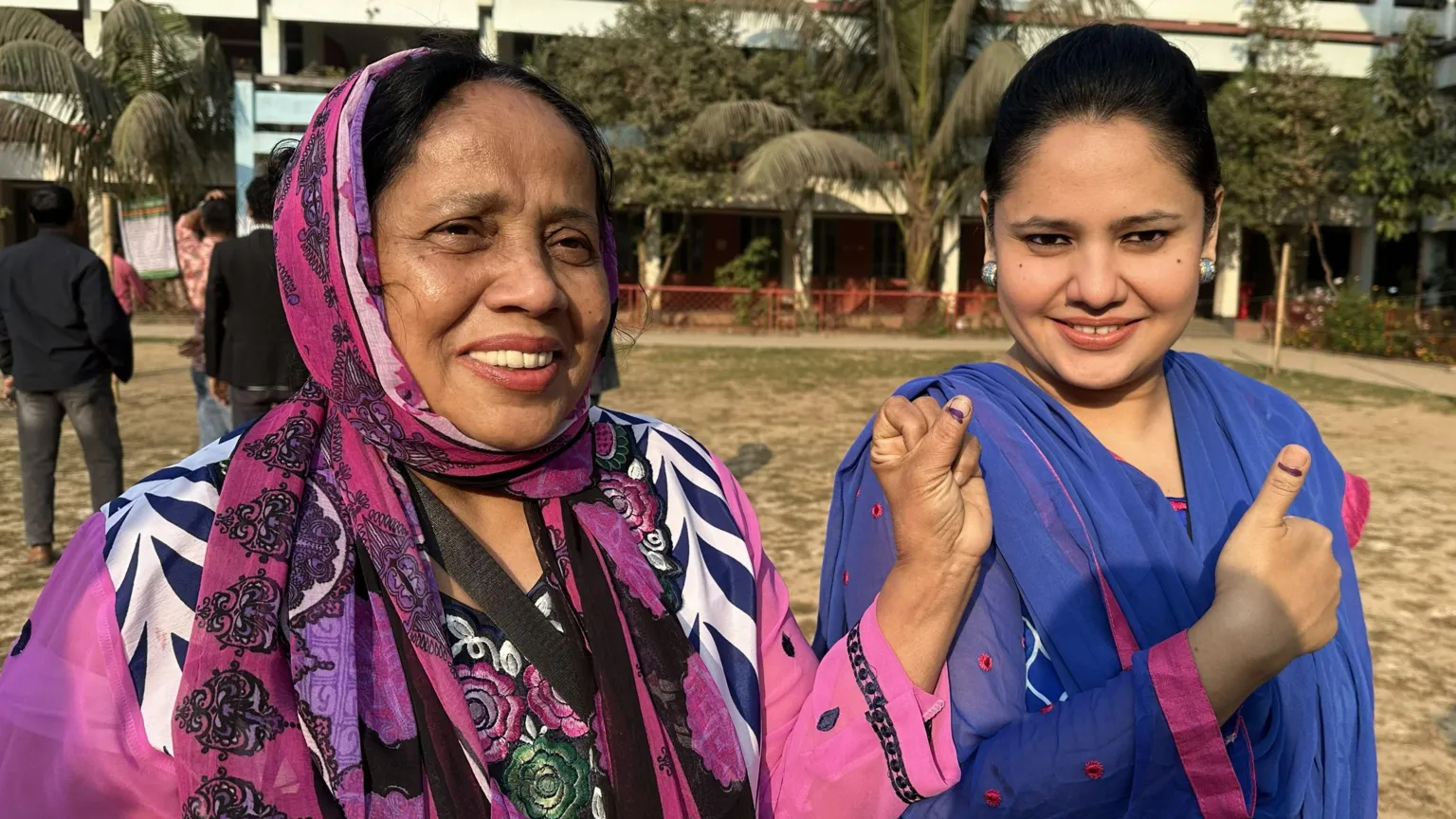
Luthfa emphasized that all parties have failed Bangladeshi women. Only just over 4% of candidates were women.
"We the women who were part of the July uprising - all political parties have failed to translate our collective agency into a more formal political, electoral arena,"she said.
"Parliament members now need to make haste so that they can bring in skilled, honest and deserving candidates to the seats reserved for women in parliament."
Of the 350 seats in Bangladesh's parliament, 300 are elected, and the remaining 50 are reserved for women, nominated by political parties in proportion to their electoral performance.
Election Dynamics and Future Prospects
This election differed significantly from recent polls under Hasina by being genuinely competitive, with the outcome unknown before voting began.
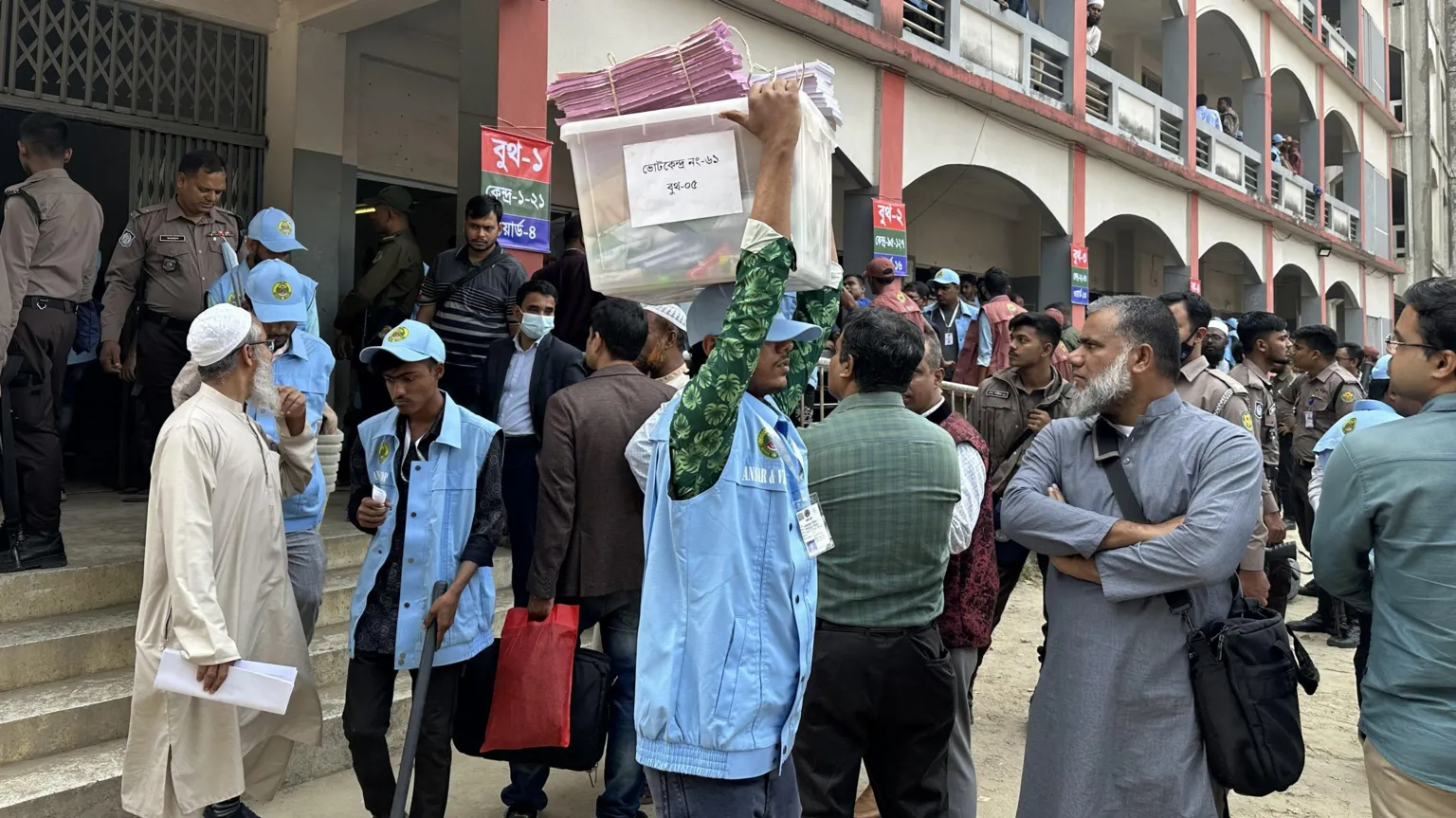
However, the exclusion of the Awami League from the election has cast doubts on its credibility.
Regarding the BNP's stance on the Awami League's potential return to politics, senior BNP leader Chowdhury stated:
"It is not for us to decide.
For the Awami League to come back to the electoral process in Bangladesh, it's going to take a while, because their credibility is in question. When you are accused of killing your own people, of atrocities, persecution, then the people will decide where they fit in in the future of Bangladesh politics."
From exile in India, Hasina described the recent election as an "election of deception and farce" and called for a fresh election allowing the Awami League to participate.
Currently, public anger toward her party is intense, but considering Bangladesh's political history, it would be premature to dismiss the Awami League permanently.
Additional reporting by Aakriti Thapar


