Image-Based Abuse: Beyond Nudity and Consent
Social media platforms and authorities are inadequately addressing image-based abuse against women by concentrating on nudity rather than the issue of consent, according to a recent report by the gender justice organisation Chayn.
The report's findings are supported by Pakistani actress Ayesha Omar, whose personal experiences, alongside those of other women, are detailed within the study.
One woman central to the report, referred to as Mahnoor to protect her identity, shared that the images which drastically impacted her life were neither nude nor sexually explicit. Instead, they depicted her with bare shoulders and wearing Western-style clothing.
Mahnoor, a 32-year-old from Pakistan, told BBC Global Women that after her marriage ended, she returned to her childhood home seeking comfort and support from her family. Instead, she and her young daughter encountered coldness and estrangement.
More than a year later, her father and brothers have not spoken to her, and colleagues she had known for years avoid eye contact.
Mahnoor anticipated challenges with her divorce, acknowledging her marriage—arranged in nature—had been fraught with verbal and physical abuse. However, it was the exposure of her private images that inflicted the greatest damage.
Like many young women, Mahnoor had stored numerous personal photos on her phone, capturing everyday moments such as dinners, selfies with flattering lighting, a new haircut, participation in an overseas exchange program, and casual selfies lying in bed wearing a vest with eyes closed to highlight her eyeliner.
None of these images had ever been shared publicly, as she was cautious about posting photos on social media due to the conservative cultural context in Pakistan.
According to Mahnoor, who works as a university lecturer, her former husband accessed her WhatsApp account and private images, distributing them to male relatives, colleagues, and acquaintances.
He also edited photos showing her with a group of friends to isolate her with a single man, implying an extramarital affair.
These photographs were used to label her as "a woman of bad character," a serious accusation in many communities that can have life-altering and even fatal consequences.
Mahnoor has experienced a loss of social standing and influence within her community, as friends, family, and colleagues have distanced themselves.
"I lost my voice," she told the BBC. "I no longer felt visible. "My family once respected me, my brothers respected me. Having your voice respected by your parents is such a great thing," she said. "They used to ask for my advice, but that is no longer the case."
Her ex-husband has since remarried.
What is image-based abuse?
The report by Chayn, a global non-profit focused on gender-based violence, highlights how image-based abuse is often misunderstood by authorities and technology companies, who primarily define harm through the presence of nudity.
Titled Explicit Harms of Non-Explicit Images, the report argues that fully clothed images can have consequences as severe as intimate photographs, especially within conservative communities.
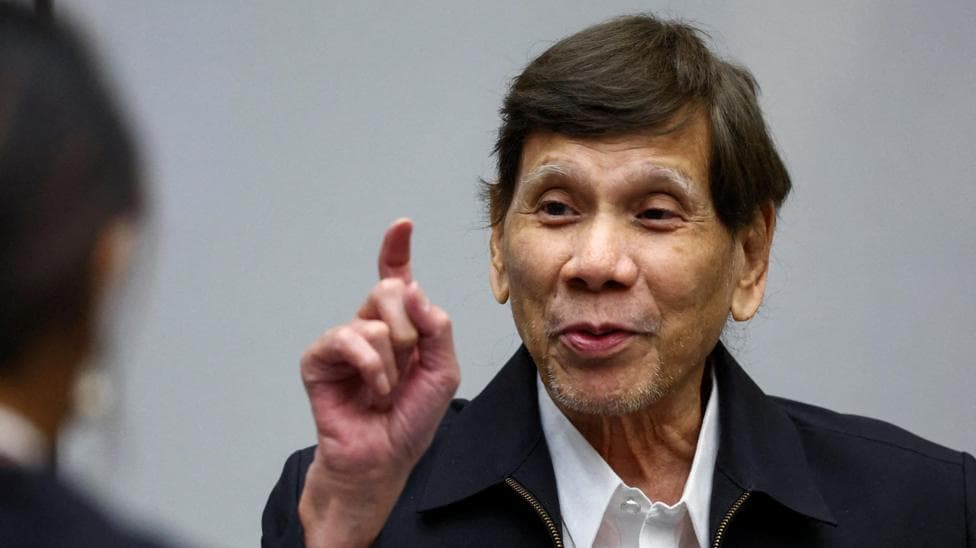
"The image does not have to be nude for it to be harmful," says Hera Hussain, report author and founder of Chayn. "Sometimes it can be as harmful, even if not a single body part is bare. "We want to reframe the conversation around image-based abuse away from nudity and towards consent."

Public discourse on image-based abuse has traditionally focused on revenge pornography, deepfake nudes, and sexually explicit content. However, Chayn's research indicates this approach overlooks how shame, reputation, and social control operate in many communities.
Images that may seem ordinary to some can have devastating effects on others. Examples include videos of women dancing at weddings, photos at the beach, or selfies shared without permission.
Cultural sensitivities
The report emphasizes that harm is often determined not by the image content itself but by the context of sharing, the recipients, and ensuing consequences.
Between July 2025 and February 2026, Chayn conducted 64 interviews across Pakistan and diaspora communities in the UK, Canada, Germany, Malaysia, the UAE, and Kuwait.
The research catalogues images women fear being shared: hair visible without a headscarf, Western or fitted clothing, photos beside men who are not relatives, fabricated conversation screenshots, or AI-generated images from a single photo. None involve nudity, yet all can be weaponized to damage reputations.
Ayesha Omar, a Pakistani actress with over 20 years in film and television, shares that her own images were stolen and circulated before social media became widespread. Photos from a holiday in Thailand over a decade ago, where she wore a one-piece swimsuit and shorts, were taken from her laptop without consent and posted online.

"It was very damaging for my career," Ayesha says. "I lost ad campaigns. I lost some work stuff." She pauses before adding, "Because in my culture, you have to conform to a particular image, even if you're representing a brand or you're playing a character on TV. So it did damage me psychologically and emotionally a lot."

She describes becoming "hypervigilant," constantly aware of potential filming by others.
Hera Hussain asserts society asks the wrong questions regarding image-based abuse. Chayn's framework evaluates harm based on three criteria: the impact on the individual, the intent behind sharing, and the absence of consent.
In Mahnoor's case, all three criteria apply, as they do for Ayesha Omar. The harm manifests in lost relationships and income.
"The principle is respect, dignity, consent," Hussain says. "These are the things that matter."
The report argues that tech companies and regulatory bodies fail to uphold this principle. When Mahnoor reported her case to Pakistan's Federal Investigation Agency (now the National Cyber Crime Investigation Agency), she was told the images were outside their remit because they were not nude or sexually explicit.
Her written complaint, reviewed by the BBC, was declined on these grounds. When she contacted her mobile network provider, she was informed that action required producing the SIM card registered to the offending account—a SIM her ex-husband had taken.
BBC Global Women requested comment from Pakistan's National Cyber Crime Investigation Agency but received no response.
Mahnoor also reported the images to WhatsApp via a customer complaints email. She was told the images did not violate platform rules, though this could not be independently verified as she no longer has the email correspondence.
WhatsApp declined to comment on Mahnoor's case but referred to their guidelines outlining permitted content, which do not specifically address image-based abuse but mention prohibiting "harmful conduct towards others." The platform uses end-to-end encryption and cannot proactively review images.
Meta, WhatsApp's parent company, states: "We are committed to making Facebook, Instagram, Messenger and Threads safe places. We remove content that could contribute to a risk of harm to the physical security of persons."
'Systemic failure'
Hera Hussain expresses concern that cultural sensitivities are not adequately recognised by tech companies, where AI moderation systems primarily detect nudity. Identifying problematic images requires nuanced understanding, and users may need to persist to ensure human review.
There is apprehension about insufficient human oversight as companies rely more on automated tools and consolidate regional expertise into teams covering diverse areas. For example, Snapchat's CEO disclosed to the US Senate Judiciary Committee that its trust and safety team was reduced by 27% from over 3,000 in 2021 to approximately 2,226 in 2023.
Campaigners advocate reversing the current approach. Hussain suggests platforms should remove reported content immediately for 24 hours pending review, rather than investigating first.
"What are you going to lose?" she asks. Hussain references a 2017 case where three sisters in Pakistan were killed after a video of them singing and clapping at a wedding was shared; three male relatives received life sentences.
The burden of reporting falls heavily on victims, who must locate, repeatedly view, and submit each image individually, with no straightforward way to remove multiple copies simultaneously.
"You go through all that retraumatisation," Hussain says, "and then you might not even get a response."
The report highlights that harm extends beyond the individual in the image, affecting entire families. It describes fathers unable to face work, sisters whose marriages collapse, and households subjected to shame. Honour is collective, and collective shame is a tool of control.
For Mahnoor, the consequences are evident in the silence of those around her. Her three-and-a-half-year-old daughter has noticed relatives upstairs do not greet her mother. The images that silenced Mahnoor were, by any platform's definition, harmless.
Some countries approach image sharing as a privacy issue. France recognises a "right to one's own image" under Article 9 of its Civil Code, granting individuals control over image use, with exceptions for news and genuine public interest. Even a minister on holiday retains privacy rights.
The UAE criminalises photographing individuals without consent in public places, with no broad public-interest exemption.
"Image-based abuse is bigger and wider than nudes" and there is "systemic failure," concludes Hera Hussain.
She adds that police, courts, and tech platforms "can all do so much better in supporting survivors," and encourages those experiencing image abuse to know "it is not your fault, you are not alone and there are organisations like Chayn that are here to support you."