Artemis II Mission Success and Future Challenges
NASA's Artemis II mission has successfully sent four astronauts on a journey around the far side of the Moon and returned them safely to Earth.
The Orion spacecraft performed excellently, and the images captured by the astronauts have inspired a new generation about the potential of space exploration.
However, questions remain about whether the children inspired by this mission will be able to live and work on the Moon during their lifetimes, or even travel to Mars as the Artemis program envisions.
While orbiting the Moon was relatively straightforward, the more difficult challenges lie ahead, making the answer uncertain.
When Neil Armstrong and Buzz Aldrin first landed on the Moon in July 1969, many anticipated that it was the start of humans living and working in space. This did not materialize because the Apollo program was driven by Cold War competition rather than exploration, with Armstrong's "one small step" symbolizing the achievement.
Following the initial landing, public interest waned, television audiences for subsequent missions dropped sharply, and future Apollo missions were canceled.
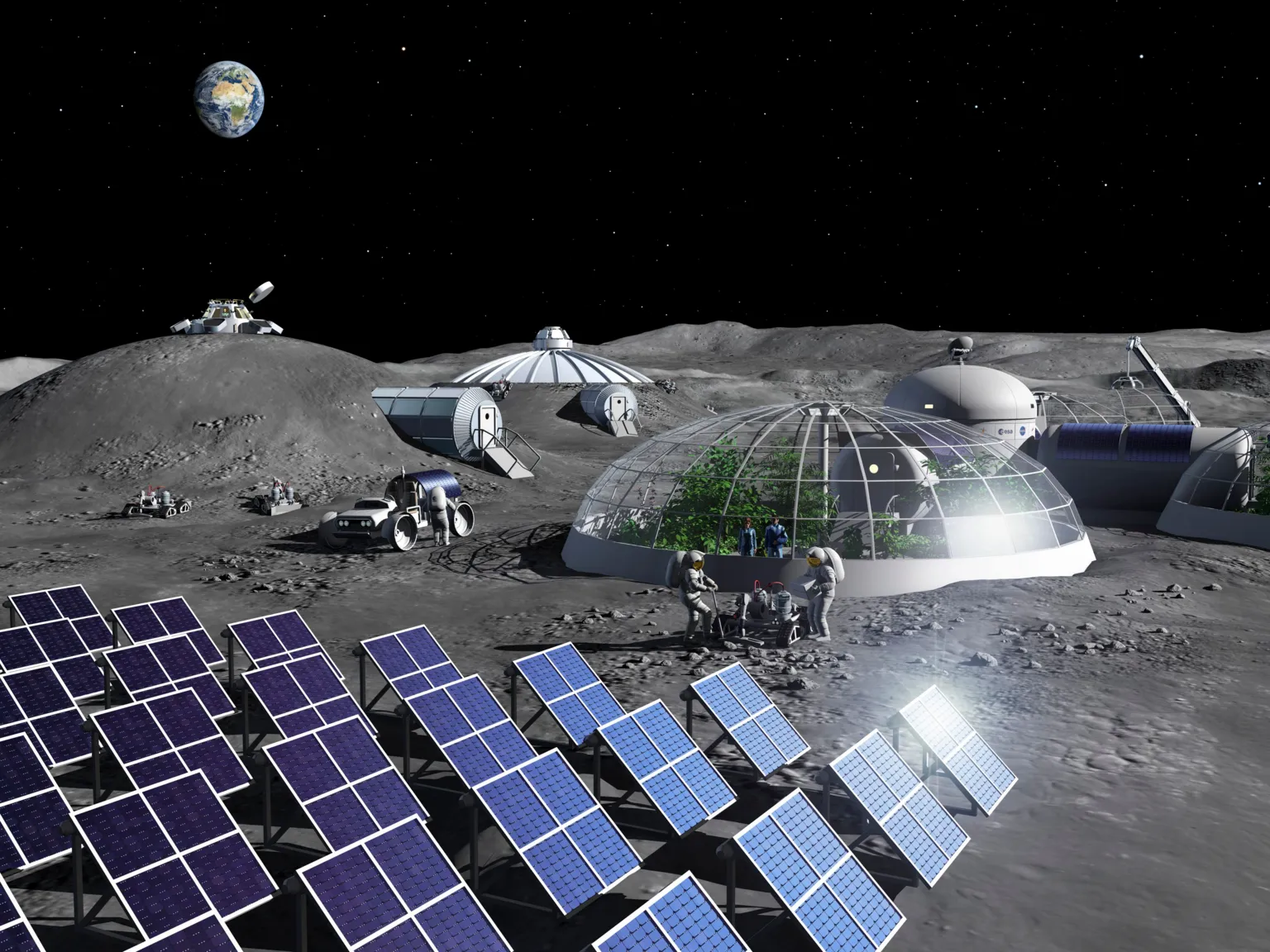
This time, NASA's goals differ. Administrator Jared Isaacman has outlined plans for one crewed lunar landing per year starting in 2028, with the fifth Artemis mission planned for later that year marking the beginning of what NASA calls its Moon base.
Though it may sound like science fiction, serious space authorities are optimistic. Josef Aschbacher, Director General of the European Space Agency (ESA), stated:
"The Moon economy will develop. It will take time to set up the various elements, but it will develop."
Yet, as the commander of Apollo 13 famously said during a spacecraft malfunction en route to the Moon:
"Houston, we've had a problem..."
The Lander Problem
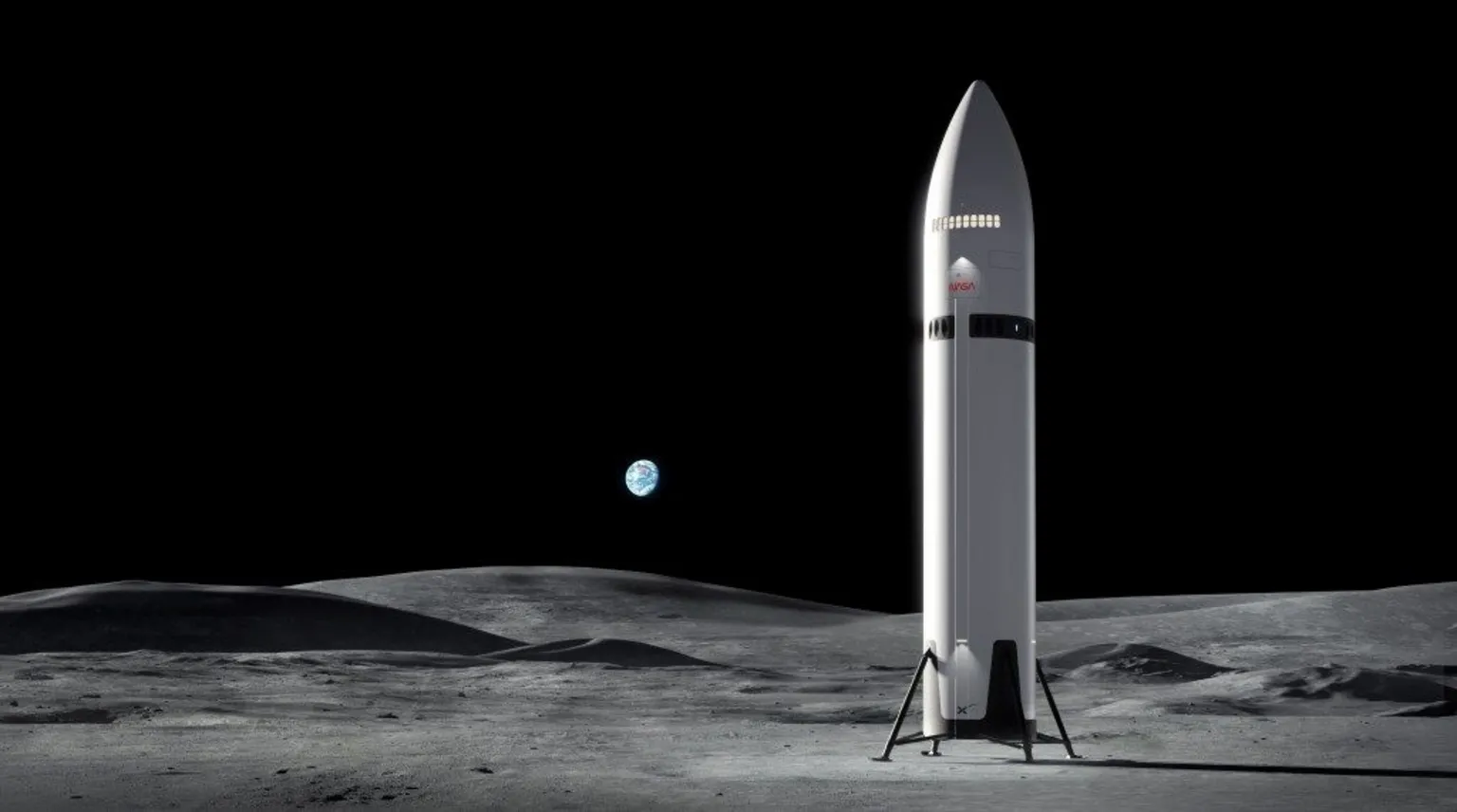
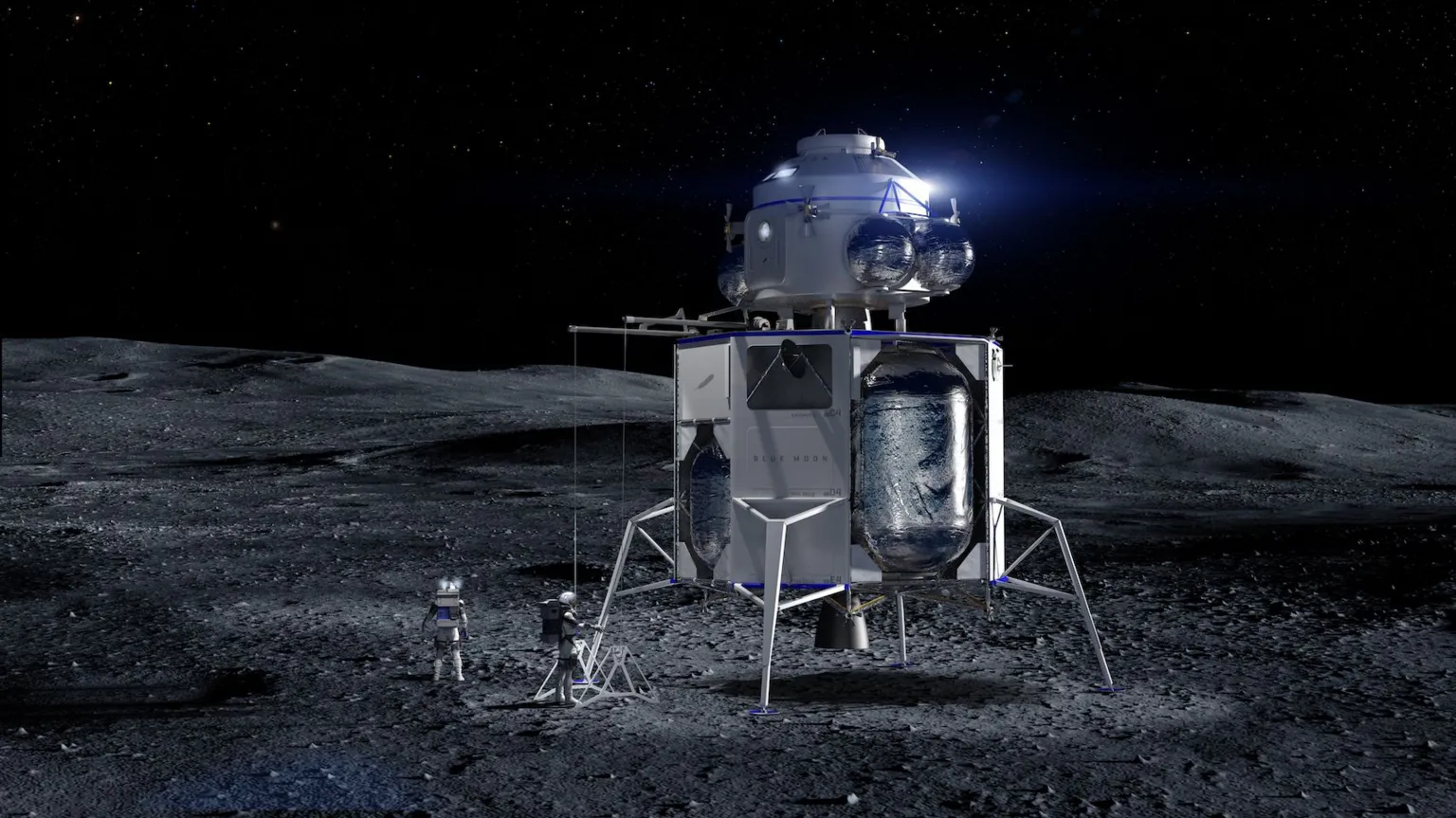
To achieve lunar surface landings, NASA requires a lander. The agency has contracted two private companies to build these: Elon Musk's SpaceX, with a lunar version of its Starship rocket standing 35 meters tall, and Jeff Bezos's Blue Origin, whose Blue Moon Mark 2 craft is more compact but equally ambitious.
NASA's Office of Inspector General reported on 10 March that SpaceX's lunar Starship is at least two years behind its original delivery schedule, with further delays anticipated. Blue Origin's Blue Moon is at least eight months late, with nearly half of the issues identified during a 2024 design review still unresolved after more than a year.
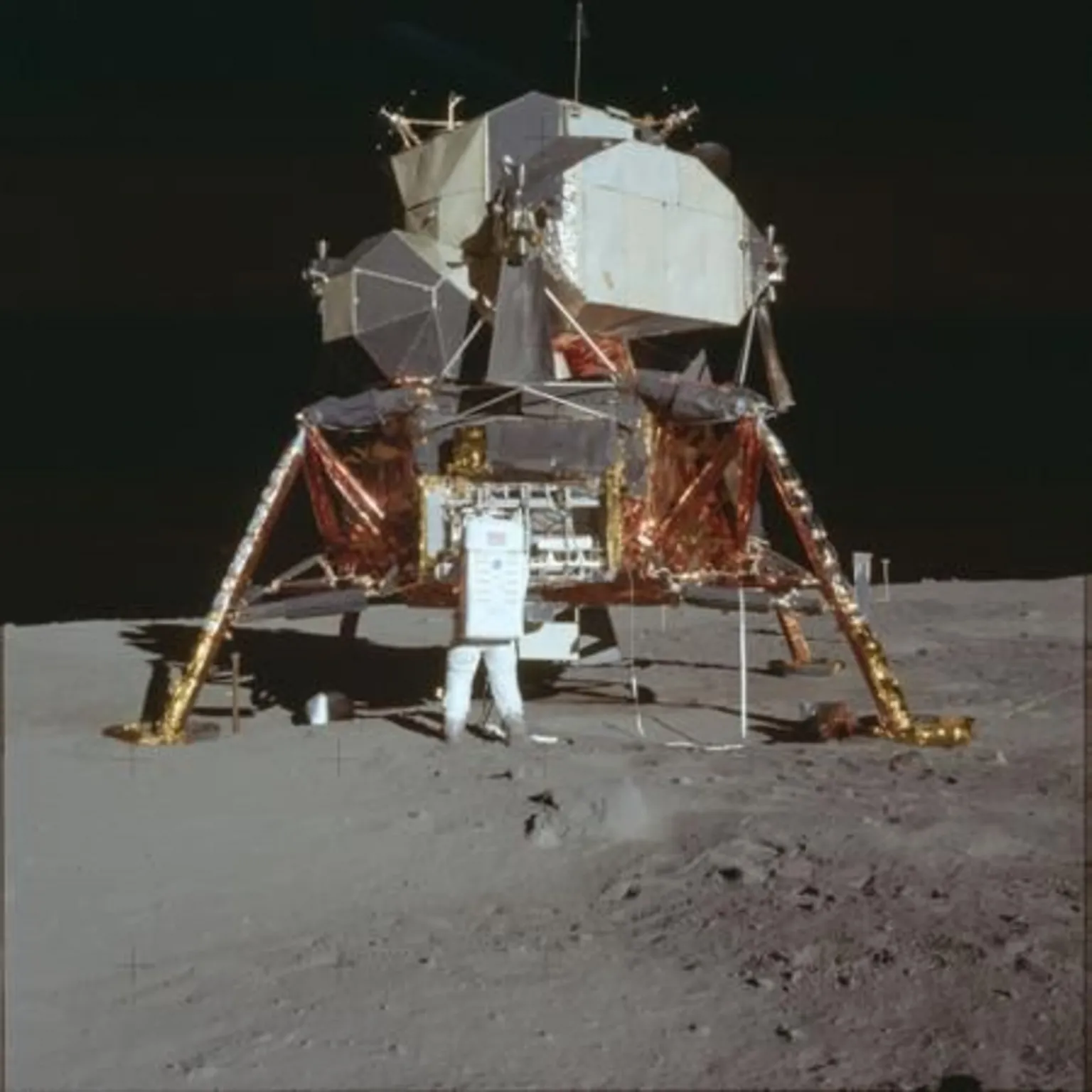
These new landers differ significantly from the compact Eagle module that carried Armstrong and Aldrin in 1969, which was just large enough to transport two astronauts to collect lunar samples and return.
The new landers must carry substantial infrastructure, including equipment, pressurized rovers, and early base components. Transporting this mass requires enormous amounts of propellant, far exceeding what a single rocket launch can deliver.
The Artemis program plans to store this propellant in an orbital depot around Earth, replenished by over ten tanker flights launched regularly over several months. Although elegant in concept, this plan is extremely challenging.
Maintaining super-cold liquid oxygen and methane in space and transferring them between spacecraft is one of the program's most demanding engineering tasks.
Dr. Simeon Barber, a space scientist from the Open University, commented:
"From a physics point of view it makes sense."
He noted that Artemis II's launch was delayed twice due to fueling issues, adding:
"If it's difficult to do on the launch pad, it's going to be much more difficult to do in orbit."
The next Artemis mission, Artemis III, is designed to test how the Orion crew capsule docks in Earth orbit with one or both landers and is scheduled for mid-2027. Given that Starship has yet to complete a successful orbital flight and Blue Origin's New Glenn rocket has only managed two launches, this timeline is, as Barber describes it, "a very steep ask."
The New Space Race
NASA has maintained its 2028 target for the first Artemis Moon landing partly for political reasons, aligning with President Trump's renewed space policy calling for Americans to return to the lunar surface by 2028, within his current term of office.
Independent analysts generally consider this target unrealistic. Nevertheless, Congress has supported the date with billions of dollars in funding, partly due to a new competitor emerging.
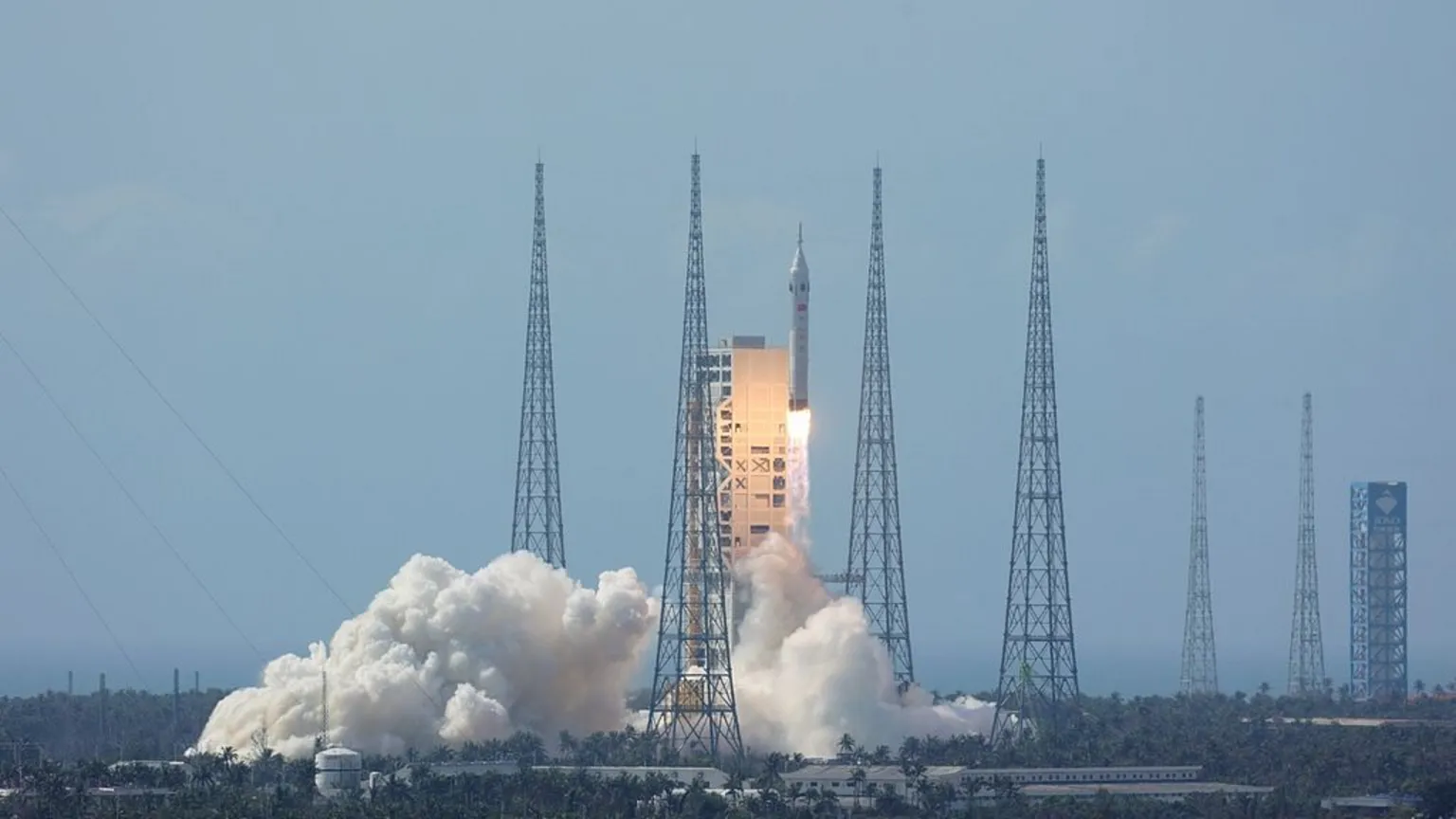
China, having risen as an economic and military superpower this century, has rapidly advanced its space capabilities and aims to land an astronaut on the Moon by around 2030.
If Artemis is delayed, many experts believe China could reach the Moon first. China's approach is simpler, using two rockets, separate crew modules and landers, and avoiding the complexity of in-orbit refueling that the American plan requires.
Mars – The Distant Dream
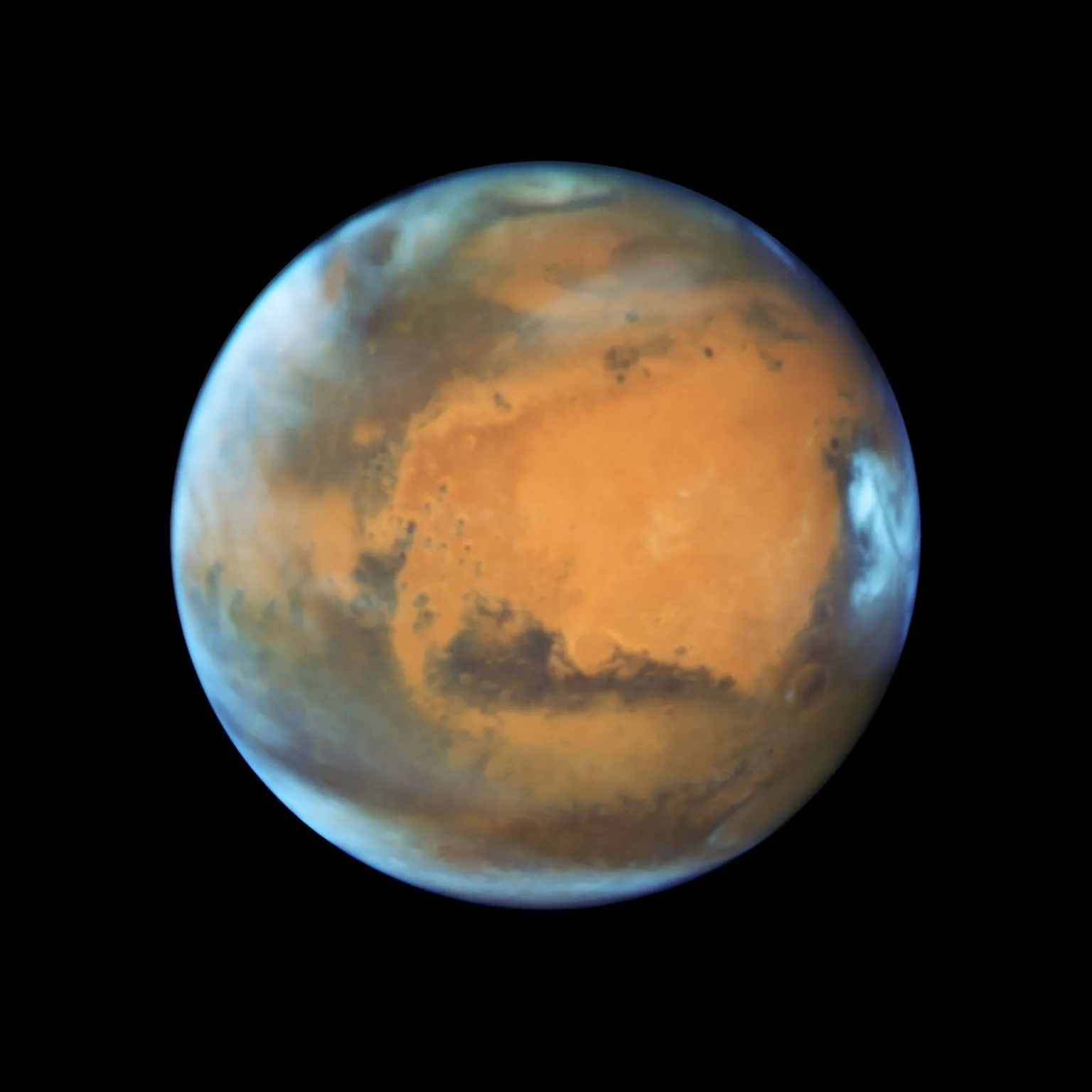
Elon Musk has spoken of sending humans to Mars before the end of this decade, but many experts believe the earliest realistic timeframe is the 2040s.
The journey to Mars alone, lasting seven to nine months through intense radiation and with no rescue possibility, presents challenges far greater than those involved in lunar missions.
Mars's thin atmosphere complicates landing a full-sized crewed spacecraft and launching it again, making the mission's complexity staggering.
Renewed Momentum in Human Spaceflight
Artemis II has reignited interest in human spaceflight. Private companies are urgently developing rockets and landers, and Europe is actively considering deeper engagement.
After the Artemis launch, the Kennedy Space Center revealed new buildings by Blue Origin and ongoing construction by SpaceX, representing private sector infrastructure alongside a government agency that once sent astronauts to the Moon.
Even if schedules slip, this new partnership suggests a significant development on the Florida coast, with NASA regaining some of its former momentum.
ESA astronaut Alexander Gerst once told Josef Aschbacher, ESA's Director General, after returning from the International Space Station, that the view from space changes everything.
"I wish all eight billion people on Earth could go to space just once and see what I saw – a small, fragile, beautiful planet, cared for not nearly well enough by the species lucky enough to live on it."
Aschbacher reflected on this, saying:
"That would create a very different life on planet Earth."