Introduction to the Struggle
From the activist who knew him as ‘Uncle Nelson’ to the campaigner who later became a cabinet member, this article features interviews with those involved in the anti-apartheid struggle and who appear in a revealing new documentary.
Peter Hain, an activist who later served as a senior Labour minister, reflects on the campaign to end apartheid in South Africa. He notes that while the movement is often remembered as a major success and Mandela as a global icon, Mandela was once viewed very differently.
“Mandela was considered the devil incarnate. He was denounced as a terrorist by Margaret Thatcher only a few years before his release. We were vilified.”
Hain emphasizes that although his own experiences were difficult, they were minor compared to the hardships faced by Black South Africans. He recalls being targeted personally, including receiving a letter bomb and being falsely accused of bank theft. He describes the campaign as
“a hard struggle, a bitter struggle.”
Documentary Highlights Three Decades of Campaigning
The new documentary series Free Nelson Mandela chronicles the three decades of activism leading up to Mandela’s release in 1990 and his election as South Africa’s president in 1994. The series serves as an inspiring testament to the power of resistance, resilience, and the sacrifices made by many.
Oliver Tambo’s Exile and Family Perspective
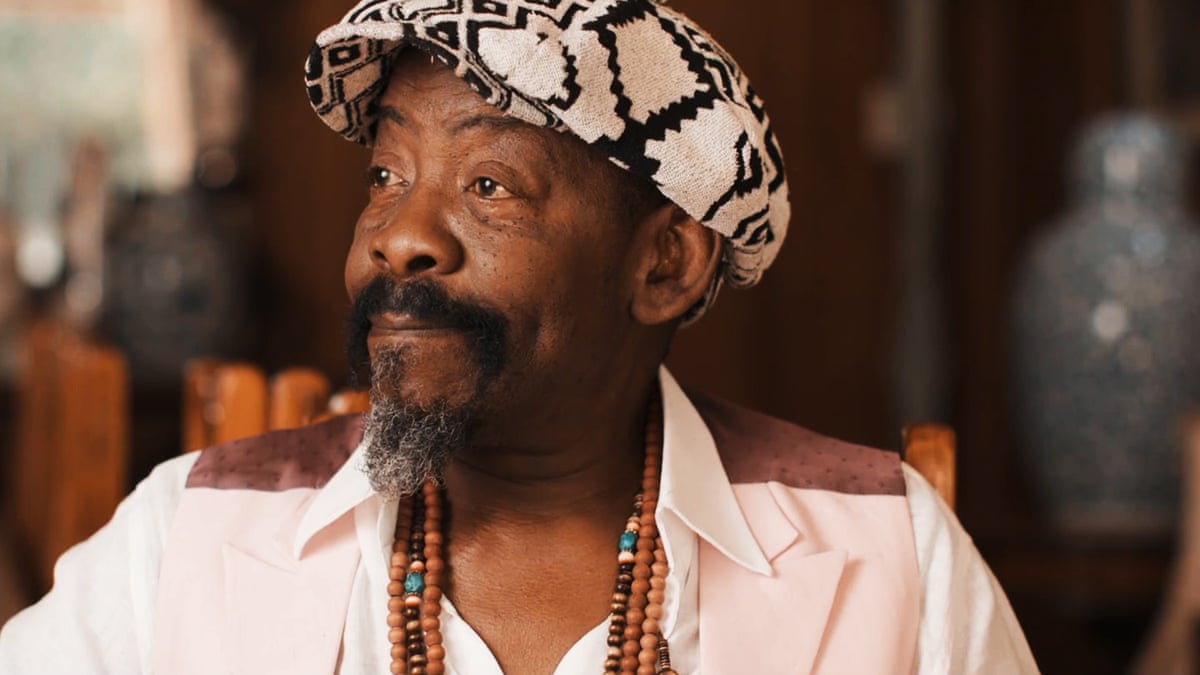
Dali Tambo, son of Oliver Tambo, the ANC president who went into exile in London in 1960, shares his experiences growing up under constant threat. Many activists who left South Africa, such as Ruth First, known to Dali as “Auntie Ruth,” and Dulcie September, with whom he lived while studying in Paris, were assassinated. The ANC offices in London were also bombed.
“[My father’s] perspective was that ‘yes, one day the agents of apartheid will kill me but it can’t dissuade me from doing my work. We’re all at threat in this movement’,”recalls Tambo.
“He was determined that despite those threats, he would continue the struggle. He and his colleagues just took it as a given that they would not live to see freedom.”
Despite these threats, Oliver Tambo died in 1993 after a stroke, having lived to see Mandela’s release.
During his childhood, Tambo remembers his parents seeking help from the Algerian embassy to sweep their London home for bugs, which were found two out of three times. At around age 14, he discovered a man hiding in the cellar who tried to escape by kicking him through a glass door and fleeing over the back fence. At boarding school, some considered him the son of a terrorist.
Peter Hain’s Early Activism and British Anti-Apartheid Movement
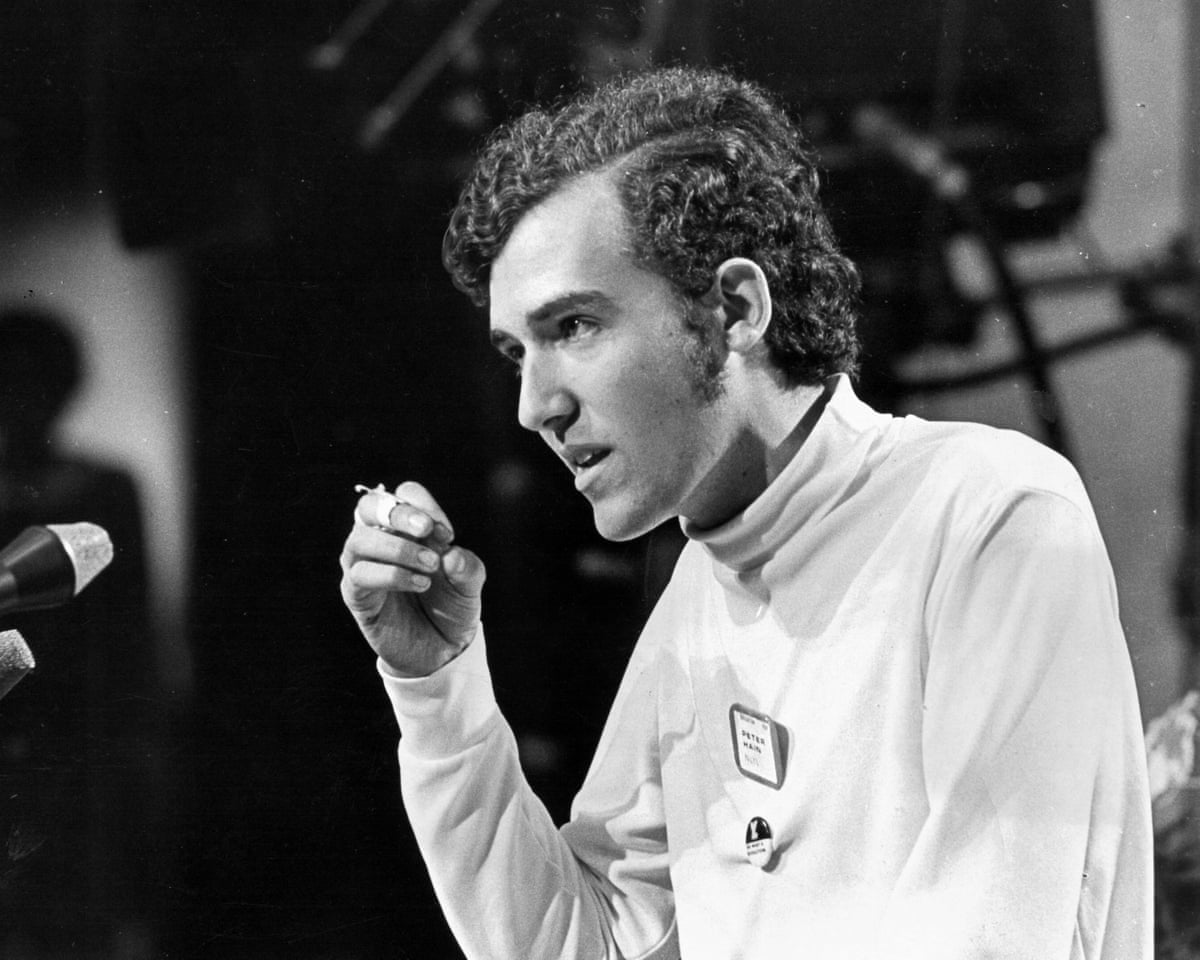
Peter Hain arrived in the UK in 1966 as a teenager, having experienced police raids, telephone taps, and his parents’ brief imprisonment in South Africa. He recalls sailing past Robben Island, where Mandela was imprisoned in harsh conditions, and thinking about his friend Mandela’s plight.
Hain highlights the significance of the British anti-apartheid movement, noting that while newly independent African countries and the US Black community expressed solidarity, the British movement became the center of the international struggle.
Both Hain and Tambo used sport and culture as tools for activism. Hain led protests against the 1969 Springbok rugby tour of Britain and Ireland and successfully campaigned to cancel the South African cricket tour the following year.
“The sports campaign brought to millions of sports fans a sudden awareness: what’s apartheid about?”
Hain later became an MP, cabinet minister, and member of the House of Lords.

The Role of Arts and Culture in the Movement
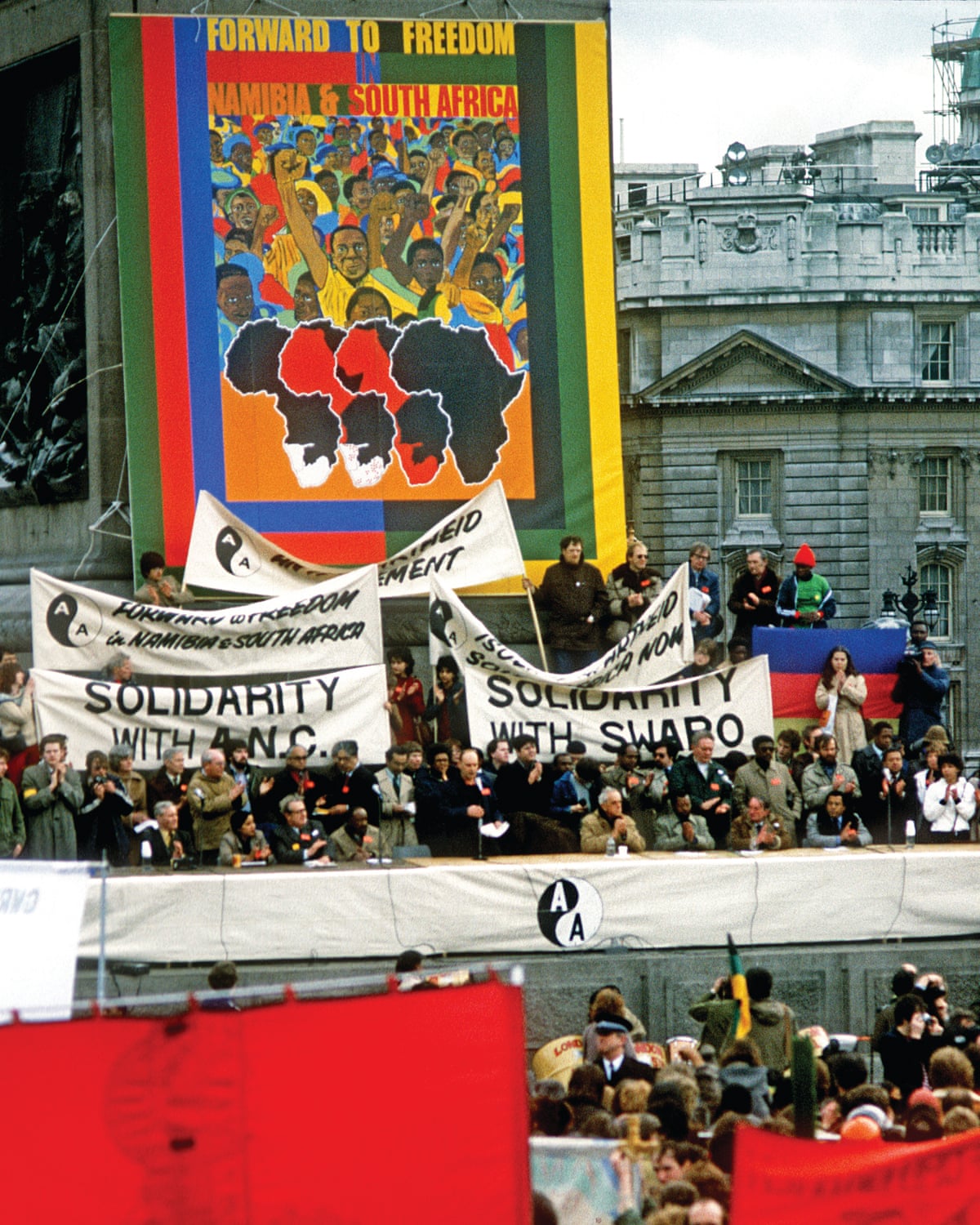
The arts played a crucial role in raising awareness. A 1983 concert at London’s Alexandra Palace, featuring South African musicians Hugh Masekela and Julian Bahula, inspired Jerry Dammers of the Specials, who had protested the Springboks rugby tour as a teenager. Dammers composed Free Nelson Mandela, which became an anthem for the movement. In 1986, Tambo and Dammers founded Artists Against Apartheid, gaining support from numerous British artists.
“If George Michael or UB40 or Sting are on your wall, and they say ‘we’re anti-apartheid’, you’ve got to ask yourself, as a young person, ‘what is apartheid, why are they anti-it?’”says Tambo.
“The momentum built, on the cultural side and on the political side.”
Mass Demonstrations and Concerts
A major march in June 1986, then the world’s largest anti-apartheid demonstration, culminated in a free concert at London’s Clapham Common featuring artists such as Gil Scott-Heron, Boy George, and Sting. A 1988 concert at Wembley Stadium, starring Whitney Houston, Stevie Wonder, and Dire Straits, with performances by Lenny Henry and Billy Connolly, was broadcast by the BBC and reached an estimated 600 million viewers worldwide.
Oliver Tambo, according to his son, was deeply moved by the concert.
“He said: ‘I could give 1,000 speeches and it wouldn’t be as powerful as what I’ve seen here today.’”
Peter Hain describes the concert as a
“gamechanger.”He notes that while sports boycotts had raised awareness, the concert reached audiences beyond politicians’ usual reach. The movement included diverse actions, from grandmothers refusing to buy South African oranges to students disrupting Barclays Bank stalls on campuses, as Barclays was a major South African investor.
The concert helped shift public opinion despite political pressure on the BBC not to broadcast it. Hain concludes,
“And then, of course, instead of the devil incarnate, we had this saintly grandfather who wowed the world.”
Peter Hain’s Personal Encounters with Mandela
Hain met Mandela after his release and later escorted him to the 2000 Labour party conference where Mandela was the guest speaker. He recalls a moment in a hotel lift when Mandela asked about Hain’s mother, who was hospitalized after a fall. Mandela insisted on speaking to her, and while Hain searched for her hospital ward number, Mandela greeted every hotel staff member lined up to meet him.
“I finally get my mum on the line, and I hand him the phone, and he says, ‘This is Mandela from South Africa. Do you remember me?’”
Hain remarks,
“The thing that distinguishes him from all the other prominent people I’ve ever met is he was a people’s person.”Despite all he endured, Mandela remained approachable and connected to people.
“He was a very tough-minded, clear leader, but he could always relate to his followers. He managed to go out in the front sometimes, which leaders have to do, but never forgot who his constituents were.”
Dali Tambo’s Relationship with Mandela
Throughout Tambo’s childhood, Mandela was a mysterious figure.
“Your Uncle Nelson’s in prison, and once a year my mother and [fellow activist] would find a way to talk, but most of it was through telegrams or letters smuggled out [including] from Robben Island. So he was mysterious.”Yet Mandela was also family.
Their first phone conversation surprised Tambo because Mandela seemed well-informed about him, but the conversation was natural. They met when Oliver Tambo was recovering from a stroke in a Swedish hospital. Mandela, on one of his first trips abroad, visited him there. Tambo recalls,
“He had this beautiful manner about him, and I know that they had a very emotional first meeting when they got together again after 30 years. It was wonderful. We spent time together, and he was very much family, guiding me.”
Mandela was, according to Tambo,
“a revelation. And just Uncle.”
Broadcast Details
Free Nelson Mandela will be broadcast on on 14 June at 9pm.