

Trapped Reporter Reconnects After Years of Silence
Soon after Mohamed Suleiman entered the telecoms office in the coastal city of Port Sudan on 13 January, he began to cry.
He had not heard his phone ring for most of Sudan's civil war, which started exactly three years earlier following a power struggle between the army and its former ally, the Rapid Support Forces (RSF) paramilitary group.
The journalist and academic had managed to reach Port Sudan after being trapped in the western city of el-Fasher, largely isolated by a communications blackout and unable to fully report the atrocities he witnessed.
"I was flustered because people were talking on their phones (inside the office)," he tells the BBC.
"Throughout the past three years, my phone was silent. After I inserted the SIM card, my tears flowed."
When his phone finally activated, it received three years' worth of messages, a record of loss: news of colleagues who had died, friends inquiring if he was still alive.
"A few days ago, a person called me saying he thought I had died," he says. "Some people had told him that I was in Port Sudan, so he called me, but he didn't believe (it was me) until I called him back by video, then he broke down in tears."

The Deadly Silence of War
In some respects, the silence was nearly as lethal as the violence, Suleiman explains.
"It was a suffocating feeling because I was watching systematic killings through drone strikes and bombs or deadly killing through the tight siege" imposed on el-Fasher by the RSF for 18 months.
"And when the RSF finally took over the city in October last year, 'It was like the Day of Judgment on Earth,'" he says.
"We witnessed the Day of Judgment on Earth."
The fall of el-Fasher marked one of the most brutal episodes of the civil war, which began in the capital Khartoum on 15 April 2023.
The conflict rapidly spread across the country and has been particularly severe in Darfur, the RSF's stronghold, where el-Fasher is located.
As the war enters its fourth year, fighting has resulted in a de facto division between territories controlled by the army and those held by paramilitaries.
Millions of Sudanese have been displaced, some fleeing abroad, forced from their homes amid the world's worst humanitarian crisis.
Diplomatic efforts led by the US to end the conflict have failed, with both sides receiving support from regional powers that prolong the fighting.
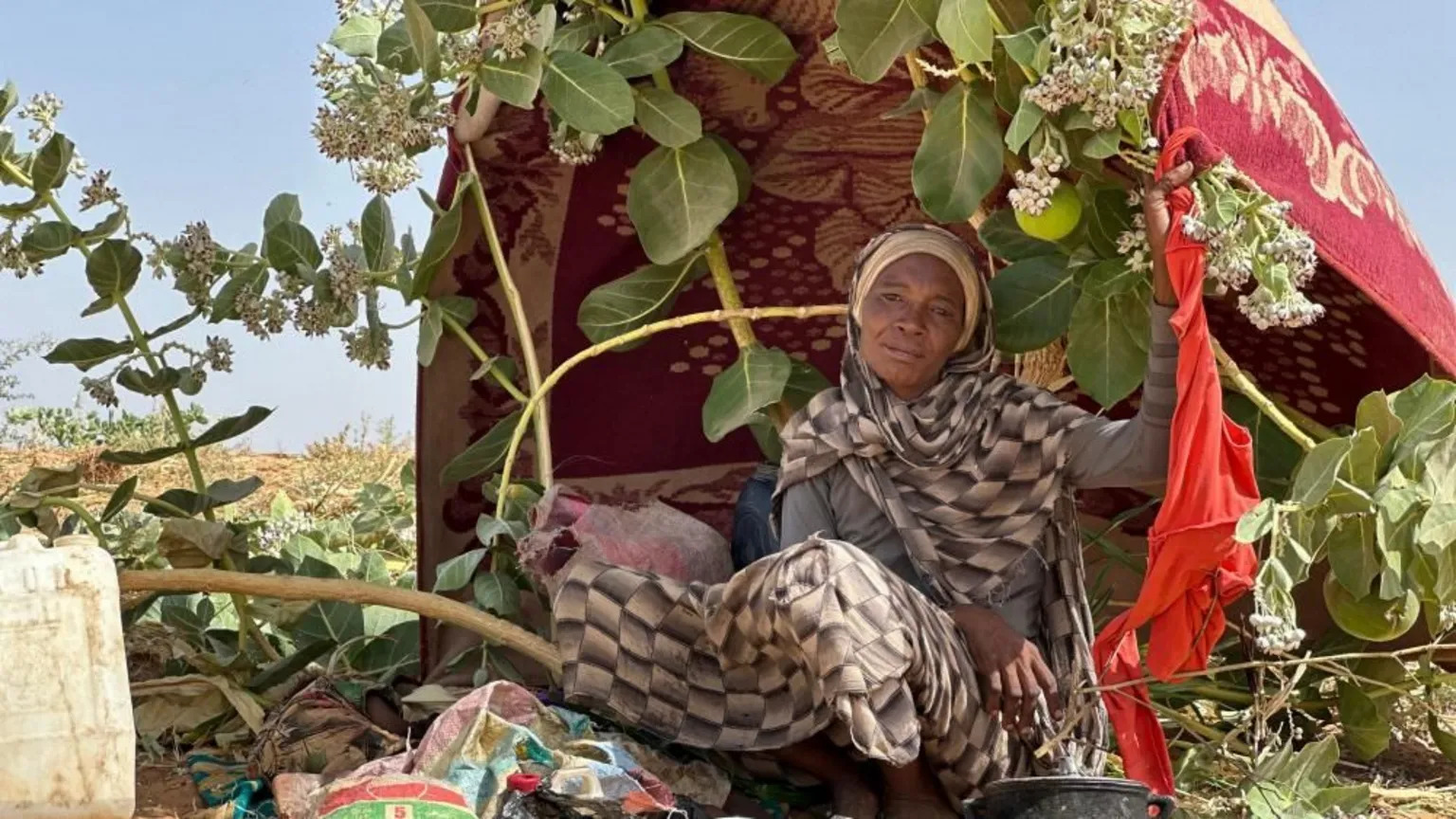
A Chronicle of Suffering and Survival
Mohamed Suleiman's account reveals the worst aspects of the war and how it deprives civilians of food, shelter, life, and even identity.
Civilians in el-Fasher were caught in the crossfire between the RSF and local armed groups allied with the army defending the city. As the paramilitaries tightened their siege, a UN-backed food monitor declared famine conditions.
The relentless daily trauma of death and hunger culminated in apocalyptic scenes as people desperately tried to flee when the RSF closed in.
"We saw dead children in the streets," Suleiman says.
"We saw women crying from extreme hunger and thirst, too weak to carry their children, so they left them in the road."
"There were people we know by name and know their fathers, we cannot provide anything for them."
"There is no food, no water, no first aid to save them, or to carry them with you. You cannot do anything. So you step over them, jump over them, cry, and continue walking," Suleiman says.
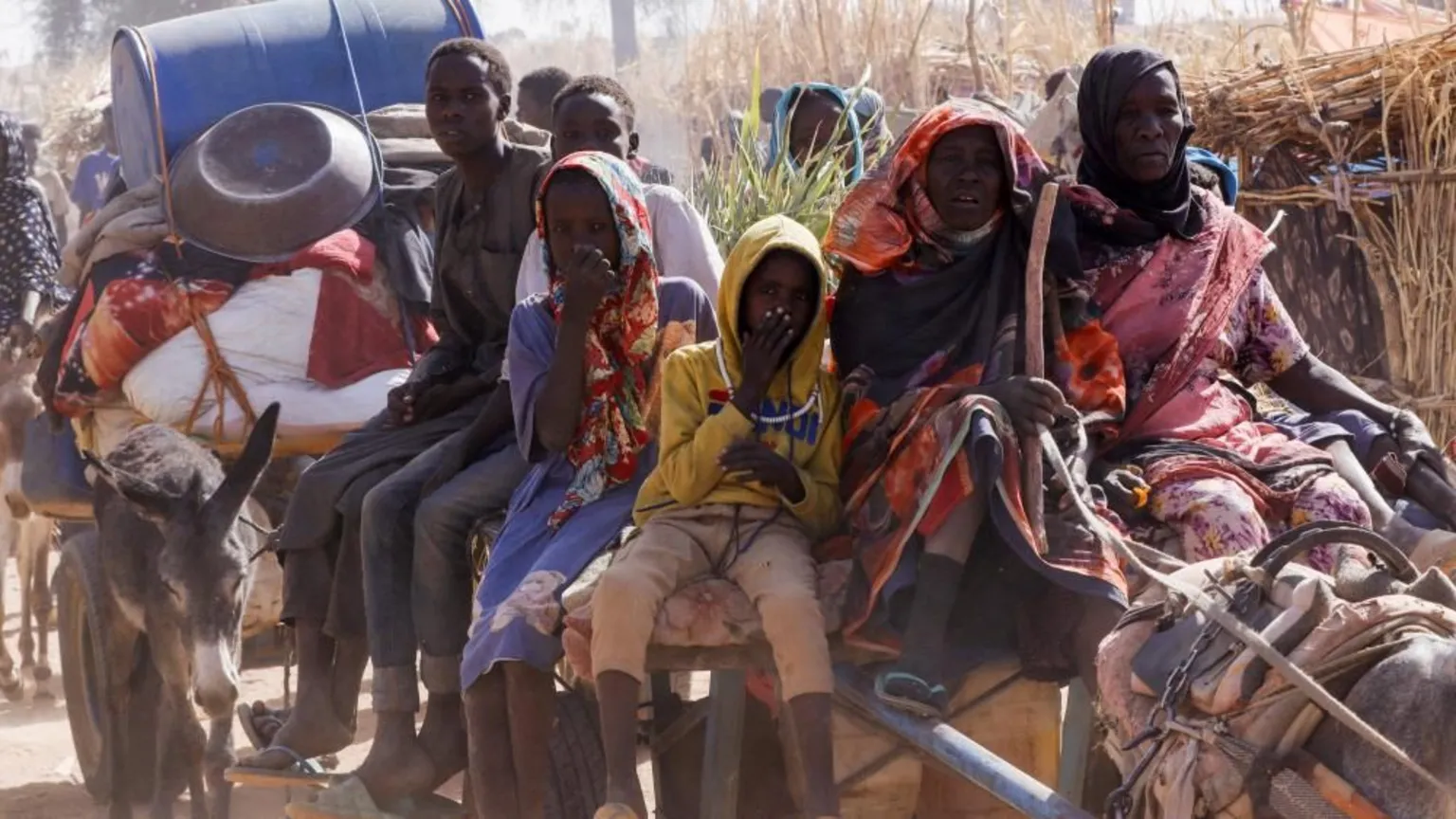
Many attempted to escape to the nearest safe town, Tawila. The road was strewn with the dead and injured — "very, very large numbers, countless numbers."
"If there had been a way to call for help," Suleiman says, "they wouldn't have had to leave so many wounded behind."
He adds that some events are indescribable due to their inhumanity.
"There are things I cannot describe because they are inhumane. I cannot talk about them. And the regrettable thing is that the audio-visual media did not convey the scene.
Until now, the world does not know what happened in el-Fasher city, nor does the state know."
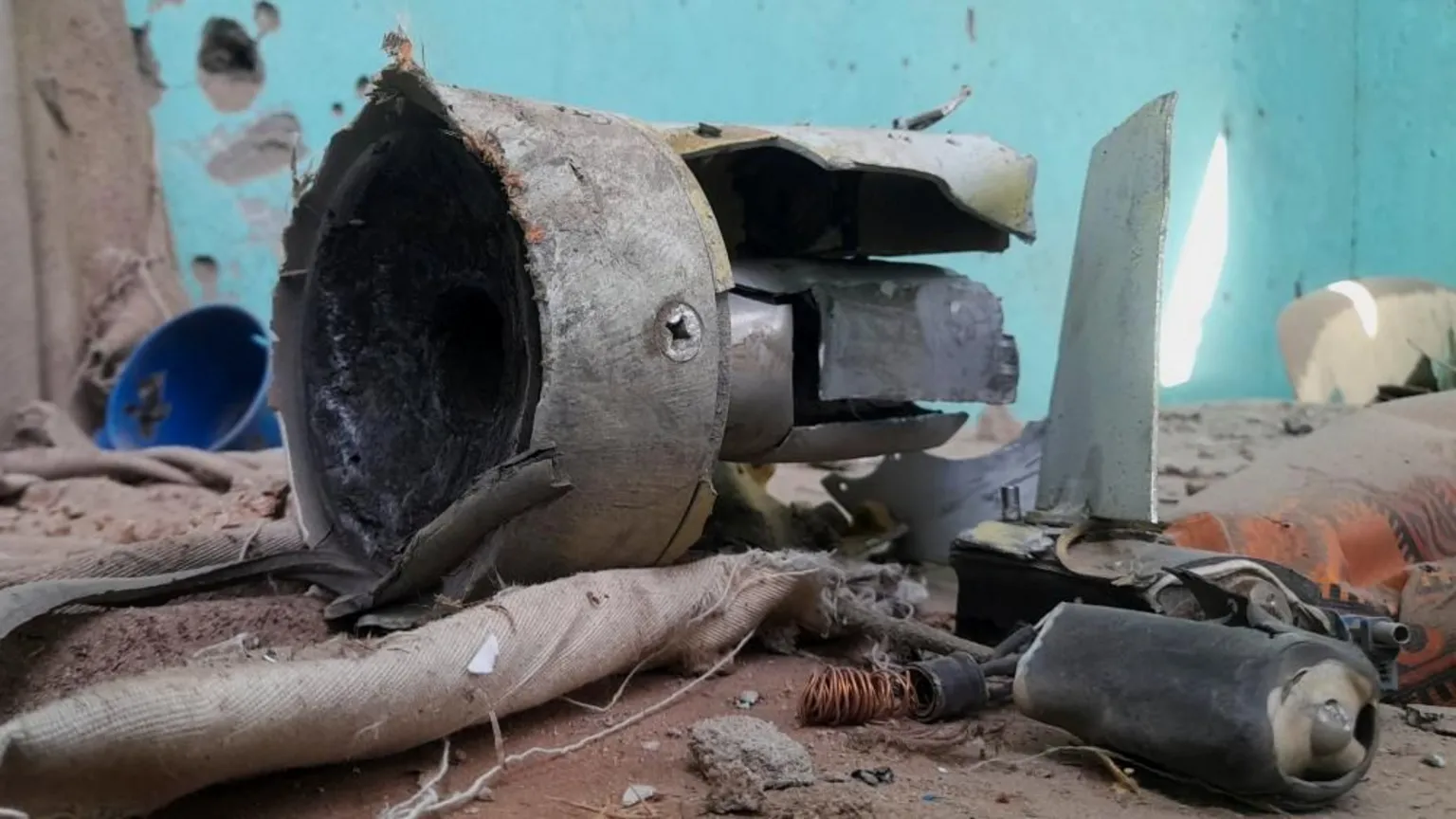
Accusations and War Crimes
The RSF leadership has acknowledged "individual violations" during the takeover of el-Fasher but claims investigations are ongoing and the scale of atrocities has been exaggerated by opponents. Both sides face accusations of war crimes, including mass civilian casualties from air and drone strikes.
Communications Blackout and Risks for Journalists
Communications in el-Fasher became unstable from the war's onset due to fighting and fuel shortages that cut power. This evolved into a full blackout, intensified when the RSF imposed a siege in May 2024.
Some individuals smuggled in Starlink devices enabling satellite internet, but these were costly and restricted by the army when controlling the city.

The RSF confiscated any found devices. Journalists who accessed Starlink faced risks from both sides.
"The Rapid Support Forces consider you affiliated with security agencies and accuse you of using it for espionage," Suleiman tells the BBC.
"As for the army, they consider that when shelling begins, you are accused of being a spotter," he explains, referring to someone who identifies targets and communicates ground conditions to the enemy.
"The accusation of being a spotter harmed many journalists and harmed the transmission of truth from el-Fasher.
And the military authorities did not give you a permit to convey the truth. So, you hide, and when you try to convey the news secretly, you expose yourself to risks."
Personal Danger and Near-Death Experience
Suleiman himself faced the same dangers as others.
In July 2025, a shell landed less than two meters from him while he was returning home.
He survived but lay on the ground for about half an hour, holding a phone unable to call for help.
"If I had been injured, I would have died," he says.
He observed drones flying over the city but had no means to warn people to seek shelter from bombing. Even using his phone without a network connection risked targeting due to the screen light.
"You had to go under the bed and cover yourself with a blanket," he says.
"When the shelling starts, you hide in rooms and under beds. Or in a trench under the earth, or take shelter in anything, sometimes for up to seven hours in very hot weather. You remain silent, unable to speak. And you cannot convey what you are seeing."
Suleiman witnessed the deaths of many children, noting that even a moving donkey cart hit by a drone could contain children.
Faith Amid Despair
Under such dire conditions, people clung to their faith.
"We remembered God Almighty night and day. Neighbours would come to the Quran circle in the house," Suleiman says.
"After Asr (afternoon) prayer, we would read a part of the Quran, while the shelling was ongoing. If the shelling came from the north, we would move south; if from the south, we would move north."
Arrival in Port Sudan and Bureaucratic Struggles
Suleiman prayed again upon reaching Port Sudan, the military-backed government’s headquarters for most of the war, in January after a journey exceeding two months through Chad.
"As soon as I arrived in Port Sudan, I prostrated in the airport and cried intensely because I never imagined I would reach a safe haven," he said.
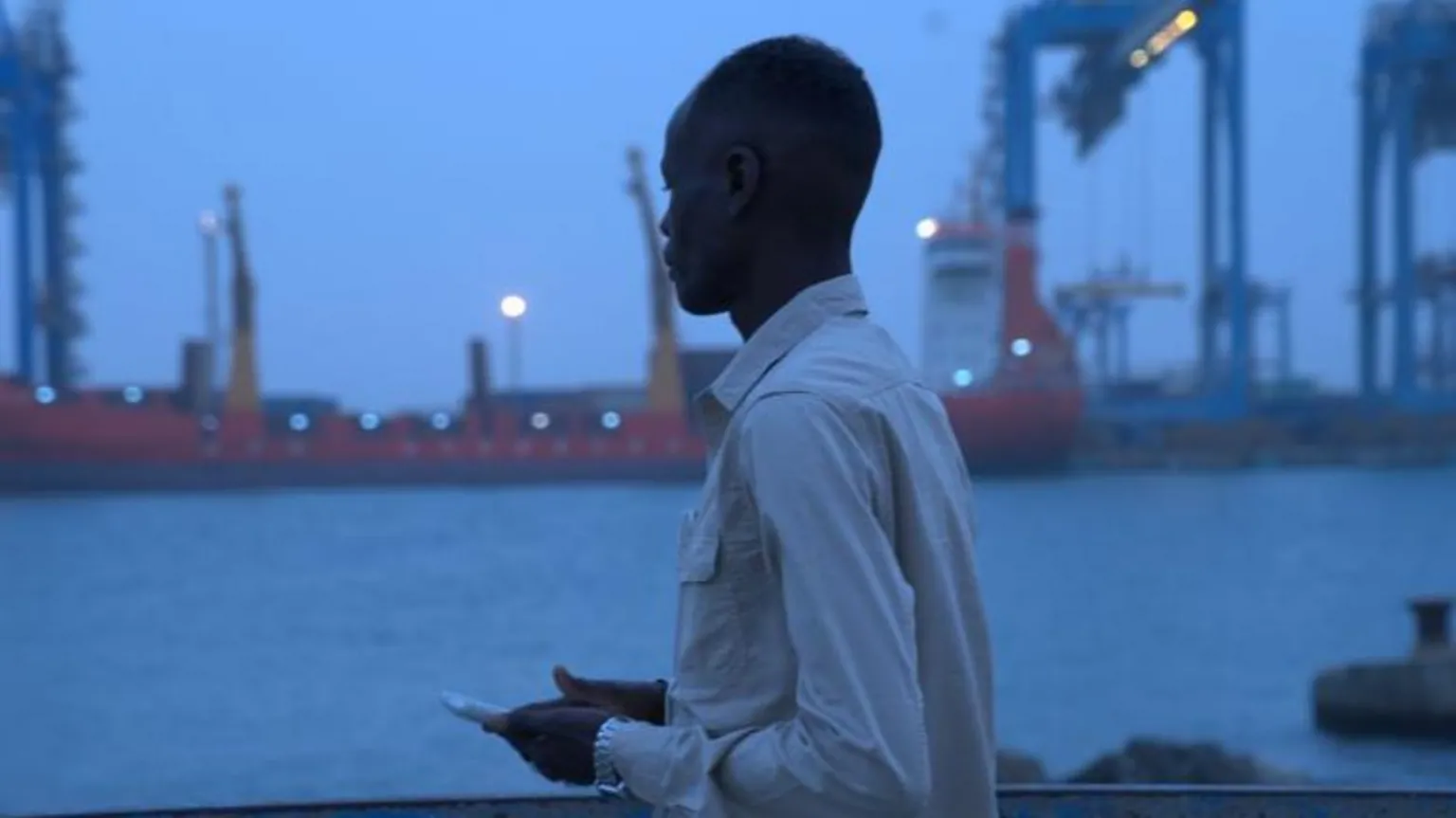
Although safe, Suleiman had lost all identification documents. Recovering them was a struggle that restored his sense of identity but involved bureaucratic challenges.
"I spent 22 days going around offices," he says. "The last regrettable thing they said to me was to bring my mother. And to bring a number of witnesses. Thank God I have witnesses and I brought them, but what happens to the person who comes out of the war and has no one?"
Special procedures for exceptional cases announced by officials were, according to Suleiman, mere rhetoric. He urges the state to provide identification documents free of charge to those emerging from war zones.
Reflections on International Response
Reconnected to the world, Suleiman feels the world has not returned to him after all he has endured.
"There is no international law in the world," he says bitterly.
"There is no such thing as the United Nations. If there were human rights international organisations, no day would pass in el-Fasher with people dying, hungry and thirsty, bombed by shells and drones.
There is no ceasefire, no medicine, no basic necessities of life."
The global community has failed to meet Sudan's massive humanitarian needs, hindered by ongoing fighting, bureaucratic restrictions from both sides, and insufficient funding — only 16.2% of the UN's $2.87bn needs assessment for 2026 has been met so far.
Efforts to halt the fighting have also failed.
A peace plan proposed last September by the Quad nations — the United States and regional countries heavily involved in the war, Saudi Arabia, the United Arab Emirates, and Egypt — has made no progress.
Meanwhile, US envoy Massad Boulos is attempting to secure agreement on at least a humanitarian ceasefire.
A Fragmented Sudan and a Commitment to Truth
The Sudan Mohamed Suleiman now experiences is a fragmented country with its people scattered. Yet, telling their story gives him purpose.
"There are events that happened that no-one is left to narrate, and the memory remains only with us... until we die, we will convey the truth to correct the situation for the next generation, so they live dignified and honoured in their homeland."
Go to BBCAfrica.com for more news from the African continent.
on Twitter @BBCAfrica, on Facebook at BBC Africa or on Instagram at bbcafrica


