Mass Kidnappings and Threats of Organ Harvesting
More than 300 migrants travelling to the UK last summer were kidnapped, tortured, and threatened with forced organ removal, according to an investigation by the BBC.
The victims, all young men from Iraqi Kurdistan, were seized in Libya by a militia demanding a ransom of $5,000 (£3,700) from each family. The captors warned that if the ransom was not paid promptly, they would forcibly remove the migrants' kidneys.
The BBC has interviewed some of the hostages who have since been released and reviewed photographic evidence suggesting that forced operations may have occurred.
Former captives provided evidence of torture and described being confined in overcrowded conditions, with nearly 180 individuals held in a single cell.
At least one hostage is confirmed to have died, while the status of others remains unknown.
Background on Smuggling and Militia Involvement
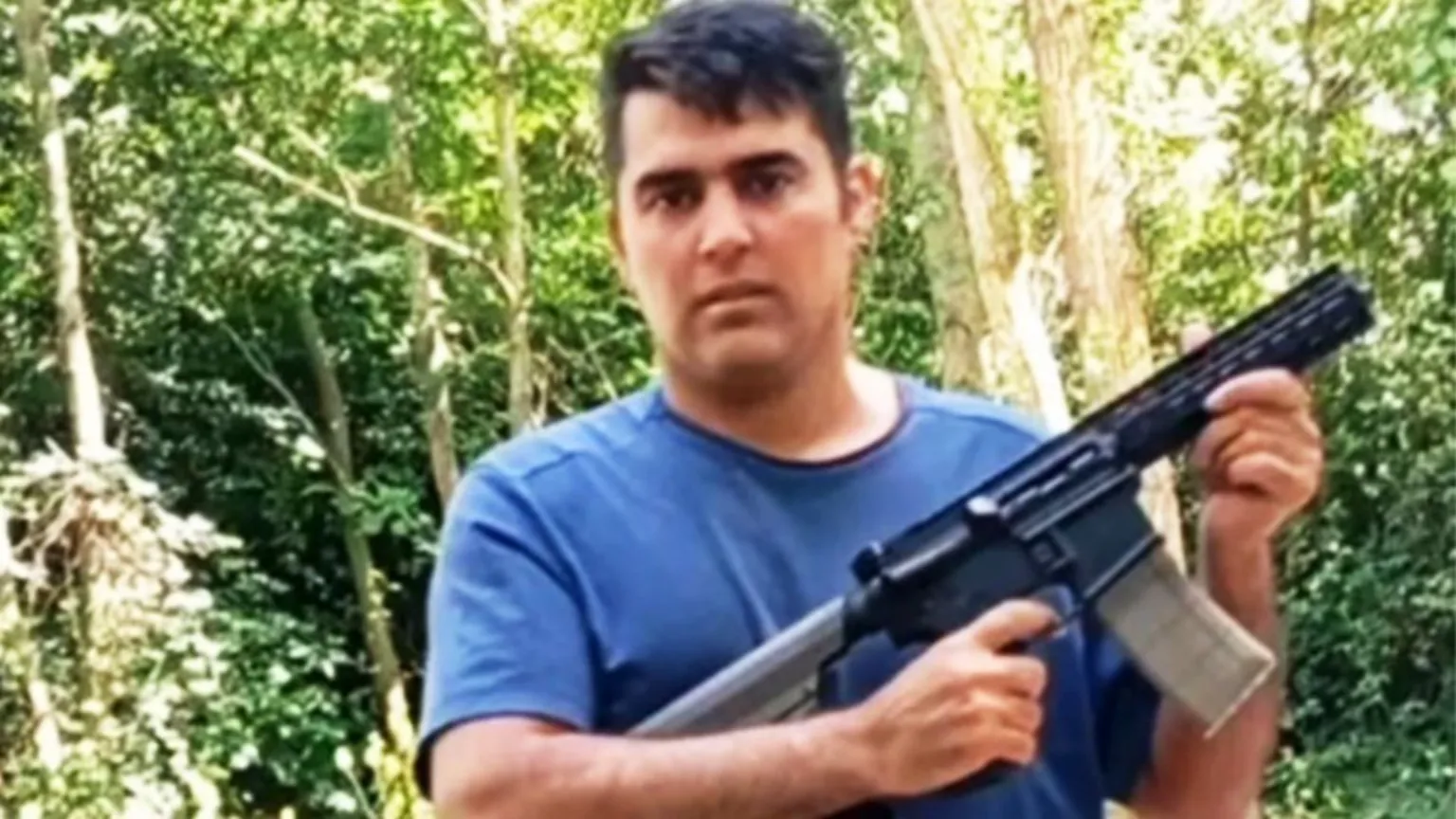
The militia responsible was initially tasked with escorting the migrants through Libya to the Mediterranean coast. However, a payment dispute arose with the Iraqi Kurd people-smuggler Noah Aaron, who had organised the journey.
Noah Aaron is currently serving a 10-year prison sentence in France for unrelated money laundering and smuggling offences.
Details of the kidnappings surfaced during a recent BBC investigation into another smuggler, Kardo Jaf, which resulted in his arrest last month.
Both smugglers hail from Ranya, a town in Iraqi Kurdistan, a region described by the UK think tank Chatham House as "riddled with active smuggling networks."
In February, while conducting inquiries about Jaf in Ranya, a BBC investigative team was approached by a local man whose son had been among the hostages.
The man explained that Aaron's smuggling group had charged his family thousands of dollars to arrange the journey to the UK, which involved travel through northern Africa and across the Mediterranean into Europe.
The route passes through Libya, a country described by UN adviser Anthony Dunkerley as having a "huge vacuum of government."
Much of Libya is controlled by rival militias, and smuggling networks depend on their cooperation.
Conditions of Captivity and Ransom Demands
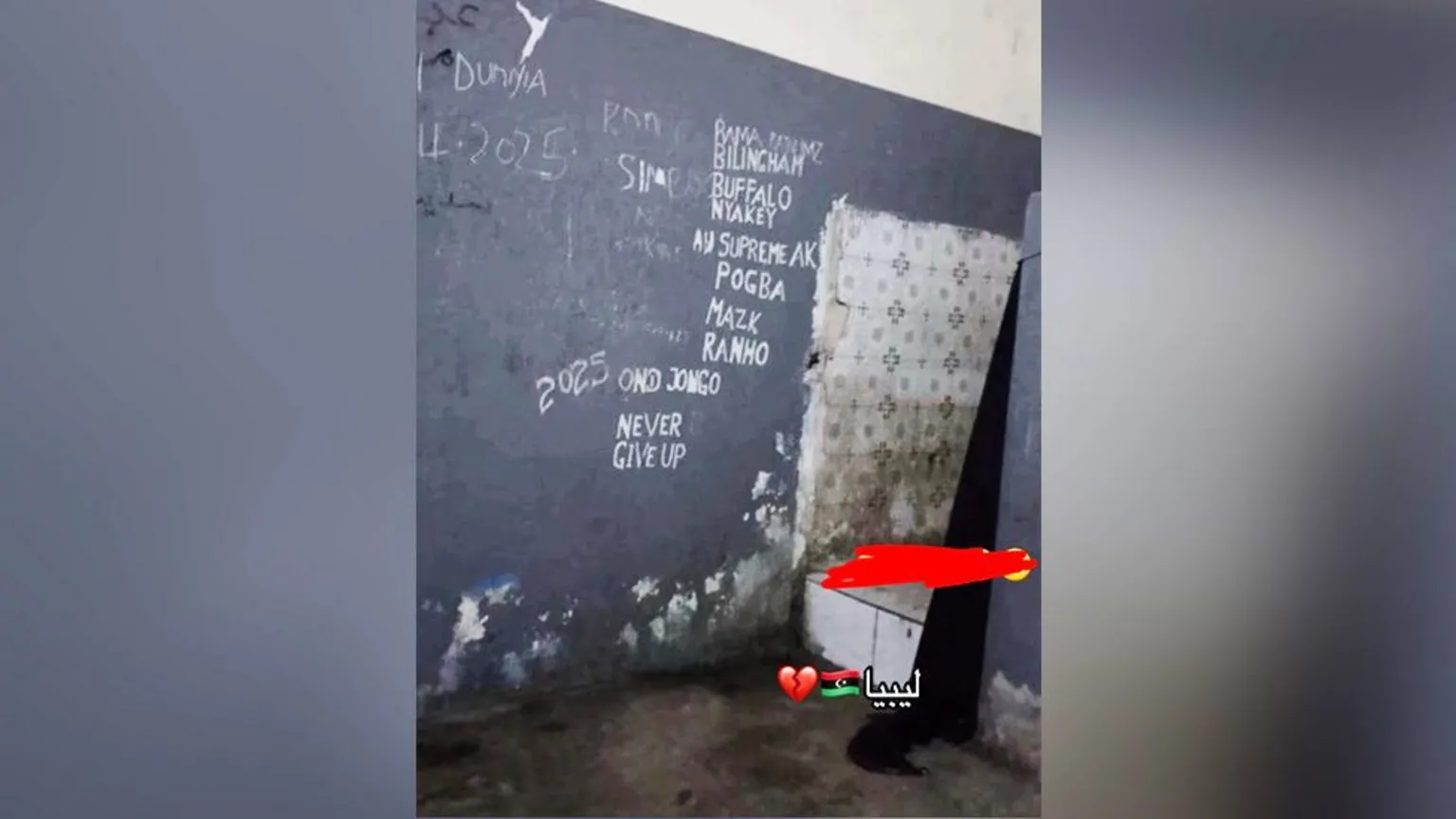
During the summer of 2025, successive groups of migrants arriving in Libya from Iraqi Kurdistan were taken to a guarded compound and imprisoned.

The militia demanded $5,000 per hostage, claiming Aaron had failed to pay for a previous arrangement. Families were warned that if the ransom was not paid quickly, payment would be extracted "with a kidney."
The captors sent photos and videos of the hostages, many depicting distressing or violent scenes. In one video, a young man was filmed being told he was being taken to a doctor to have his kidney removed.
The local man in Ranya who spoke to the BBC said he paid the ransom. His son was among 110 hostages flown home in January on a plane arranged by the Iraqi government.
However, the man showed a photo his son had sent from captivity, displaying a raw scar suspected to be from forced organ removal.
Following this, dozens more people came forward, many sharing similar images from their relatives.
A UK medical consultant reviewed one of the photos and stated that the scars appeared consistent with incisions from kidney surgery. Nevertheless, the BBC has been unable to independently verify that organ removal occurred.
Challenges in Investigating Kidnappings and Organ Trafficking
Kidnapping for ransom is a well-documented issue along migration routes through Libya. Criminal groups exploit the limited state control in certain areas, complicating investigations and prosecutions, according to Dunkerley.
Many hostages have now been released. Some families paid the ransom, but Kurdish authorities suspect others may have paid with their internal organs.
Testimonies from Released Hostages
The BBC spoke with several returnees in Ranya.
One young man showed scars on his leg from burns inflicted during torture.
"They burned my leg," he said, rolling up his trousers to reveal the marks.
A 16-year-old boy described being one of 178 individuals confined in a small cell.
"We didn't see the Sun for six months," he said. "It was so cramped that everyone had to sleep sitting up. We all shared a single toilet, and those who took too long were beaten."
Families reported that food consisted of only one piece of bread per day, and captors would provide it only if additional money was paid.
Ongoing Migration and Official Responses
Despite these dangers, illegal migration from Iraqi Kurdistan to Europe continues, according to Hemn Merany, a senior official at the Kurdistan Regional Government's Ministry of the Interior.
Merany has urged returned hostages to share their experiences to deter others from attempting the journey.
"The very sad part of this business is we do not learn," he said, recounting the story of a father whose son died in Libya after a suspected forced organ removal. At the son's funeral in Ranya, the father learned that two of his son's cousins had recently left for Europe.