

Inquiry Reveals Death Toll in Tanzania Election Violence
A total of 518 individuals died in Tanzania from "unnatural causes," including 197 who were shot, during the widespread protests following last year's general election, according to a commission of inquiry established to investigate the violence.
Commission chairman Mohamed Chande Othman did not specify who was responsible for the deaths, instead recommending further investigations.
This marks the first official disclosure by authorities regarding the number of fatalities.
Opposition parties and human rights organizations had previously accused security forces of a harsh crackdown on anti-government protesters, alleging thousands were killed.
Election Context and Reactions
President Samia Suluhu Hassan was declared the winner of the 29 October election with 98% of the vote, a result the opposition criticized as a "mockery" of democracy after the exclusion of her main challengers.
At the time, President Hassan asserted the election was fair and transparent, attributing the violence to foreign interference aimed at overthrowing her government.
International observers raised concerns over the election's transparency. Both the African Union and the Southern African Development Community (SADC) noted the election did not meet democratic standards.
Evidence of Police Response
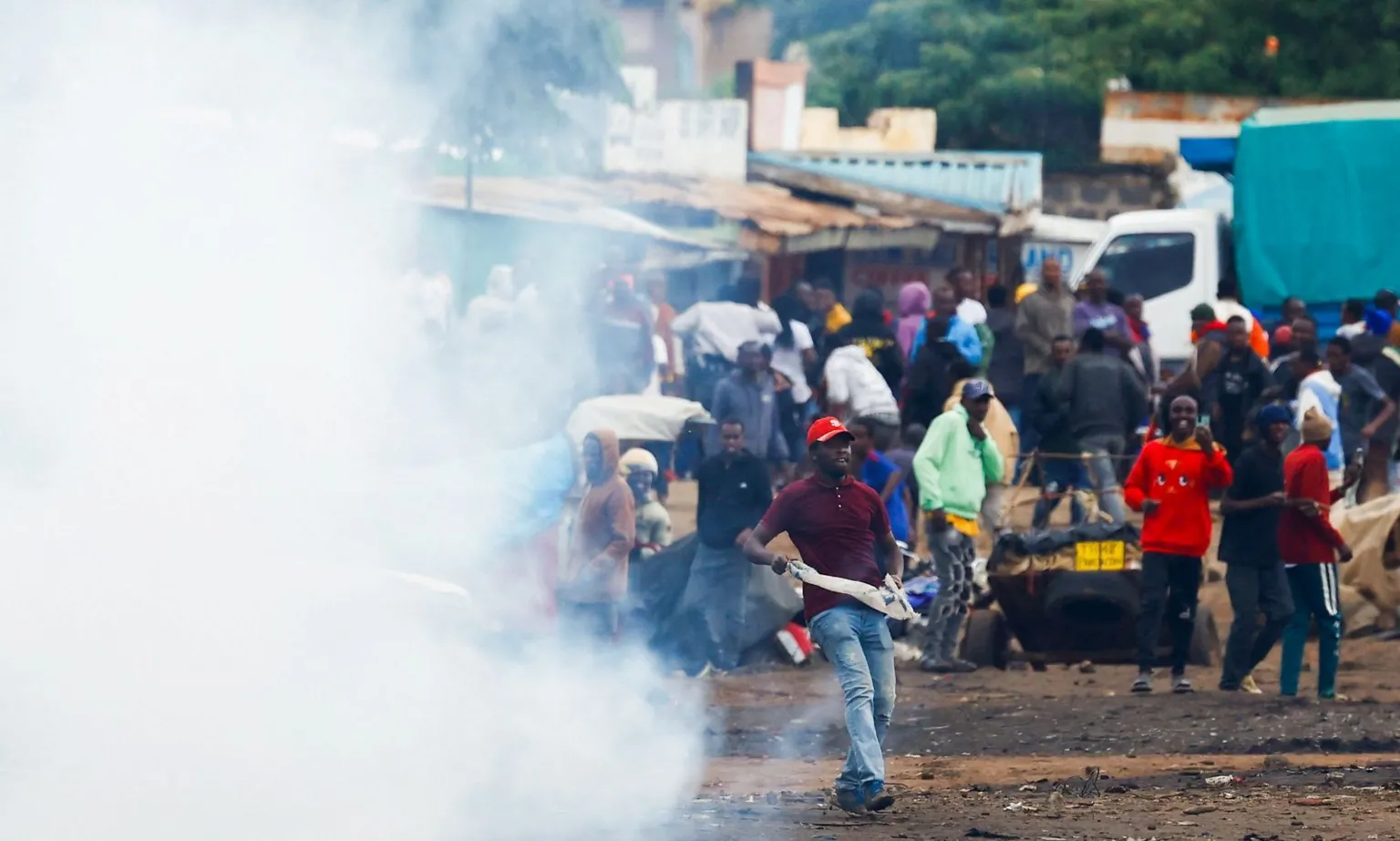
Last year, the BBC verified multiple videos showing police firing at groups of protesters. Online footage depicted demonstrators confronted by heavily armed police units blocking their path and deploying tear gas to disperse crowds. Gunfire is audible in many videos as people flee the ensuing chaos.
Impact and Government Response
The scale of the violence was unprecedented in Tanzania, a country known for nearly six decades of calm, consensus, and order.
Following receipt of the report, President Samia stated the events "shook our nation" and that the government would learn from them.
"We have learnt. The commission has told us that all the violence was planned coordinated, financed and executed by people who were trained and given equipment for committing crimes,"
she said, defending the security agencies' actions as necessary to prevent the state from descending into anarchy.
She further suggested that the aim of those involved was "to create a leadership vacuum" and render the country "ungovernable," adding that those responsible would be held accountable.
The president also announced the creation of a criminal investigation body to examine offenses related to the post-election unrest.
This body will identify individuals involved in criminal acts such as breaking into shops, looting, damaging infrastructure, and causing deaths.
"The investigation will also examine the deaths of children, address claims of missing bodies, and probe allegations of abductions, including cases beyond the immediate areas of the unrest,"
she added.
Opposition Reaction and Death Toll Details
The main opposition party, Chadema, described the report as a "cover-up" and an attempt to "whitewash the regime's crimes," according to AFP.

Of the 518 dead, 490 were male, 21 were children, and 16 were security officers, Othman stated.
He noted that the death toll could be higher, as some victims were buried without authorities being informed.
More than 2,000 people were injured, including 120 security officers.
Opposition and religious groups had claimed thousands were killed, with reports of bodies taken from hospitals and some allegedly buried in mass graves.
Othman said claims of mass graves "could not be substantiated," alleging some images were manipulated using artificial intelligence.
Causes and Nature of the Violence
The commission identified several underlying causes of the violence, including economic, political, and social issues such as demands for political reforms, unemployment, and "lack of patriotism."
It stated that politicians and activists exploited these issues to encourage citizens to participate in protests.
The commission characterized the demonstrations as neither peaceful nor lawful, stating they would not qualify for legal protection.
Concerns Over Commission Independence
After the nine-member commission was appointed by President Samia, opposition parties expressed concerns about its independence.
They argued the inquiry "cannot be independent or impartial, especially in a situation where the government is the primary suspect in the crimes being investigated."
Protesters' Motivations and Political Context
The young protesters expressed frustration with what they perceived as a political system dominated by a single party since Tanzania's independence in the 1960s.
The two main opposition leaders were barred from contesting the 2025 election. Tundu Lissu remains detained on treason charges, which he denies, while Luhaga Mpina's candidacy was rejected on technical grounds.
Commission Recommendations
The commission recommended free medical treatment and psychosocial support for victims and proposed establishing a national day of mourning to honor those who died.
It also suggested creating a commission of criminal inquiry to determine accountability.
Additionally, the commission advised that a new constitution be enacted by 2028, prior to the next general election, and recommended forming a new commission to promote reconciliation.

For more news from the African continent, visit BBCAfrica.com.
on Twitter @BBCAfrica, on Facebook at BBC Africa, or on Instagram at bbcafrica.


