

Convicted Military Figure Dies in Custody
Aboubacar Sidiki Diakité, known as Toumba, a prominent military leader convicted of crimes against humanity for his involvement in the 2009 stadium massacre in Guinea, has died while in custody, according to prison authorities.
The prison administration reported that Diakité passed away early Wednesday in hospital following a medical emergency.
He was serving a 10-year prison sentence for his role in one of Guinea's darkest historical events, where over 150 individuals were killed in Conakry as they protested against military rule. Additionally, at least 109 women were subjected to rape during the incident.
While incarcerated, Diakité remained a contentious figure, founding a political party and attempting to run for president.
In the previous year, he announced his intention to participate in the presidential elections; however, the Supreme Court rejected his candidacy, ruling him ineligible.
At the time of the massacre, Diakité was commander of the presidential guard and a close ally of then-military ruler Moussa Dadis Camara.
According to the prison administration, Diakité was declared dead at the Samory Touré Military Hospital in Conakry, where he had been admitted late on Monday.
The medical report cited by the administration indicated he exhibited symptoms including gastric swelling, abdominal pain, and constipation.
His death has elicited mixed reactions within Guinea, where the 2009 violence remains a politically sensitive topic and many continue to seek justice.
One political expert likened his death to "the end of an era", telling the BBC: "He died, but the full truth died with him."
The 2009 Stadium Massacre
On 28 September 2009, tens of thousands gathered at a stadium in Conakry to protest against the possibility of Camara running for president.
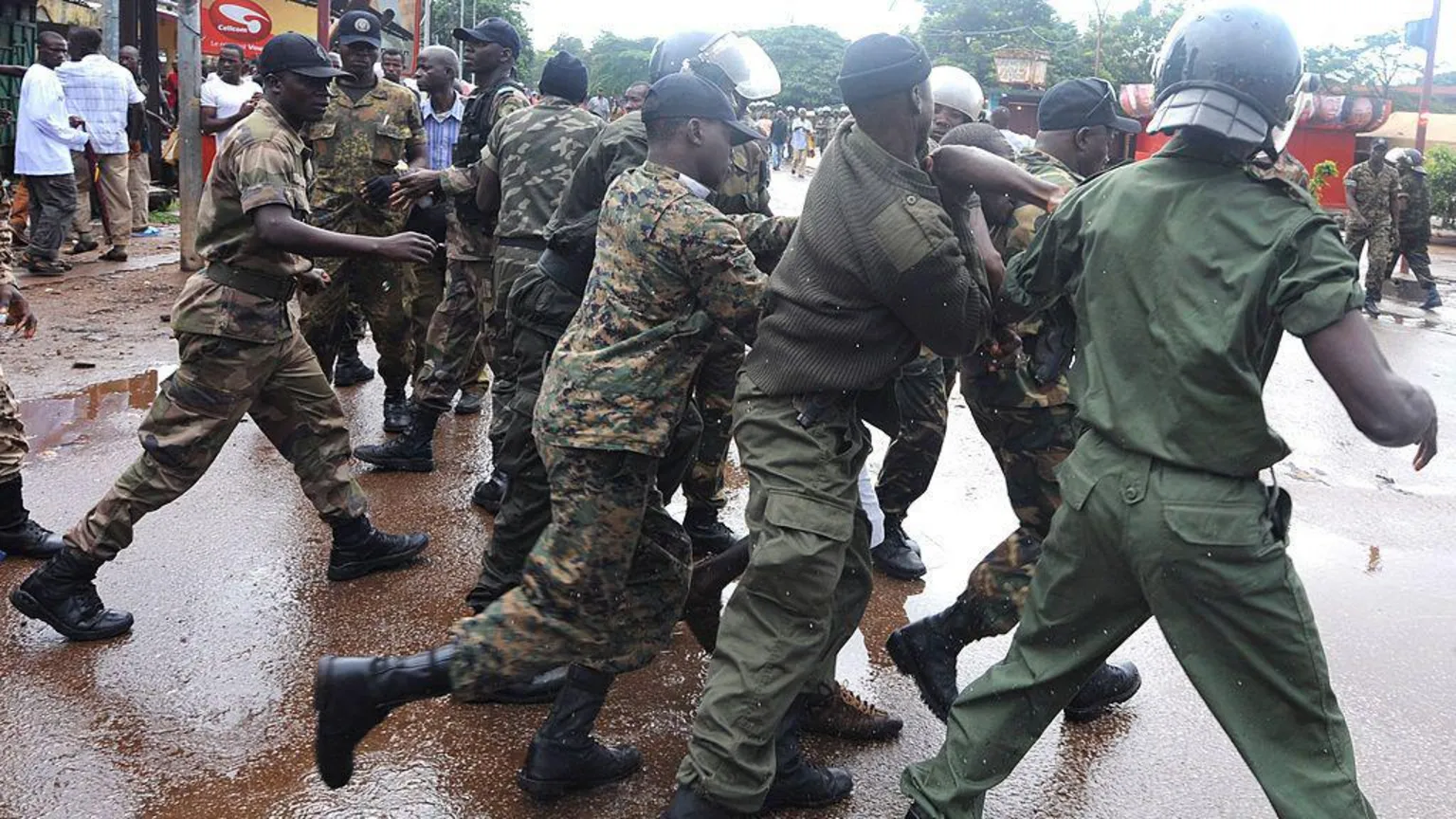
Under Camara's orders, security forces opened fire on the crowd, resulting in more than 150 deaths and hundreds of injuries.

Judicial investigations found that at least 109 women and girls were raped during the crackdown.
Camara survived a gunshot wound to the head shortly after the massacre, an attack attributed to Diakité according to the AFP news agency.
Arrest and Trial
Following the incident, Diakité fled Guinea. In December 2016, he was arrested in Senegal where he had been living under a false identity. He was extradited to Guinea a year later.
Camara, after being shot, spent 12 years in exile before returning to face justice. After a 22-month trial, he and seven of his commanders were convicted in 2024.
Camara received a 20-year prison sentence for crimes against humanity but was pardoned in March of the previous year by current leader Mamady Doumbouya, less than a year into his imprisonment, citing health reasons.
Political and Social Implications
Diakité's death highlights ongoing tensions in Guinea's political landscape, where former military figures continue to wield influence long after leaving power. The distinctions between justice, reconciliation, and political ambition remain contested.
Guinea has experienced repeated instability since independence, including military coups, disputed elections, and violent suppression of dissent.
Although the country has formally returned to civilian rule, efforts to address past abuses have been slow and often divisive.
In 2010, shortly after the massacre, Alpha Condé won the presidential election. He was later ousted in a 2021 coup led by Doumbouya, who subsequently won presidential elections last year.
Diakité's death raises renewed questions regarding accountability and the fate of those responsible for one of Guinea's most tragic recent events.

For more news from Africa, visit BBCAfrica.com.
on Twitter @BBCAfrica, Facebook at BBC Africa, or Instagram at bbcafrica.


