Growing Hostility Towards Undocumented Migrants in South Africa
South Africa has become increasingly hostile for undocumented migrants as a deadline set by protesters for their departure approaches.
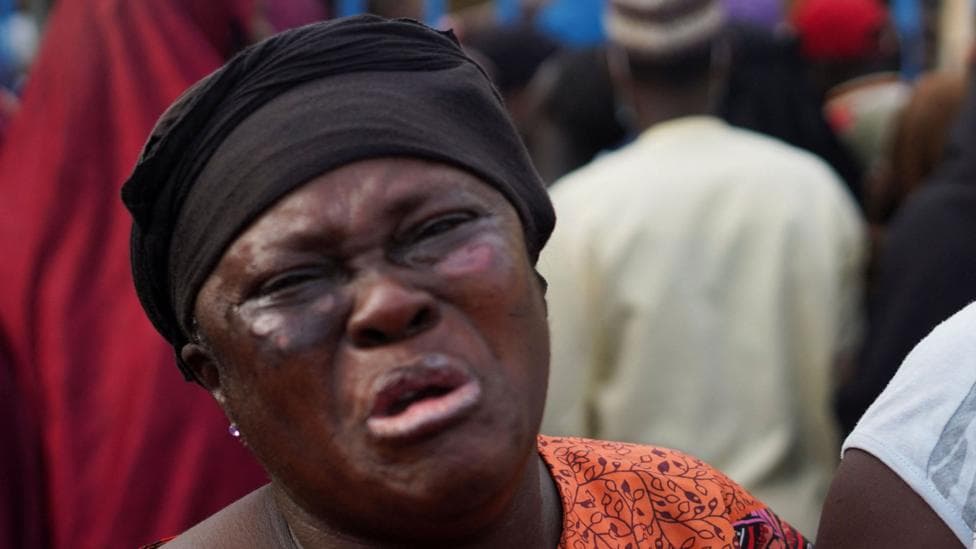
"I am very scared and traumatised,"said Esnat Joseph, a 36-year-old Malawian woman, to the BBC while comforting her crying one-year-old triplets.
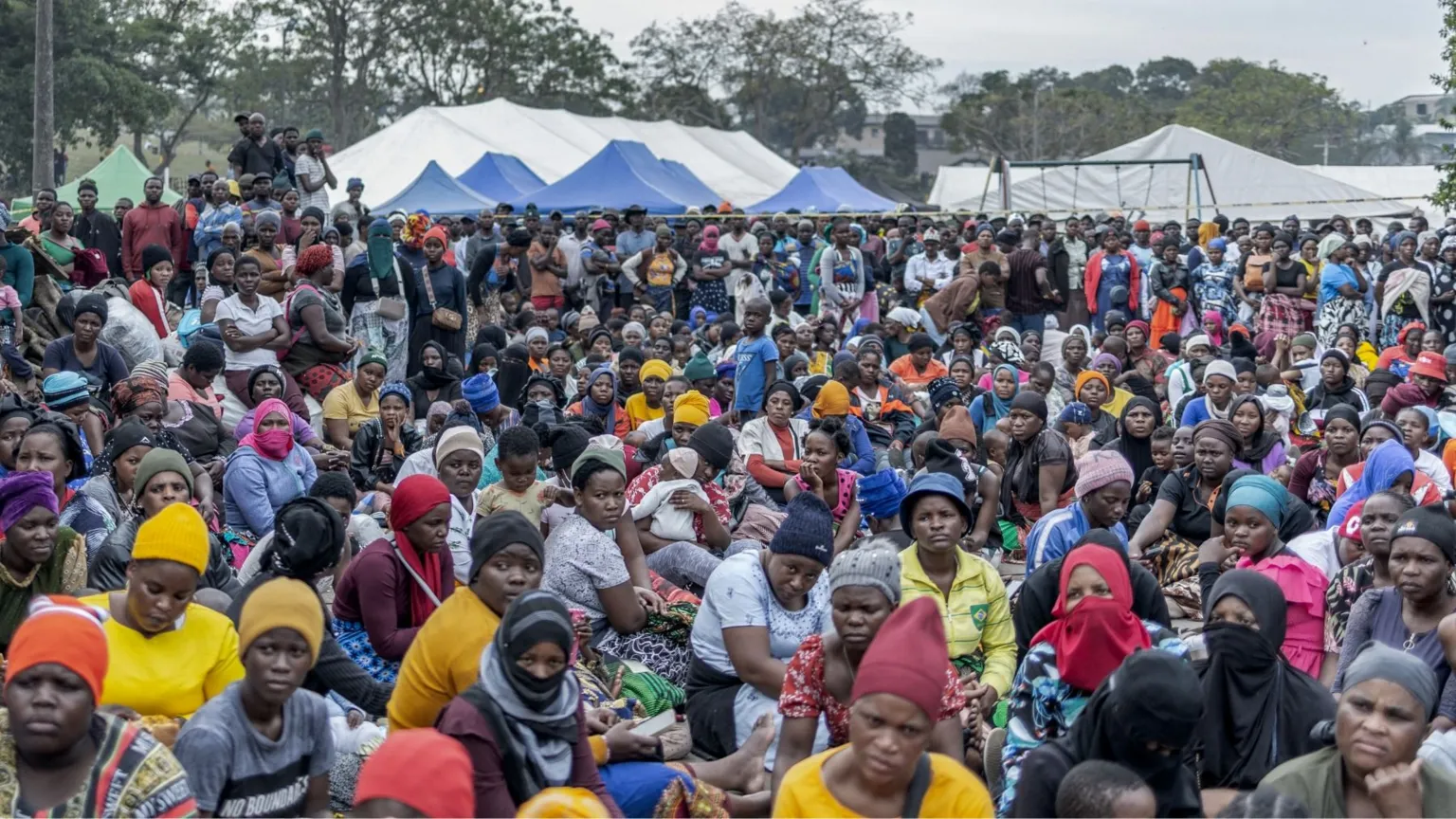
Joseph fled her informal settlement home in Durban, KwaZulu-Natal province, seeking refuge in an open field where approximately 7,000 foreigners, mainly Malawians, have gathered with their belongings over the past two weeks.
"The people came to my house and told me: 'You must leave. We don't want you people to stay here any longer, so you have to go to your country.' There were 10 and they were carrying weapons,"she recounted, describing a group of South African men armed with machetes and whips.
"They cut my husband on his head and his neck. They were holding his neck like they wanted to kill him. Because of God he still survived, but he's in the hospital."
Many others at the field, where aid organizations distribute blankets and food, have reported similar door-to-door intimidation.
Protests and Political Context
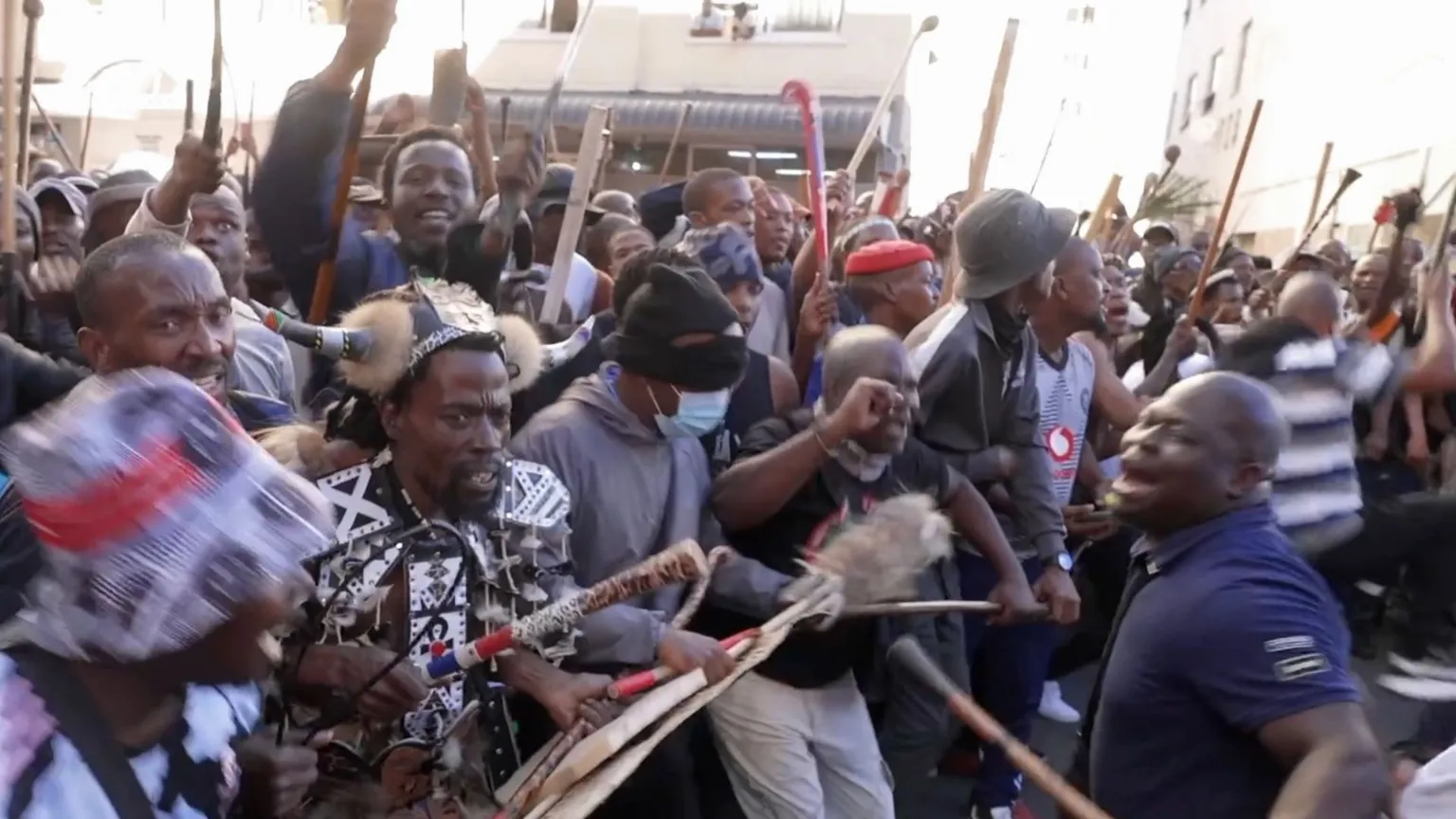
This intimidation follows a series of mainly peaceful protests this year led by the anti-migrant group March and March, opposition party ActionSA, and others, which have set 30 June as the deadline for undocumented migrants to leave South Africa.
Protesters, carrying sticks, have been chanting "Mabahambe" — a Zulu phrase meaning "They must go".
As the deadline approaches, President Cyril Ramaphosa cautioned South Africans on Tuesday against scapegoating vulnerable populations, emphasizing that such actions do not address the country's complex economic challenges.
Personal Stories and Repatriation Efforts
Joseph arrived in South Africa three years ago and worked as a domestic servant before having her children. Her legal status is unclear as she lost her passport and documents in a robbery. She intends to return to Malawi via buses arranged by the Malawian consulate with the help of donations for citizens seeking to leave Durban.
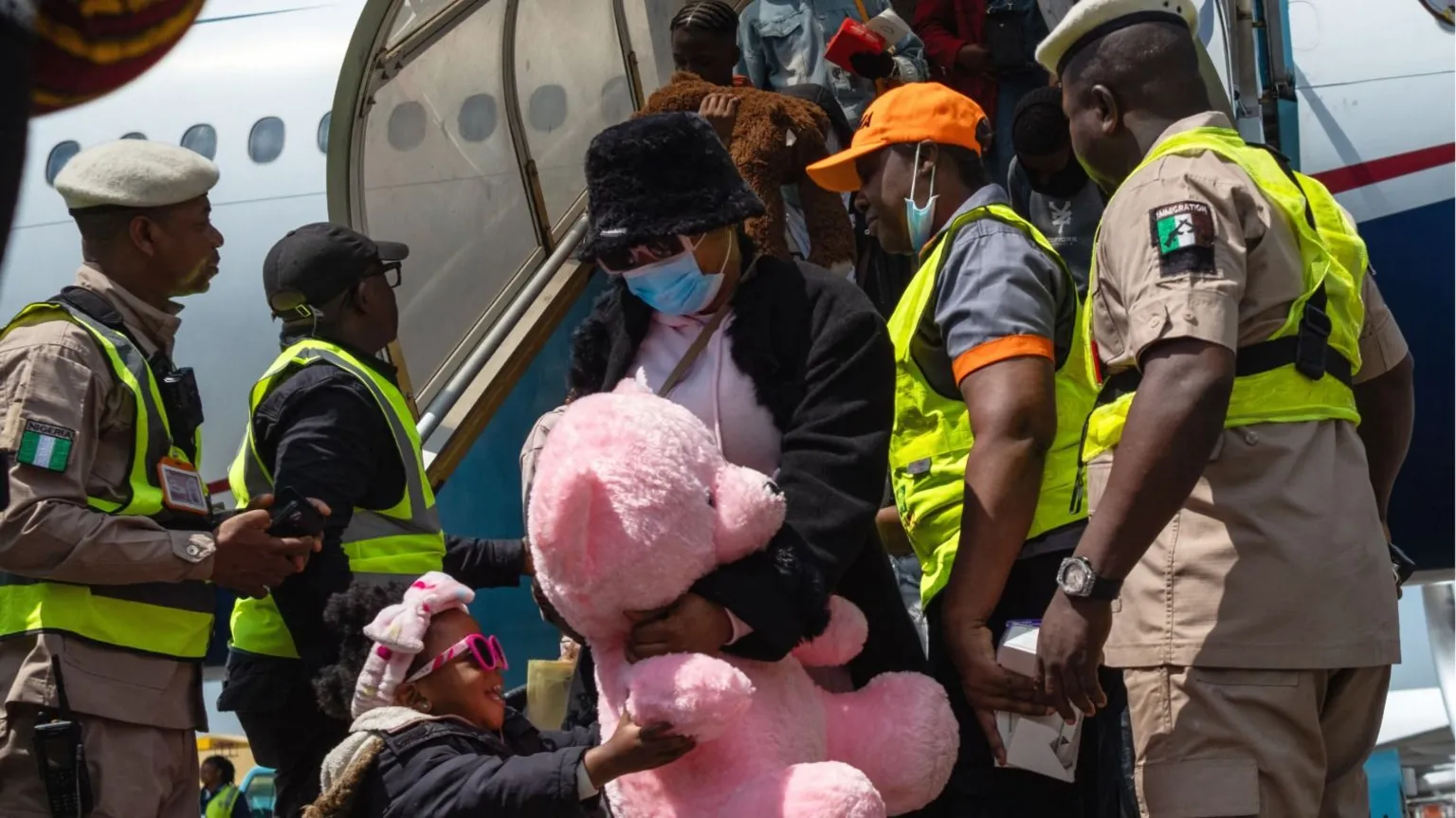
Other countries including Ghana, Mozambique, Nigeria, and Zimbabwe have also organized repatriations by air or bus in recent weeks, with approximately 3,500 foreigners volunteering to leave so far.
South African authorities stated that over 500 Nigerians recently repatriated were in the country illegally.
Benjamin, a Nigerian returnee who arrived in Lagos last week after nearly nine years in South Africa, told the BBC,
"South Africans don't like foreigners, especially Nigerians. South Africa is not a place to be - it's a place you can lose your life at any time."
Protesters' Perspective and Legal Status Concerns
Protest organizers deny xenophobia, asserting frustration with Africans abusing the system. March and March leader Jacinta Ngobese-Zuma stated,
"If you come into South Africa with a passport that allows you to stay for 30 days. When it's 50 days, when it's two years, when it's five years, you know you're breaking the law."
"We can't have South Africa being turned into a refugee site for all failed African states… every country prioritises its citizens and we want the South African government to do the same."
Recent figures indicate South Africa hosts over three million foreigners, about 5% of the population, mostly from neighboring southern African countries. However, many more undocumented migrants are believed to reside in the country, which is a major concern for protesters.
Economic Hardship and Public Service Strain
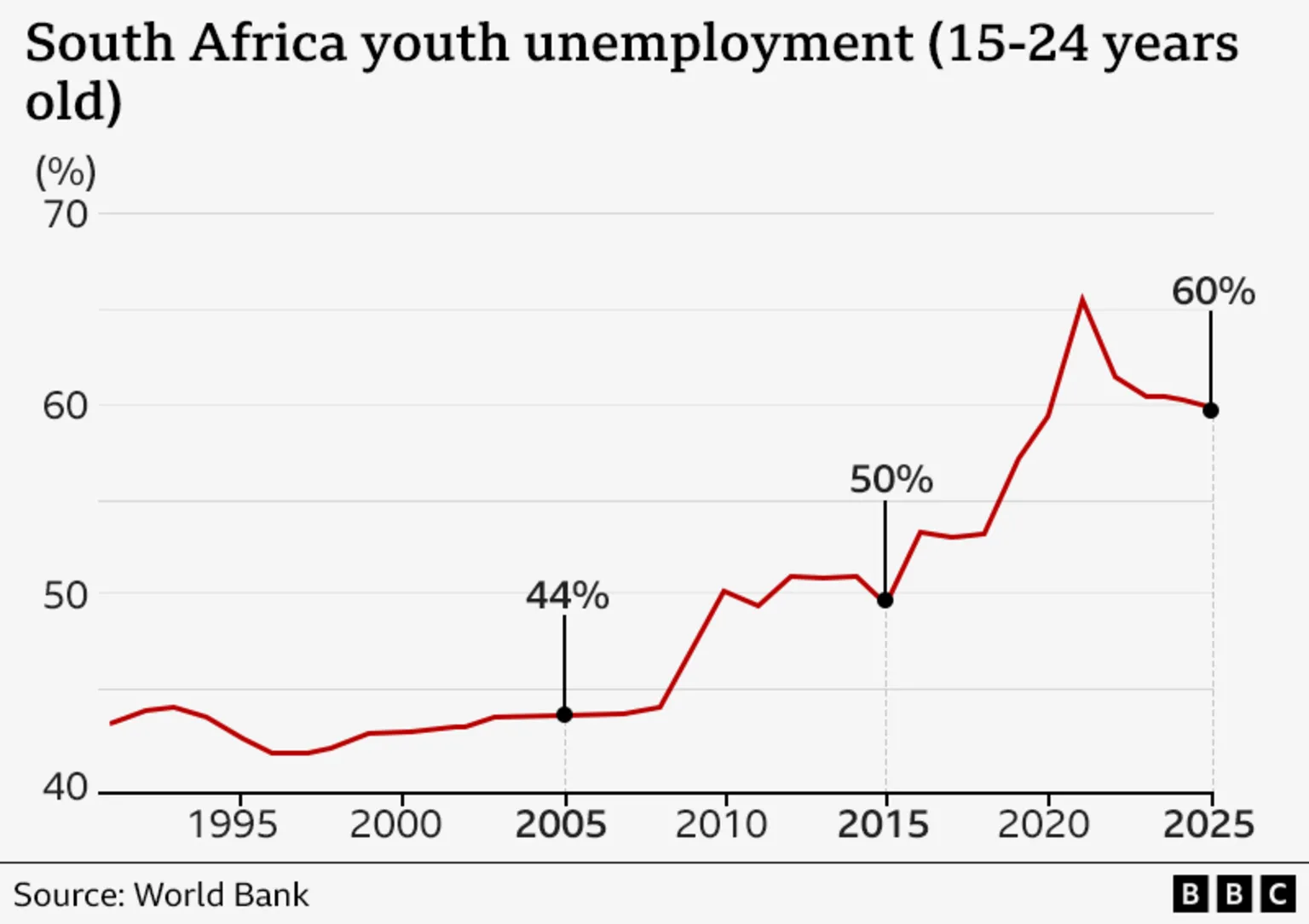
The protesters' anger is fueled by growing economic hardship, including rising youth unemployment and inequality.
South Africa has one of the world's highest unemployment rates at 32.7%, according to Statistics South Africa, which reported 350,000 job losses in the first quarter of 2026, predominantly among young people.
Despite this, South Africa remains a destination for citizens of poorer countries seeking work in sectors such as security and domestic service.
Protesters like Mecha Ramorola highlight the strain on public services, with South Africans competing for limited resources.
"We are struggling to get our children into schools. We are struggling to get our old people into hospitals,"Ramorola told the BBC during a march in Pretoria.
Concerns Over Potential Violence
There are fears that the protests could escalate into violence reminiscent of previous outbreaks in 2008, 2015, 2016, and 2019, which resulted in deaths and displacement.
Last month, Mozambique reported five of its citizens killed in xenophobic attacks in Western Cape province, though South Africa's foreign minister disputed this, confirming two deaths under investigation.
Social Media Influence and Incidents
Social media videos have intensified hostility toward foreigners. In one, a Ghanaian man is harassed by protesters demanding he leave, prompting Ghana to summon South Africa's ambassador for better protection of foreign nationals.
Another video features prominent protester Nkosikhona Ndabandaba, known as Phakel'umthakathi, who has 1.4 million Facebook followers. Wearing a Zulu headdress, he politely tells a Congolese man,
"30 June is the deadline, but it's not that you have to leave on 30 June. Leave now."
Legal Migrants Also Targeted
Foreigners living legally in South Africa report being targeted as well. Some have camped outside Durban's Home Affairs office seeking protection.
A Burundian woman with refugee status stated,
"I have my own document that recognises my refugee status in South Africa, but all of us are still being chased away."
"I am very afraid for my life. The children are afraid. There is no respect. When you pass by here, you are insulted. The children are insulted even at school,"she said, wrapped in a blanket to shield from the southern hemisphere winter cold.

A Malawian beauty therapist in Cape Town, living in South Africa for 16 years without legal status, described a frightening taxi incident where the driver questioned their papers and origin.
She expressed understanding of President Ramaphosa's recent action plan on illegal migration but emphasized the right to safety for all individuals.
"My child is not even going to school because we're scared. We're terrified of what would happen now."
Government Response and Policy Measures
In a national address earlier this month, President Ramaphosa condemned demands for proof of nationality in public spaces and pledged government action against such behavior.
"There is no space for xenophobia, racism, sexism, Afrophobia or any other forms of intolerance in South Africa,"he said, outlining a five-point strategy to address the crisis.
Measures include refusing asylum claims from individuals who traveled through other safe countries, introducing quotas for naturalization, extending digital ID systems to non-citizens, and imposing jail terms on employers hiring undocumented migrants for low-paying jobs.
Analyst Prof Shepherd Mpofu explained,
"You find an immigrant being employed in jobs that a South African will ordinarily not accept, or that pays less than what the government demands, because one, they're desperate, two, they're open to abuse in being short changed."
Ramaphosa also committed to tackling corruption within the immigration system.
Personal Accounts of Fear and Uncertainty
A 36-year-old Malawian woman in Johannesburg, who requested anonymity for safety reasons, shared that she entered South Africa on a visitor visa and has been bribing border officials to renew her passport stamps without crossing the border.
"I have decided to go back home for a while and close down my hair salon because of threats,"she said, citing concerns for her children's safety.
Political Exploitation Ahead of Elections
The recent surge in protests coincides with political parties seeking support ahead of local government elections in November.
Some politicians have exploited misinformation to fuel fear and anger about illegal migration, sharing outdated videos and confusing narratives.
A debunked claim that South Africa has 15 million undocumented migrants, originally popularized five years ago by ActionSA leader Herman Mashaba, who is campaigning for Johannesburg mayor, continues to circulate.
Human rights lawyer Sharon Ekambaram, a member of Kopanang Africa Against Xenophobia, stated,
"Political parties are scraping the bottom of the barrel in trying to lie to people that all our problems are the migrants, and if we get rid of the migrants, then we'll have no problems in South Africa."
"This has been an ongoing phenomenon in South Africa and more recently, it has been associated with elections."
Enforcement Actions and Urban Impact
The government continues to counter misinformation. Its ministerial task team on migration reported that 40,000 illegal immigrants have been arrested so far this year for violating the Immigration Act.
Operation New Broom, a visible enforcement effort, has involved demolishing informal corrugated iron shops on pavements in downtown Johannesburg, areas considered potential "hot spots" for crime and illegal migration.
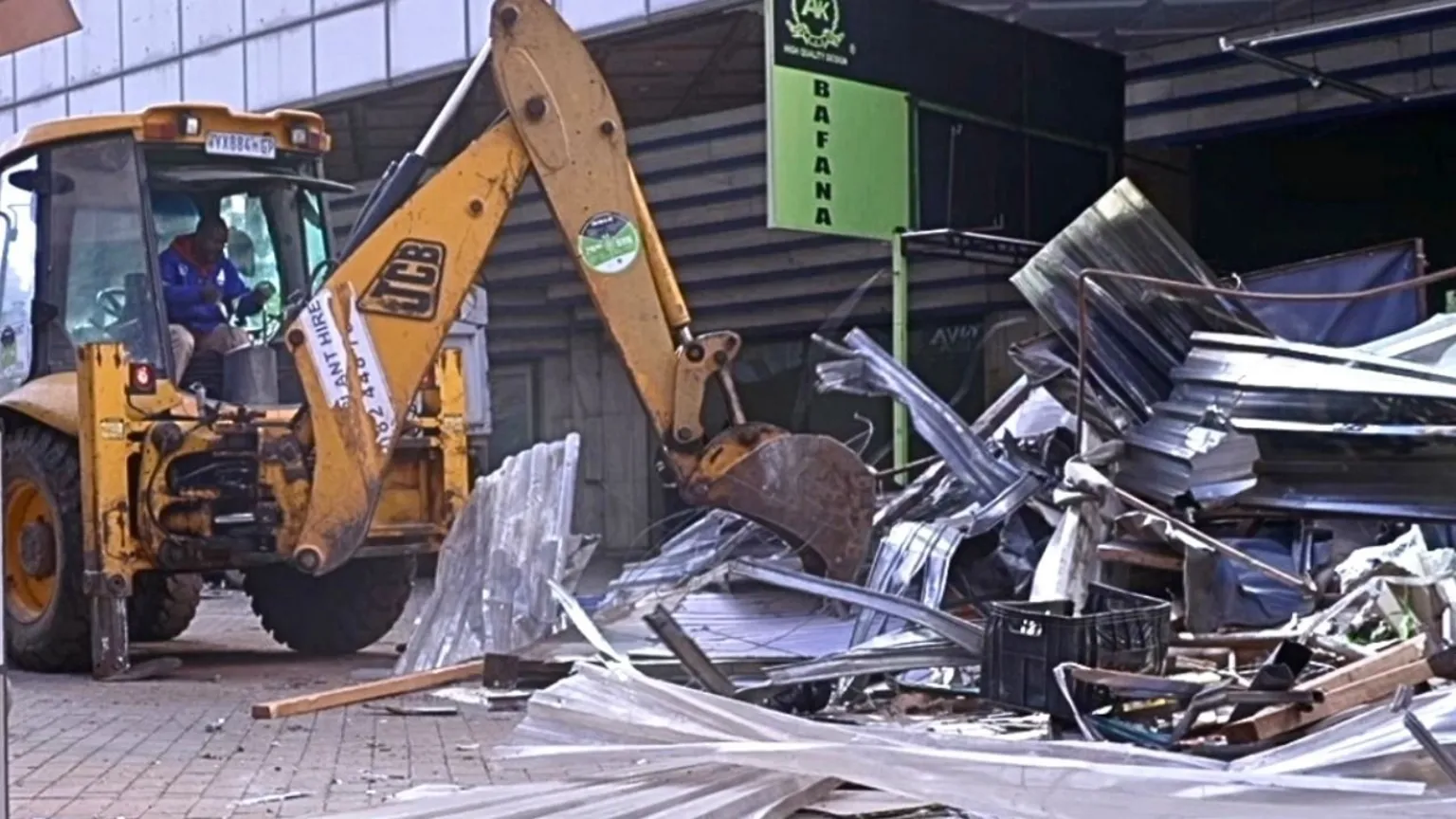
During a visit, Ethiopian migrants observed the demolitions with concern, having been warned by authorities.
Such enforcement measures and ongoing protests contribute to a growing sense of entrapment among migrants.
Political Party Positions and Nationwide Anxiety
uMkhonto we Sizwe (MK), South Africa's third-largest party led by former President Jacob Zuma with strong support in KwaZulu-Natal, has not endorsed the migrant departure deadline but supports its underlying sentiments.
MK member Bonginkosi Khanyile told the BBC,
"We all agree that undocumented migrants are breaking the law… They must leave our country peacefully without any violence or intimidation."
Despite official positions, there is widespread fear nationwide, underscored by a warning from protest leader Ndabandaba:
"On 30 June I can't control the people of South Africa."
Reports indicate long lines of vehicles at Mozambique's border as foreigners seek to leave.
Back in Durban, anxious Malawians, most reportedly undocumented, await departure.
When the first bus arrived to evacuate some on Sunday, the crowd chanted in Zulu, "Siyahamba," meaning "We're leaving."

Additional reporting by Thuthuka Zondi
For more news from the African continent, visit BBCAfrica.com.
Follow on Twitter @BBCAfrica, Facebook at BBC Africa, or Instagram at bbcafrica.