Challenges of Automating Garment Manufacturing
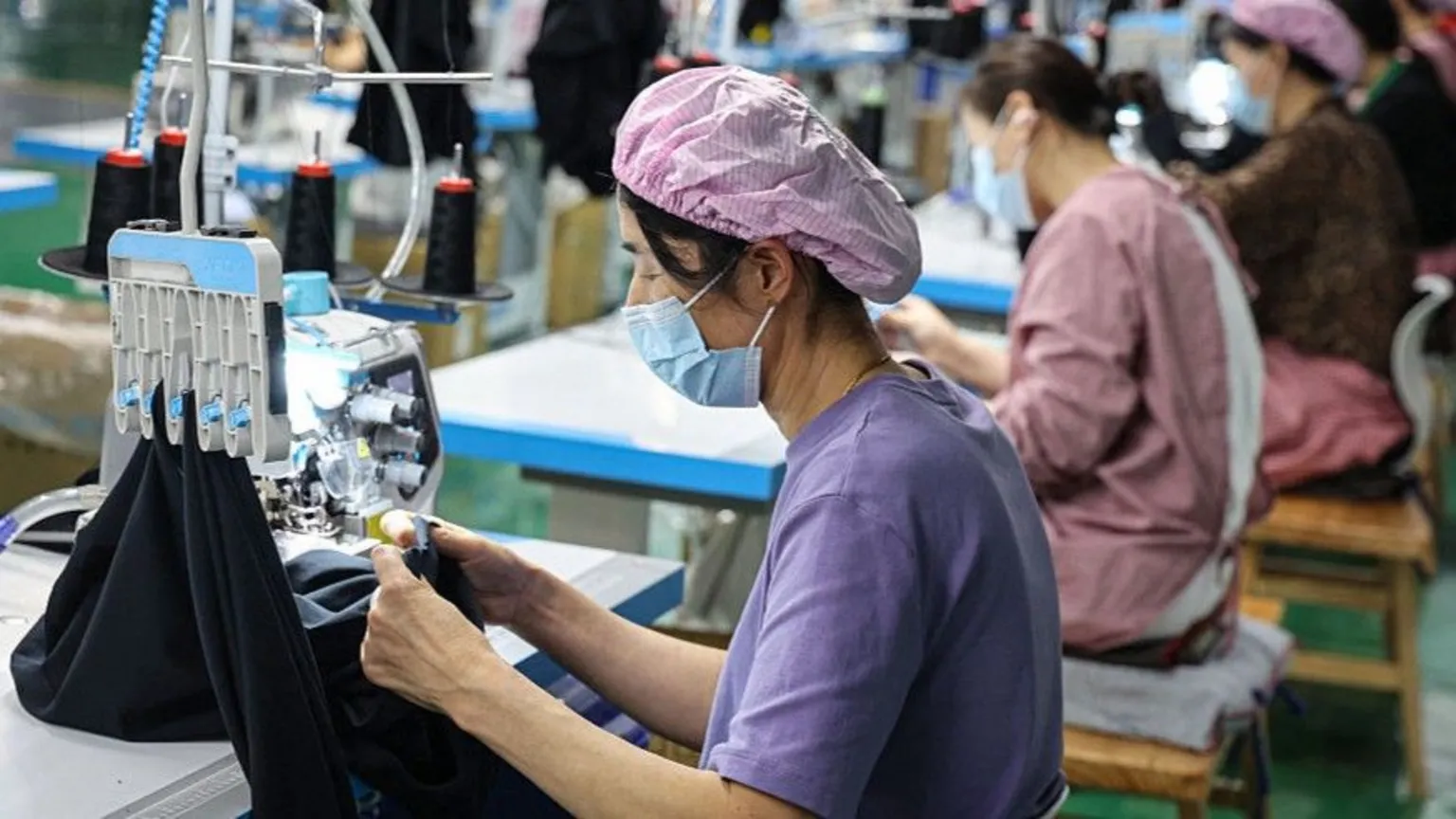
Robots are widely used to assemble cars, perform surgeries, and handle cargo at airports. However, most robots struggle with tasks involving needle and thread, making fully automated garment production difficult. Consequently, the majority of clothing worldwide is still produced manually, often by low-paid workers in Asia.
While sewing machines assist these workers, automating the sewing process remains a significant challenge. Cam Myers, founder and CEO of California-based robotics company CreateMe, explains,
"You have a problem if it's sewing. You have to keep [two pieces of fabric] in alignment under motion."
CreateMe adopts a different strategy: instead of sewing, it uses adhesive to join fabric pieces. Myers elaborates,
"Once the adhesive is laid down, you simply line something over it and stamp."The company has developed robots that perform this gluing process and is already manufacturing women's underwear using this method. Plans are underway to begin producing t-shirts in the coming months, with mass production anticipated next year.

Potential Industry Impacts and Market Shifts
For decades, roboticists have targeted garment manufacturing as a potential area for automation. If machines could take over clothing production, manufacturing might return to Western countries, reducing the environmental footprint of the apparel industry. However, this shift could also displace millions of textile workers.
Currently, only a small percentage of clothing sold in the UK and the US is produced domestically. Myers notes that some customers want to market garments as "made in the US," using US-grown cotton, for example. He states,
"We can use cotton, we can use wool, we can use leather,"referring to CreateMe's adhesive-based process. He adds that if just 10% of t-shirt manufacturing returned to the US through automation, it would represent a significant industry transformation.
The adhesive used by CreateMe is thermoset, meaning it withstands ironing and washing machine temperatures without melting or causing garments to fall apart, Myers emphasizes. Additionally, garments made without seams are streamlined and can be manufactured on molds that capture the contours of the human body.
Myers acknowledges a major challenge in apparel production is the high variability in garment styles.
"You won't get very far if you just make white t-shirts,"he says, noting that customers expect a wide variety of designs, colors, and forms. Fully automated clothing production capable of handling this diversity remains a distant goal.
Debate Over Sewing and Automation Approaches
There is ongoing debate about the future role of sewing in garment manufacturing. Palaniswamy Rajan, chairman and CEO of Softwear Automation in Georgia, USA, asserts,
"We don't believe that sewing is going away."He highlights that visible stitching is an important design element in many fashionable garments, such as jeans.
Rajan mentions that his company will soon announce the third generation of its sewing robots, which he claims will produce t-shirts at costs comparable to importing them into the US. However, he declined to provide further details about the technology.
Many companies interviewed for this article were reluctant to disclose specifics about their robotic technologies due to intense competition in the large apparel market.

Impact on Textile Workers and Industry Challenges
Textile workers have faced significant pressures, including factory closures during the Covid-19 pandemic and disruptions caused by the war in Iran, which affected polyester supplies. Representatives from the automation industry often suggest that workers transition to better-paying, less repetitive roles, but the shift to robotic t-shirt production will not achieve this transition immediately.
Environmental Benefits of Automation
One notable advantage of automating garment manufacturing is the potential to substantially reduce the industry's environmental impact. Globally, 92 million tonnes of textile waste are produced annually, with large quantities of unsold clothing incinerated. The apparel industry also consumes vast amounts of water.
Gerald Feichtinger from the Technical University of Leoben in Austria states,
"If you can re-shore the manufacturing part, you can just produce there on-demand."He led a study analyzing whether on-demand manufacturing could reduce garment overproduction and lower carbon emissions associated with transporting clothes from Asia to Europe.
Feichtinger adds,
"We can see a significant reduction in greenhouse gas emissions."The study found that emissions related to making a t-shirt could decrease by approximately 45% when produced by robots in Europe or the US.
The research was conducted in collaboration with Austrian garment-making robot company Silana, and one co-author previously worked there. Similar findings have been reported in other studies. Alternative methods to reduce environmental impact include extending the lifespan of garments.
However, claims about automation reducing environmental footprints must be balanced against challenges in reshoring other supply chain components, such as fabric dyeing and yarn production. Feichtinger acknowledges that reshoring multiple parts of the garment supply chain remains
"challenging."
Technological Innovations and Market Outlook
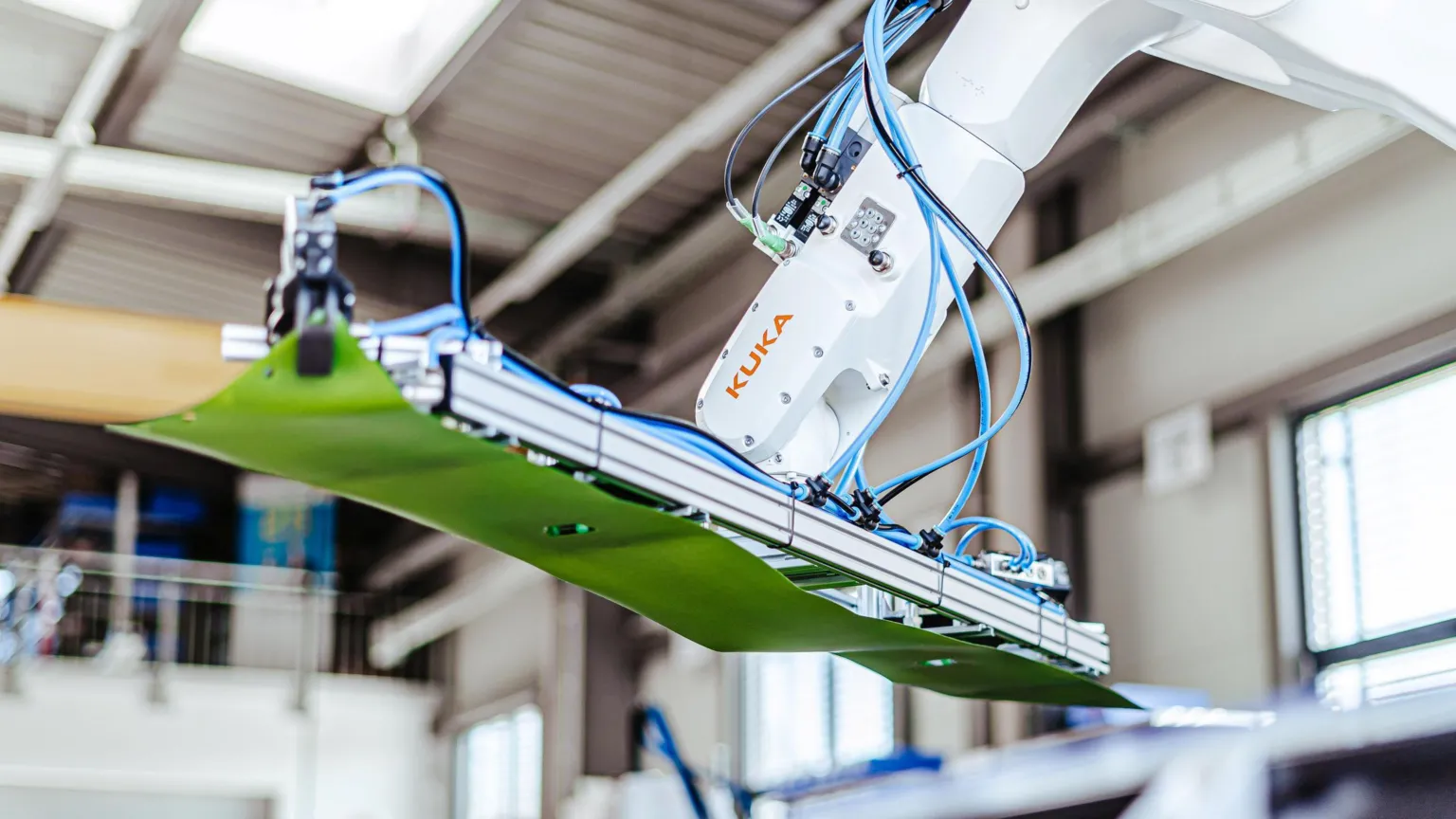
Michael Fraede, co-founder of German firm Robotextile, develops gripper devices that enable robots to handle fabric delicately. Some grippers use gentle airflows to lift fabric, allowing it to be suctioned and clamped precisely.
Fraede believes that the European market for automating textile production is likely limited to specialist textiles, such as bicycle bags or automotive airbags—products his company's robots have helped manufacture.
He predicts,
"It will take 10 more years before we see the first actions of re-shoring. This industry is not used to thinking that way. They are used to saving money wherever they can."
Industry Perspectives and Future Coexistence
Others are more optimistic about the integration of robotics in garment manufacturing. Lauren Junestrand, innovation and sustainability network manager at the UK Fashion and Textile Association, says,
"The UK has huge potential to incorporate robotics."She notes that garment-makers are increasingly using robots for various tasks.
Nonetheless, Junestrand acknowledges that countries like the UK will likely never compete with Asian manufacturers in terms of volume. She concludes,
"I think it's going to be more of a co-existence."