First Signal from Artemis II Received
Scientists at the satellite earth station in Cornwall expressed excitement upon receiving their first signal from NASA's Artemis II mission to the Moon.
Matthew Cosby, chief technology officer at Goonhilly Earth Station in Helston, described the moment of receiving the initial signal at approximately 02:30 BST on Thursday as "an exciting moment for us."
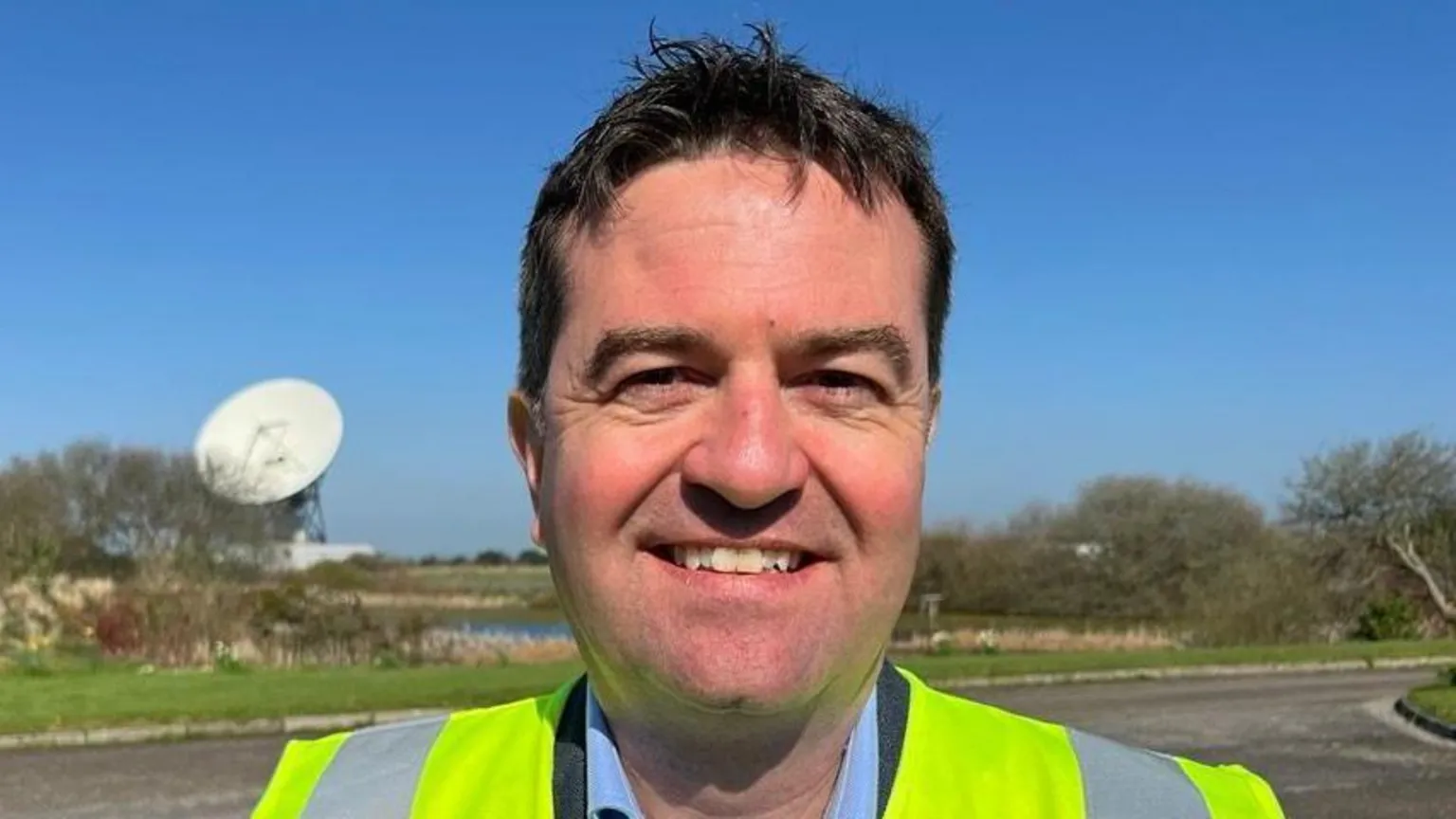
Role of Goonhilly Earth Station in Artemis II
Goonhilly Earth Station is assisting in tracking the Orion spacecraft during the first crewed mission to the Moon in 50 years, following its launch from the Kennedy Space Center in Florida at 23:35 BST on Wednesday.
Cosby explained that Goonhilly is currently undergoing a qualification test for NASA, aimed at collecting data to demonstrate the station's capabilities. He stated,
"Hopefully we'll demonstrate that we are one of the best in the world."
While Goonhilly has supported approximately 20 lunar missions previously, this marks the first occasion where humans are aboard the spacecraft from which the team is gathering data.

NASA plans to compare the data collected and processed by the Goonhilly team with that processed by its own stations to ensure accuracy and reliability.
Testing and Future Prospects
Cosby likened the current process to an examination, emphasizing the importance of demonstrating the team's proficiency and the effectiveness of the technology developed in Cornwall. He said,
"It's like going back to school, we're in an exam at the moment to show how capable the team is with all the procedures and how good the technology is that we've built in Cornwall."
Should the Goonhilly scientists prove successful in this qualification test, they will be positioned to support future Artemis missions.
Cosby highlighted the significance of upcoming missions, stating,
"Future Artemis missions will see people return to the Moon and actually walk around the surface of the Moon, which will be a fantastic moment."
Stay Connected
For updates, follow BBC Cornwall on X, Facebook, and Instagram. Story ideas can be sent to spotlight@bbc.co.uk.