AI and Digitisation Transform Plant and Fungi Conservation
The advancement of artificial intelligence (AI) and digitisation technologies marks a significant turning point in the urgent effort to identify and preserve critical plant species before they face extinction, according to a comprehensive report from the Royal Botanic Gardens, Kew.
These emerging technologies enable researchers to monitor shifts in flowering times worldwide, rapidly identify new plant specimens, and extract vital genetic information from fungus samples dating back 180 years, potentially unlocking a "genomic goldmine". Additionally, digitising and providing online access to millions of previously inaccessible archived specimens is generating new insights, particularly benefiting biodiversity research in the global south.
Importance of Plants and Fungi and Extinction Risks
Plants and fungi are fundamental to all life on Earth, providing essential resources such as food and medicines, sequestering carbon, and regulating climate systems. However, approximately 40% of the 70,000 plant species that have been assessed are at risk of extinction, with an additional 330,000 species yet to be evaluated. Scientists also estimate there are around 100,000 plant species still awaiting formal description.
Each year, about 2,000 new plant species are documented, but this rate is described by Professor Alexandre Antonelli, executive director of science at RBG Kew, as "barely scratching the surface." This slow pace means that potential new medicines and sustainable crops may become extinct before they are even discovered.
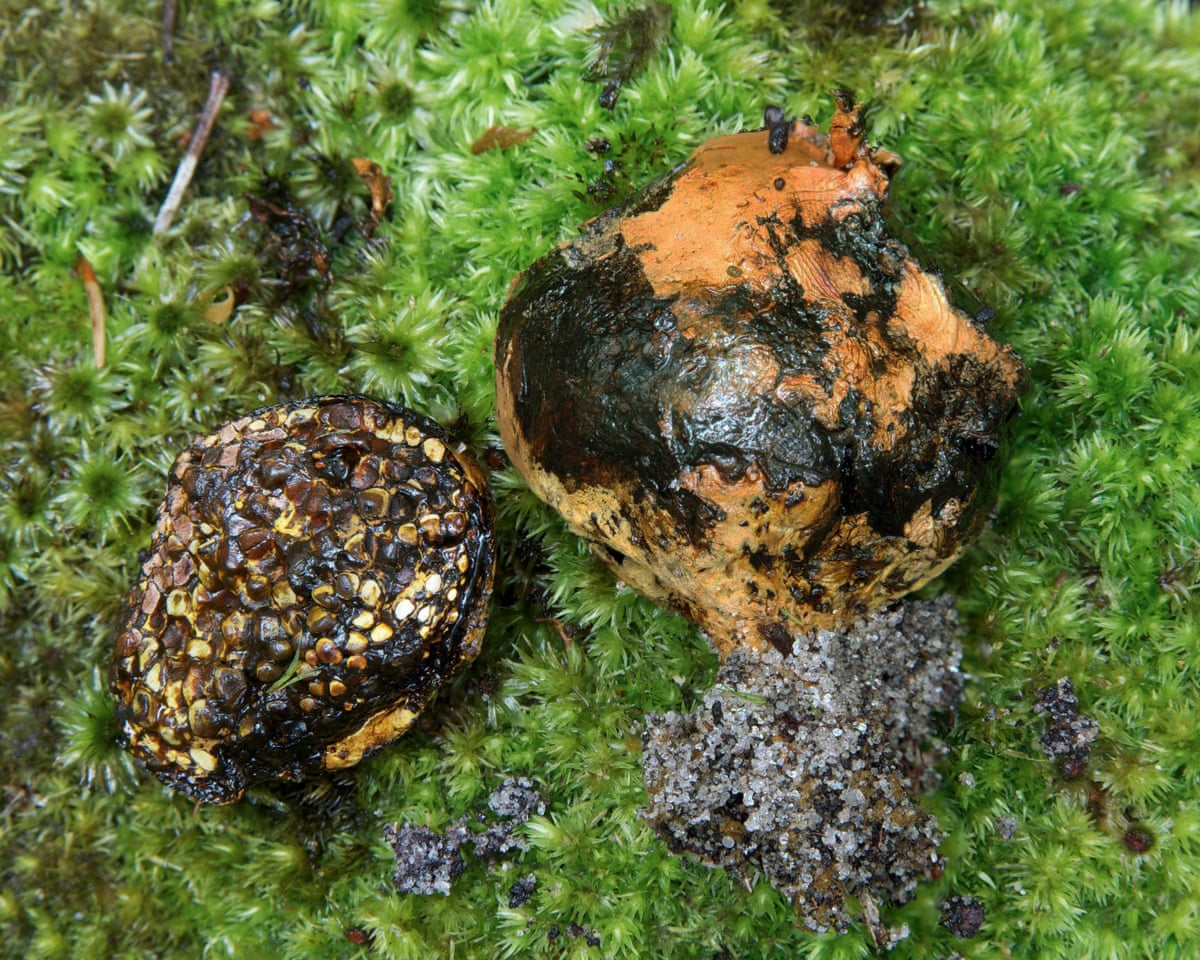
The situation is even more critical for fungi, where an estimated 90% of the 2 million species remain unknown to science, and less than 1% of known species have been assessed for extinction risk.
"While documenting and protecting all life on Earth remain formidable challenges, digitisation and accompanying technologies make me increasingly hopeful that we’ll succeed," said Antonelli.
AI Enhances Identification and Collaboration
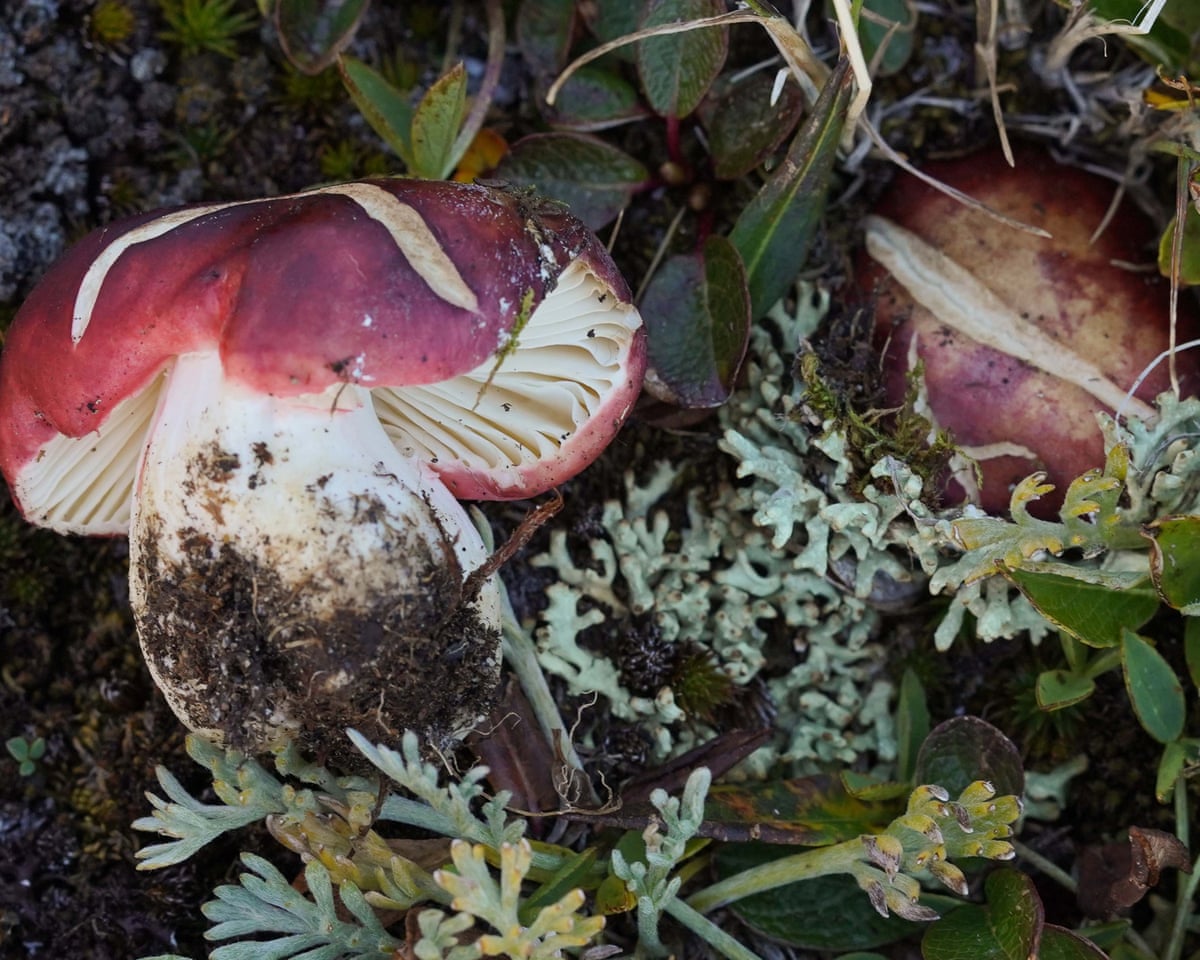
AI technologies are capable of learning to identify complex plant groups, such as sedges and peat mosses, whose distinguishing characteristics are microscopic. This capability allows for faster detection of new or vulnerable species. Antonelli noted,
"These AI models can sometimes now identify better than specialists – that’s incredibly exciting."
Digitising images and data of plant and fungi specimens accelerates international collaboration and unlocks important but rarely accessed collections in biodiversity hotspots like Madagascar.

Landy Rajaovelona, a senior botanist at Kew Madagascar, stated:
"Madagascar is one of the world’s most extraordinary biodiversity hotspots. By digitising [37,000 physical specimens], we’ve unlocked a treasure of knowledge spanning centuries, offering invaluable insights into today’s biodiversity."
Digitisation Efforts and Global Access
RBG Kew has digitised millions of specimens, including those collected by Charles Darwin, making them freely accessible online. This four-year initiative involved capturing up to 20,000 high-resolution images daily at its peak. Globally, over 65 million specimens are now available online, though this represents less than 16% of the total held in herbariums worldwide, leaving significant gaps in biodiversity understanding, according to the report.
Climate Change Impact on Flowering Times
The report highlights a global study employing an AI model trained to detect flowers, which analysed 8 million digitised specimens. Findings indicate that flowering times have shifted by an average of 2.5 days per decade over the past century due to climate change. Altered rainfall patterns and rising temperatures have caused some flowers to bloom earlier and others later.
These changes disrupt long-established relationships between plants and the pollinators and animals dependent on them during specific seasonal periods. For example, a study using herbarium specimens showed that about 50% of certain timber-important tree species used to flower simultaneously; by the 1990s, this synchrony had declined to less than half.
Unlocking Genetic Data from Historical Fungi Specimens
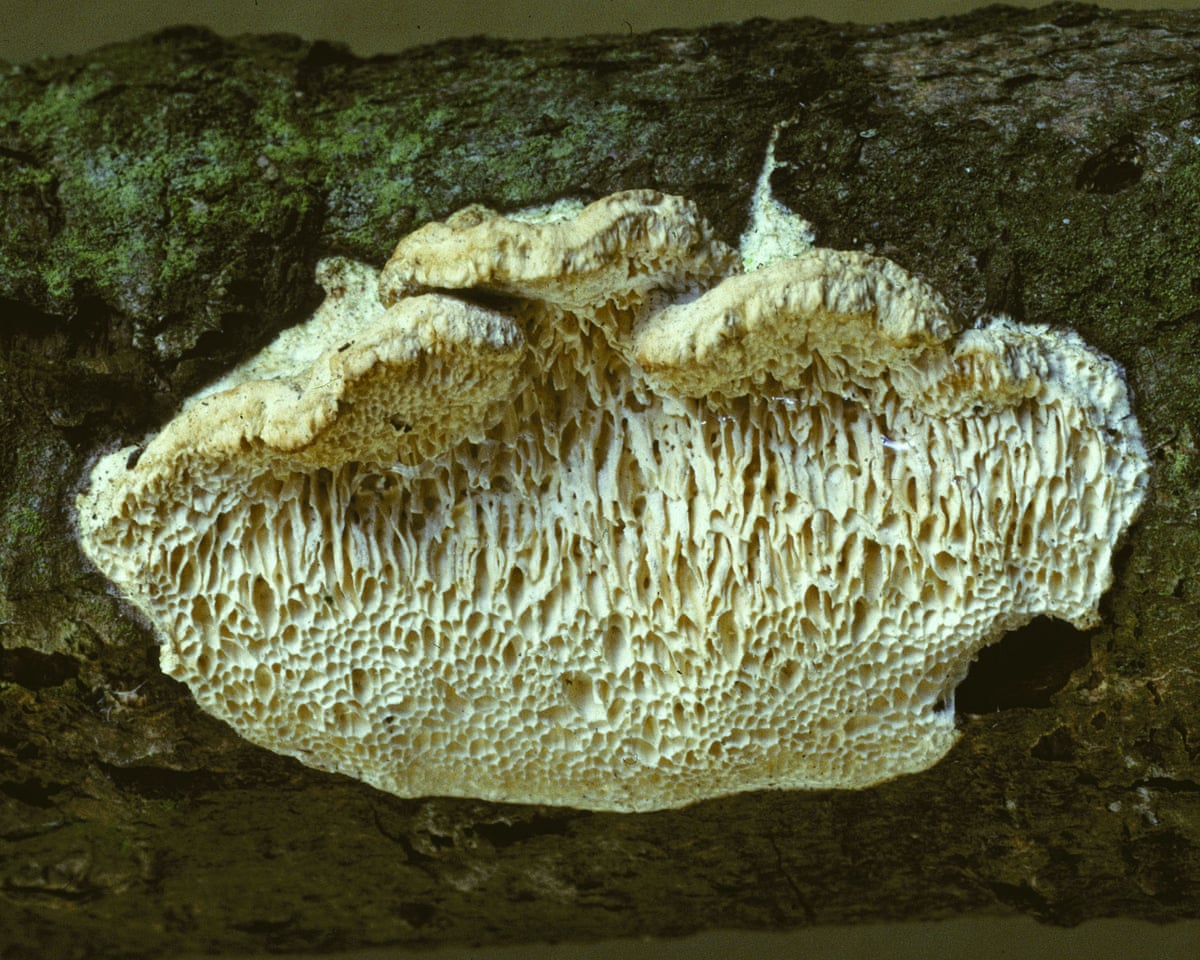
New technologies are also enabling scientists to extract high-quality genomic data from fungi specimens up to 180 years old. This breakthrough transforms historical fungarium collections into a "genomic goldmine" for discovering new medicines and predicting disease outbreaks. Notably, penicillin and statins were originally derived from fungi.
Dr Esther Gaya, senior research leader at RBG Kew, commented:
"Fungi are very opportunistic and they love heat and humidity. Some human pathogens seem to be spreading from warmer places as the hot season gets longer in temperate regions."
Environmental and Ethical Considerations
The report acknowledges concerns regarding the substantial energy consumption and carbon emissions associated with digitisation and AI technologies. For instance, reported in May that datacentres are now among the largest consumers of electricity in the UK and US. In February, OpenAI’s CEO Sam Altman remarked on these challenges.
Produced by 400 scientists across 40 countries, the report warns that digitisation and AI could exacerbate existing biases and inequalities if the underlying data is not expanded and improved. It calls for partnerships between technology companies and environmental organizations, alongside increased investment from governments and funders in plant and fungi collections.