First Patient Experiences New Rooftop ICU Ward
Hollie Allan, 29, is being transferred in a hospital lift out of intensive care for the first time in two months. She is moving upwards towards a newly established outdoor ward located on the roof of King's College Hospital in south London.
"Brace yourself for the cold!"the nurses clustered around her bed in the lift warn. As the doors open, sunlight touches Hollie's face.
She responds with a smile that soon turns to tears.
"I'm sorry, it's so nice. It's so beautiful,"she says, wiping her eyes.
"I forgot what it feels like to be outside."
Still in her hospital bed and connected to feeding tubes and life support, Hollie is the first patient to experience the new intensive care rooftop ward at King's College Hospital.
Innovative Outdoor ICU Ward Design and Facilities
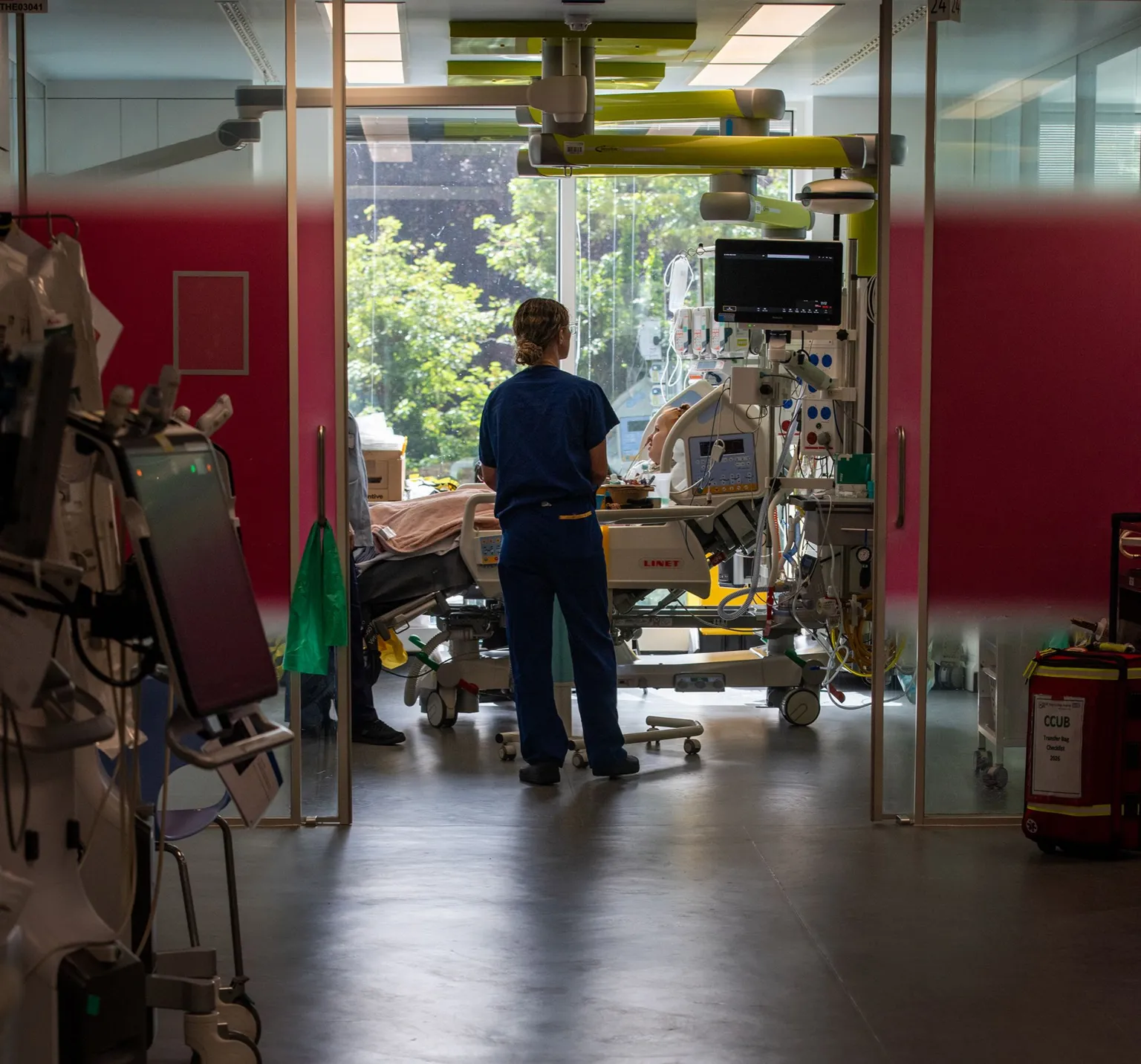
This outdoor ward is the first of its kind in the UK and accommodates up to six patients. Each bed is equipped with power and oxygen supplies housed in waterproof boxes adjacent to them.
The canopy design allows some of the most critically ill patients to receive care safely outdoors while maintaining access to all necessary medical support.
Research indicates that exposure to fresh air and natural surroundings can enhance patient wellbeing and potentially reduce hospital stays.
While hospital gardens have existed for some time to support patient recovery, they rarely meet the requirements of critically ill patients.
Doctors at King's College Hospital anticipate significant benefits for patients who have been hospitalized for extended periods.
The medical team plans to monitor patients' heart rates, respiratory rates, and pain levels to evaluate whether the outdoor rooftop ward facilitates faster recovery.
Patient Experience and Impact
Hollie, awaiting a critical heart operation, was too unwell to go outside even before her hospital admission. Her prolonged stay in intensive care has had a profound effect on her.
"When you're stuck inside all day there's no motivation to try and get back to normal life. You get tired of fighting."
The rooftop garden is integrated into the hospital's 60-bed intensive care unit, one of the largest in the UK.

Depending on weather conditions, Hollie may spend several hours at a time on the outdoor ward.
"Even if it was thunderstorms, I'd be out here. It's lovely,"Hollie says.
Design and Therapeutic Benefits of the Rooftop Garden
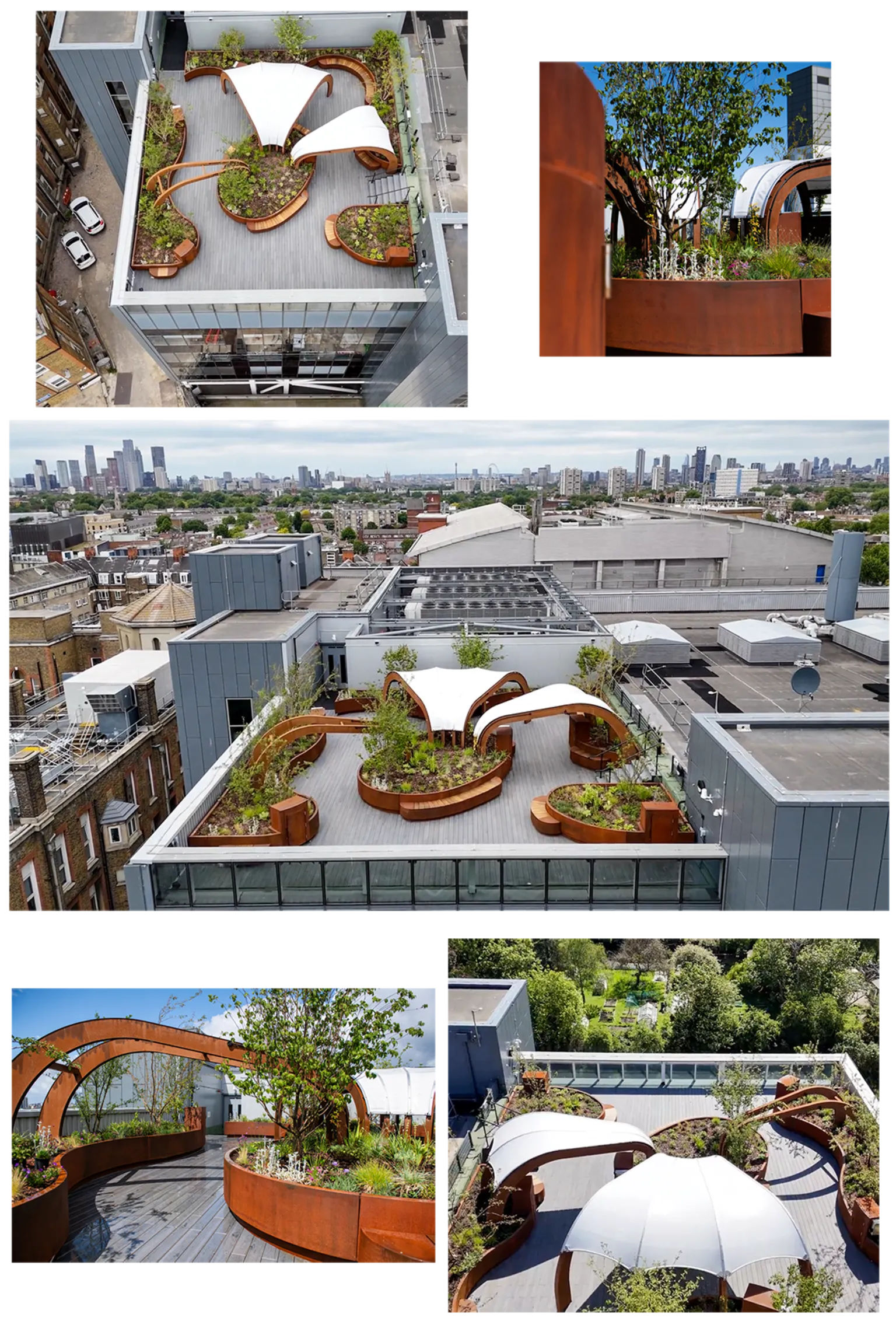
Some bays on the rooftop are partially sheltered by canopies.
Dr Phil Hopkins, an intensive care consultant at King's, explains that experiencing natural elements helps patients readjust after being
"ripped from their reality"and institutionalized in hospital.
"We don't just want to save lives,"he says.
"We want to return them to their lives as quickly as we can."
Hopkins and his team will closely monitor patients to assess the effects of time spent outdoors. The rooftop space will also be accessible to intensive care staff during breaks, offering them a place for respite.
Garden Design and Patient Connection to Nature
Garden designer Sarah Price, who collaborated with landscape architect Nigel Dunnett—known for their work on the London 2012 Olympic Park—developed the rooftop planting scheme. Dunnett passed away before the garden's completion.
The beds are surrounded by scented flowers such as honeysuckle, jasmine, and lavender, along with textured foliage and grasses that patients can touch and smell from their beds.
"You can see the change not only on their face, but just in the way that they breathe,"Price says, noting that gardens help people slow down and feel more connected to nature.
The garden includes plants such as woodland sage, sour cherry tree, bloody crane's-bill, and sea thrift.

Funding and Future Prospects
The garden's construction cost more than £2 million, funds raised by the hospital's charity.
Hospital chief executive Clive Kay expresses optimism that the rooftop ward will do more than improve patient experience.
"I hope it will lead to shorter lengths of [patient] stays and better use of critical care facilities,"he says, adding that the model could be replicated in hospitals across the NHS.