

Discovering Kickboxing Inspired by Buffy
At 14, I chose to learn a martial art, telling my parents it was for self-defense on the streets of Congleton, a market town largely free of danger. In reality, my motivation was to emulate Buffy the Vampire Slayer.
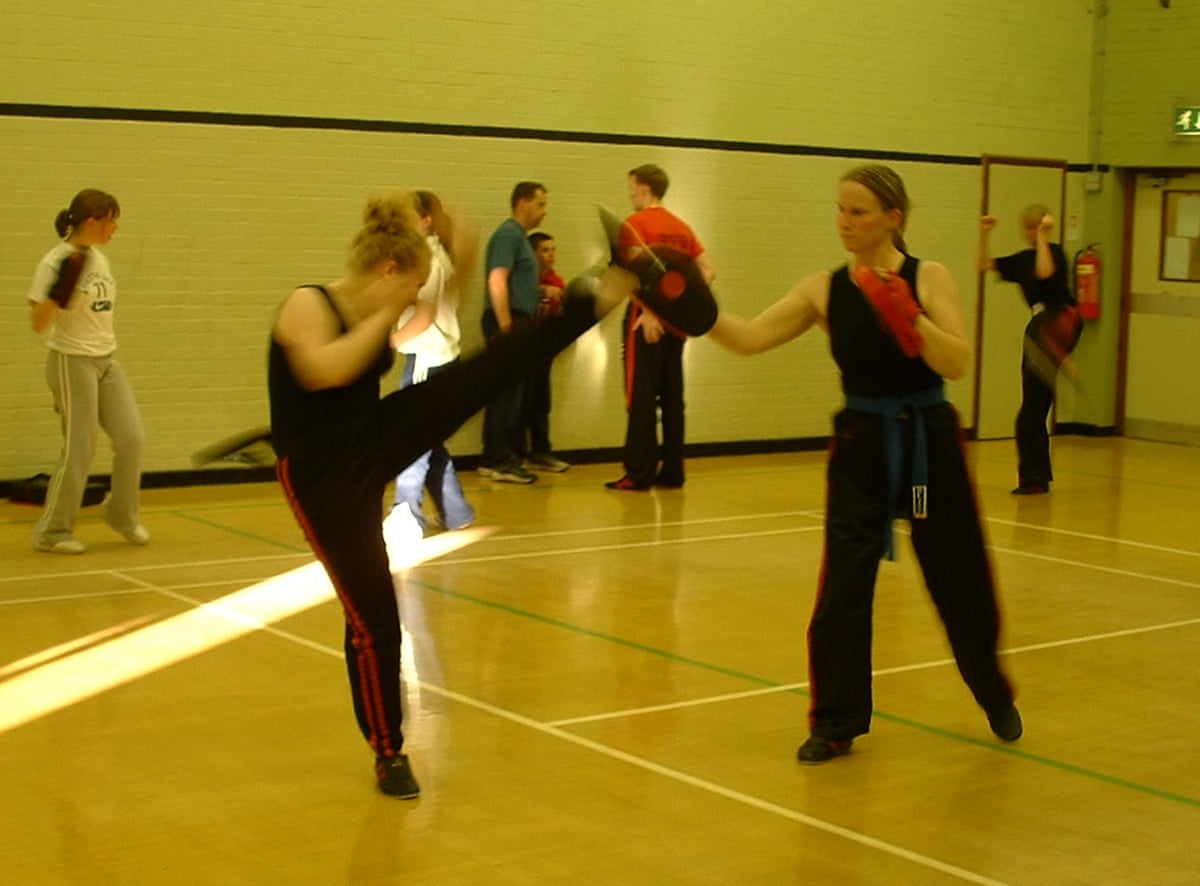
I joined a kickboxing club, and what might have been a fleeting interest became a dedicated pursuit, attending three times a week for four years. I was a committed student, earning different coloured belts every few months as I advanced through the ranks. My body transformed, gaining strength and flexibility, replacing childhood softness with muscle. I regularly sparred with men without fear and developed a confidence in my physicality that I have not experienced since.
Achieving Black Belt and Moving On
By 2004, at 19 years old, I was in peak physical condition and ready for my black belt grading. The three-hour test involved punches, kicks, fitness drills, and sparring, pushing me to my limits. It concluded with a surprise street-fighting scenario where multiple attackers wielded real pipes, reminiscent of Buffy’s challenges.
I passed, becoming one of the club’s first black belts. However, shortly after, I stopped training. I travelled, attended university, and replaced kickboxing with nightlife. Over time, my body softened, and I regarded the sport as something belonging to a younger, fitter version of myself.
Facing a New Challenge at 40
In late 2024, a physiotherapist informed me I was “staring down the barrel of 40” with a cartilage tear and mild arthritis in my hip. The news saddened me, especially the thought of never performing a spinning heel kick again, despite not having thought about it for two decades. On a whim, I returned to my childhood club to see if I could still participate.
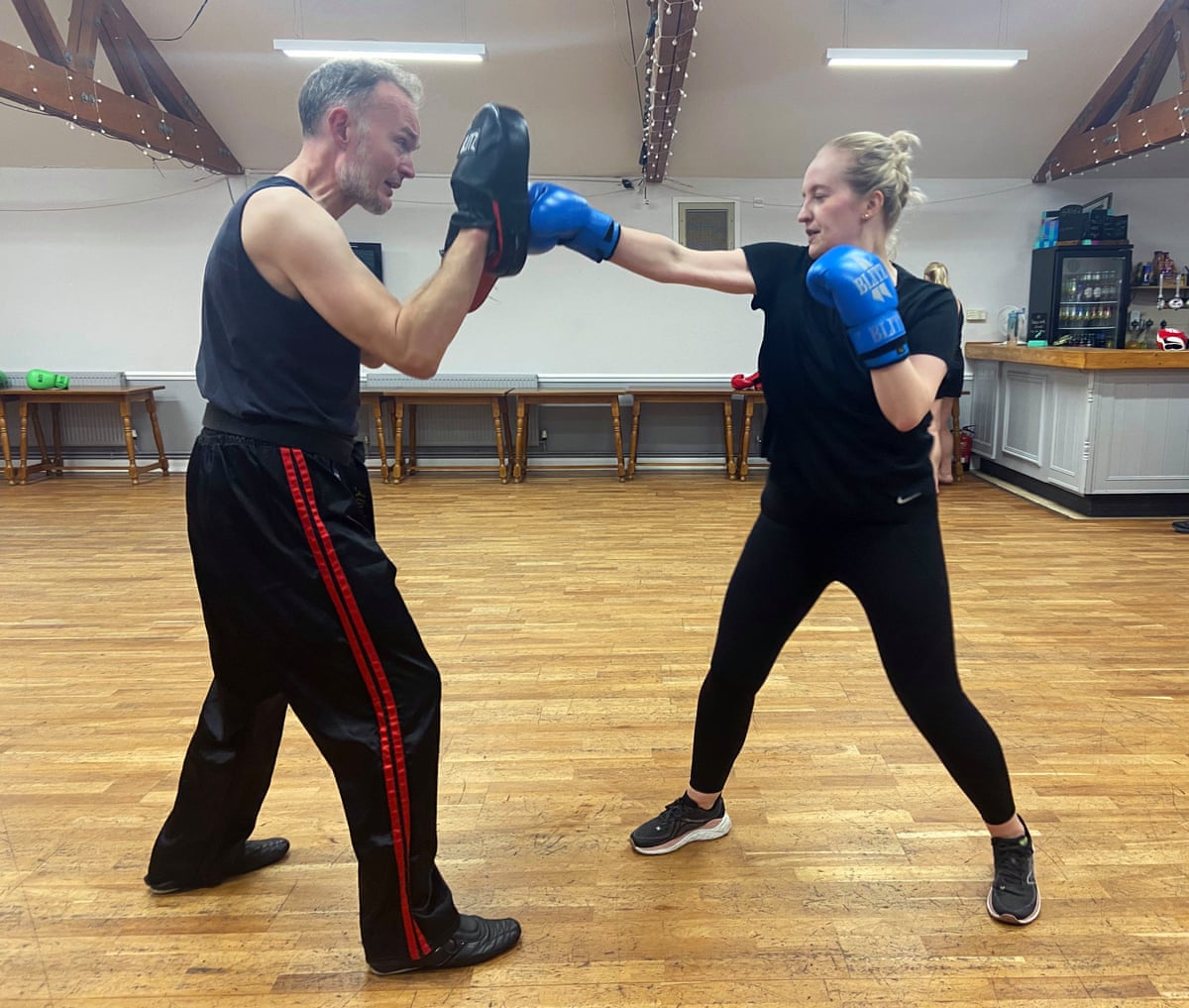
I anticipated feeling slow and out of place but instead experienced something akin to time travel. My old instructor, Alastair, was still leading the club; his mother, Lyn, remained a coach; and my former sparring partner, Amy, was also present. It felt as if I had stepped through a wormhole, hoping my body might recall its teenage fitness.

Rediscovering Skills and Overcoming Doubt
I tightened my boxing gloves with my teeth, as I had done hundreds of times before, and resumed punch combinations. Muscle memory took over: jab-cross-hook-uppercut; jab-hook-backfist. Moving to kicks, I executed front kicks and side kicks with hip rotation. When attempting my first spinning heel kick in decades, the flat of my foot struck the pad with a satisfying slap, and I mentally dismissed it as too easy.
However, when Alastair suggested a jump roundhouse kick, I hesitated. I had avoided jumping since losing confidence in my hypermobile ankles after multiple sprains. I stared at the target longer than necessary and performed a timid hop, falling short of the mark. My lack of self-belief was clear.
“It’s not because you can’t do it,” said Alastair. “It’s because you don’t believe you can.”
He was correct: the main obstacle was not physical decline but my mental assumption of incapacity. On my second attempt, I jumped higher and made contact with the pad, experiencing the familiar satisfaction of landing the move.
Assessment and Reflection
After training, I asked Alastair to assess my form after such a long absence. He said that if he graded me then, I would pass with a second dan blue belt, four levels below black. This was better than I had hoped, though accompanied by a reality check.
The experience did not make me feel 19 again. The following morning, I spent time in a salt bath and took ibuprofen. While I could perform many moves, my stance was off, my breathing irregular, and I was not fit enough for multiple sets of press-ups and jump squats. Returning to my previous level would require serious training.
Nonetheless, this journey changed how I view my body. Looking back at old gym photos, I realize I had little appreciation for its capabilities. Like many teenage girls, I focused on perceived flaws rather than the effortless forms it took, its power, and its ability to recover. My hope is that in 20 years, I will look back at photos of myself training at 39 with a deeper appreciation of what my muscles and bones could still achieve.


