

Political Badges on NHS Uniforms Under Review
NHS staff may be prohibited from wearing political badges on their uniforms, including pro-Palestinian symbols, as part of a series of recommendations aimed at addressing antisemitism within the health service.
This proposal is among several outlined in a review conducted by Lord Mann, the government's independent adviser on antisemitism.
The review investigated antisemitism and other forms of racism in the NHS, revealing that some Jewish patients and staff have felt compelled to conceal their religious identity.
Additional recommendations from Lord Mann include enhancing accountability for NHS managers, improving the recording and monitoring of racist incidents, and facilitating more patients to identify their ethnicity as Jewish.
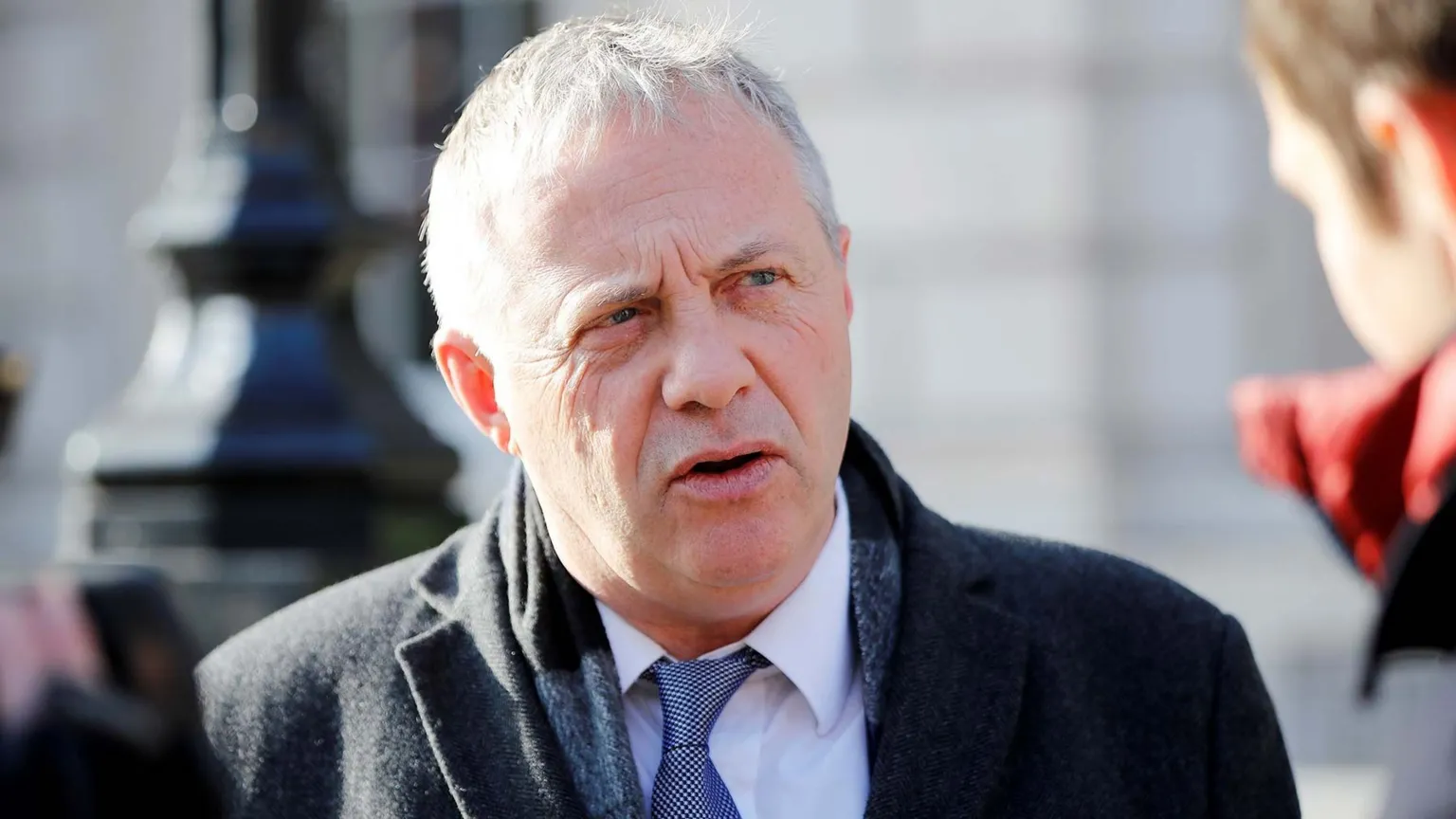
Context and Background
Last year, the government appointed former Labour MP Lord Mann to explore ways to protect patients from racism following reports of antisemitism by NHS doctors.
The report is part of multiple independent reviews commissioned after the fatal attack at Heaton Park Synagogue in Manchester in October 2025.
"The NHS should not be a place where you bring in your views. And the stronger the views, the bigger the problem," Lord Mann told the BBC.
"An 'I support Palestine' badge, or anything like that, is a problem for some people, just in the same way as an 'I support Israel' badge is a problem for some people. Don't wear either," he added.
"If you're fearful at what they [medical professionals] are wearing as a political symbolism, then that could be dangerous in terms of health outcomes."
A Jewish A&E doctor in England, who wished to remain anonymous, expressed discomfort at seeing colleagues wearing pro-Palestinian badges.
"The public should have trust in healthcare professionals and if you express political opinions, it can undermine that trust," she said.
The recommendation to ban political badges is expected to be adopted by NHS England following a consultation. NHS England is also conducting a separate review of uniform policy, last updated in 2020.
The government has previously stated that new workwear guidance will protect freedom of religious expression.

It is also understood that Lord Mann will advise that NHS staff should not wear uniforms at certain protests.
Findings on Antisemitism in the NHS
Lord Mann's report identified evidence of "routine ostracism" of Jewish staff within the NHS.
"People are leaving and have left the NHS because of that," Lord Mann said. "There are people who are very quietly whispering it to me that they've made life changes, career changes, because of the ostracisation they've had for being Jewish."
The report also highlights concerns that some Jewish patients avoid seeking care due to fears of antisemitism.
"There are people who are not getting the NHS service that they need. The perception amongst the Jewish community is that people have been having bad experiences," Lord Mann stated.
"That can be catastrophic if [they] choose to put off the appointment."
Government and Community Responses
Health Secretary James Murray confirmed that the government, responsible for the NHS in England, will fully accept the recommendations.
"I know that Jewish people – and everyone experiencing discrimination – need action not words. Together with NHS England, we will waste no time in setting these recommendations in motion to build a health service that lives up to its values," he said.
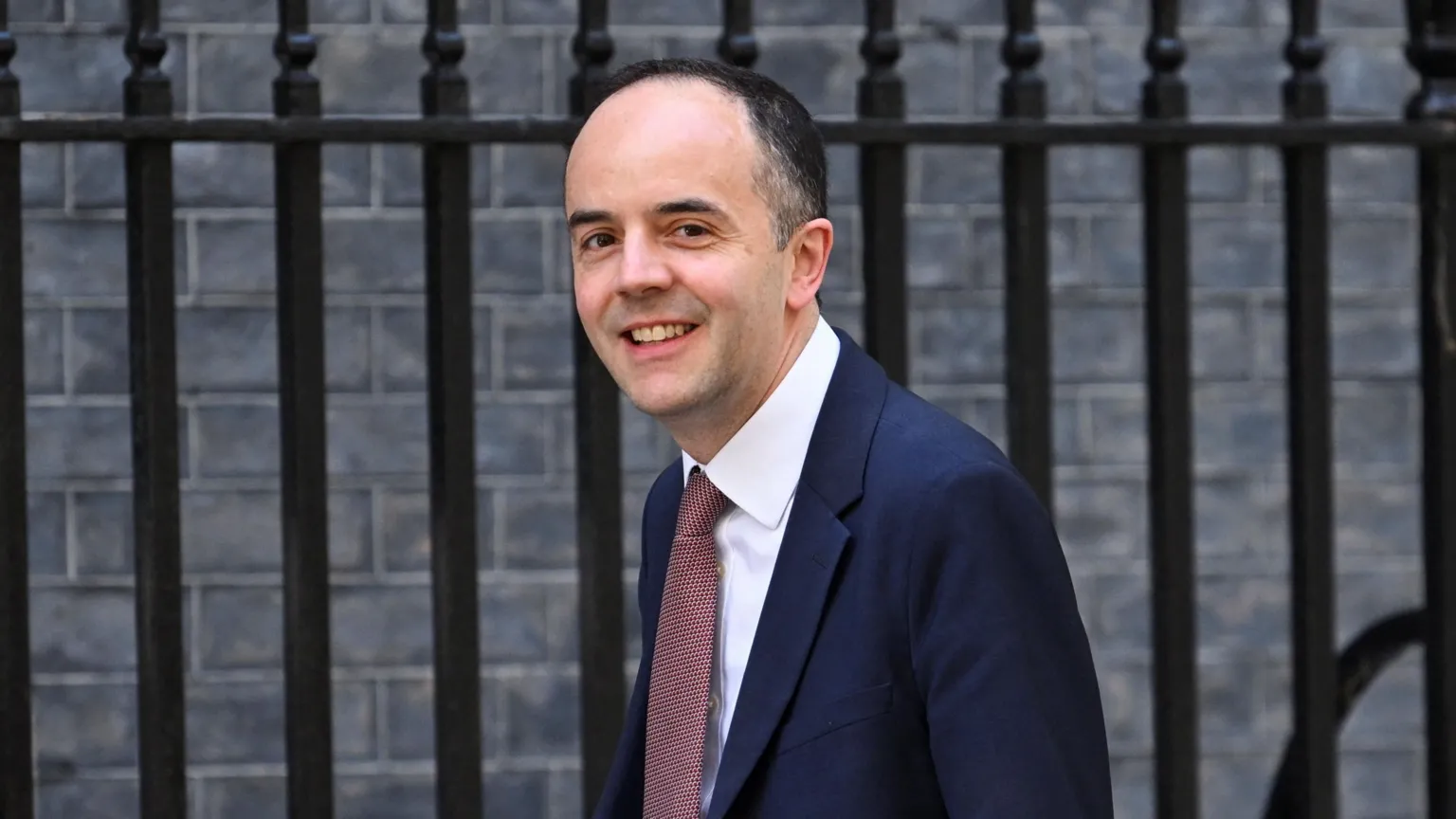
A spokesperson for the Jewish Medical Association emphasized the importance of addressing antisemitism seriously.
"We would support the banning of political symbols including flags and symbols of any country. We wouldn't want it to be discriminatory in any way," the spokesperson added.
Some NHS trusts already prohibit staff from wearing symbols perceived as political to maintain a safe and inclusive environment for patients.
However, legal action has been initiated by two doctors and a nurse against Barts Health NHS Trust in London, claiming its dress code unlawfully discriminates against them due to their pro-Palestinian beliefs.
Antisemitism in Dentistry and Broader Impact
Prof Andrew Eder, chair of trustees of the UK's Jewish Dental Society, reported a rise in antisemitic incidents in dentistry following the Hamas attacks on Israel on 7 October 2023 and the subsequent conflict in Gaza.
"Antisemitism goes right through the profession, whether you are a dental student, practitioner, or patient. I've been in practice for 40 years and I've never experienced this before at this level, with social media being a particular challenge," he said.
Statements from Jewish and NHS Leaders
Karen Newman, vice president of the Board of Deputies of British Jews, highlighted the importance of public services confronting anti-Jewish hatred.
"Our public services must set the standard for confronting anti-Jewish hatred and discrimination, and we must ensure the NHS, one of our proudest national institutions, is safe and welcoming for every staff member or service user, regardless of faith or ethnicity," she said.
Jim Mackey, chief executive of NHS England, affirmed the NHS's commitment to addressing antisemitism and racism.
"We accept all of the recommendations in Lord Mann's review and as a leadership community, we will act swiftly to implement them. The NHS at its best is a place of compassion, care and unity – not conflict – and there is unacceptable antisemitism and racism in the NHS, faced by both our staff and our patients and we must root this out," Mackey stated.




