

Staffing Shortages Impact Safety Amid Rising Caesarean and Induction Rates
A recent report into maternity services in Wales has identified insufficient staffing levels to cope with the rapid increase in caesarean births and labour inductions, raising concerns about compromised safety. The assessment highlights the need for enhanced national coordination to address vulnerabilities and weaknesses within maternity and neonatal care.
Despite these challenges, the report also acknowledged numerous strengths within the services and the dedication of committed staff.
The Welsh government, which commissioned the assessment, has accepted the report's recommendations and announced plans to strengthen national oversight accordingly.
Families Experience Trauma Exacerbated by Defensive Responses
The report noted that families who endured loss or serious injury often faced additional trauma due to "defensive responses" and inconsistent processes, which hinder the system's ability to learn and improve.
Among families reporting poor experiences, concerns were raised about post-natal support, the involvement of fathers, and unmet mental health needs.
Staff morale has also suffered significantly, influenced by what was described as "a relentless negativity" in public discourse.
Fragmented National Oversight and Staffing Challenges
National organizations responsible for delivering, monitoring, and holding services accountable were found to frequently operate in parallel rather than collaboratively.
The report identified a shortage of obstetric theatre availability and noted that post-natal care, in particular, is inadequately staffed and supported.
Mental health care provision within maternity and neonatal units was reported to lag behind standards observed in Scotland and England.
Workforce Trends and Sickness Rates
Since 2015, the medical workforce comprising obstetrics, paediatrics, and anaesthetists has increased by 32.5%, although these professionals also serve other healthcare areas.
Full-time equivalent midwives have grown by 13.3% in the same period, with a notable shift towards a younger and less experienced workforce.
However, midwife sickness rates rose sharply in 2021 to approximately 9%, before decreasing to 6.3% by July 2025.
The number of neonatal nurses increased by 24.1% since 2015, though staff sickness remained around 8.5%.
Voices from the Community
The assessment team, led by Professor Sally Holland, engaged with over 600 women, parents, families, and staff across Wales to gather insights.

Over the past decade, maternity and neonatal services in Wales have been subject to more than 500 recommendations from various reviews and inquiries. Rather than adding to this volume, the report distilled these into eight priority areas for focused improvement.
The report was published amid a broader review of maternity services in England, led by Baroness Amos.
The Welsh Health Secretary Jeremy Miles commissioned the assessment in response to persistent concerns about variability in the safety, quality, and experience of maternity and neonatal care.
The report clarifies that it is an assurance assessment rather than a review, emphasizing evaluation of the current state of services without assigning blame.
It highlighted that the multitude of reviews and recommendations over the last decade has created "a vast, uneven landscape" where distinguishing urgent needs from aspirational goals is challenging, contributing to "improvement fatigue."
The report recorded "passionate pleas" for change, reflecting frustration that previous recommendations had not translated into practical improvements.
Personal Experience: A Mother's Story
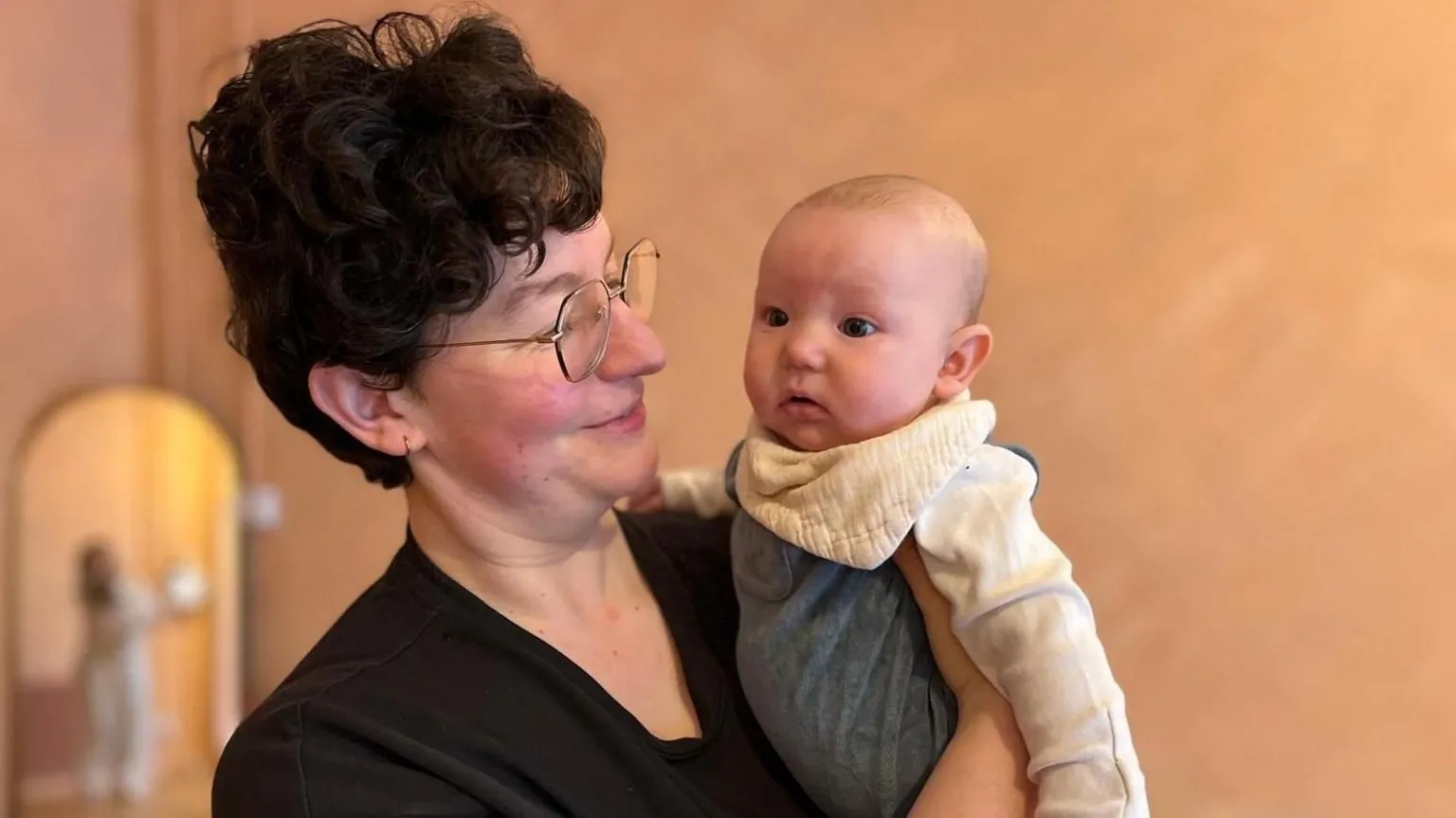
Zosia Dowmunt shared her experience of processing the trauma from her son's birth two and a half years ago to better prepare for the birth of her daughter four months prior.
She described feeling disbelieved by staff when she expressed concerns about her son's labour progress and fetal position, which led to preventable complications and a caesarean delivery.
"From that moment on we were very much at odds," she said, adding that poor communication contributed to the issues.
"When you're disempowered in birth it disempowers you as a mother. I didn't feel capable of taking care of my son and it took me months to trust my instincts."
The 39-year-old Cardiff resident emphasized that her distress was not due to the mode of delivery but rather the lack of belief and control she experienced.
"I use the word control lightly because you can't control birth and you have to let go in order to give birth, but it's about having autonomy and power in that situation."
"I knew I wanted two children, so quite soon after the first birth, I knew I had to reconcile my feelings about that birth in order to even face being pregnant again."
Recommendations and Government Response
Professor Holland emphasized in her opening remarks that "our recommendations will require action, funding and accountability."
The Welsh government announced a three-year improvement programme aimed at strengthening leadership through a "national strategic oversight board," implementing real-time safety monitoring systems, establishing a national forum to share best practices, ensuring routine birth discussions, and developing a service specification for labour induction.
Perinatal workforce plans will be redeveloped to ensure health boards maintain safe staffing levels.
Ongoing Challenges: Mortality Rates
While stillbirth rates in Wales declined between 2014 and 2023, the country continues to have the highest stillbirth rates in the UK.
Additionally, Wales recorded the highest neonatal death rate in the UK in 2023.


