

Interim Report Reveals Widespread Failings in England's Maternity Services
Maternity services across England are failing "too many" families, with issues occurring "at every stage" of the maternity journey, according to an interim report.
Baroness Amos, who is leading a government-commissioned review, identified racism, staffing shortages, and accountability problems among six key factors contributing to these failings.
To date, more than 8,000 individuals have submitted evidence, and Baroness Amos has met with over 400 families to gather firsthand accounts.
Health Secretary Wes Streeting has committed to implementing the final recommendations from the review, which are expected in April.

Key Findings Highlight Six Areas of Concern
In her interim report, Baroness Amos focused on six critical areas where maternity services are underperforming. These include systemic issues such as racism, inadequate staffing levels, and a lack of accountability within the maternity care system.
Baroness Amos stated:
"It was clear from the meetings and conversations I have had with hundreds of women, families and staff members across the country, that maternity and neonatal services in England are failing too many women, babies, families and staff."

Longstanding Awareness of System Failures
Failures within maternity services have been documented and reported for many years. The BBC has spent over a decade collecting testimonies from bereaved and harmed families following poor care at NHS Trusts including Morecambe Bay, Shrewsbury & Telford, East Kent, Nottingham, Leeds, among others, highlighting persistent issues in maternity care.
Case Study: Orlando Davis
One tragic example is the death of newborn Orlando Davis in September 2021. Orlando died at 14 days old after staff at Worthing Hospital in Sussex failed to detect that his mother had developed hyponatremia—a dangerously low sodium level in the bloodstream—during labour. An inquest determined that neglect contributed to his death.
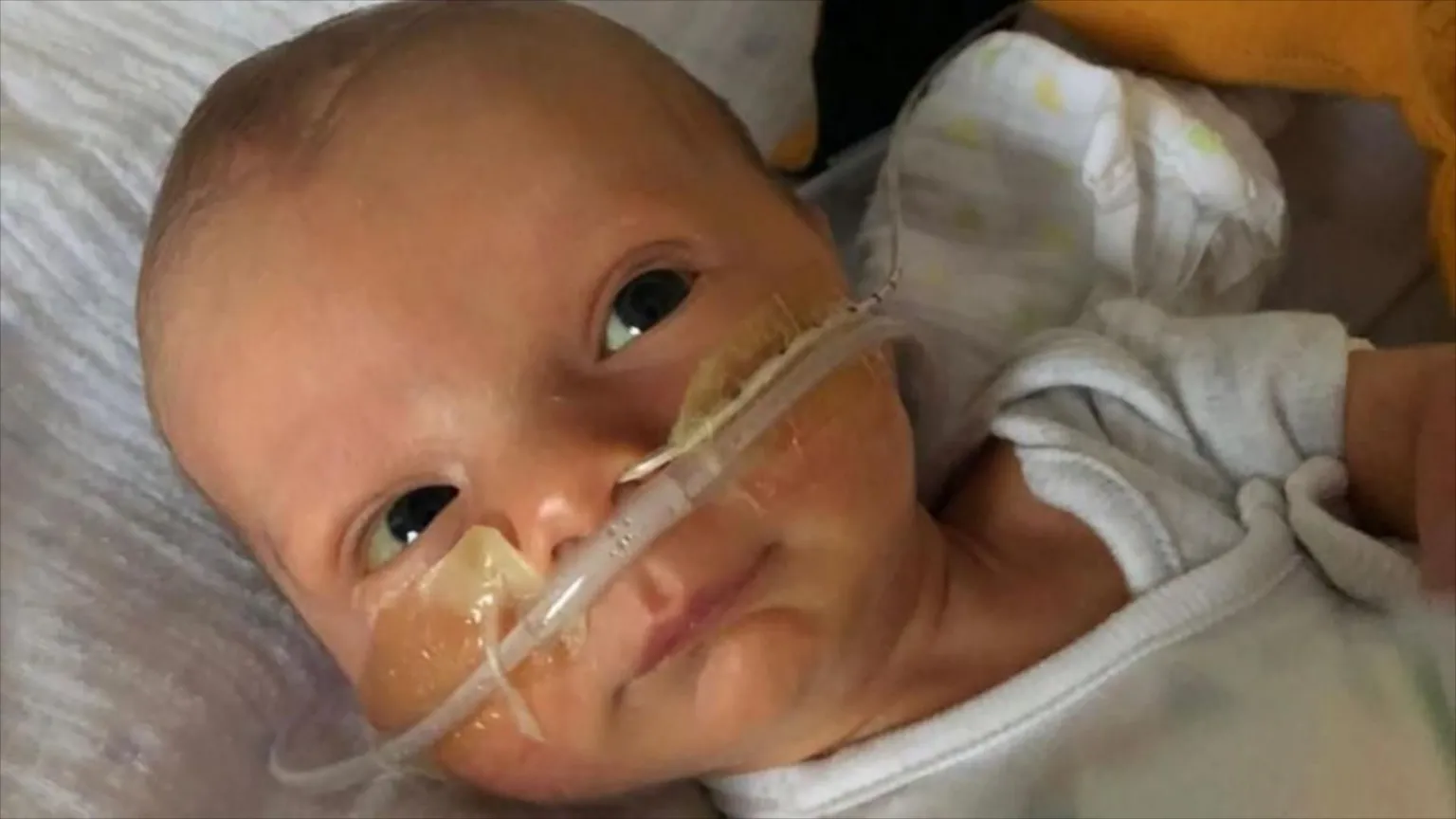
Orlando's mother, Robyn Davis, expressed her distress over the care received:

"Not listening to my concerns is the main reason we're sat here without our son."
Her husband, Jonathan Davis, identified a cultural issue within maternity services, where midwives may assume they know better than the mothers themselves. He stated:
"The only one that truly knows what's going on in that individual's body is the mother."

Campaign for Independent Investigation
The Davis family is part of Truth for Our Babies, a campaign group advocating for an independent inquiry into maternity services at the University Hospitals Sussex NHS Trust. Earlier this month, investigations by and the New Statesman revealed that at least 55 babies over five years might have survived with improved care.
The family remains skeptical about the effectiveness of the Amos review and is calling for a statutory inquiry.
Robyn Davis criticized the scope of the review:
"It's not going deep enough... it's not just what's happening at these hospitals. It's the regulators as well,"
noting that regulators are not included in Baroness Amos's review.
Jonathan Davis added:
"As families, we have received lacklustre care. We [therefore] deserve the gold standard of accountability - and progressing a rushed, high-level review, instead of a statutory inquiry, is not receiving the gold standard.
Future mothers and future children may not suffer the same irreversible fate that we have if a [properly] conducted inquiry happens."
Calls for Government Action and Maternity Commissioner
Labour MP Michelle Welsh, a prominent advocate for maternity safety, warned that the Amos review risks becoming ineffective unless the government takes decisive action. She urged the creation of a maternity commissioner responsible for ensuring improvements in care.
Welsh emphasized:
"This inquiry must result in some big, bold policies with regards to maternity services, that really says that as a government we want to improve maternity services, we want to invest in it, and we will secure the truth and accountability for families."
Delay in Establishing Maternity Taskforce
When announcing the review in June last year, Health Secretary Wes Streeting also pledged to chair a maternity taskforce early this year to drive improvements. However, it has recently emerged that the taskforce has not yet been established. The Department for Health and Social Care stated that they will announce the membership "shortly."
Michelle Welsh stressed the urgency:
"It is important that the taskforce is established as soon as possible, because without it we don't have that driving force [and] those big, bold policies."


