

Erin Cooper's Harrowing Experience
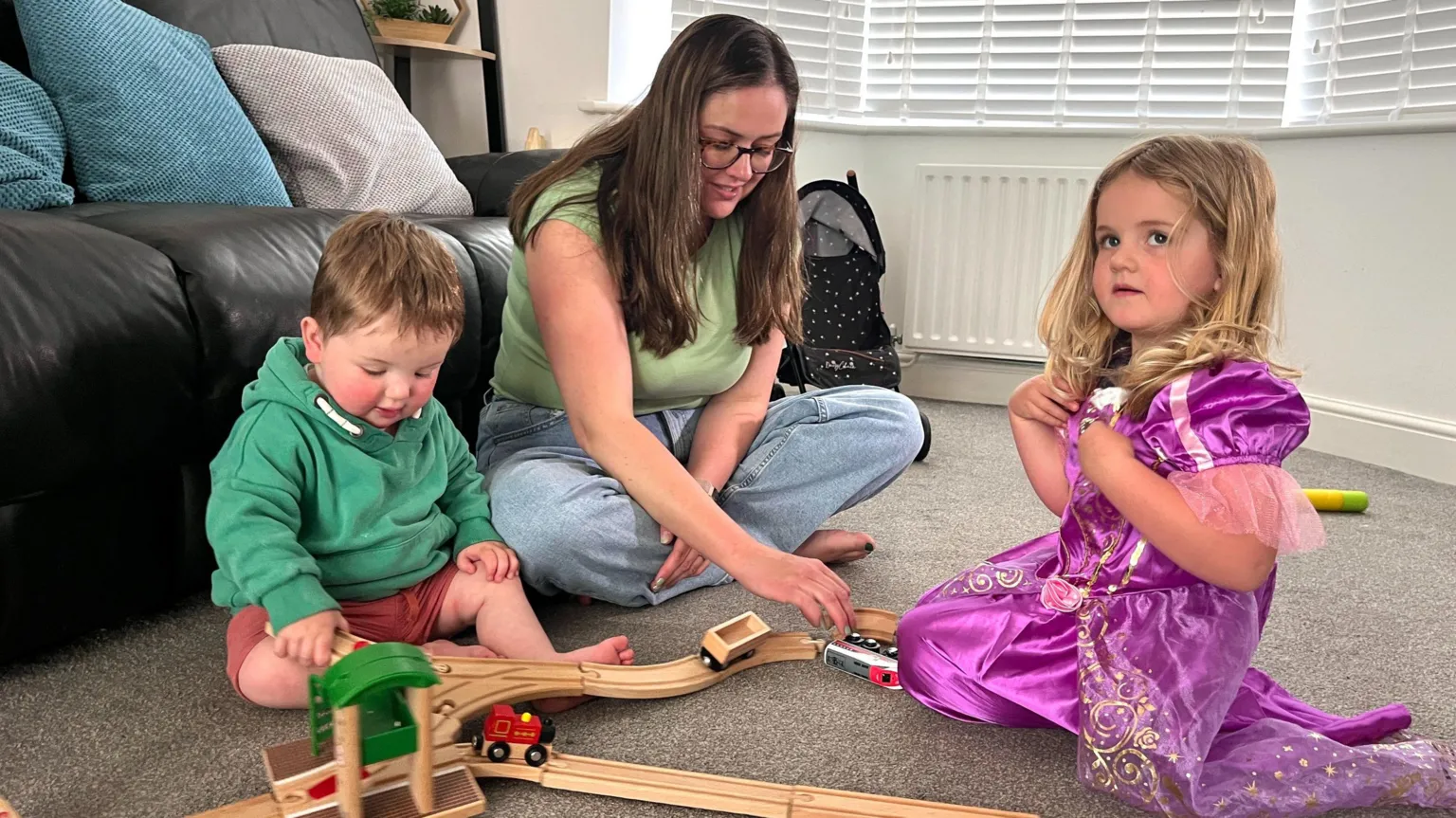
Two years ago, Erin Cooper was 26 weeks pregnant and preparing for a holiday when she suddenly began bleeding.
"I was terrified. In the back of my mind, I thought my baby was dead,"
she recalls. Erin, an intensive care nurse from Bedfordshire, gripped an ambulance technician's hand throughout the journey to the hospital, pleading for her life.
"I said 'Please don't let me die, I've got two older children that I need to be home for.'"
While doctors were able to stop the bleeding, they did not investigate its cause, resulting in multiple bleeding episodes until she delivered her son.
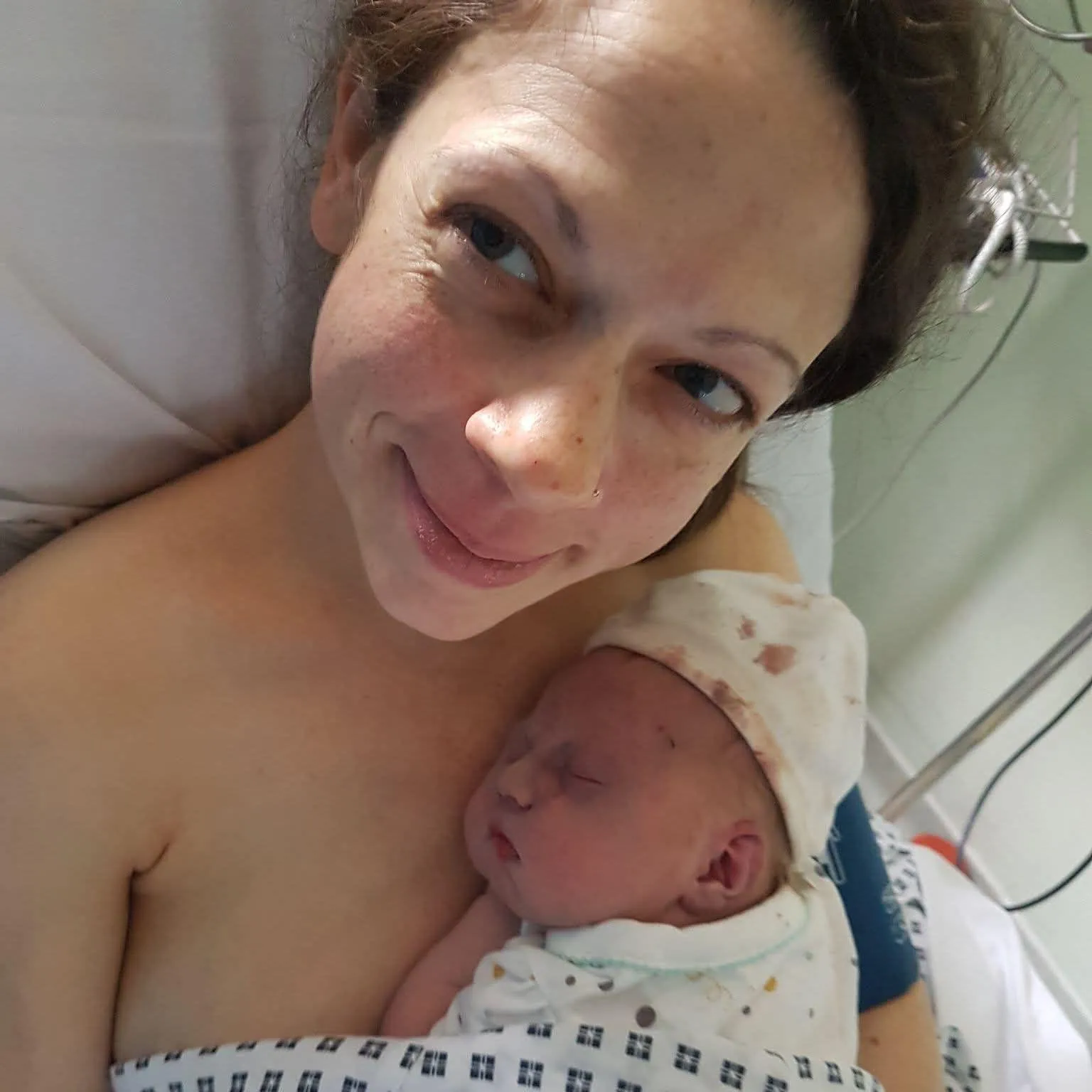
Milo was born via emergency Caesarean section under general anaesthetic after a severe bleed ruptured her membranes at 34 weeks. Erin suffered a "catastrophic" haemorrhage requiring 13 blood transfusions.
Subsequently, doctors diagnosed Erin, now 35, with Placenta Accreta Spectrum (PAS), a condition where the placenta attaches too deeply into the uterine wall.
"When I woke up, I had a piece of paper in my hands. I couldn't talk. And I wrote the word 'hysterectomy'. And they said, 'Yes, we had to do hysterectomy'. I knew at that point, things had gone really wrong."
PAS was once considered rare, but NHS data indicates rising cases, possibly linked to increasing Caesarean section rates. Although there is no national dataset specifically tracking PAS, NHS estimates suggest an incidence ranging from one in 300 to one in 2,000 pregnancies.
Raising Awareness: More Women Affected Than Realized
Erin is among over 100 mothers advocating for greater awareness of PAS and highlighting what they describe as "a dangerous gap in maternity care". They emphasize the lack of specialist training, absence of a national database, and no mandatory reporting of PAS cases.
Some women have sustained permanent damage to their bladder and bowels, while others report severe neonatal complications. One mother recounted her daughter suffered a neonatal stroke resulting in cerebral palsy due to PAS.
Charlotte Dron, a 42-year-old teacher from Southend, experienced significant trauma after giving birth to her second child, Luca, in 2018. During an emergency C-section, she lost three litres (five pints) of blood, with midwives shouting and a nurse fainting due to the severity of the haemorrhage.
"I was frightened because no one was explaining what was going on,"
Charlotte says.
"I wish I had been seen and heard before my emergency became life-changing."
She was diagnosed with PAS and required counselling after repeatedly reliving the haemorrhage in her mind. Despite wanting a third child, she suffered two miscarriages before a consultant warned her that another pregnancy would "more than likely end in death."
"It was hard-hitting, but I needed someone to say that,"
she reflects.

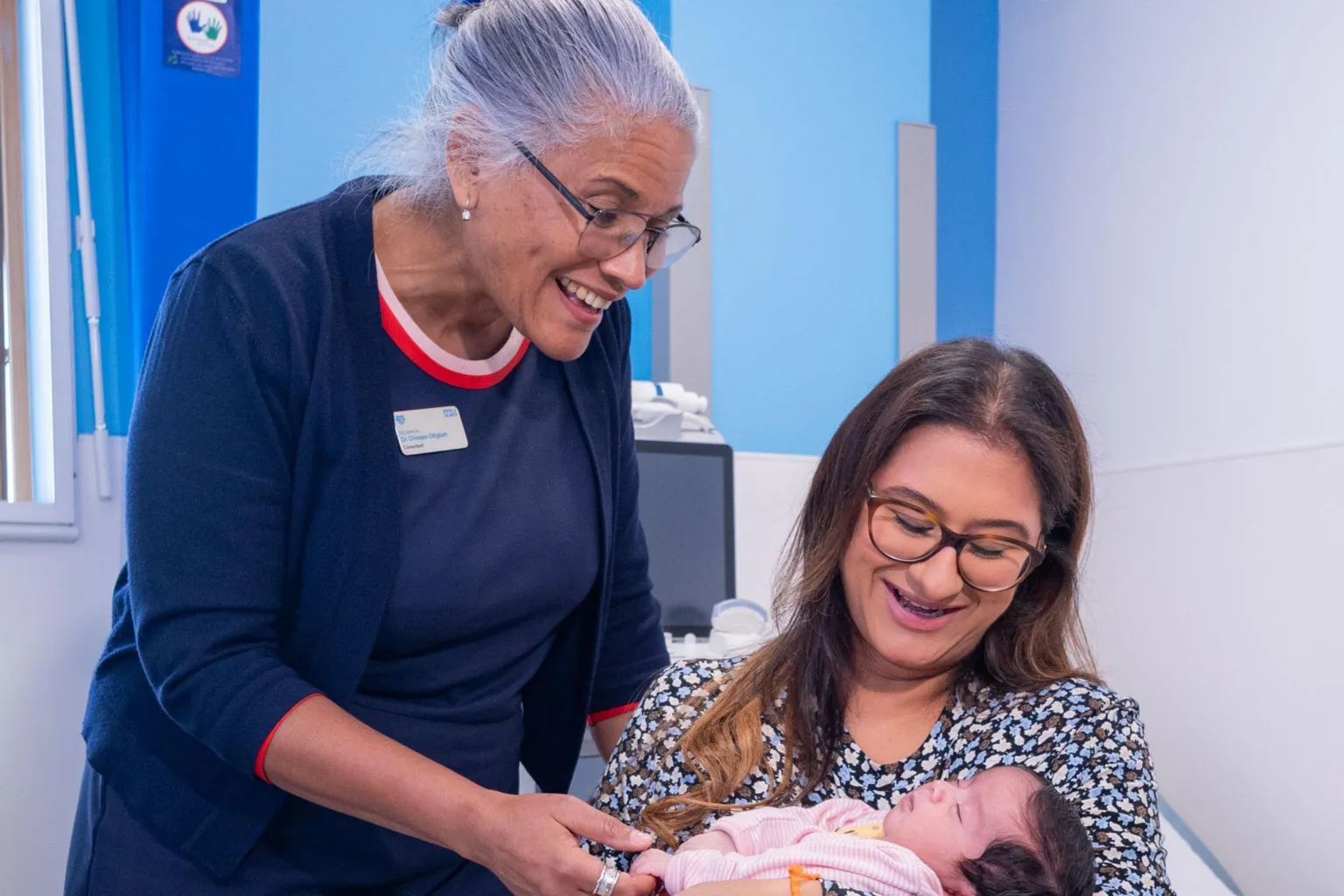
Amisha Adhia, 37, founded the campaign group Action for Accreta earlier this year after her own PAS experience. Suspecting the condition, she sought diagnoses from five specialist hospitals before consultant obstetrician Dr Chineze Otigbah confirmed it, enabling the safe delivery of her daughter Ishaani.
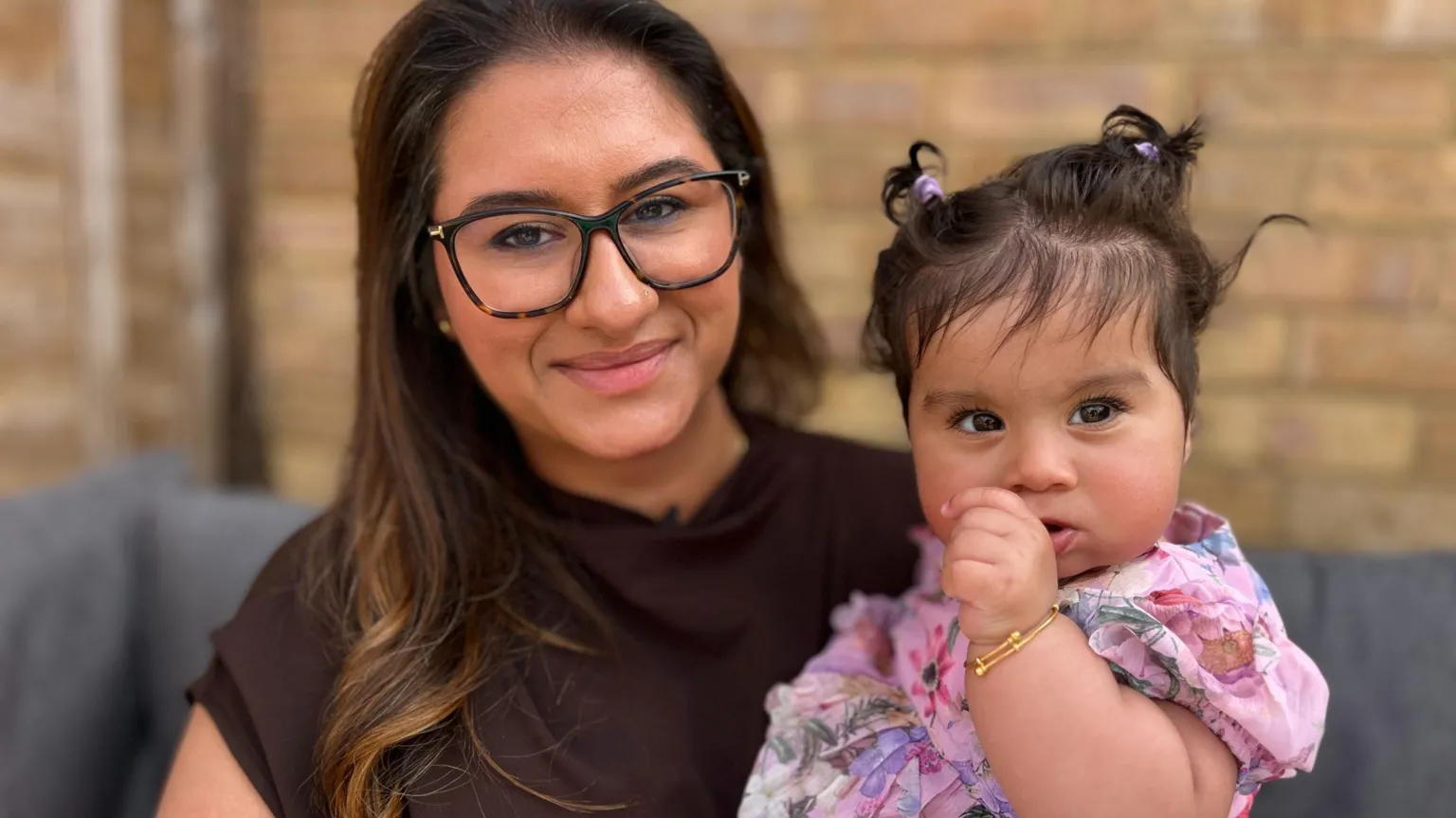
The Royal College of Obstetricians and Gynaecologists has pledged to update guidelines on PAS following Amisha's advocacy, though she asserts more progress is necessary.
"I thought I was the only one who was going through this, but actually there are hundreds of women still out there that need help and support,"
she says.
"If it was any other condition, the world would be in uproar about it. Women and babies are losing their lives."
Understanding Placenta Accreta Spectrum (PAS)
Dr Chineze Otigbah, who has studied PAS for 20 years, explains that every maternity unit should be capable of screening for PAS and referring patients to specialist centres.
"We have the perfect storm of a condition that was previously thought to be very rare all of a sudden becoming extremely common,"
she states, noting the rise correlates with increasing Caesarean sections.
"Because of that, it is almost like we've been caught on the hop; we're unprepared."
She adds that several women have died from blood loss and many others have endured severe trauma.
Erin continues to cope with the trauma of her experience and the reality that she can no longer have children. She cherished her nursing career in intensive care and operating theatres but has had to change paths.
"I trusted the NHS with everything,"
she says,
"but now I feel my employer has let me down."
Though grateful to have survived with her son, Erin is frustrated her condition was not diagnosed during pregnancy, which would have reduced her haemorrhage risk.
"I live with PTSD around blood. I can no longer work in a patient-facing role. I panic when I hear sirens,"
she explains.
"I can't drive past the hospital without feeling like I'm about to have a panic attack. I feel a deep loss of my womanhood."
The campaign group has referred PAS care concerns to the NHS safety organisation, the Health Services Safety Investigations Body (HSSIB), which is reviewing evidence to determine if a national investigation is warranted.
A spokesperson for NHS England in the East commented:
"We agree it is likely that the prevalence of Placenta Accreta Spectrum (PAS) is increasing with the increase in national caesarean section rate.
"NHS England is therefore in the process of reviewing the specification for this specialised commissioned service to improve national data collection and access."
For story suggestions related to Beds, Herts or Bucks, contact the BBC team. Follow Beds, Herts and Bucks news on , Facebook, Instagram, and X.


