

Name Change Reflects Whole-Body Condition
Health experts in Jersey have stated that renaming a metabolic condition affecting over 170 million women worldwide is "more representative" of the condition as a whole-body disorder rather than one limited to the ovaries.
Polycystic ovary syndrome (PCOS) has been renamed polyendocrine metabolic ovarian syndrome (PMOS).
The International PCOS Network announced the name change on 12 May, expressing hope that it would enhance understanding, diagnosis, and treatment of the condition.
Jessica Pinel, a nutritionist and chair of PCOS Jersey, explained that the term PCOS "limited the condition to having an effect on women's ovaries, whereas we know that it is a full body condition".
Symptoms and Personal Experience
The NHS notes that individuals with PCOS/PMOS have elevated male hormone levels and may experience irregular periods and weight gain.
Pinel, diagnosed three years ago after spending over £3,000 on treatment, reiterated her view that PCOS terminology restricts understanding of the condition's systemic effects.
In her professional capacity, she supports many women with PCOS/PMOS, highlighting the "diverse array of symptoms" that significantly impact daily life.
"We know that it can be fatigue, hair growth in unwanted places, acne, brain fog even, irregular periods and infertility.
It is that full-body condition with a range of different symptoms and, hopefully, [the name change] allows more women to get support and treatment for that range of different symptoms because the condition affects us in unique ways."
Pinel emphasized the need for increased education for women who may be unaware they have the condition and for support for those diagnosed.
"We can't just put the onus on the women themselves to seek out that sort of education - there is so much misinformation online, on TikTok, Instagram, even Facebook.
If that's where you're seeking out knowledge... we've got to be really, really careful," she said.
In 2024, the BBC reported that influencers were marketing fake cures for PCOS.
Pinel advised individuals suspecting they have the condition to pursue professional medical support.
"In terms of diagnosis, you are always entitled to a second opinion.
I wasn't diagnosed the first few times. I had those exploratory tests, so I sought out a secondary opinion because I know my body.
If you feel like you're not being seen or heard, then please go and seek that second opinion because you deserve it."
Government and Medical Perspectives
The government stated that a women's health strategy is a requirement of the Government Plan and is scheduled for publication later this year.

Jersey GP Dr Jessica Langtree-Marsh described PCOS/PMOS as "hugely under-researched and hugely misunderstood."
She stressed that early diagnosis and education are "essential" to ensure the "right diagnosis for individuals."
Dr Langtree-Marsh remarked,
"I think PCOS is widely overlooked, and we see it as just simply: 'Come back when you want to have a baby and we'll fix it then.'
Actually, we need to look at this as a lifespan condition."
She expressed hope that the name change would encourage broader treatment approaches beyond contraceptive pills, including metabolic medications to address the condition.
Dr Langtree-Marsh noted that PCOS was first identified 70 years ago by two male surgeons who observed ovaries with a distinctive appearance in women with absent periods.
The surgeons, Dr Irving Stein and Dr Michael Leventhal, originally named the condition Stein-Leventhal Syndrome before it was renamed PCOS.
She explained,
"The name of PCOS acknowledged that the condition only really affected the ovaries, yet we know it's an all-body condition.
So the rebranded PMOS is trying to appreciate that it affects women more generally rather than just the ovaries, so that it's a whole body condition."
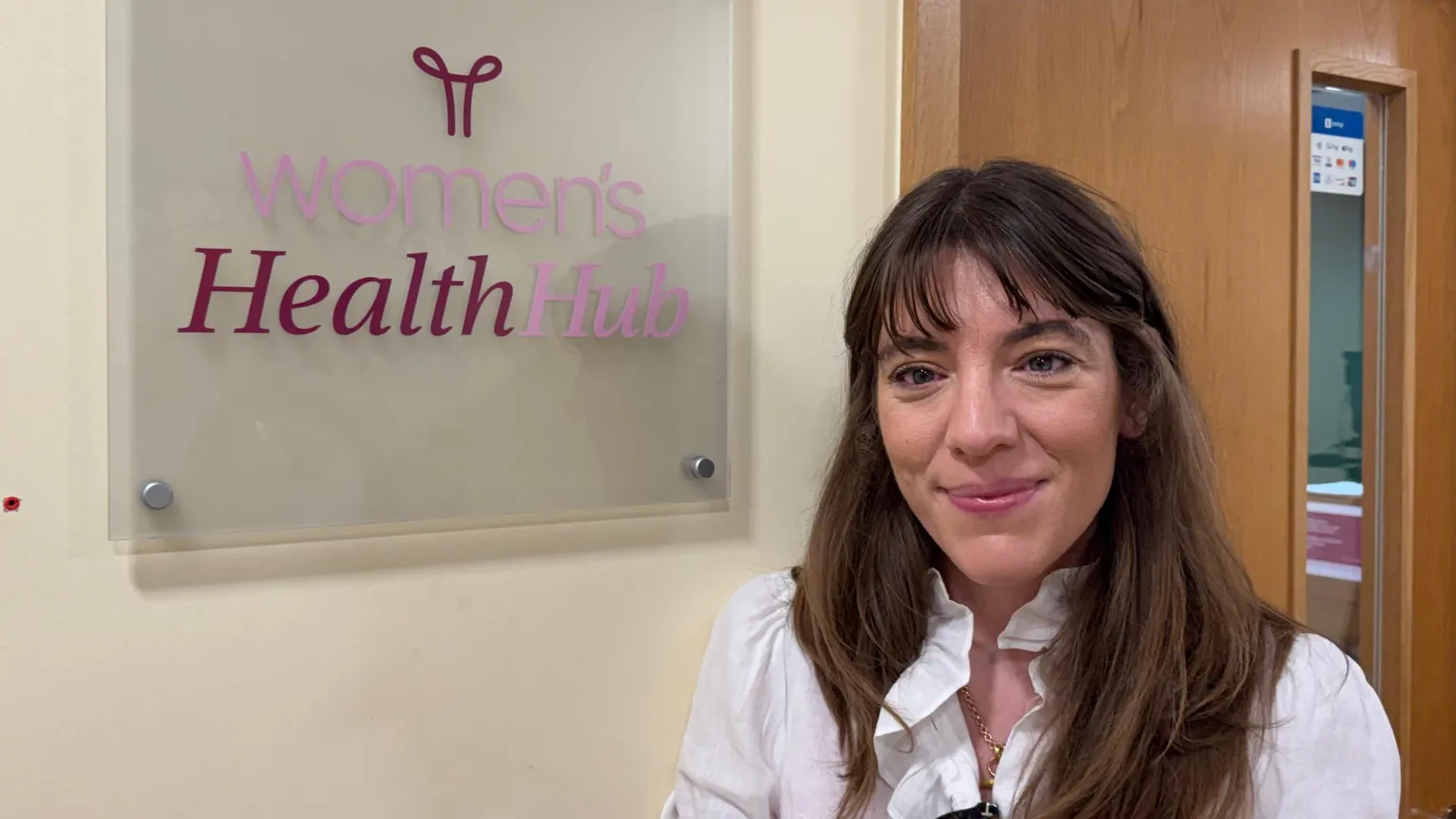
Dr Langtree-Marsh acknowledged that although the new name "doesn't exactly roll off the tongue," she welcomed the shift away from focusing solely on the ovaries.
She added,
"What it doesn't do, and what we still don't know, is address the core why PCOS actually happens, or PMOS actually happens.
It's kind of just a cloak or phrase for the symptoms."
Follow BBC Jersey on X and Facebook. Story ideas can be sent to channel.islands@bbc.co.uk.


