Donna Ockenden Inquiry Uncovers Toxic Culture and Neglect at Nottingham Maternity Units
More than 500 mothers and babies suffered harm or death due to substandard care at Nottingham University Hospitals NHS Trust (NUH), according to an extensive inquiry led by childbirth expert Donna Ockenden.
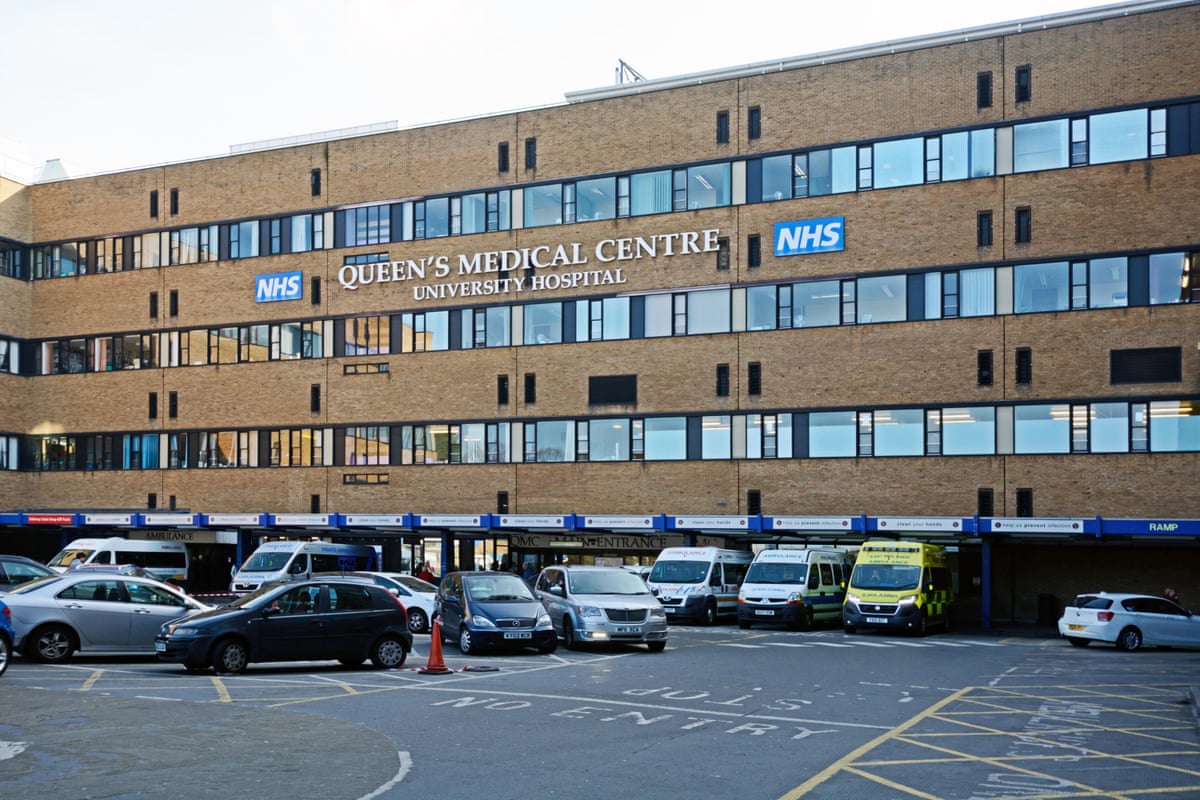
The inquiry, which investigated the NHS’s largest maternity scandal, found that 444 women and 76 newborns experienced potentially avoidable adverse outcomes over a 13-year period. The 401-page report details systemic failures at NUH’s two hospitals, Queen’s Medical Centre and Nottingham City Hospital, where women faced dangerously poor and sometimes cruel treatment, routine understaffing, and a pervasive bullying culture among staff cliques.
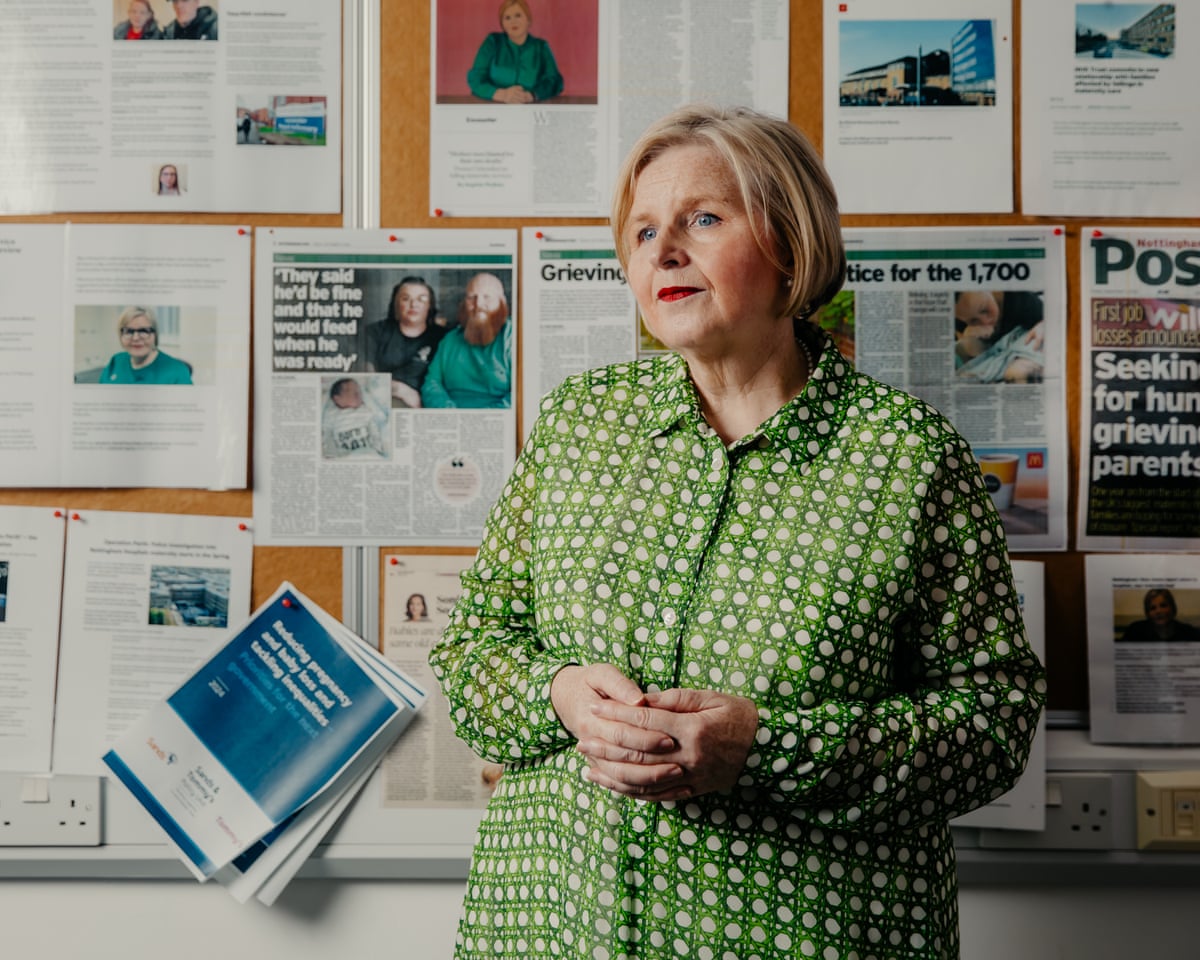
Ockenden and her team examined 27 maternal deaths between 2006 and 2024, identifying care failures that may have significantly influenced six of these deaths. Common issues included staff not listening to women’s concerns or acting promptly, as well as delays in performing necessary scans.
The review was initiated in 2023 after families raised alarms about unsafe maternity care at NUH. It also scrutinized cases where babies died due to oxygen deprivation during birth, hospital-acquired infections, mismanagement of labor, or inadequate postnatal care.
Of the newborn deaths examined, 31 cases revealed inadequate care that likely could have prevented harm if handled differently.
Recurring Failures and Clinical Negligence
The report exposes repeated clinical failings that endangered mothers and babies, sometimes with catastrophic results. These included failures to properly monitor babies during labor, misinterpretation of cardiotocography (CTG) traces indicating fetal distress, and midwives’ failure to escalate urgent cases to doctors for timely intervention.
“In a number of cases these failures contributed to severe neonatal injury, stillbirth and neonatal death,”the report states.
Approximately 2,500 families and 850 current or former NUH staff provided evidence covering events from 2012 to 2025. The inquiry also uncovered:
- A persistent bullying and toxic culture at NUH that obstructed improvements in care.
- Repeated warnings to maternity service managers and senior trust leaders about serious problems, which were not effectively addressed.
- A culture among maternity staff of refusing admission to women in labor, despite the risks to mother and baby.
- Chronic understaffing in both maternity units, unable to manage the volume and complexity of births.
- An incident where a baby girl who died early in gestation was mistakenly disposed of as clinical waste after postmortem examination, adding to her parents’ distress.
Families’ Experiences and Staff Attitudes
Families recounted harrowing experiences, including being denied adequate pain relief. One woman described the treatment as
“brutal … traumatic … They were screaming at me: ‘You need to pull yourself together,’”highlighting a dismissive and sometimes cruel attitude among staff.
Women’s concerns were often minimized. One was told,
“Is this your first baby? Take some paracetamol and have a hot bath.”
The Nottingham Maternity Families group, representing around 600 harmed and bereaved families, has called on the prime minister to establish a statutory public inquiry into maternity failings across England.
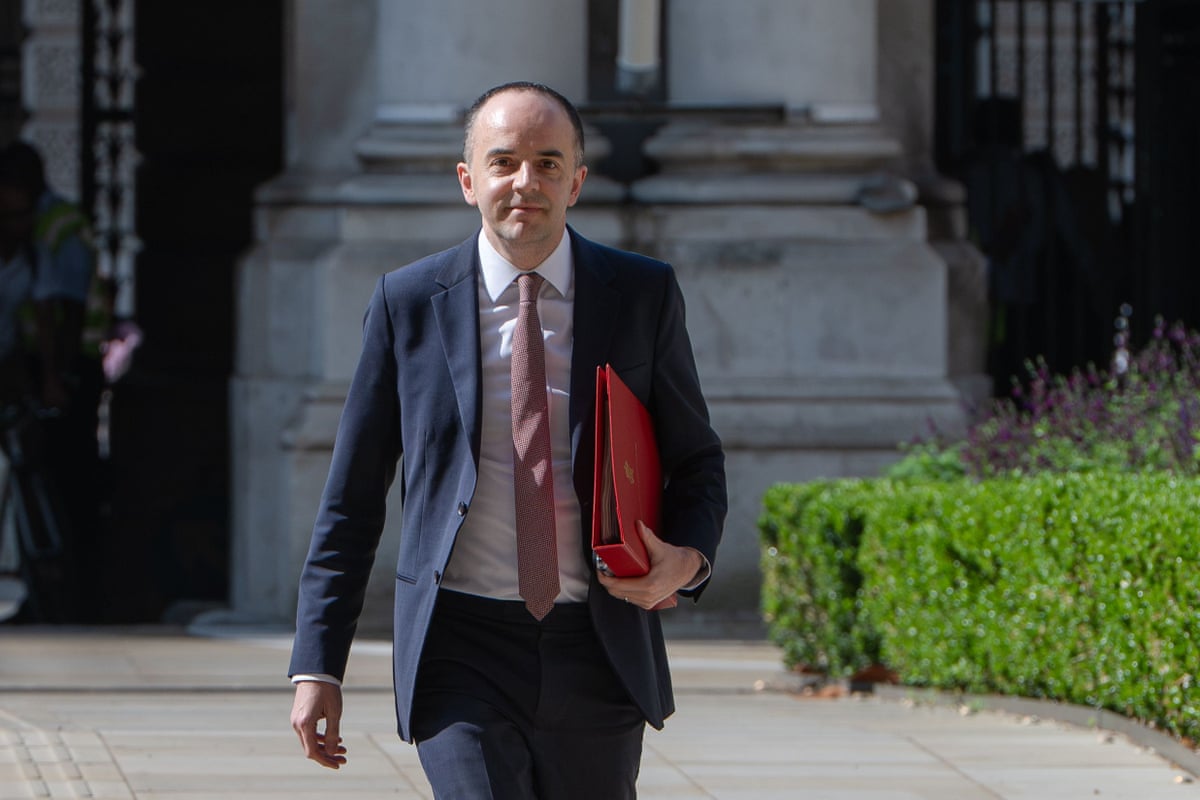
Health Secretary James Murray responded to this call by stating he was
“not going to take it off the table,”emphasizing his focus on the Ockenden report and the need for accountability and change to ensure women and mothers are listened to in the future.

Families criticized many NUH senior managers for refusing to give evidence to the inquiry, describing this as
“appalling”and suggesting they should be dismissed.
“You have demonstrated that maternity safety doesn’t matter to you, but self-preservation does. Your failure to engage constructively and with candour in this review process is further proof you are unfit to keep mothers and babies safe. Questions need to be asked by senior leaders and regulators whether you are fit to work in the NHS,”the families said in a statement.
Suppression of Information and Wider Implications
The report recounts how Jack and Sarah Hawkins experienced suppression of information by NUH and regulatory bodies while seeking answers about the death of their daughter Harriet, who was stillborn in 2016.
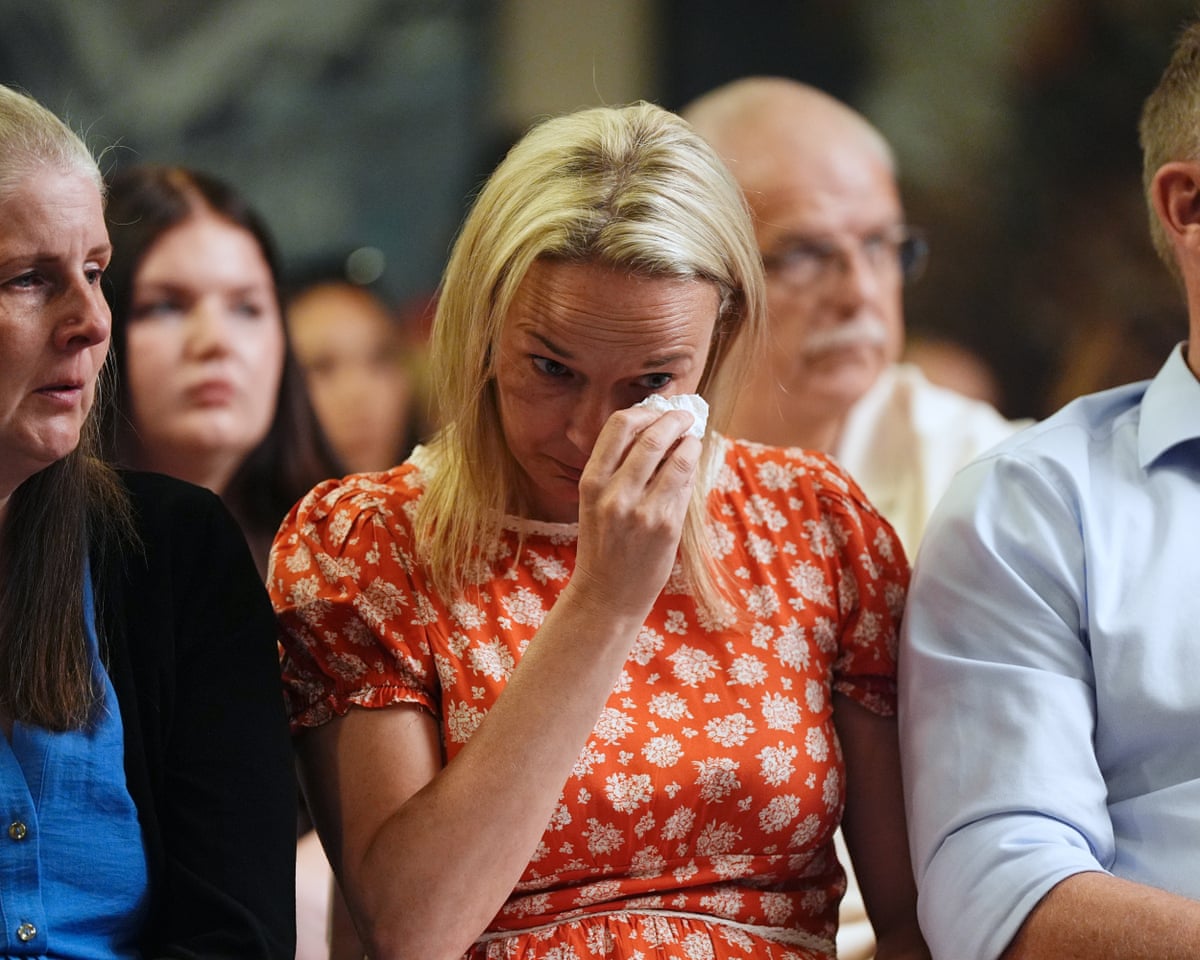
Kim Thomas, chief executive of the Birth Trauma Association, described the report as
“shocking”and noted that when complaints were made, the trust’s tendency was to cover up rather than investigate failings.
She added that such behavior is widespread in NHS maternity care, stating,
“Sadly, we believe that Nottingham is not unique. As a charity, we hear similar stories from hospitals throughout the country.”
Government Response and Future Measures
In response to the findings, James Murray announced that the right to an independent second opinion, known as the Patient Advice and Liaison Service (PALS), will be implemented in every maternity unit across England, as recommended by Ockenden.
Additionally, NHS staff who refuse to provide evidence to maternity inquiries will face legal consequences, including imprisonment for up to two years, to combat the entrenched culture of silence surrounding care failings and medical negligence.
Murray, who is scheduled to make a Commons statement on the scandal, pledged that the government and NHS leadership would
“deliver lasting change”to improve maternity services nationwide. The Ockenden report will inform an action plan being developed by the Department of Health and Social Care’s maternity taskforce to overhaul childbirth services.
“This is a truly harrowing report,”said Kath Abrahams, chief executive of the pregnancy and baby loss charity Tommy’s.
“It is utterly inexcusable that pregnant women seeking help at Nottingham University Hospitals NHS Trust were in some cases treated so poorly – sometimes with devastating consequences – and that healthcare professionals and families who did as much as they could to flag the risks were ignored.
The accounts of racist and unkind behaviour, the apparently deliberate efforts to avoid external scrutiny and the refusal by some senior personnel to answer questions about their role in this scandal are profoundly distressing.”
Context of Previous Maternity Failings
While the Ockenden report delivers a severe critique of NUH’s maternity care over many years, it follows similar investigations into failures at other NHS trusts in England, including Shrewsbury and Telford, East Kent, and Morecambe Bay.
Ministers and NHS leaders acknowledge that many recommendations from these and other inquiries have not been fully implemented, and significant problems remain.
Lady Amos is expected to publish the results of a government-commissioned inquiry into maternity and neonatal care next week, outlining a roadmap to ensure safe and high-quality childbirth services for all women and babies.