More than 500 mothers and babies died or were harmed at ‘toxic’ Nottingham NHS trust, report finds
More than 500 mothers and babies suffered harm or died due to inadequate care at Nottingham University Hospitals NHS Trust (NUH), according to the largest maternity inquiry in NHS history.
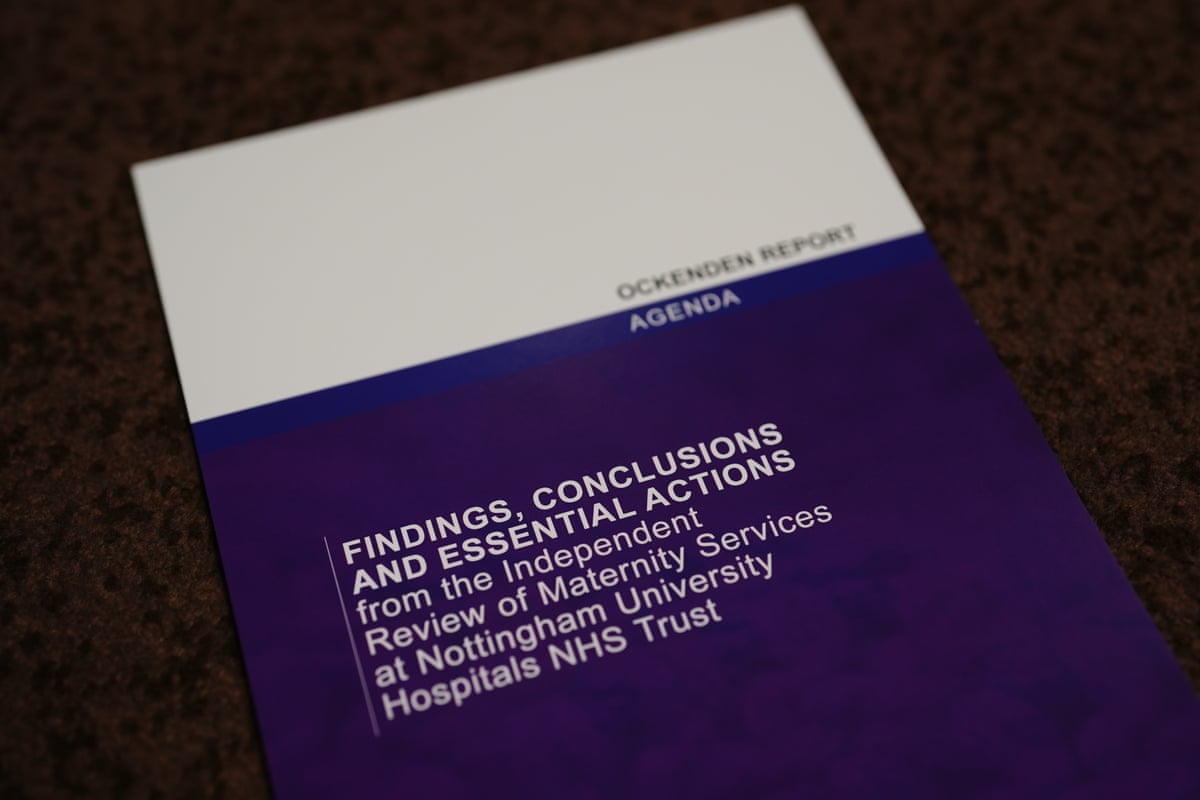
The inquiry, led by childbirth expert Donna Ockenden, found that 444 women and 76 newborn babies experienced "potentially avoidable" outcomes over 13 years because of substandard treatment at NUH. The 401-page report provides a detailed examination of maternity care at the trust's two hospitals – Queen’s Medical Centre and City Hospital – revealing multiple instances of dangerously poor and sometimes "cruel" care, routine understaffing, failure to learn from patient safety incidents, and widespread bullying by "intimidating cliques" of staff.
Ockenden and her team investigated 27 maternal deaths between 2006 and 2024, identifying care failures that may have substantially impacted six of those deaths. Common issues included staff failing to listen to women and respond promptly to their concerns, as well as delays in conducting necessary scans.
The review was commissioned in 2023 following concerns raised by families about unsafe maternity care at NUH. It also examined cases where babies died due to oxygen deprivation during birth, hospital-acquired infections, mismanagement of labour by midwives and doctors, or poor postnatal care.
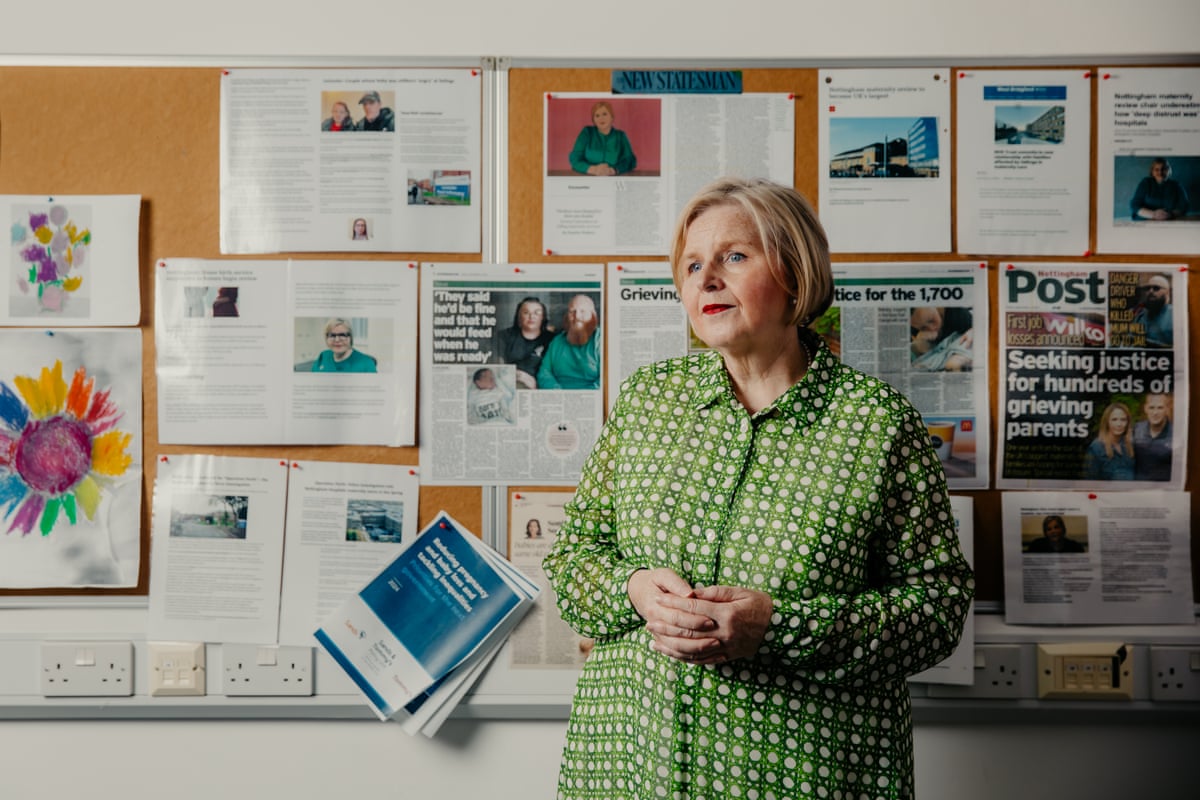
At the press conference presenting the findings, Donna Ockenden praised the families who campaigned for justice over many years.
"More than 2,500 families came forward to share with my team what happened to them. Let that number sit with you for a moment – 2,500 families. Their experiences occurred over more than a decade. And yet the themes that run through those experiences – a failure to listen, a failure to investigate, a failure to learn – are hauntingly consistent. From 2012 to 2025, year after year, baby after baby, mother after mother, family after family. This review owes its very existence to a group of families who refused to be silenced. They came together in harm and in grief, united in their determination that what had happened to them should not happen to anyone else."
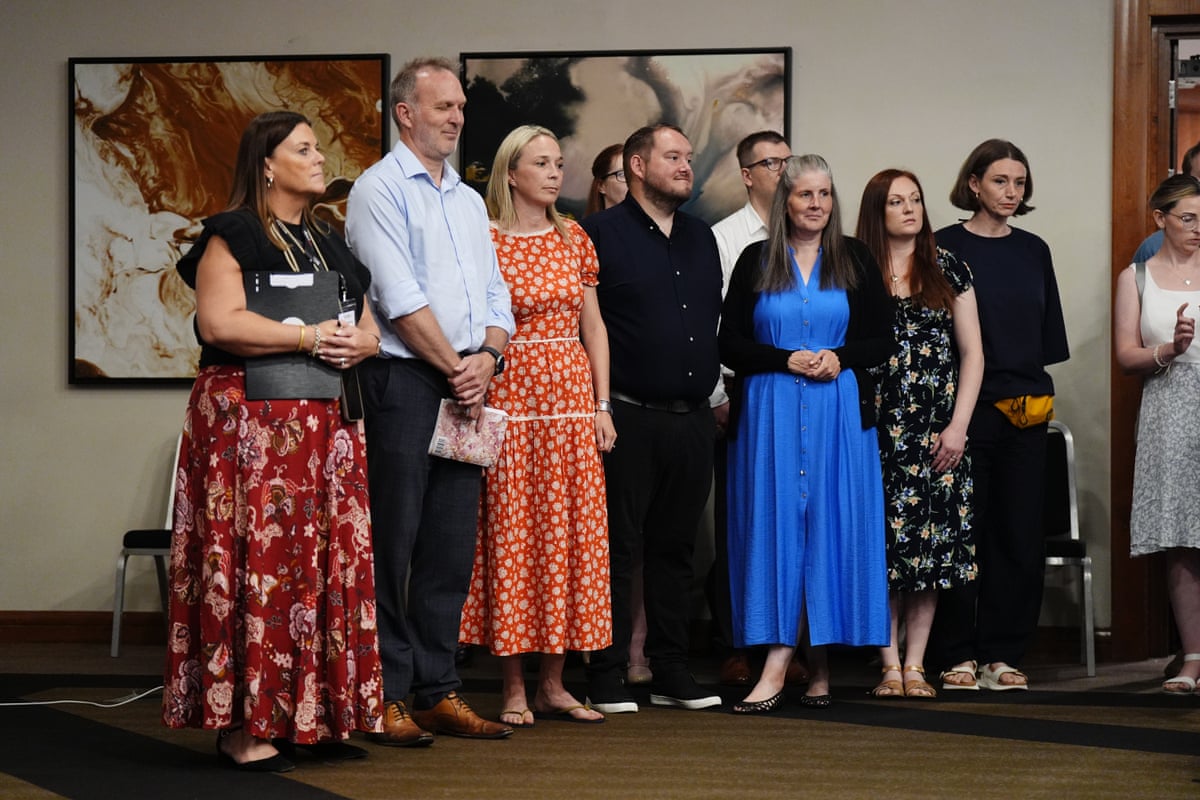
Paula Sussex, the parliamentary and health service ombudsman, commented on the report, stating it "adds to an overwhelming body of evidence that maternity services are failing women and families in ways that are repeated and preventable."
"For years, reviews have highlighted the same issues – failures in communication, not listening, delays in diagnosis, and poor postnatal care. Yet too often these warnings and any lessons have not translated into lasting improvement, resulting in repeated harm. While many NHS staff work tirelessly to provide excellent care, every woman and baby deserves safe, compassionate care, every time. It is vital now that we focus on fixing the service. NHS leaders must ensure these findings lead to real, sustained action across all Trusts. Listening to women and families is one of the most effective ways to prevent harm and improve care. We owe it to those affected not just to recognise these failures, but to ensure they lead to meaningful and lasting change."
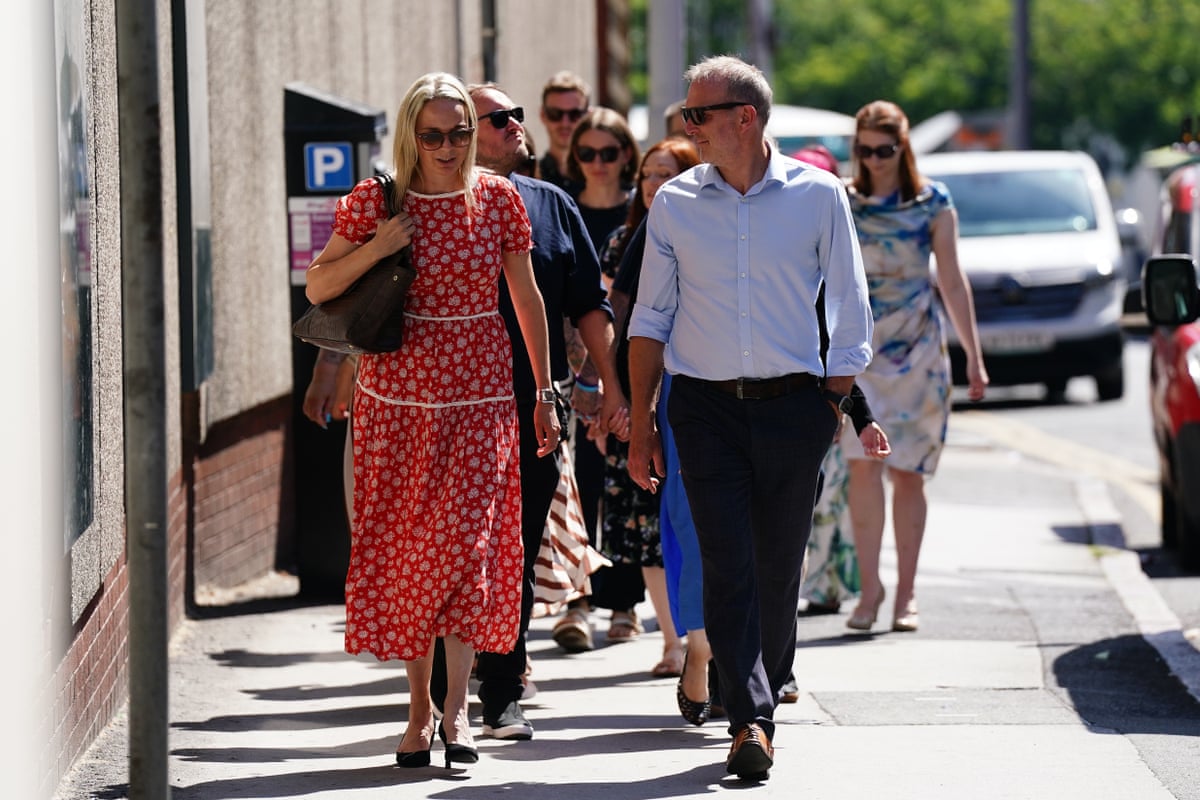
A photograph from the newswire shows families arriving at the Crowne Plaza hotel in Nottingham for the Ockenden report press conference.
‘Truly horrific’: the stories of five people affected by the maternity scandal
’s social affairs correspondent reports on five families impacted by the failures in maternity care at Nottingham University Hospitals NHS Trust.
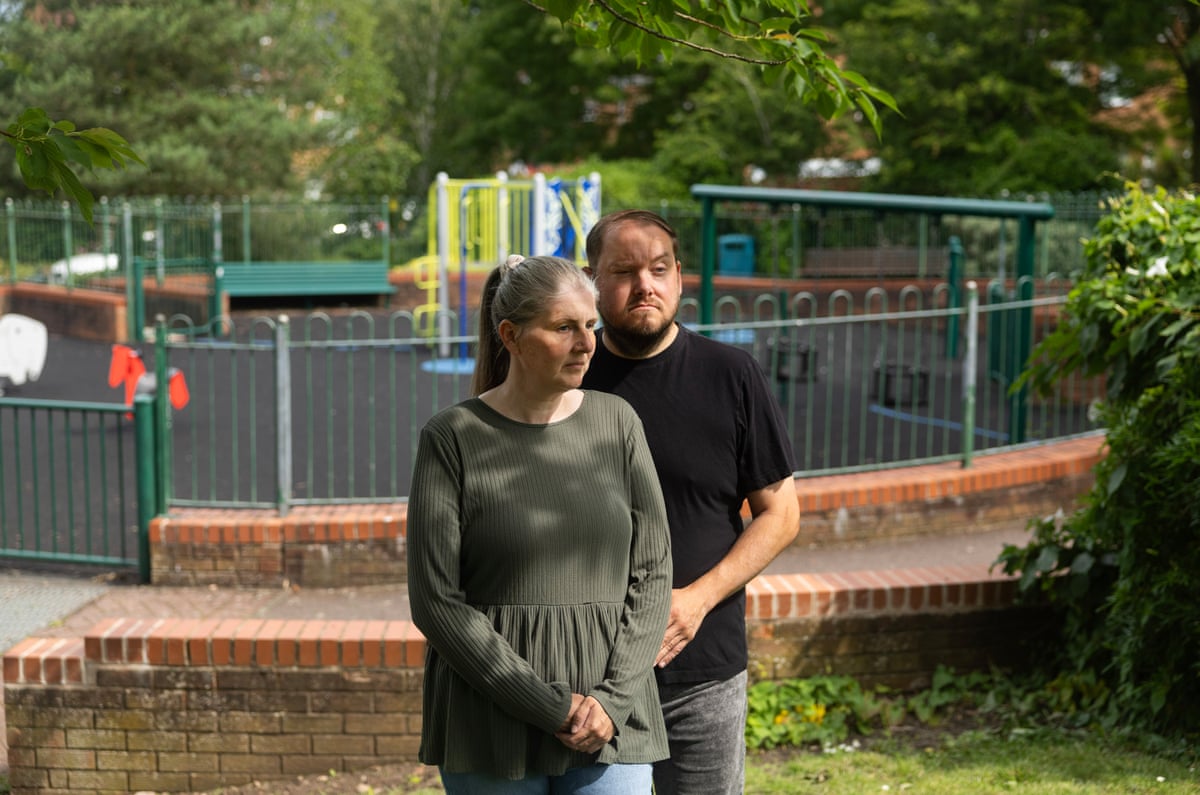
One such family is Sarah Andrews and her husband Gary, who lost their daughter Wynter in 2019 at Queen’s Medical Centre due to hypoxic ischaemic encephalopathy – a condition caused by loss of oxygen flow to the brain. The death could have been prevented if staff had delivered Wynter earlier. Sarah shared her experience:

"I went into labour and I was having contractions, and for six days, I was basically told to stay at home. I didn’t feel like I had any other choice. And then in hospital, the care was just beset by failures. I actually said to my husband I felt like I’d be better off dead than in the situation I was in … It was truly horrific. When they eventually called the emergency C-section and opened me up, the smell of infection filled the room and that’s when they realised that Wynter was stuck in my pelvis. All the warning signs of infection were there. Me and Gary had to watch for 23 minutes while they failed to resuscitate her. We had staff come visit us in the bereavement suite and they said it was one of those things, that sometimes babies die. One said to us: ‘If we listen to every mother’s concerns, we’d be overrun.’ They’re telling us that they can’t see anything that’s gone wrong. And a year later, at the inquest, the coroner rules that it’s a clear and obvious case of neglect."
Labour MP Michelle Welsh, speaking ahead of the report’s publication, described the survival of her own baby as "pure luck." She said on BBC Radio 4’s Today programme:
"When it comes to luck, as to whether your baby survives or not, then that is a true indication of a system that is truly, truly failing."
Regarding government willingness to implement change, she stated:
"I feel that there is a momentum. I do feel that there is a will. I mean, I absolutely make sure that I am listened to. I haven’t got in within those doors to sit there quiet and just nod my head. I’m absolutely out there, at the forefront, being very, very loud and clear about the fact that we do need the funding. But funding alone is not going to solve this crisis. There needs to be huge systematic change. The government has to be bold in the policies that it makes, because tinkering around the edges will not solve this crisis. And some of these organisations involved are going to have to face these truths, and we are going to have to deal with this head on."
Opening summary
The report of the largest maternity inquiry in NHS history is due to be published today and is expected to reveal widespread failures in care provided to women in Nottingham.
As previously reported by , the report will document a catalogue of appalling behaviour over many years by staff at the city’s two hospitals – Queen’s Medical Centre and Nottingham City Hospital – including instances of racism towards mothers.
The inquiry, led by senior midwife Donna Ockenden, examined 2,500 cases of stillbirths, neonatal deaths, maternal deaths, and babies or mothers who suffered brain damage and other injuries while under the care of Nottingham University Hospitals NHS Trust between 1 April 2012 and 31 May 2025.
A senior source familiar with Ockenden’s conclusions described the findings as "very bad" and "horrendous," indicating the report contains challenging content.
The inquiry began more than four years ago, in May 2022, following a decade-long campaign for justice and change by affected families. More than 2,500 families and approximately 850 current and former NHS staff from the trust have provided evidence.
Nottinghamshire Police is continuing to consider charging the trust with corporate manslaughter. On Monday, the police announced the arrest of two men "in connection with operating practices in the mortuary service" provided by the trust. These are believed to be the first arrests in relation to the force’s ongoing investigation, which has examined care provided to at least 200 families.
’s health policy editor and health and inequalities correspondent are providing further coverage.
The report is expected to be published at 11:45 am, with Donna Ockenden holding a press conference at the Crowne Plaza hotel in Nottingham. Live updates are available.