

Government Issues New Screen Time Guidelines for Young Children
New government guidance recommends that children under five years old should be limited to one hour of screen time per day. For children under two, the guidance advises against allowing them to watch screens alone.
Parents are encouraged to avoid fast-paced videos and to engage with children during screen use whenever possible. The guidance also suggests "screen swaps," which involve replacing screen time with activities such as reading stories together or playing simple games during mealtimes.
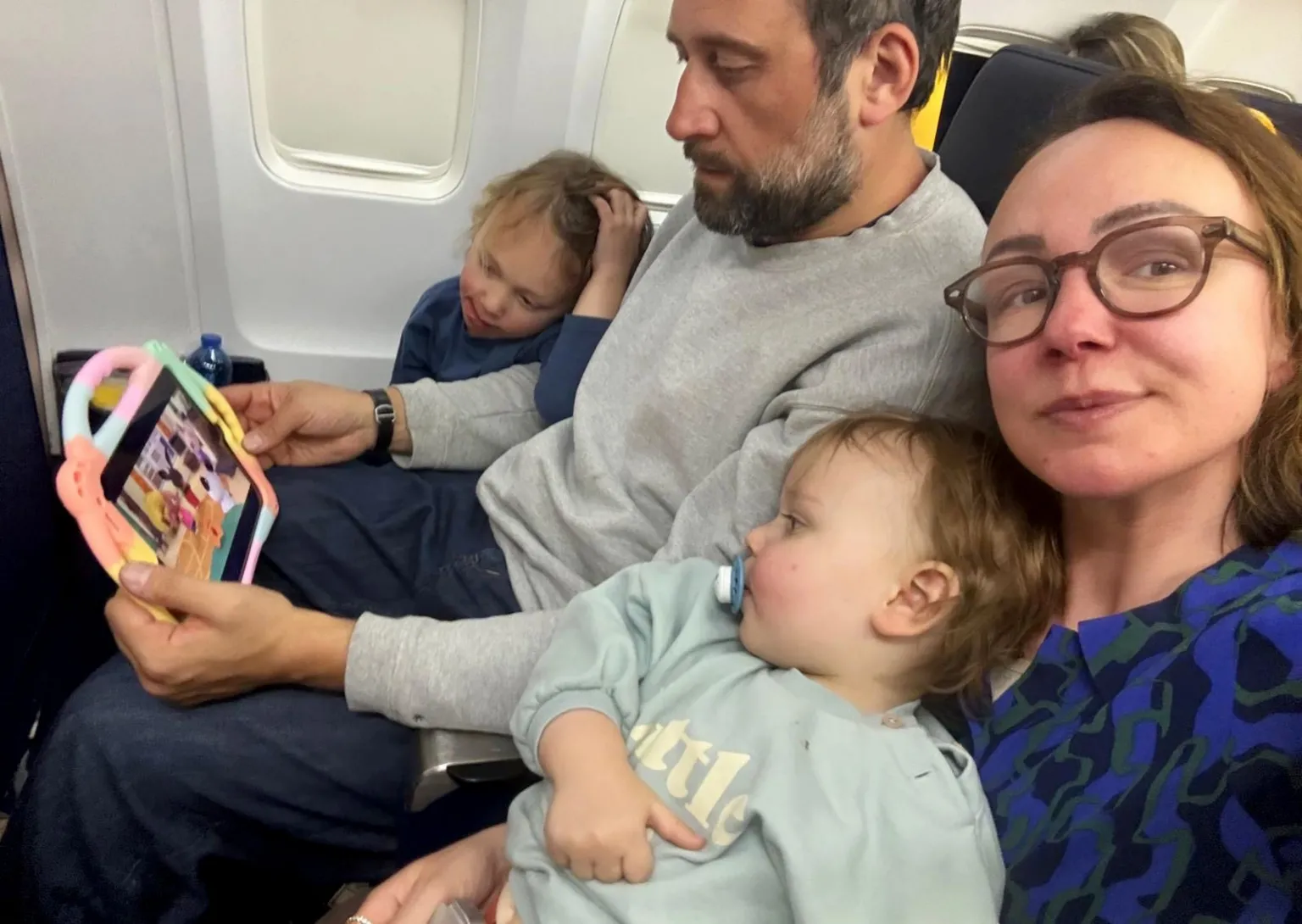
This guidance represents the first evidence-based, practical advice released by the government on this matter. Officials have stated that the recommendations will be reviewed as new evidence becomes available.
"This is still quite an unknown area in lots of respects and we've taken a precautionary approach," Education Secretary Bridget Phillipson said.
The latest evidence was reviewed by England's Children's Commissioner Dame Rachel de Souza and Department for Education scientific adviser Professor Russell Viner. Their findings indicate that extended periods of solitary screen time can negatively impact children's sleep and physical activity, both critical to development.
The government has previously reported that approximately 98% of children are exposed to screens daily by the age of two.
However, the new guidance emphasizes that not all screen time is equal. Watching screens with an engaged adult is associated with improved cognitive development compared to solo screen use.
The Montastier Family's Experience Reducing Screen Time
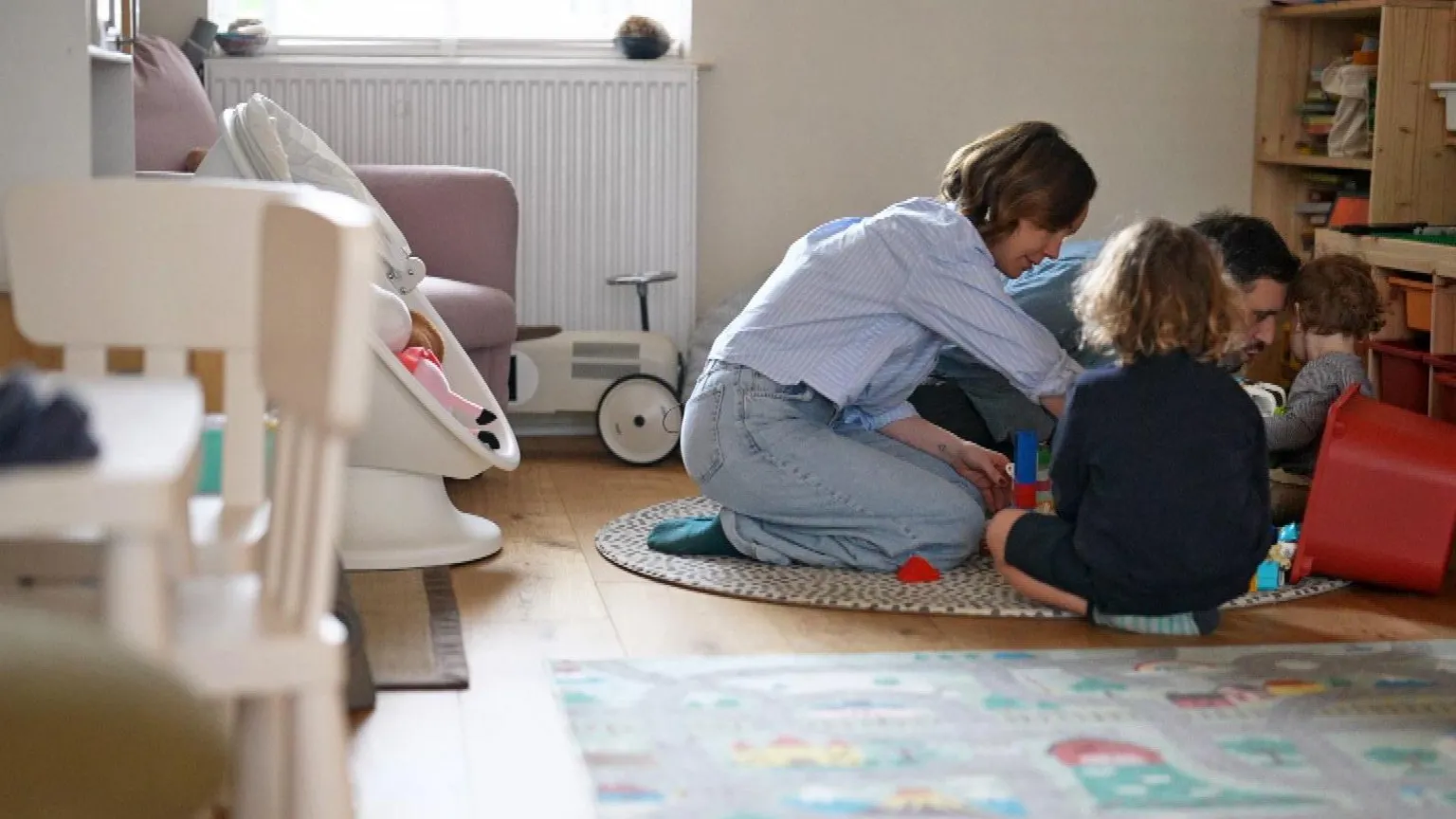
Prior to the publication of the guidance on Friday, followed the Montastier family in Manchester for a week as they attempted to reduce their children's screen time.
Mother Alexis described screen time as a "topic of conversation every day - because we do it every day." She is motivated to reduce screen exposure as her children, Romi (four years old) and Marlo (one year old), grow up surrounded by technology.
As a yoga instructor, Alexis often resorts to screens to accomplish tasks quickly, such as packing school bags or cooking. Screen use also occurs when Romi wakes early or to prevent conflicts and meltdowns.
"It does make me feel guilty for doing it, but you're not always going to be getting out of bed bouncing with them at six o'clock and setting up art and crafts."
Alexis acknowledged that adhering to the new screen time rules has been challenging.
"At the start of the week I was like, 'Yeah come on, we're going to do this,' and by the end of the week I thought we would have no screens and everything would just swap perfectly - but it didn't really happen like that. We've tried our best."
She noted that some alternative activities were time-consuming, especially in the mornings and immediately after school when she needed to complete other tasks.

"I need that time, so I'm not going to swap it to sit down and read a book because it's not realistic," she said.
Her husband Marciel commented on the difficulty of enforcing screen limits when adults themselves use screens frequently.
"It's hard to tell them not to when you're doing it yourself."
He added that his work requires extensive screen use, leading to a persistent urge to check his phone during and after work hours.
Despite the challenges, the family intends to continue their efforts.
"This has definitely made me more aware and almost made me start doing things that I've always said, 'Oh, we need to do that,'" Alexis said.
Research on Fast-Paced Content and Brain Activity
At the Institute for the Science of Early Years at the University of East London, researchers have been investigating the effects of different types of screen content on children under five.
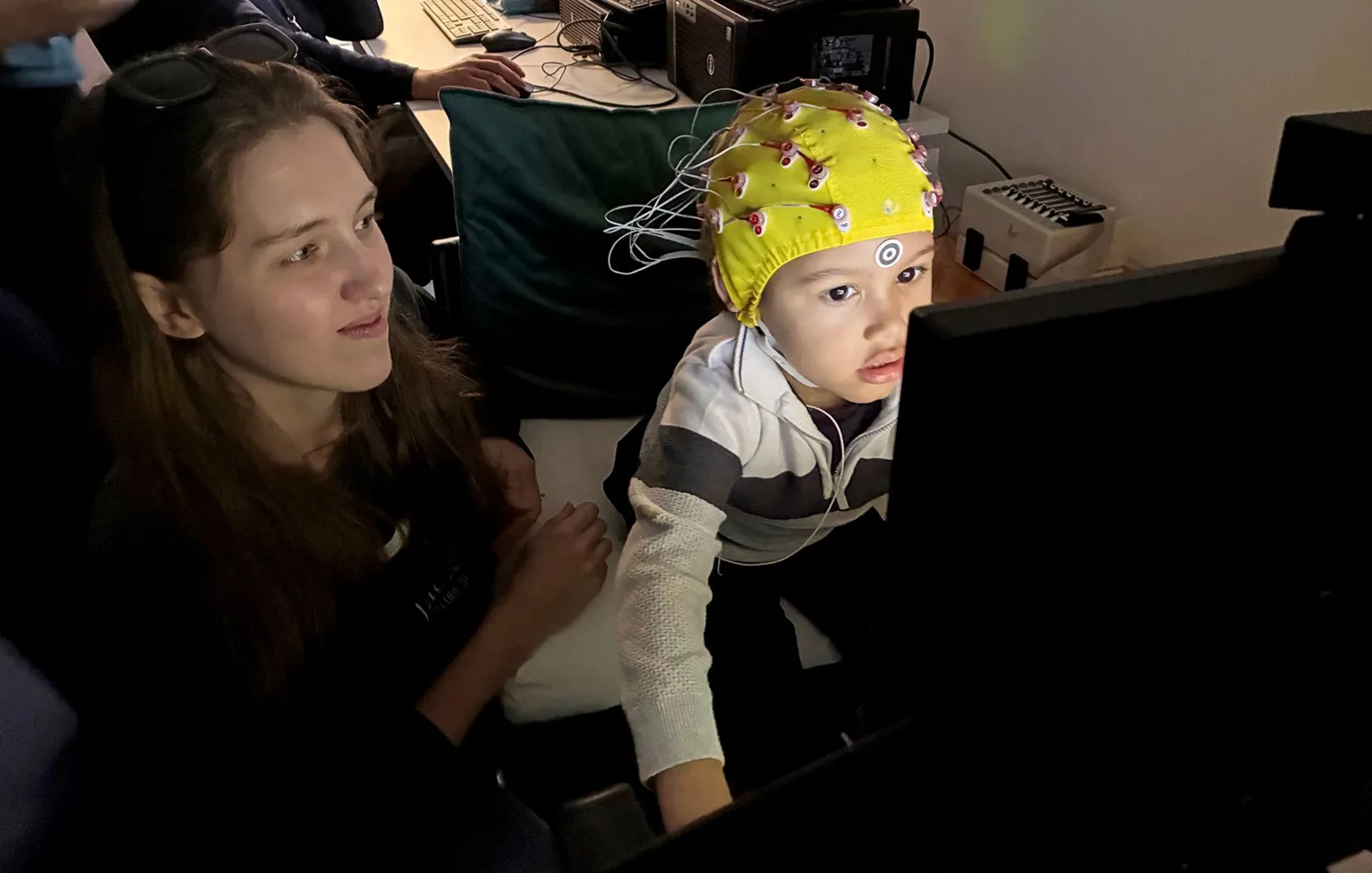
Using a sensory cap to monitor brain activity in three-year-old Alex, Professor Sam Wass focuses on moments when the brain struggles to keep pace with rapidly changing content.
"If stuff is coming at us too fast, something called the fight or flight stress system kicks in, where your heart starts beating faster and you start to get a lot of energy released to your muscles," he explained.
"Of course, this isn't actually useful anymore, because this is happening when children are sat still on a chair watching screen content."
The researchers note that the nature of children's programming has evolved considerably over the past two to three decades. Previously, programs were generally slower-paced, whereas current content is faster, with frequent movement and talking.
While the impact of these changes on children is not yet fully understood, there is strong evidence linking extended exposure to fast-paced, unpredictable content with emotional dysregulation, which is the difficulty in managing emotional responses.
"This is something that we need to be looking at carefully," Professor Wass said.
The guidance clarifies that time limits do not apply in the same way to screen-based assistive technologies used to support children with special educational needs and disabilities.
"I know there are lots of pressures on families and the intention behind the guidance is not to be judgmental, but to be supportive and to provide that clear practical help that parents have been telling us they really want to see," Education Secretary Bridget Phillipson said.
The guidance also advises against the use of artificial intelligence (AI) toys or tools for young children.
However, Vicki Shotbolt, founder of Parent Zone, an organization that supports families in online safety, noted the difficulty in completely avoiding technology for young children.
"A small child under the age of five who's got an AI smart speaker in the house will be interacting with it," she said.
"So the idea that we can completely keep them away from it is probably flawed, but it's good general guidance."
Separately, the government is conducting a consultation on whether to prohibit under-16s from accessing many social media platforms, following Australia's example.


