

Concerns Raised Over Release To Rescue Scheme Impact on ED Overcrowding
A new initiative aimed at expediting patient transfers from ambulances to emergency departments (EDs) has reportedly resulted in increased patient congestion in corridors and on chairs, according to a prominent consultant.
The Department of Health (DoH) introduced the Release To Rescue scheme last month, setting a target of a maximum two-hour wait for patients remaining in ambulances outside EDs.
However, the Royal College of Emergency Medicine (RCEM) has indicated that while the scheme initially showed promise, it has ultimately exacerbated overcrowding issues within EDs.
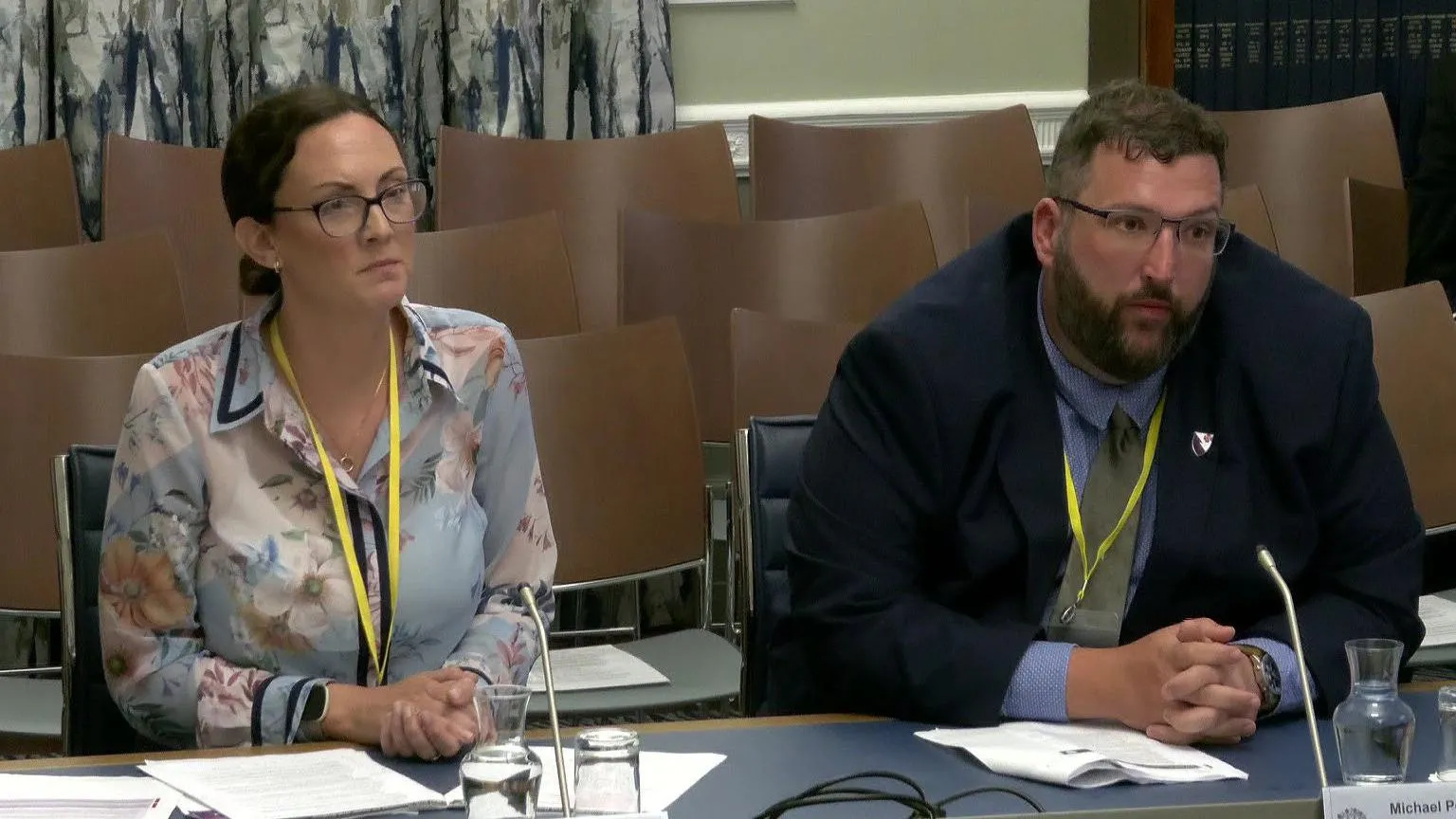
Members of the RCEM provided testimony to Stormont's Health Committee regarding the scheme's effects.

Dr Michael Perry informed Members of the Legislative Assembly (MLAs) that over half of clinical leads in Northern Ireland's EDs reported increased overcrowding following the scheme's implementation.
"We did have concerns about Release To Rescue when it was first published and we felt it would make over-crowding worse," said Perry.
"Yes, there has been an improvement in (patients being) off-loaded... but the patients waiting to go to the wards haven't changed - it's reconfiguration within departments.
"It's more patients being put onto chairs, onto corridors. It's not really tackled what we think is the fundamental problem, which is the back door (flow out of hospitals)."
'The Overcrowding Has Not Got Any Better'
Last month, the RCEM described the condition of Northern Ireland's EDs as "utterly horrifying," noting that the number of patients waiting over 12 hours for treatment reached a record high.
The RCEM also reported that 1,032 excess deaths last year could be attributed to prolonged waits for hospital admission.
Dr Sara McGurk, representing the RCEM, expressed cautious optimism about the scheme's intent but stated it has not been effective in practice.
"We wanted to give it a few weeks to get a real idea. In the first few weeks, there was a concerted effort to make sure we could get flow and that there was space in the hospital," she said.
"We are overcrowded, we are still trying to offload ambulances in [EDs], to try and meet those targets. But we also have our waiting room doors, we have people coming in the front door, and we are solely focusing on the ambulance target at the moment, and there needs to be more balance.
"We have other patients coming into the department, so the overcrowding has not got any better and we now see these ambulances that are coming in and making the situation worse."
Social Care Pressures Contribute to Hospital Overcrowding
Following the committee session, Pauline Shepherd, chief executive of Independent Health and Care Providers (IHCP), highlighted that pressures within social care are a significant factor in hospital overcrowding.
"When medically fit patients cannot leave hospital because appropriate homecare packages or care home beds are unavailable, hospital beds remain blocked and pressure builds throughout the entire health system," she said.
"Social care can no longer be viewed separately from hospital performance or patient safety."


