

Concerns Raised Over Treatment of Young People with SEN Leaving School
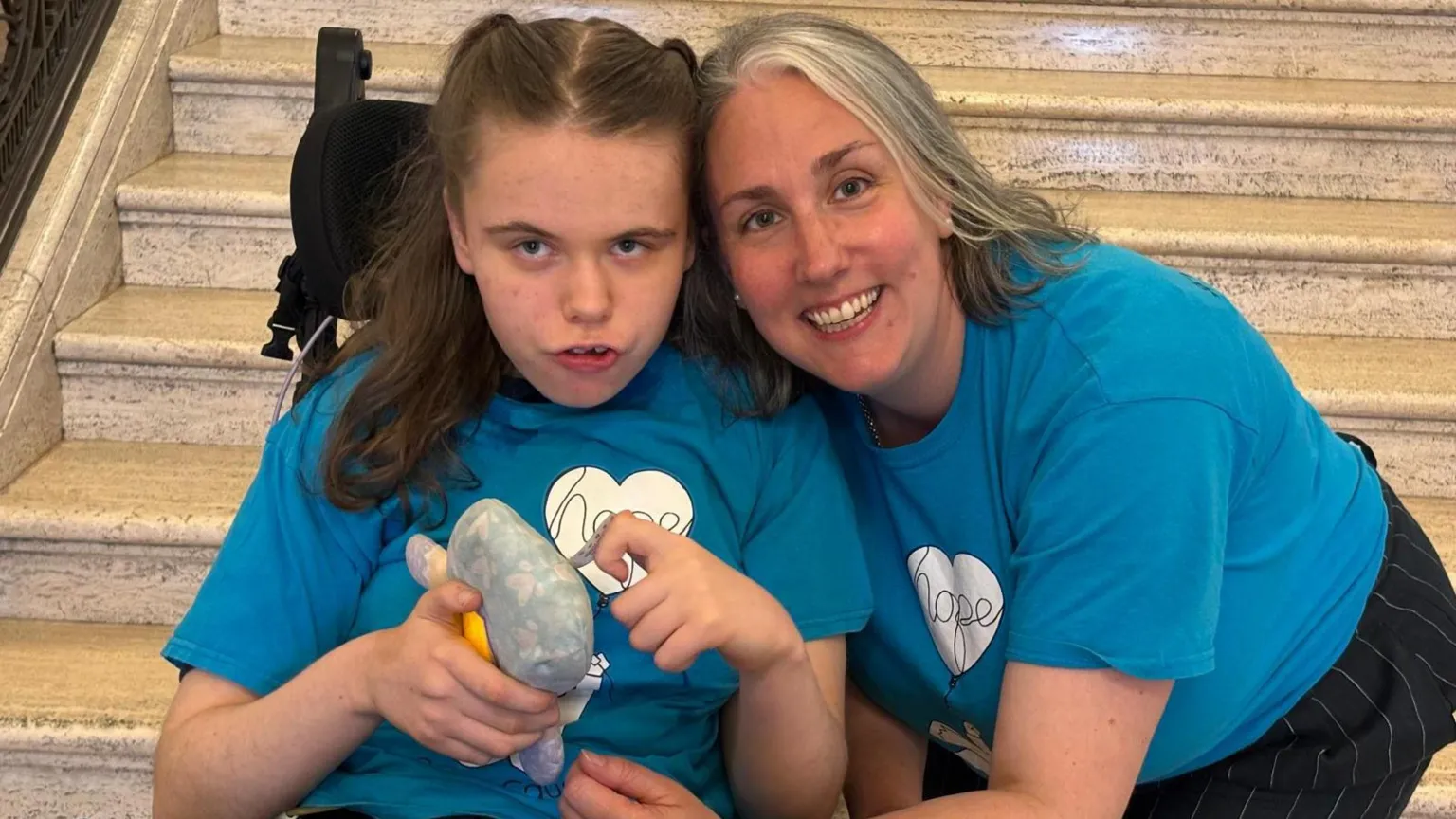
Young people with Special Educational Needs (SEN) who are leaving school are reportedly treated as a "price tag," stated Alma White, mother of an autistic teenager. Alma White appeared before Stormont's Education Committee alongside her son Caleb, joining other mothers who addressed MLAs about the transition from school to adult care in Northern Ireland.
During their presentations, the mothers described the transition for young people with SEN as "unclear" and "fractured."
Health Minister Mike Nesbitt has previously indicated that there is insufficient time to amend legislation to provide statutory post-school support before the next assembly elections scheduled for May 2027.
Karen Ryan, whose 17-year-old daughter Emily has profound needs, also spoke to MLAs. Emily is non-verbal, tube-fed, uses a wheelchair, and attends Parkview Special School in Lisburn.
"The opportunities available to neurotypical school leavers aged 18 are second to none in Northern Ireland,"Ryan said.
"The opportunities to our SEN young people are none."
Alma and Caleb White have repeatedly advocated for a structured plan to assist young people with SEN in transitioning to further education or training. Caleb White recited a poem to MLAs expressing the "daily battle" faced by himself and other young people.
"Not because they lack a dream but because the world is not as fair as it seems,"he said.
What Concerns Do Karen Ryan and Alma White Have?
The mothers highlighted numerous challenges families face when their child with SEN reaches the age to leave school, including a lack of coordinated collaboration between health trusts and between the education and health departments.
In England, an Education, Health and Care plan (EHCP) outlines a young person's special educational needs up to age 25, but Northern Ireland currently lacks such a plan.
White and other parents have campaigned for a similar statutory education plan in Northern Ireland to provide a clear pathway for young people to enter further education or training.
Responding to a question from Sinn Féin MLA Pat Sheehan, White expressed the view that support largely depends on funding.
"I speak to parents all the time, we feel like our children are a price tag,"she said.
"That is really difficult."

"I'm telling you now in three or four years you're going to triple that cost if you don't get a handle on this."
Why Are IQ Tests Important?
Ryan explained that the distinction between disability and difficulty is critical for accessing support when a young person leaves school.
An IQ score above 70 can prevent young people with SEN from accessing adult disability services. A 2010 report by Autism NI and Ulster University noted that the IQ threshold of 70 remains "a barrier to services for many families."
Ryan elaborated that young people with learning difficulties who have an SEN statement must pass an IQ test to qualify for adult disability services. If their IQ is above 70, they are not considered to have a learning disability.
She shared the example of an autistic teenager with challenging behaviours and significant social and emotional support needs.
"Although he has a high IQ, he requires daily adult support to manage anxiety, regulate behaviour and remain safe,"Ryan said.
"He is not considered to have a learning disability because his IQ assessment scored just four points above the qualifying threshold of 70."
"As a result he falls into a gap where he is considered too able for some services yet not independent enough to cope without substantial support."
White described the difficulty she faced in proving that Caleb has a learning disability, having attended special school since age three with complex needs.
"I can't emphasize enough how awful the process is to not know what's coming next,"she said.
"It is incredibly anxiety-inducing for parents.
"This would not happen to grammar school pupils. It's a lack of equity that has existed for decades."
What Happens When School Ends?
Ryan described the support and opportunities available at Emily's special school, much of which is funded by parents through fundraising efforts.
These include music therapy, art therapy, a dedicated sensory room, swings and trampolines, as well as training for staff and families.
Ryan detailed that Emily receives "structured routine, communication time, sensory-based play, interactive story time, whole-school assemblies, physiotherapy, hydrotherapy, speech and language therapy."
"Why would all of this be put in place simply for it to be stopped at age 19?"she asked.
"Health and social care intervene for life, education needs to be in place until at least 25."


