Martha Lillard's Life with the Iron Lung
Martha Lillard was the last polio patient in the United States to use an iron lung. Despite the large metal device encasing her body for hours daily throughout most of her life, her family told the BBC that she never allowed it to hinder her activities. Lillard found ways to drive a vehicle, pursue painting, and care for her beloved beagles.
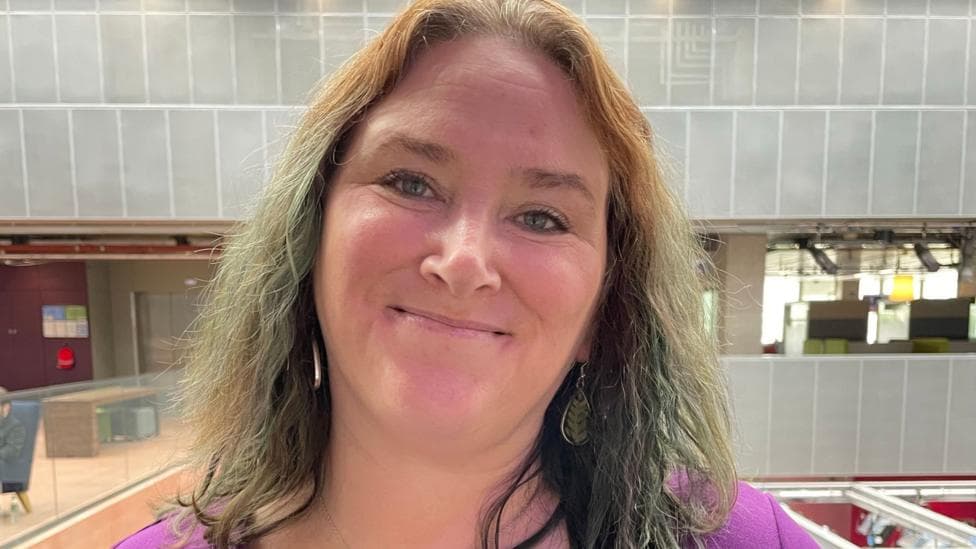
"[Lillard] was resilient, she would find a way, or make do,"said her younger sister, Cindy McVey.
The Oklahoma resident passed away at age 78 in late June. While her official cause of death was recorded as post-polio syndrome and chronic pulmonary failure, McVey attributes her sister's passing to complications related to long Covid-19.
The iron lung operates using a negative pressure system. Powered by a motor, its bellows extract air from the cylinder, creating a vacuum around the patient's body that forces the lungs to expand and draw in air. When air is reintroduced, the process reverses, causing the lungs to deflate.
Tens of thousands of individuals relied on iron lungs to survive following polio's peak in the 1950s. Lillard used the machine for approximately 73 years to sustain her breathing.
Martha Lillard did not feel discomfort in the iron lung as other children with polio did, according to her sister.
"She did not fear the machine, the way some children did.
It recharged her and made her feel better,"McVey said.
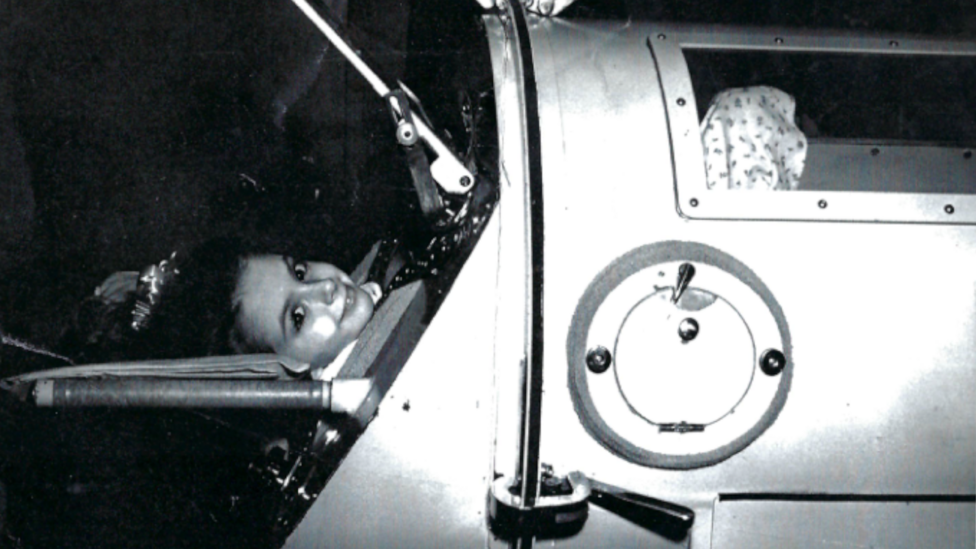
When Lillard was diagnosed in the mid-1950s, the disease was a dominant concern nationwide. Even as a five-year-old, Lillard was aware of and worried about polio.
"Martha woke up and she couldn't lift her head off the pillow, she said she knew right away that she had polio, because she heard so much about it,"McVey recalled.
Recovery and Independence
After a hospital stay, Lillard and her family focused on recovery. She underwent physical, occupational, and water therapy to retain as much strength as possible, ultimately regaining partial use of her left arm and her legs.
Her family was equally determined to help her live a life comparable to her peers. Lillard's uncle and grandfather engineered a device to open the iron lung, enabling her to live independently and enter and exit the machine by herself.
"She could do things most iron lung patients couldn't do,"McVey said.
A vehicle was modified for Lillard to drive, with the steering wheel positioned on her lap for accessibility. The turn signals were placed on the floor to accommodate her limited arm mobility.
She was an artist and intellectual, painting detailed landscapes and frequently engaging with her Alexa device to satisfy her curiosity.

Lillard enjoyed spending time with her partner of over 20 years, Baha Salh, who moved from Egypt to the US after obtaining a visa and married her in February of this year, according to McVey.
Lillard passed away on 26 June, her sister confirmed.
Polio's Impact and Vaccination History
Polio primarily affected children and caused widespread devastation in the late 19th and early 20th centuries, resulting in numerous deaths and disabilities.
According to the World Health Organization, one in 200 polio infections results in irreversible paralysis. Among those paralysed, 5-10% die when respiratory muscles become immobilized.
A polio vaccine became available starting in 1955. In the United States, where Lillard was born, polio was declared eliminated in 1979, indicating it no longer spread routinely among the population. This success was due to a nationwide vaccination campaign.
However, vaccine hesitancy is increasing in the US, with some health officials during the Trump administration suggesting that more vaccines become optional.
Kirk Milhoan, chair of the Advisory Committee on Immunization Practices (ACIP) at the Centers for Disease Control and Prevention, proposed earlier this year that polio vaccines should be optional.
"As you look at polio, we need to not be afraid to consider that we are in a different time now than we were then,"Milhoan said.
"Our sanitation is different, our risk of disease is different, and so those all play into the evaluation of whether this is worthwhile of taking a risk for a vaccine or not."
McVey expressed concern over this rhetoric.
"Polio is terrible,"she said tearfully.
"The disease disfigures, disables and leaves people trapped. We had it under control here and now we have all these people who aren't vaccinating their children."
She worries that the memory of polio's severity has faded.
"They may think there's problems with the vaccine, but there's a whole lot more problems if they don't vaccinate,"she added.
Lillard contracted polio the year before the vaccine was introduced.
"I had a friend who got to test that vaccine the year Martha got polio,"McVey said.
- Why Trump's comments on vaccines and paracetamol risk child health
- Lawmakers clash with RFK Jr as he shifts focus away from vaccines
- What to know about 'explosive diarrhoea' parasite outbreak in US