Offensive Notes and Staff Concerns
The midwife's notes were brief and direct. The letters "FOH" written on a whiteboard beside the names of heavily pregnant women were not medical abbreviations but an offensive acronym used by staff at the maternity unit operated by Nottingham University Hospitals NHS Trust (NUH). The letters stood for a profane phrase instructing women to leave the unit.
This acronym was revealed in a 2018 resignation letter from a staff member, now reviewed by BBC Panorama, highlighting troubling attitudes within the unit. The letter also reported a midwife advising colleagues to send pregnant women, who arrived worried about labour, home with the remark:
"Don't be too kind, she'll keep coming back."
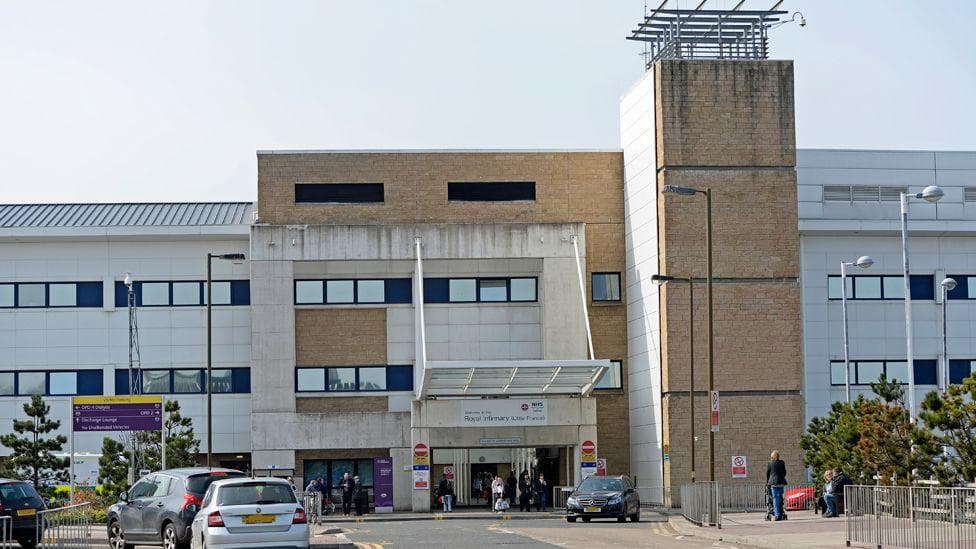
The Nottingham trust is currently the focus of the largest maternity inquiry in NHS history, examining care provided to approximately 2,500 families between 2012 and 2025. The investigation covers stillbirths, neonatal deaths, maternal deaths, and injuries to babies and mothers at NUH, which manages City Hospital and Queen's Medical Centre.
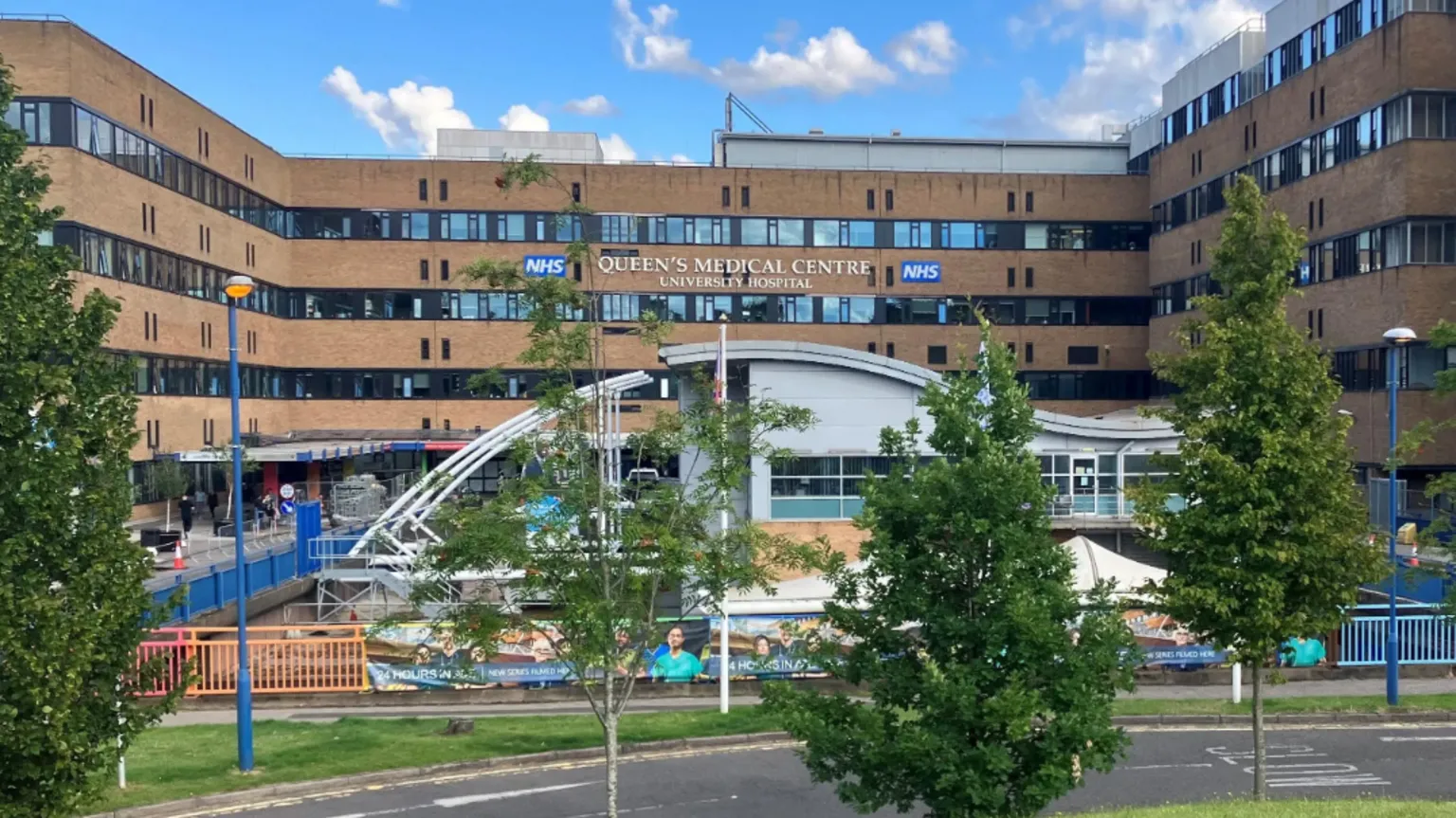
Panorama has reviewed previously undisclosed documents and interviewed ten midwives who worked at NUH over the past decade, providing insight into working conditions. The inquiry, led by senior midwife Donna Ockenden, is scheduled to publish its findings on 24 June.
"Nottingham thought that there was a Nottingham way, that they were some kind of superior NHS trust compared to others,"Ockenden told Panorama.
The current chief executive, Anthony May, who was not in post when these allegations arose, has pledged to address the issues. He stated to the BBC:
"We need to take accountability as an organisation."
A recurring theme in many adverse outcomes was the insistence on keeping women at home as long as possible before admission for birth. One midwife recounted a case where a woman called the hospital in labour but was told she did not need admission. When she eventually arrived, her baby was deceased, and the mother suffered severe injuries requiring a stoma bag.
The 2018 resignation letter, authored by a senior midwife, also included an account of overhearing a colleague say:
"I've never had to tell a woman so loudly, and so often, that she would kill her baby if she didn't push."
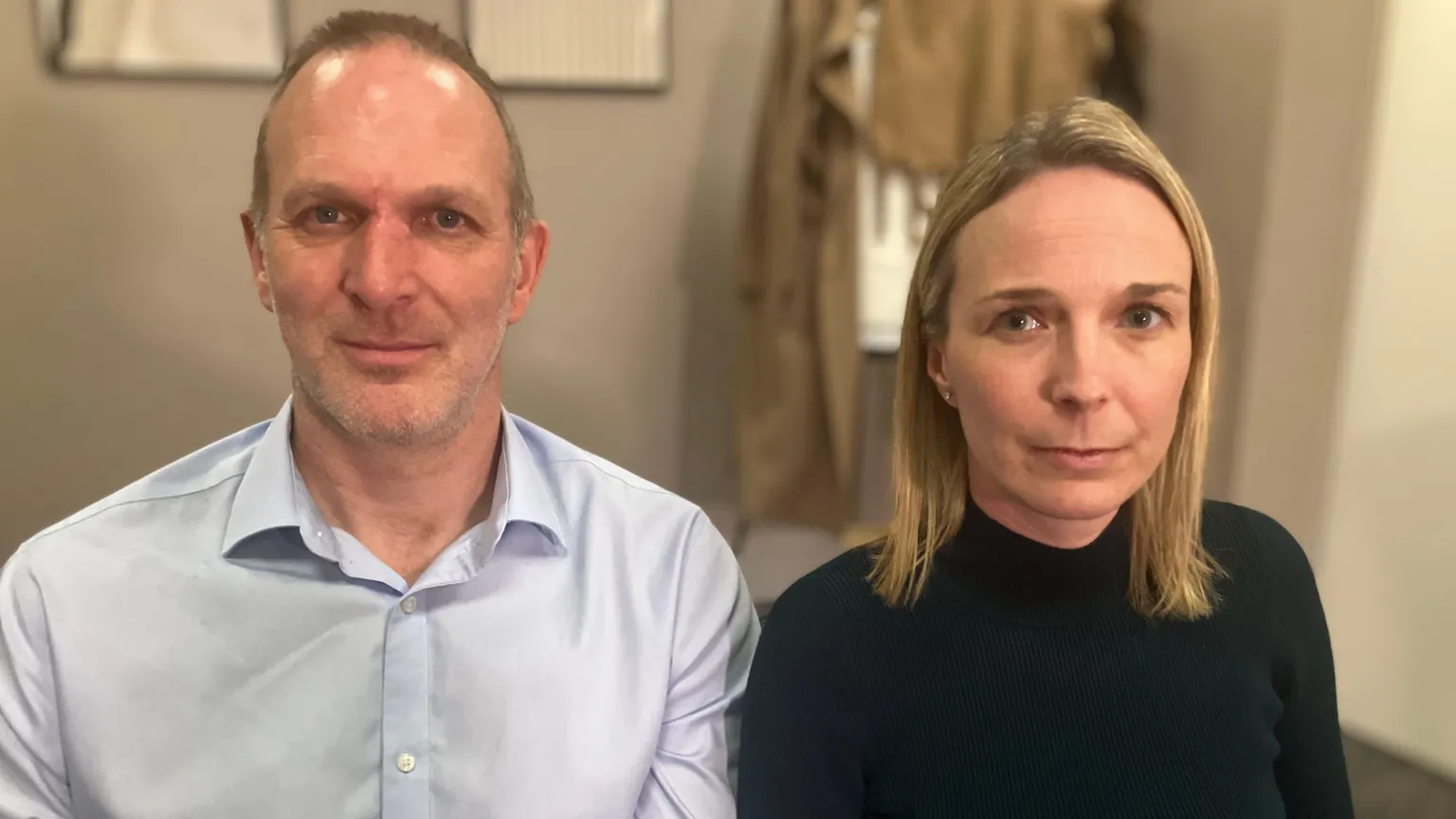
Sarah Hawkins, whose concerns were repeatedly dismissed over six days before her daughter Harriet was stillborn in 2016, responded to the letter's contents, including the "FOH" acronym:
"That's quite upsetting for me to hear. The last phone call I made to a ward manager, she might as well have just said that to me. Who writes that in a caring profession?"
Toxic Culture and Staffing Shortages
Interviews with former staff reveal a toxic and bullying culture persisting for years within Nottingham's maternity services. One midwife described a junior staff member promised support while caring for a complex patient but was ignored when requesting assistance. The coordinator and colleagues were reportedly distracted by activities such as online shopping.
Alongside poor staff attitudes, chronic understaffing was a significant issue. A community midwife, often redeployed due to shortages, said:
"They [management] would say the levels of staffing were safe, but they definitely weren't."She added:
"You have to be resilient, and to be resilient you have to lower your compassion."
Another midwife recalled being required to return to the labour ward to deliver babies shortly after experiencing a late miscarriage, highlighting a lack of empathy and care. A further midwife described the environment as a
"frightening place to work,"with frantic shifts and slipping standards. One midwife was often the sole staff member capable of interpreting fetal heart rate monitoring, leading to fears for mothers' and babies' safety amid exhaustion and lack of breaks.
Staff Appeals and Management Response
In 2018, Sue Brydon, a senior midwife at Queen's Medical Centre, sent a letter signed by over 50 midwives to the director of midwifery and the trust chairman, warning:
"The single most important factor threatening the wellbeing of families and midwives and the cause of a potential disaster is inadequate staffing. There has been a serious and ongoing failure of workforce planning, leading to a chronic shortage of clinical midwives."
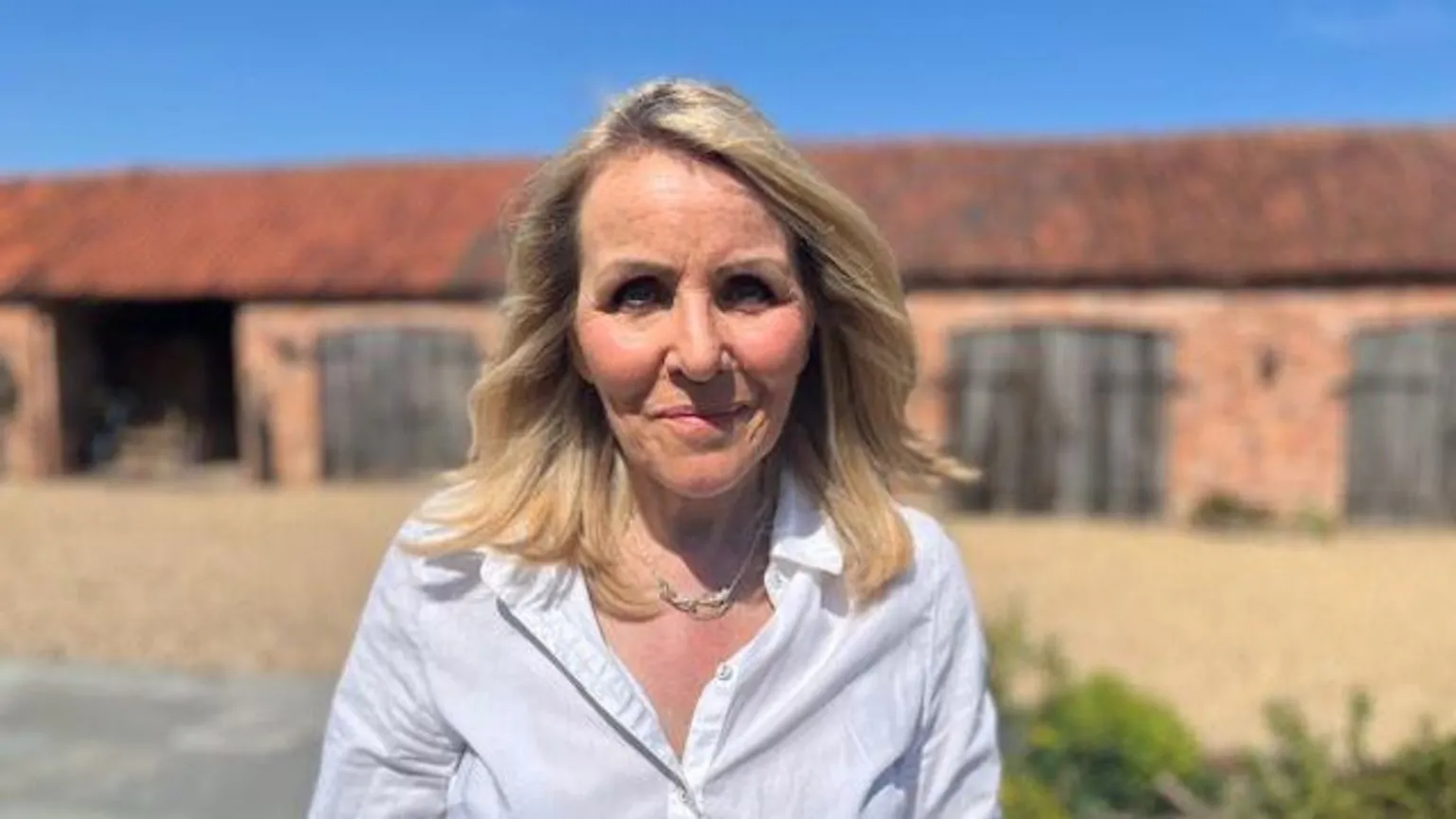
Despite these warnings, Brydon told Panorama the management's response was insufficient:
"All they did was blame the HR department."

At that time, the Royal College of Midwives estimated a shortage of 3,500 midwives across England. However, NUH failed to accurately assess staffing needs, often counting staff on sick leave or maternity leave as available.
A 2023 investigation by CEO Anthony May found no meaningful action had followed the letter. The board had relied on external reviews but failed to implement improvements.
Ockenden commented:
"We have a whole long line of external reviews, probably conducted at significant expense, where the actions were simply not put into place."
The trust also created its own classification for serious incidents, termed "high level incidents," allowing internal investigations without mandatory reporting to regulators, thereby limiting external oversight.
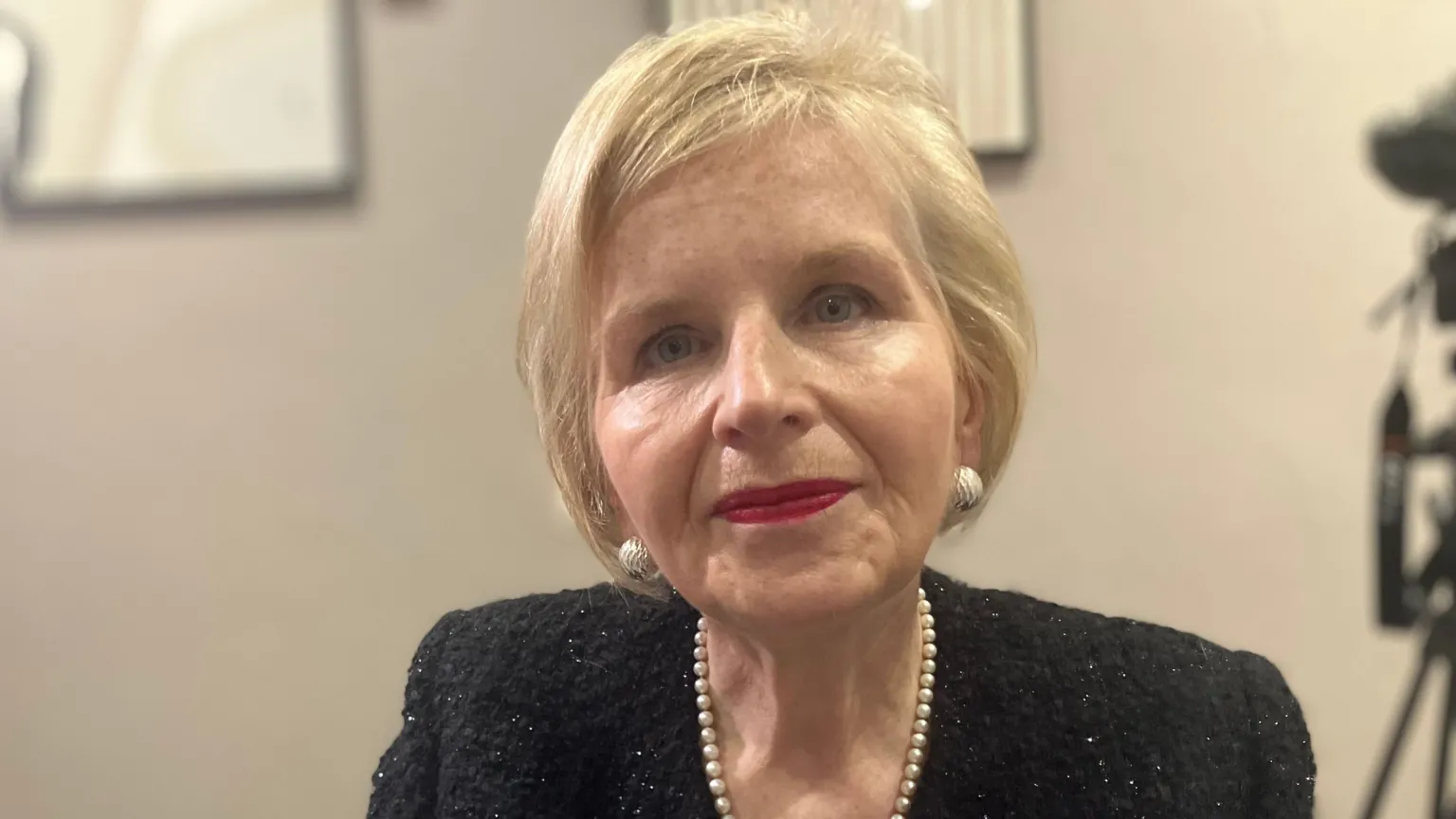
Ockenden noted:
"I can think of some very serious issues of maternal harm that were not reported [to regulators]. Parents… having to battle to get the death of their babies declared as a serious incident. There are lots of examples."
Over 800 trust staff have contributed to the maternity review. Ockenden highlighted recurring issues of inadequate training and equipment, which increase the likelihood of errors. One midwife observed that neonatal deaths, once rare in the early 2010s, became more frequent, leading staff to become desensitised and less inclined to critically assess their practice.
Racism Within the Unit
Several former staff reported racial discrimination as a problem at NUH. Ockenden has informed the trust of numerous instances of racist behaviour, including staff mimicking accents and dismissive treatment of non-white women.
She explained:
"There was this ongoing thing that South Asian women would complain about pain more, but I don't think it was cultural differences at all, I think it was just discrimination."
Efforts to Address Issues
Since 2022, Anthony May has led NUH through the ongoing review, engaging with affected families and cooperating with a police investigation. He stated:
"One of the first things I did was publicly say that we would tackle racism in this organisation, because it's abhorrent and utterly unacceptable. And we did."
A recent Care Quality Commission report upgraded the trust's rating from "inadequate" to "requires improvement." May acknowledged:
"We need to take accountability as an organisation for not always providing the circumstances for safe care, for not always supporting families, for not also admitting our mistakes and for not always supporting our staff. And we're trying to fix that now."
NHS England informed Panorama that new initiatives have been introduced to enhance safety, including clinical standards for all maternity services in England aimed at preventing maternal deaths and harm.
The final report of the government-ordered investigation into maternity and neonatal services in England is expected later this month.
The Department of Health and Social Care expressed sympathy for families affected in Nottingham and outlined ongoing efforts:
"Our thoughts are with the families in Nottingham who have been failed so badly. We are already making progress on maternity - recruiting 2,000 more midwives, investing £149m to improve the safety of maternity and neonatal care facilities."
Additional reporting by Katie Langton and Katie Rice.