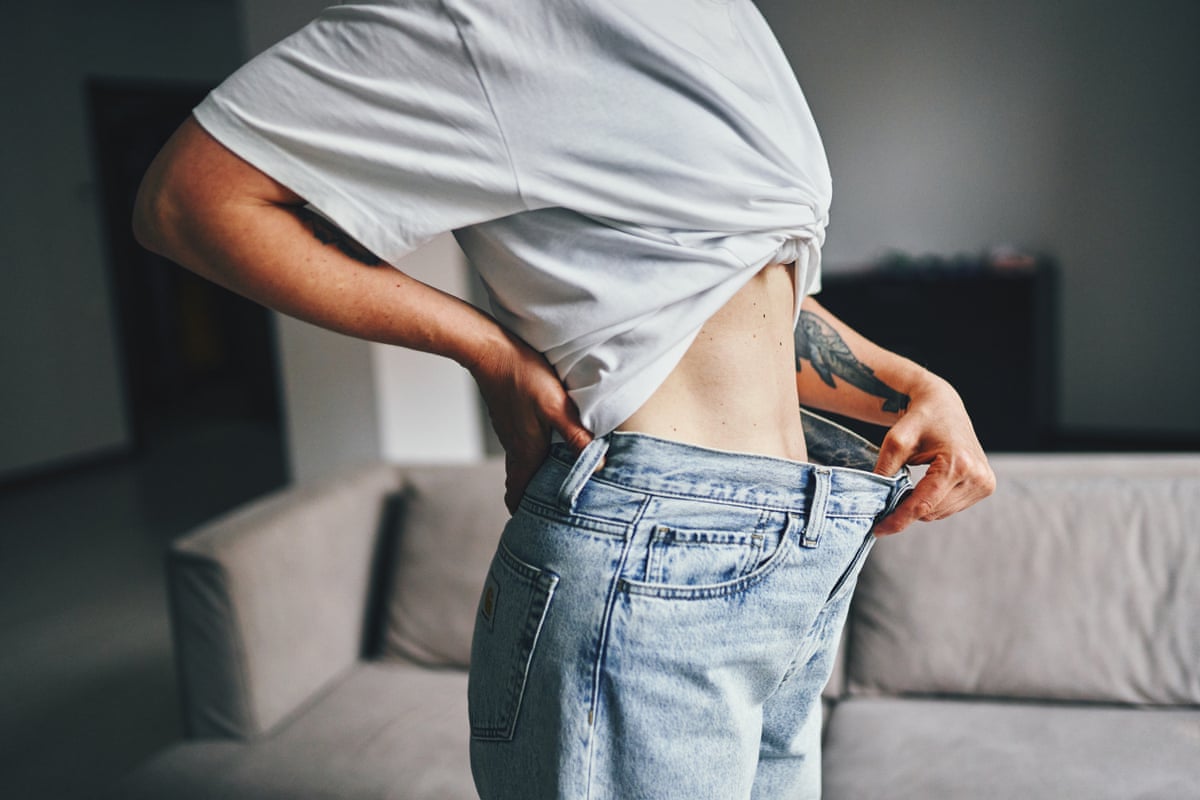
Changing Consumer Habits with Weight-Loss Drugs
As individuals in the UK and US lose weight using GLP-1 injections and pills, their spending patterns and wardrobes are evolving.
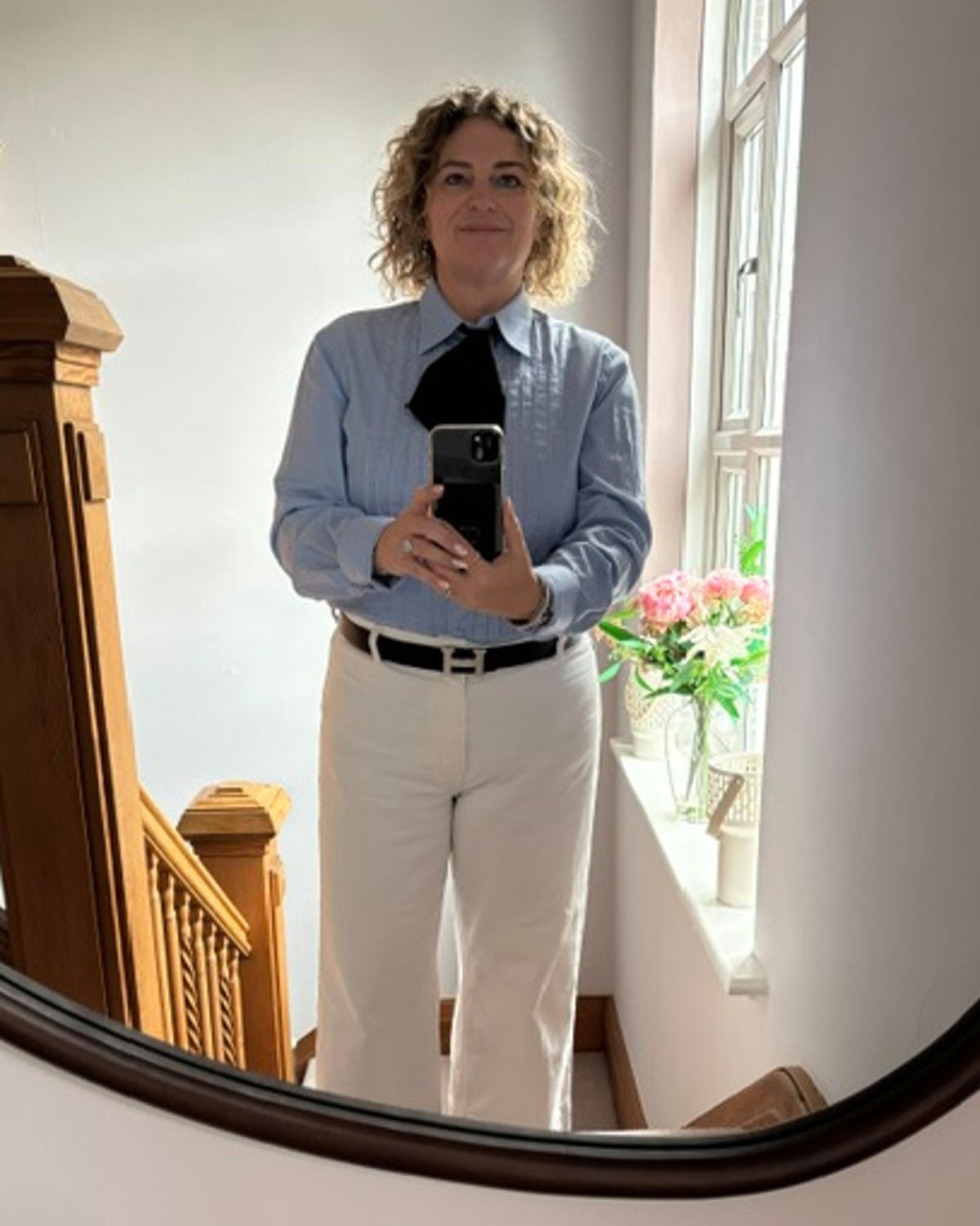
“I’m now at a point where I’m going to buy even more clothes,”says Hayley Grice, 50, from Shropshire, who has dropped seven sizes after starting on the GLP-1 weight loss jab Mounjaro two years ago.
“I’m very happy with my physique right now.”
Grice, the financial director of a business she co-founded with her husband, previously underwent gastric bypass surgery in 2009 but regained most of the weight. She had been between UK dress sizes 26 and 28 (US sizes 22 and 24) throughout her adult life.
“When you are so morbidly obese, you dress in what you can, what will fit,”she explains.
“You can’t really choose the latest fashion or whatever your style is.”Now a UK size 12, she shops in standard stores rather than online plus-size retailers.
“I would have shied away from colour, I would have shied away from anything that drew attention to me,”Grice adds.
“And now I don’t care, if I like it I’ll wear it.”
The widespread adoption of weight-loss drugs such as Novo Nordisk’s Wegovy and Eli Lilly’s Mounjaro is impacting not only dietary habits but also spending across various sectors, especially clothing.
In the US, where 21% of adults have tried GLP-1 drugs, noticeable shifts have occurred in grocery, alcohol, and apparel expenditures.
Britain is following a similar trend, with 5% of adults—nearly 3 million people—currently using these drugs, and 9% having tried them at some point, according to new research by consultancy PwC. This figure is expected to rise to 13% by the end of next year, representing about 7 million people.
“A single class of medication is already influencing how millions of people in Britain eat, drink, exercise and shop,”PwC states.
“GLP-1s are doing far more than reducing appetite. They are creating a new consumer.”
Approximately 60% of GLP-1 users are women; 6% come from lower-income households, while 20% are from the wealthiest. Additionally, 83% of potential users indicated they would be more likely to take GLP-1s if available as a pill, according to PwC.
Among women aged 35-54, one in ten are using the drugs, with usage peaking at 13% among 25- to 44-year-olds, reports Tamara Sender Ceron, head of fashion retail at market research firm Mintel.
Research from Mintel and Circana shows that GLP-1 users tend to eat less, choose healthier foods, and reduce alcohol consumption. They also purchase more clothing, skincare, hair products, sports gear, games, toys, and gadgets to monitor their health and progress.
Uptake in Britain is expected to increase further with the introduction of the once-daily Wegovy tablet, which UK pharmacies are preparing to dispense more frequently. Currently, the pill is only available via private prescription.
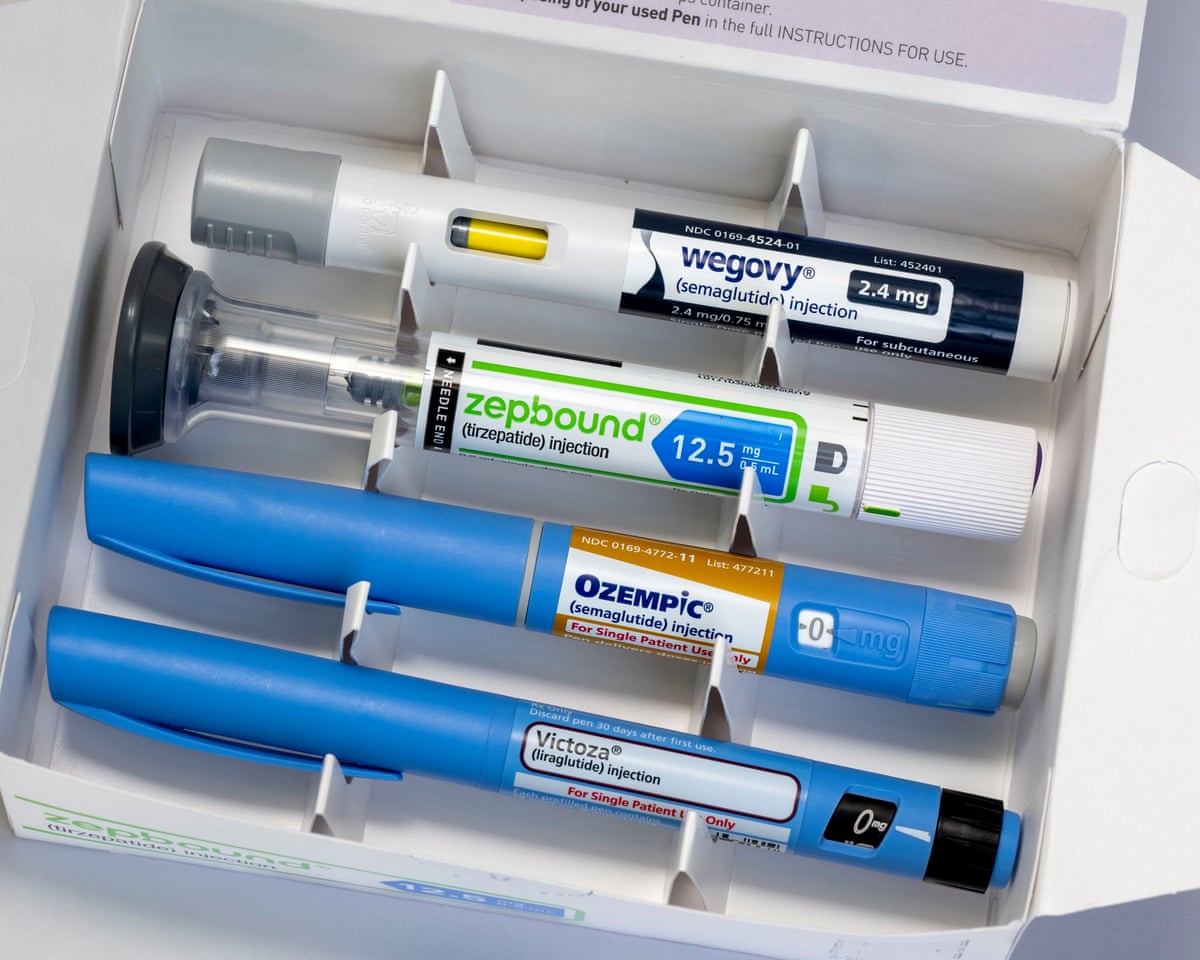
Wegovy was the first GLP-1 pill approved and has proven popular. Eli Lilly launched a competing tablet called Foundayo (orforglipron) in the US in early April. Both pills are less expensive than injectable weight-loss medications.
Dr Craig Primack of US telehealth company Hims & Hers commented,
“This is a whole new set of people that … weren’t using any weight loss drugs, and now they’re comfortable with that.”
Prices for the Wegovy pill at UK online pharmacies range from £69 for a month’s supply of the 1.5mg starting dose to £269 for the 25mg top dose. The equivalent injection costs between £79 and £250 monthly, while Mounjaro ranges from £54 to £300 per month.
Potential patients are cautioned that GLP-1 drugs can cause side effects such as nausea, diarrhea, constipation, and vomiting, and may lead to more serious issues like kidney damage.

Melody Ewert from Minnesota, US, has been using GLP-1 drugs for nearly a year and reports increased clothing purchases as her size decreases. She tried the Wegovy pill for three weeks but felt unlike herself and experienced cessation of her menstrual cycle, prompting her to switch back to Eli Lilly’s Zepbound injections, which cost $450 monthly.
“I have been shopping mostly at thrift stores and the sales racks for clothes,”says the 45-year-old.
“I am still actively losing weight so I don’t want to buy a whole new wardrobe until I’ve reached my goal of 150lb (68kg). Bras and underwear are something I’ve had to buy most often because I can wear a shirt a bit big but wearing undergarments big doesn’t work.”
She also notes that she now wears more colors instead of black and layers her clothing more as she feels less warm.

Studies indicate that over 72 weeks, patients can lose approximately four dress sizes. Even conservative estimates suggest this will significantly boost sales at clothing retailers, benefiting struggling high streets and malls.
Stephen Fitzgerald, former commercial director at Marks & Spencer (M&S), explains that an average weight loss of 5kg with a 4cm-5cm waist reduction corresponds to a full size change.
“There are predictions that 10-15% of the UK population could be taking these drugs by 2030,”he says.
“The effect on apparel retailers should be significant.”
In the UK, 42% of GLP-1 users report increased spending on clothing, particularly activewear for the gym and occasion wear for parties or formal events like weddings, according to PwC.
Jacqueline Windsor, PwC’s UK head of retail, observes that consumers desire fit flexibility and a “transition wardrobe,” becoming “body proud” by selecting more tailored clothing to highlight their new size and shape.
Shapewear may gain popularity among those who lose weight rapidly, as it can address sagging skin and loose areas. Beauty and hair brands have introduced new product lines tailored for GLP-1 users to counteract gaunt appearances and thinning hair.
Anne Critchlow, analyst at Berenberg bank, suggests the shift from the loose, boxy fashion styles prevalent during the Covid and post-pandemic years—when weight gain was common—toward more body-conscious, structured silhouettes is linked to these developments.
Berenberg analysts estimate a 1% annual boost to the overall UK clothing market from GLP-1 drugs over the next three years. Mid-market retailers such as M&S, Next, and Zara, which appeal to older and more affluent customers, are expected to benefit most.
Conversely, items marketed to larger shoppers have experienced declines. Simon Wolfson, CEO of Next, reported to analysts that sales of very large sizes have fallen, while plus-size retailers in both the UK and US have noted sharp sales decreases.
At M&S, some womenswear categories like jeans now see 65% of sales coming from smaller sizes (6-12), compared to 40% historically, partly due to the retailer’s effort to attract younger shoppers.
Plus-Size Retailers Face Challenges
Plus-size retailers across the Atlantic have reported significant sales declines. London-based BeigePlus, which offers designer fashion for UK sizes 16-28, has experienced a 20% sales drop over two years.
“The impact has been nothing short of catastrophic,”says Hennie Fearnley, the company’s chief executive.
While supportive of health improvements, she acknowledges that
“from a commercial perspective, these drugs are reshaping the plus-size fashion market at remarkable speed.”Meanwhile, plus-size consumers express concern about reduced inclusive sizing and the resurgence of skinny culture.
For those losing weight, shopping for new clothes is both a necessity and a newfound enjoyment.
“This is actually a big deal in people’s lives,”says PwC’s Windsor.
“If you’ve been overweight or been struggling with your weight and you lose two to three sizes, it is a new you, a new identity … For retailers, it’s serving a customer who feels maybe for the first time really good about themselves.”