

What does extreme heat do to our bodies?
Periods of hot weather can affect anyone, but some individuals face a higher risk of serious harm. Experts advise that vulnerable groups, including older adults, babies, and young children, take extra precautions during heatwaves.
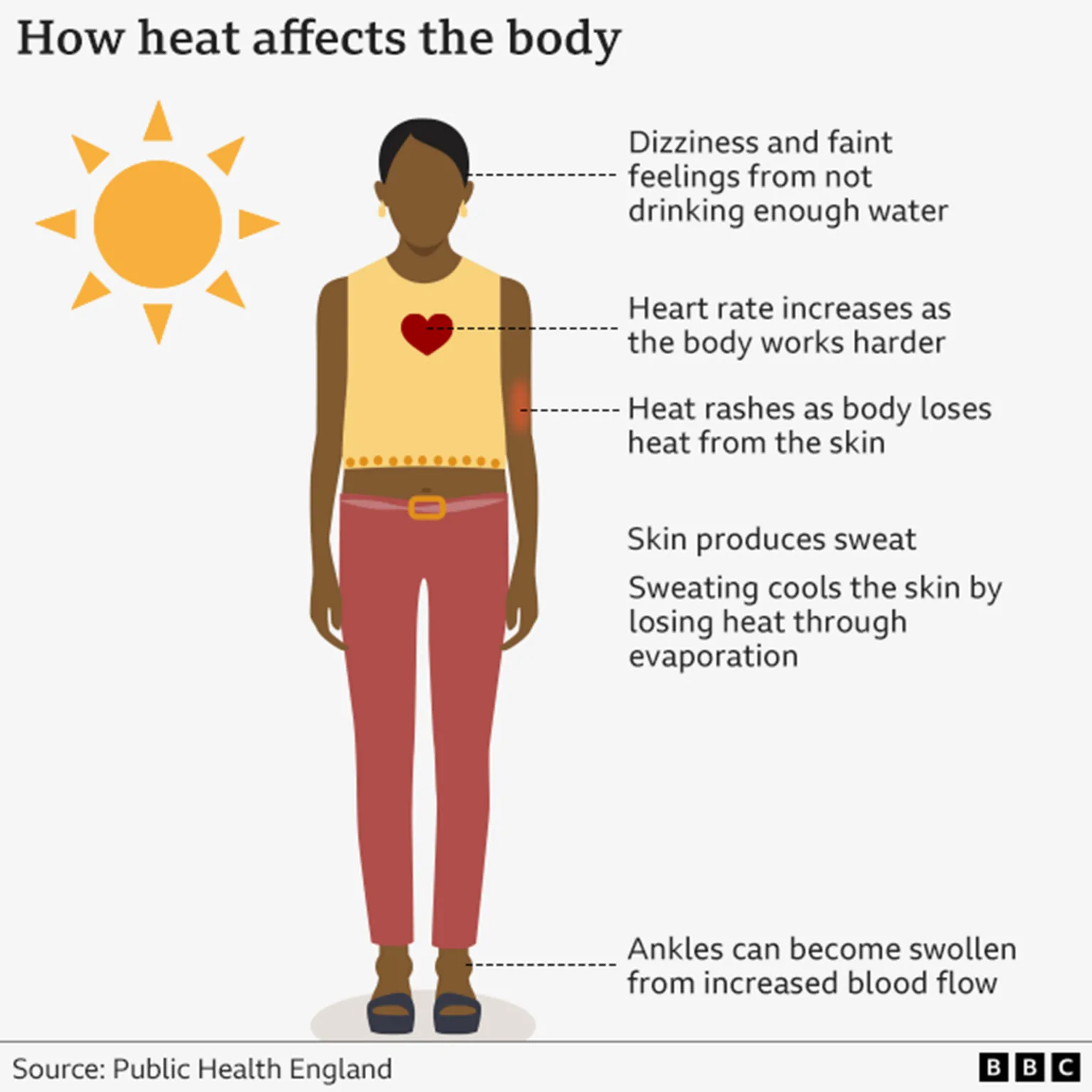
As the body temperature rises, blood vessels dilate, which lowers blood pressure and causes the heart to work harder to circulate blood throughout the body. This physiological response can result in mild symptoms such as an itchy heat rash or swollen feet.
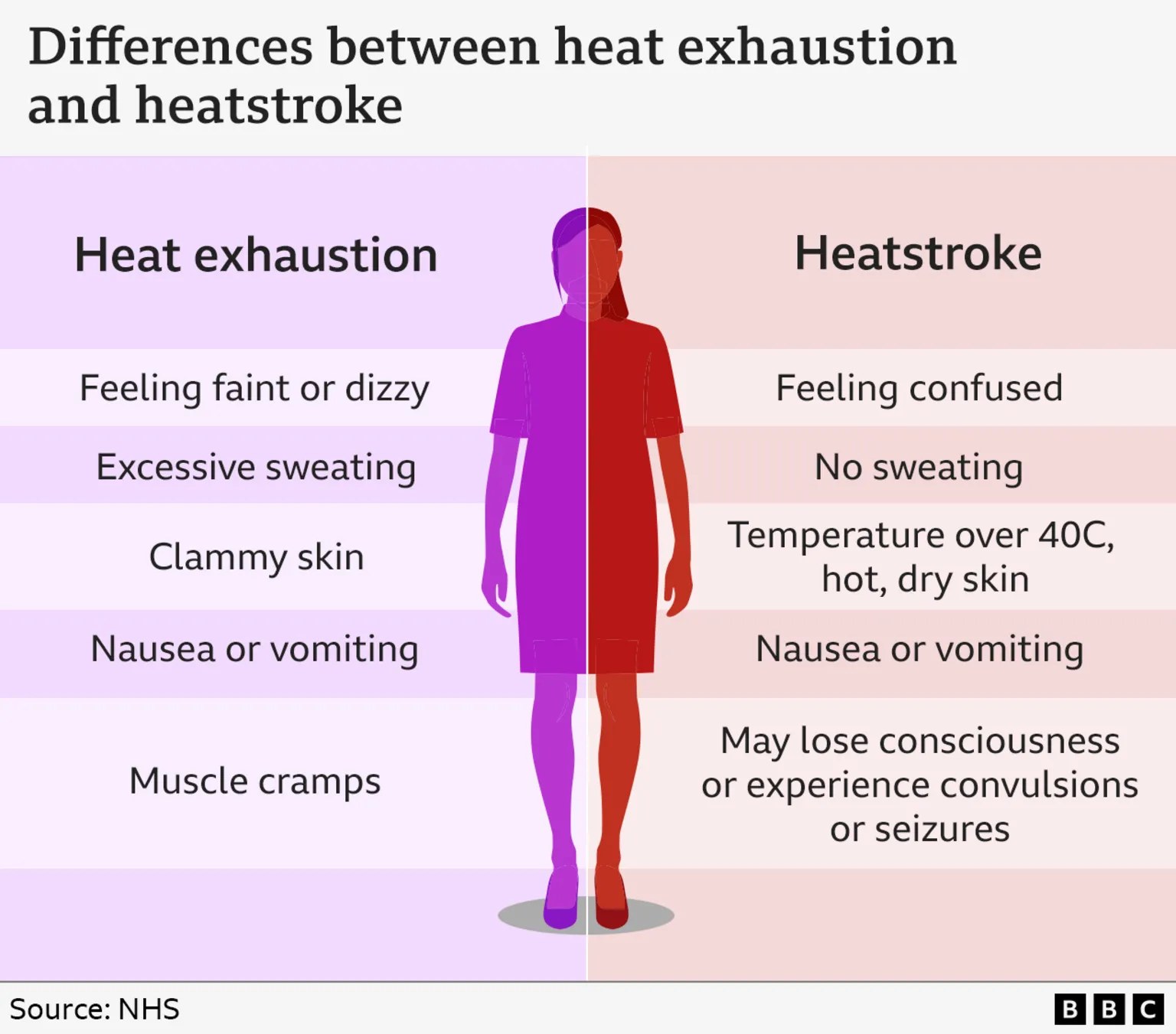
Simultaneously, sweating causes the loss of fluids and salt, altering the body's fluid and electrolyte balance. Combined with lowered blood pressure, this can lead to heat exhaustion. Symptoms include feeling faint or dizzy, excessive sweating, clammy skin, nausea or vomiting, and muscle cramps.
If blood pressure drops excessively, the risk of heart attacks increases.
Why do bodies react this way to heat?
The human body maintains a core temperature of approximately 37°C regardless of external conditions such as snowstorms or heatwaves. This temperature is optimal for bodily functions as evolved over time.
When exposed to high temperatures, the body struggles to maintain this core temperature. It responds by dilating blood vessels near the skin to dissipate heat to the environment and initiates sweating. The evaporation of sweat significantly enhances heat loss from the skin.
How can I stay safe in the heat?
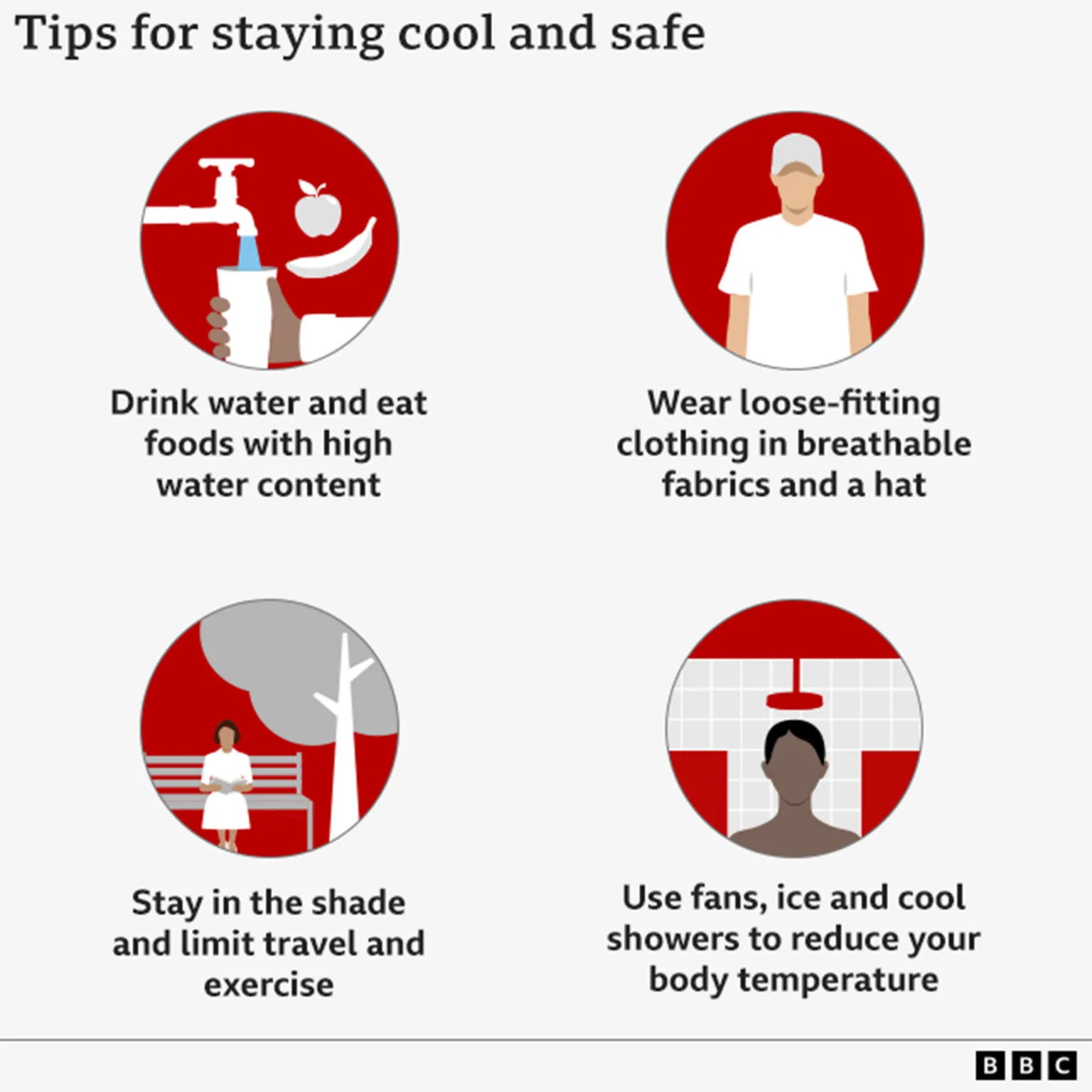
The UK Health Security Agency (UKHSA) recommends monitoring those who may have difficulty staying cool, including older adults, individuals with underlying health conditions, and those living alone.
People considering cooling off in rivers or open water should heed local warning signs and be aware of potential hidden dangers.
It is critical that no one—especially babies, young children, or animals—is left unattended in a locked vehicle.
What should I do if I think someone has heat exhaustion or heatstroke?
If you suspect someone is experiencing heat exhaustion, the NHS advises taking immediate action to cool them down. If the person recovers within 30 minutes, heat exhaustion is generally not serious.
However, failure to recover within 30 minutes indicates a risk of heatstroke, which is a medical emergency requiring an immediate call to 999.
Heatstroke symptoms may include cessation of sweating despite high body temperature, a temperature exceeding 40°C, seizures, or loss of consciousness.
Who is most at risk from hot weather?
Older adults and people with chronic conditions such as heart disease often have reduced capacity to manage the physiological strain caused by heat.

Diabetes can accelerate water loss and affect blood vessels and sweating ability, increasing vulnerability. Children and individuals with limited mobility are also at greater risk. Neurological conditions like dementia may impair awareness of heat or the ability to respond appropriately.
Homeless individuals face increased exposure to the sun, and residents of top-floor flats may experience elevated indoor temperatures.

Do some drugs increase the risk of hot weather?
Certain medications can heighten the risks associated with heat, though the NHS advises continuing prescribed treatments while focusing on staying cool and hydrated.
Diuretics, or "water pills," increase water excretion and are commonly used for conditions like heart failure. In hot weather, they raise the risk of dehydration and electrolyte imbalances.
Antihypertensives, which lower blood pressure, may exacerbate dangerous drops in blood pressure when combined with heat-induced blood vessel dilation.
Medications for epilepsy and Parkinson's disease can inhibit sweating, impairing the body's cooling mechanisms.
Other drugs, including lithium and statins, can become more concentrated in the bloodstream due to fluid loss, potentially leading to complications.
Does heat kill?
During 2022, which recorded the highest temperature in England at 40.3°C, there were an estimated 2,985 excess deaths attributed to heat—the highest number recorded in a single year.
Summer 2024 saw an estimated 1,311 heat-associated deaths, while summer 2025 had approximately 1,504 such deaths.
Most heat-related excess deaths result from heart attacks and strokes caused by the body's efforts to maintain stable temperatures.
The increase in mortality rates typically begins when temperatures exceed 25°C to 26°C.
Evidence indicates that higher temperatures in spring or early summer are more likely to cause deaths than peak summer heat. This may be due to behavioral adaptations as people become more accustomed to heat over the summer months.
Data from previous heatwaves show that the rise in deaths occurs rapidly, often within the first 24 hours of a heatwave.


