

Background of Emily Moore's Mental Health Struggles
Emily Moore began experiencing mental health difficulties at the age of 15.
This article contains sensitive details regarding suicide and self-harm.
Inquest Reveals Staff Oversight at Mental Health Hospital
Staff at a mental health hospital failed to document a father's concerned telephone call about his teenage daughter just hours before she fatally harmed herself, an inquest has revealed.
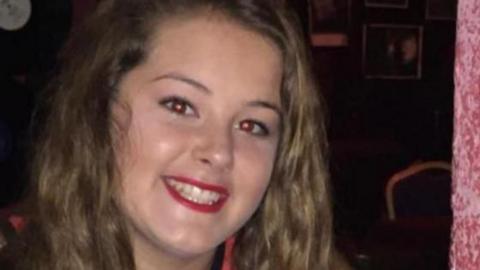
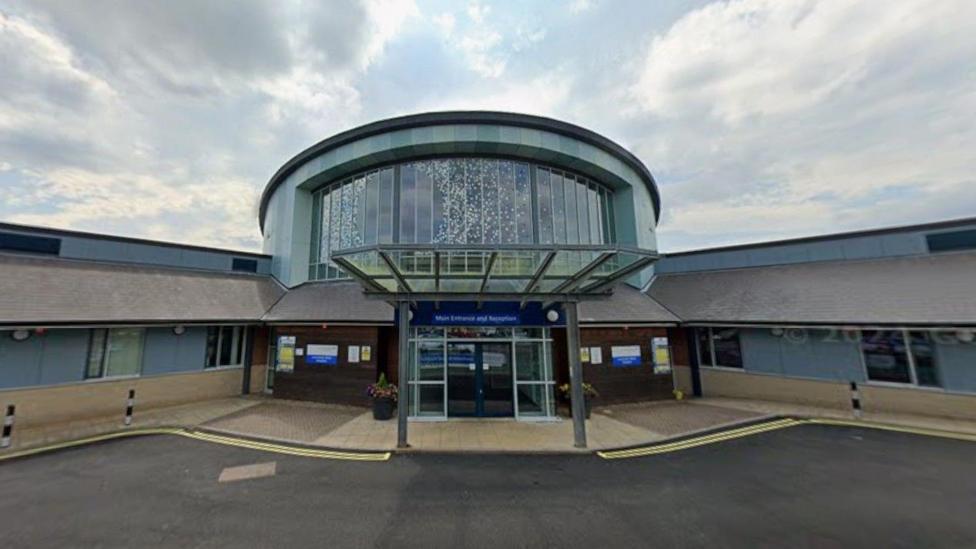
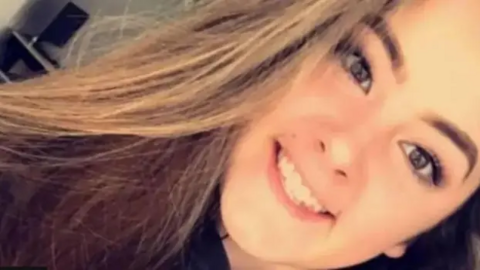
Emily Moore, from Shildon, County Durham, died in February 2020 while receiving care at Lanchester Road Hospital in Durham, operated by the Tees, Esk and Wear Valleys NHS Foundation Trust (TEWV).
During the inquest, jurors were informed that Emily's father contacted the ward on the morning of 13 February to report a troubling Facebook post she had made, but no record of this call was made as protocol requires.
It was also disclosed that clinicians lacked clear understanding of triggers that might lead Emily to self-harm.
Emily's History and Diagnosis
Jurors learned that Emily's mental health issues began in 2017 when she was 15 years old. She was sectioned in March 2019 and diagnosed with emerging emotionally unstable personality disorder (EUPD).
Her treatment included a four-month stay at TEWV's West Lane Hospital in Middlesbrough, which her father described as a "hell-hole," followed by seven months at Ferndene in Prudhoe, managed by Cumbria, Northumberland, Tyne and Wear NHS Foundation Trust (CNTW). She was transferred to Lanchester Road Hospital upon turning 18.
Emily was admitted to Lanchester Road's 20-bed female-only Tunstall ward on 6 February, two days after her 18th birthday.
Father's Concern and Missed Documentation
On the morning of 13 February, David Moore observed a concerning Facebook post by Emily. The post commemorated what would have been the 18th birthday of a friend who had died while they were both patients at West Lane Hospital.
The post concluded with the phrase "until we meet again," and Emily had previously expressed feelings of guilt regarding her friend's death, which was considered a potential trigger for self-harm.
Daniel Scott, manager of the Tunstall ward, informed jurors that the nurse who received the call should have documented it and shared the information with colleagues to increase monitoring of Emily.
Anna Morris KC, representing Emily's family, questioned the absence of any note in Emily's daily engagement log, which Scott confirmed.

"Would you expect it to have been recorded?" Morris asked.
"I would expect it to be recorded," Scott replied, adding he did not know why it had not been.
Events Leading to Emily's Death
The inquest heard that Emily was found unconscious in her room shortly after 14:00 GMT on 13 February and was declared dead two days later.
Transfer to Lanchester Road Hospital
The jury was previously informed that Emily's transfer to Lanchester Road was only confirmed a week before it occurred, which doctors described as unusual and concerning.
Consultant clinical psychologist Dr Sonia Pace testified that it was common for clinicians to have limited prior knowledge of patients arriving at the ward, but staff were skilled at quickly assessing new patients and developing risk management plans, as was done in Emily's case.
Dr Pace stated it would have been "helpful" to have more time and information before Emily's transfer, but she had a phone conversation on 10 February with Emily's psychologist at Ferndene, which provided important insights.
A meeting was held on 11 February with Emily and her parents to establish a care plan. It was decided to reduce observation gradually from "constant" to hourly staff engagements during daytime.
Dr Pace acknowledged there was "not really clarity" about what might trigger Emily to self-harm, noting that she could appear stable but then experience a major incident.
"There wasn't really clarity," she said, "but I still felt I knew enough to make an appropriate care plan for Emily."
Care Quality Commission Alert and Facility Issues
The inquest also addressed a Care Quality Commission (CQC) alert issued in September 2018 regarding potential self-harm risks in mental health hospitals following a patient's death elsewhere in the UK.
TEWV was in the process of implementing the recommended changes at the time of Emily's death, but estates manager Simon Adamson described the programme as "very complex," noting that the Tunstall ward had not yet been addressed.
The fatal injury sustained by Emily involved a risk spot identified by the CQC that had not been corrected.
Support and Contact Information
If you are affected by any issues raised in this article, support is available through BBC Action Line.
Follow BBC North East on X and Facebook, and BBC Cumbria on X and Facebook, as well as both on Nextdoor and Instagram.
Additional Information
Do you have a story suggestion for BBC North East & Cumbria?
and Links
- Teenager's hospital move 'unusual and concerning'
- Teen improved after move from 'hell-hole' hospital
- Bereaved dad calls hospital 'a chaotic hell-hole'


