Households with GLP-1 Users Save Significantly on Grocery Spending
Recent research indicates that households including a user of GLP-1 weight-loss drugs save more than £400 annually on grocery bills. The use of GLP-1 medications has nearly tripled over the past two years, now reaching 1.9 million adults.
More than 6.3% of households in Great Britain currently have at least one GLP-1 user, according to data from Worldpanel by Numerator. This represents a notable increase from 4.1% of households in 2025 and 2.3% in 2024.
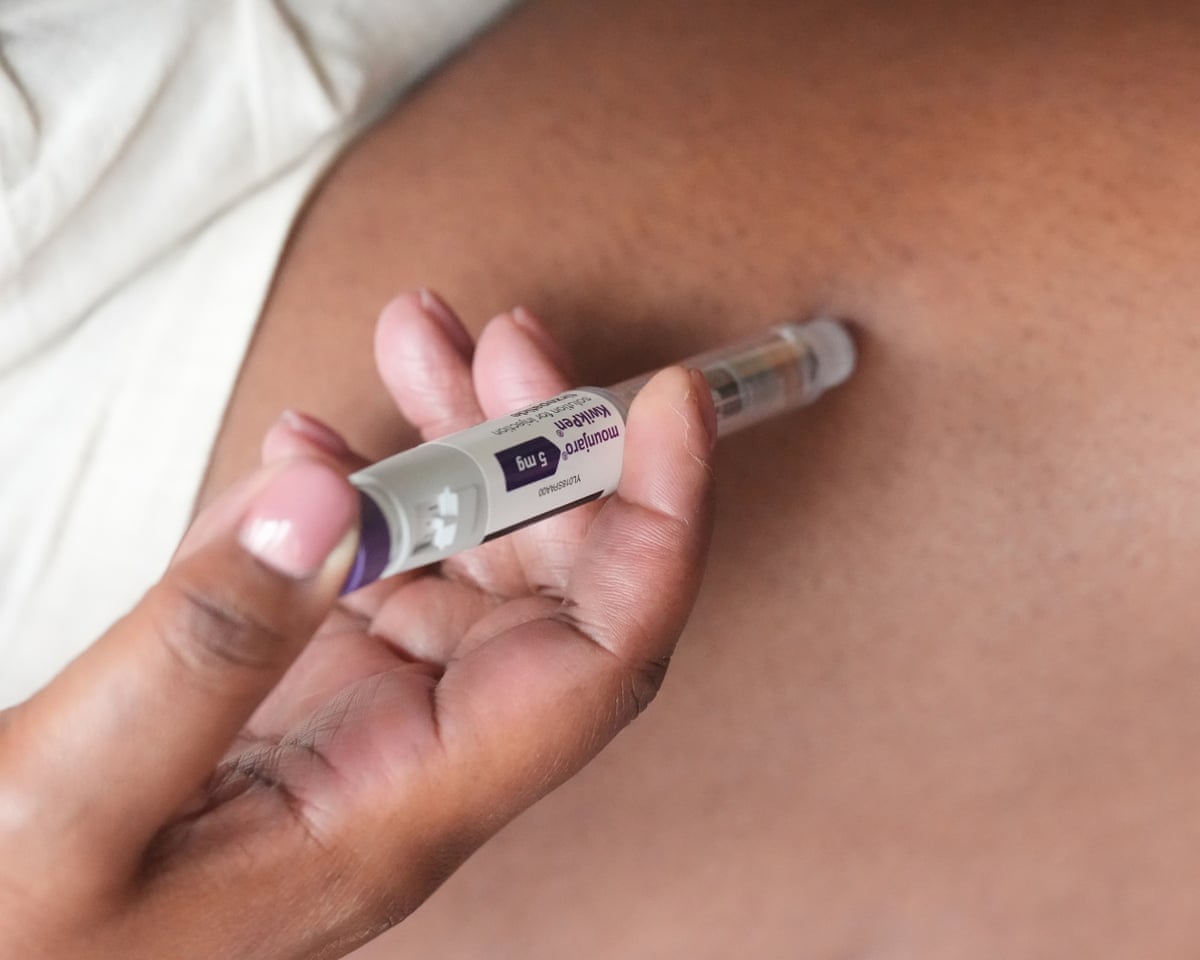
The study revealed that in the year following the initiation of GLP-1 drugs, households with at least one user spent £780 million less on groceries than anticipated when compared with similar households without users.
Impact on Grocery Shopping and Consumption Patterns
Drugs such as Mounjaro and Wegovy are influencing grocery expenditures, as GLP-1 users tend to purchase less food at supermarkets. In February, the month analyzed, households with a weight-loss jab user bought 299 million fewer items, resulting in a £418 reduction in grocery spending compared to households without users.
More than half (52%) of GLP-1 users described their eating habits as "mindful," with food consumption driven by hunger cues rather than habit, routine, or restriction.
Additionally, 54% of weight-loss jab users reported experiencing fewer cravings and reduced "food noise," while 11% indicated they no longer enjoyed their usual favorite foods or drinks.

GLP-1 users reported cutting back on treats: 75% ate less chocolate, and 72% reduced their consumption of crisps. These self-reported changes were corroborated by shopping data, which showed that chocolate confectionery spending decreased by 18 percentage points more in GLP-1 user households compared to non-user households.
Changes Extend Beyond Home Eating
The shift in eating habits among GLP-1 users is evident outside the home as well. Forty percent of people taking weight-loss drugs expressed a desire for smaller portion sizes on restaurant menus, and over a quarter (26%) requested a GLP-1-friendly section on menus when dining out.
A common side effect of weight-loss injections, known as "Ozempic mouth," which includes dry mouth and bad breath, has led some users to increase purchases of mouthwash and chewing gum. Sales of these products rose by 20 percentage points and 24 percentage points respectively in GLP-1 user households compared to non-user households.
Industry Response and Market Adaptation
Chantel Kennaugh, head of public sector and nutrition GB for Worldpanel by Numerator, commented on the trend:
"What was once a specialised treatment, primarily prescribed for type 2 diabetes, has in just a few short years become a mainstream force. Now, 68% of users are taking GLP-1s specifically to lose weight, opening them up to a much wider audience.
These drugs are fundamentally disrupting how people engage with food and drink, with ripple effects already being felt across grocery and lifestyle, forcing brands and businesses to adapt at pace."
Some retailers have begun offering products tailored to consumers using weight-loss injections. Marks & Spencer launched a range of "nutrient-dense" foods earlier this year aimed at customers who are eating less, while the online supermarket Ocado has developed a dedicated selection for this market segment.
Cost Concerns Affect Continued Usage
Price has emerged as the primary barrier to continued use of GLP-1 medications. The Worldpanel survey found that 41% of users stopped taking the drugs in 2026 due to cost considerations.