

Genetic Testing and Cancer Diagnosis Disparities Between England and Wales
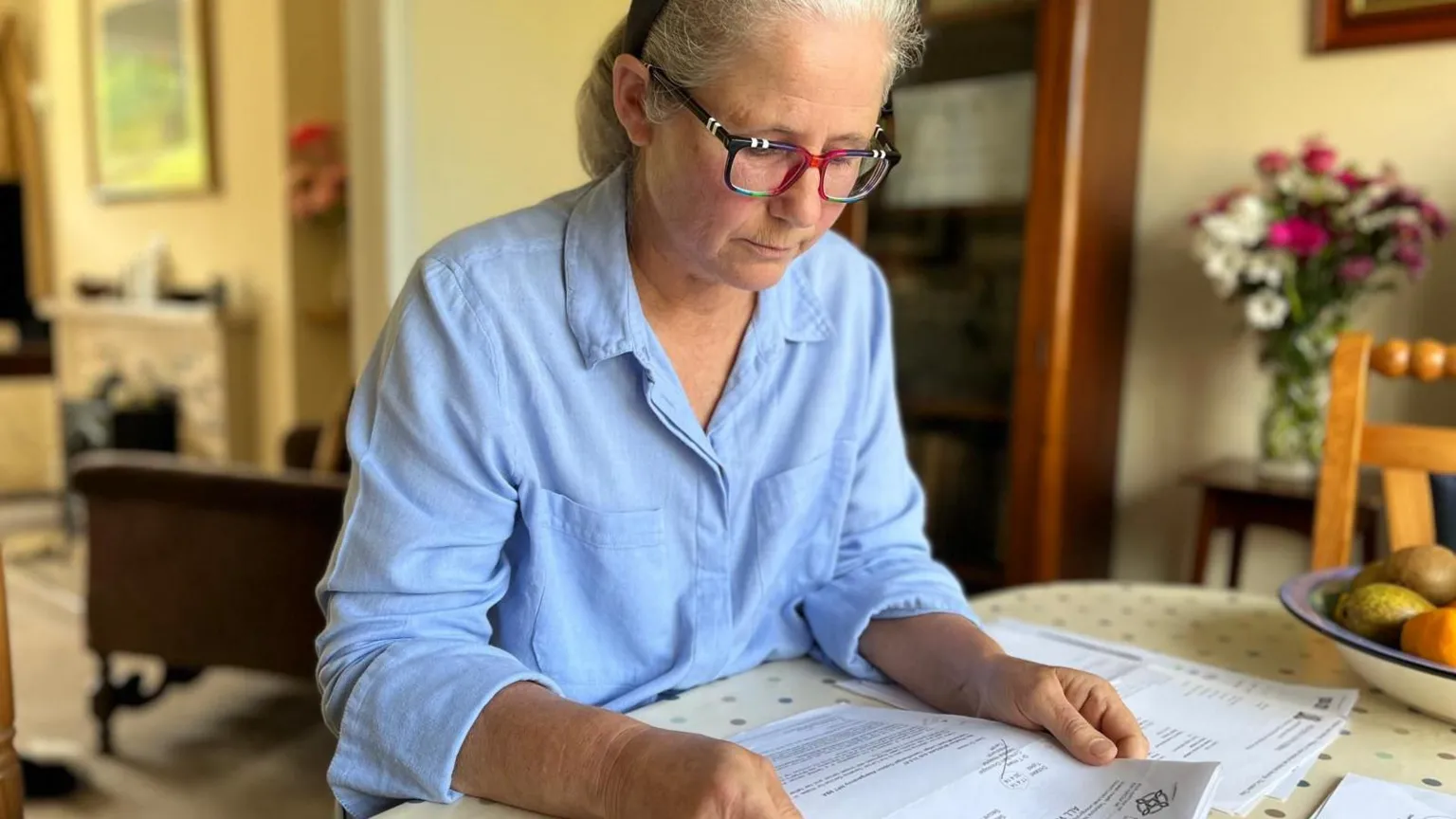
Heather Morgan believes that if she had lived in England when diagnosed with breast cancer 12 years ago, she might have avoided developing ovarian cancer. Residing in Monmouthshire, just eight miles (12km) west of the English border, her location meant she was not eligible for genetic testing that could have identified her increased risk for ovarian cancer.
In 2014, England offered immediate genetic testing to patients under 50 diagnosed with triple negative breast cancer, a category that included Heather. However, Wales did not have such provisions at that time.
Had Heather undergone genetic testing then, she said she would have opted for pre-emptive removal of both ovaries.
"I am mad annoyed," said the 59-year-old.
"It's changed everything," she added, noting that her 10-year survival chances now stand at 35%.
The Welsh government responded by appointing a minister for preventative and public health to address such issues, with a focus on improving early cancer detection as part of a new cancer plan for Wales.
It was not until 2021, when Heather noticed a visible lump in her abdomen, that further tests led to an ovarian cancer diagnosis. Subsequent testing revealed she carried the BRCA1 gene mutation, which increases lifetime risk for breast and ovarian cancers.
"Had I been tested (in 2014) we would have immediately known I was at high risk for ovarian cancer," she said.
"I would have immediately had my ovaries removed. It would have been a no-brainer.
"And if they'd have said to have a double mastectomy at that point, I would have."
At 46 years old during her initial breast cancer diagnosis, Heather retained a letter from the all-Wales genetic testing service explaining her ineligibility. The letter stated that the Welsh government was committed to meeting NICE guidance within the financial year but was still working to increase testing capacity.
By 2015, Wales had aligned its rules with England's, but Heather had completed treatment and was not invited for testing.
"If I'm going to the supermarket and I've gone a bit over budget I'll think, why save money? What's the point, you'll be dead next week, just buy it," said Heather.
"Something came through the post about retirement homes - am I going to live that long? Should I be worrying about that? No."
Heather now supports the National Hereditary Breast Cancer Helpline, a charity providing advice to individuals with inherited cancers to increase awareness of options and guidelines.
The helpline recently opened its first information centre in Wales, located in Flint, north Wales, and is expanding support to include cancers linked to BRCA gene mutations.
Wendy Watson, founder of the helpline, highlighted that disparities in care exist not only across borders but also between health boards and trusts within England and Wales.
"We do have postcode lottery healthcare," she said.
"We shouldn't have - NICE guidelines should sort that out, but at least we're here to provide people with access to the information."
Heather's family has also experienced inconsistencies within English health trusts. Her two adult daughters have had differing access to genetic testing: the youngest was invited for testing in the north-east of England, while the eldest in the north-west was not.

Understanding BRCA1 and BRCA2 Gene Mutations
BRCA1 and BRCA2 gene mutations significantly increase the risk of developing certain cancers, including breast and ovarian cancer.
According to the NHS, women in the UK have an average 12.5% lifetime risk of breast cancer and a 2% risk of ovarian cancer. For women with BRCA1 mutations, these risks increase to 72% for breast cancer and 44% for ovarian cancer. For BRCA2 mutations, the risks are 69% for breast cancer and 17% for ovarian cancer.
Both mutations are associated with earlier onset of these cancers.
NICE guidelines recommend annual MRI screenings for women with BRCA mutations aged 30-49, with annual mammograms starting at age 40.
Conflicting Advice on Breast MRI Screening During Breastfeeding
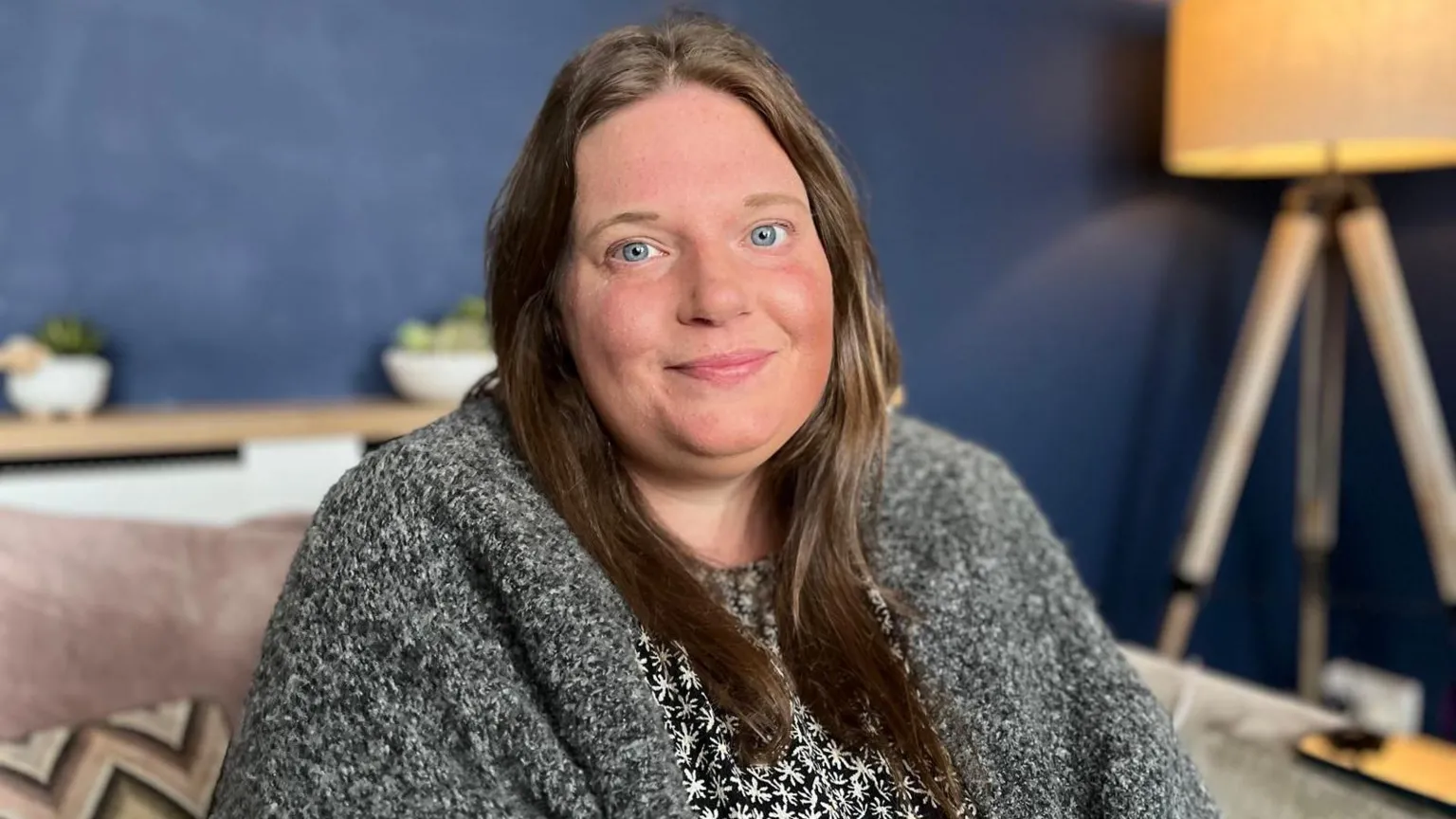
Louise Owen's experience illustrates ongoing challenges related to screening and conflicting guidance. The 36-year-old has known for over a decade that she carries the BRCA2 mutation, increasing her lifetime risk of breast and ovarian cancers.
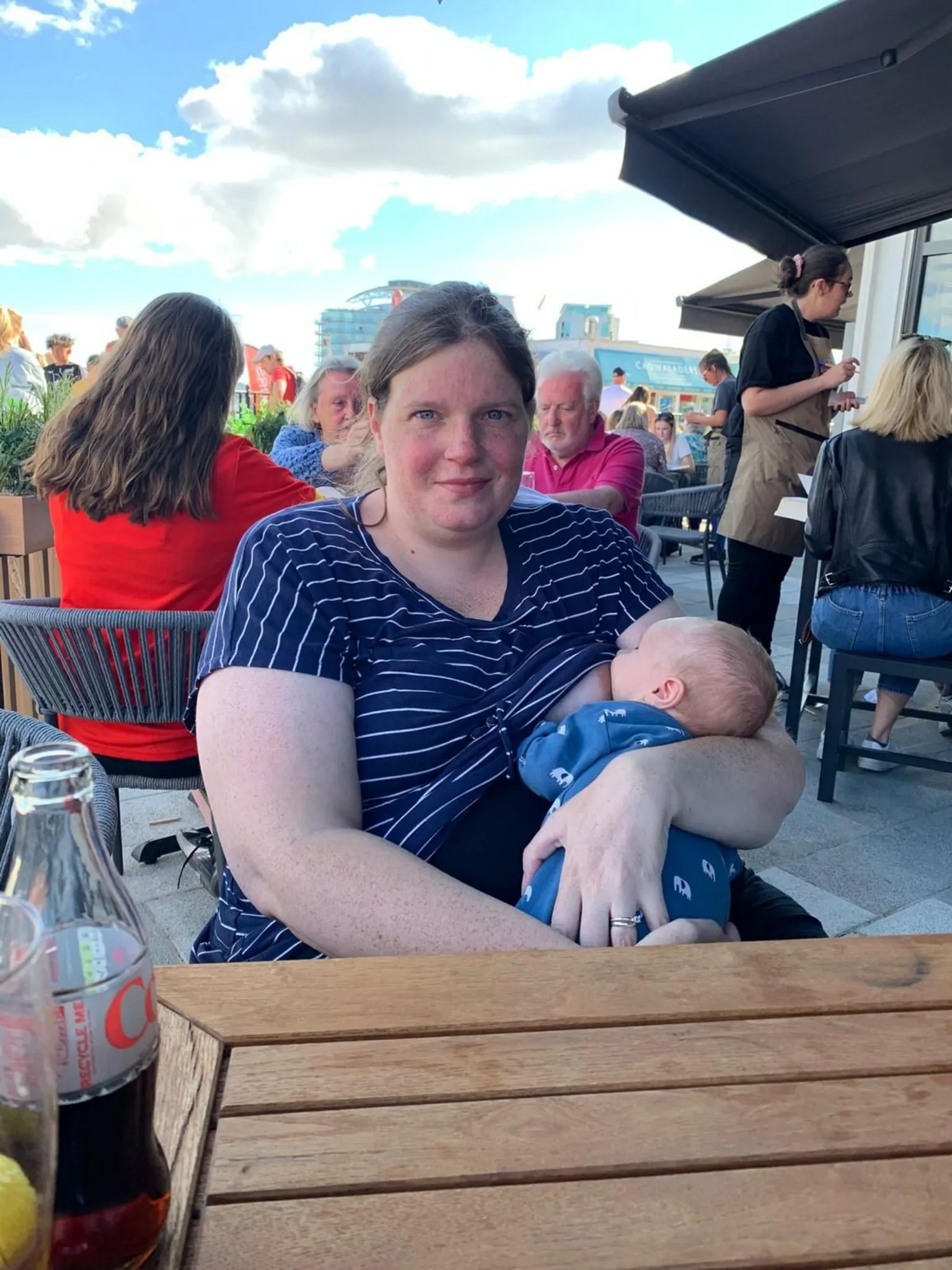
She had her first MRI screening at age 30, but was later told she could not have annual MRIs while breastfeeding, despite her research indicating it is safe.
Organizations such as the Breastfeeding Network, Royal College of Radiologists, and Society of Radiographers agree that while personal choice is paramount, breastfeeding after an MRI is safe as there is no evidence of risk to the child. The concern relates to the contrast dye used before breast MRIs.
Breast Test Wales stated that MRI breast screening during breastfeeding is possible but that breast tissue changes reduce imaging accuracy and may lead to unnecessary interventions.
"I'm really angry about it, because I feel like why should I have to choose whether I get screening or whether I stop breastfeeding?" said Louise, a mother of two.
Having witnessed her mother's prolonged cancer treatment before her passing in 2016, Louise said her own cancer risk is a constant concern and that screening helps alleviate anxiety.
As a breastfeeding peer support worker, she is committed to continuing to breastfeed her three-year-old until he is ready to stop.
She described the negative impact on her mental health when she ceased breastfeeding her first child earlier than desired.
A spokesperson for Breast Test Wales said:
"The All-Wales programme for screening this very high risk group of women was rolled out earlier this year across all regions of the country, to provide a consistent service across Wales which is delivered at a hospital in their region.
"The most recent guidance from the Royal College of Radiologists says that undertaking MRI or mammogram screening whilst women are pregnant is not recommended, as the sensitivity of the screening is significantly reduced due to changes in the breast.
"This could lead to incorrect results – including missing a cancer. It could also lead to a false positive result and an unnecessary intervention like biopsy.
"MRI breast screening is possible while a woman is breastfeeding but the accuracy of the imaging is reduced due to the changes in breast tissue, which can also lead to unnecessary interventions.
"Breastfeeding for the first six months of a baby's life provides them with the best nutrition and also helps in reducing the risk of breast cancer in the mother.
"Breast awareness is always important but particularly so for this group of women at higher risk, and we would advise that they continue to carry out self-examination regularly, and seek medical advice if concerned, while pregnant and breastfeeding."


