

Mary's Story: The Importance of CACE
After the loss of her daughter several years ago, 89-year-old Mary found her days increasingly long and quiet. Living alone, with only weekend visits from her son, much of her time is spent in solitude within her home.
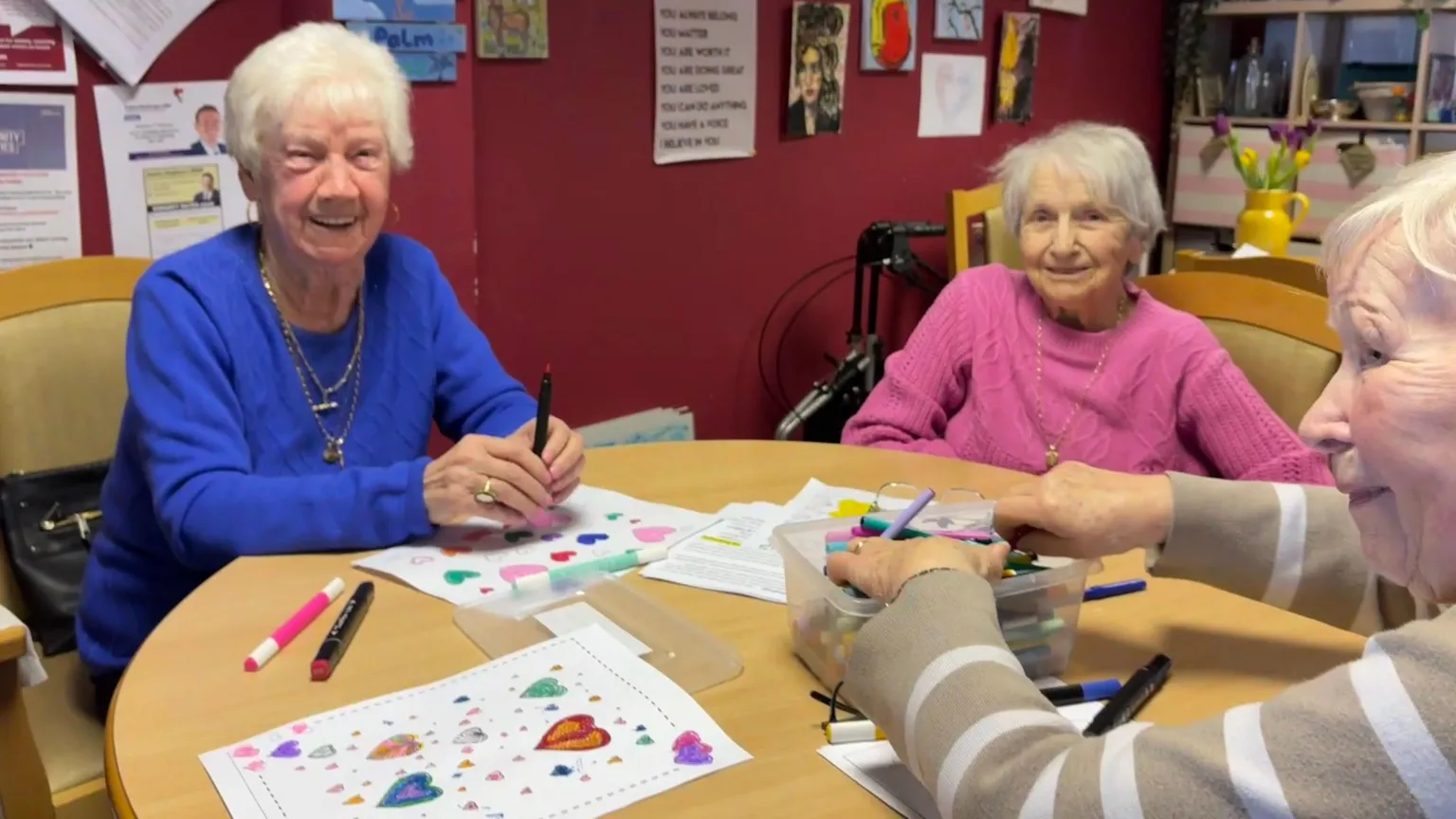
Twice weekly, Mary is picked up from her front door and taken to CACE (Cumbernauld Action for Care of the Elderly), where she enjoys breakfast, a hot lunch, engaging activities, and social interaction with peers.
"I know everybody in here," she says. "I've been coming a long time. It's an essential part of my life."
About CACE and Its Services
CACE has been operational for over 30 years, supporting up to 85 individuals weekly. The organisation provides door-to-door transport, nutritious meals, outings, and group activities designed to combat loneliness and promote independence among elderly people.
However, like many volunteer-run organisations, CACE depends heavily on funding from public sources and the local authority.
In the previous year, North Lanarkshire Council contributed approximately £135,000 in direct funding, accounting for about 35% of CACE's annual budget.
Recently, the council announced that starting April, this direct funding will cease, although CACE may apply for other volunteer funding streams. The council cited a review that identified considerable overlap with existing council-operated and commissioned services as the reason for this decision.
CACE staff contend that their model delivers a unique level of care that is difficult to replicate through other services.
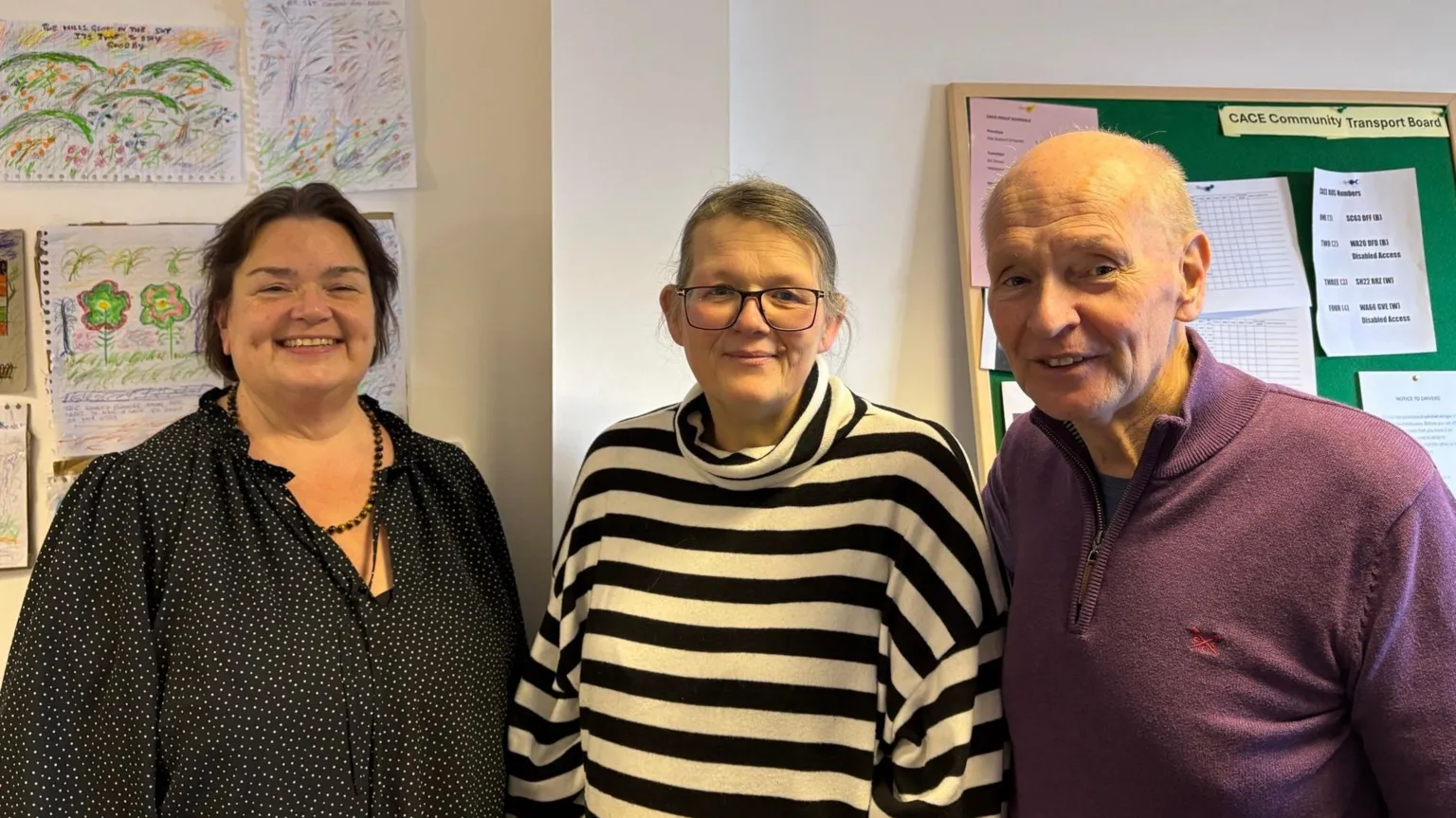
Volunteer Jade stated that the service depends on council funding and warned that the funding cut could jeopardise the organisation's survival.
Elizabeth's Experience and Family Perspective
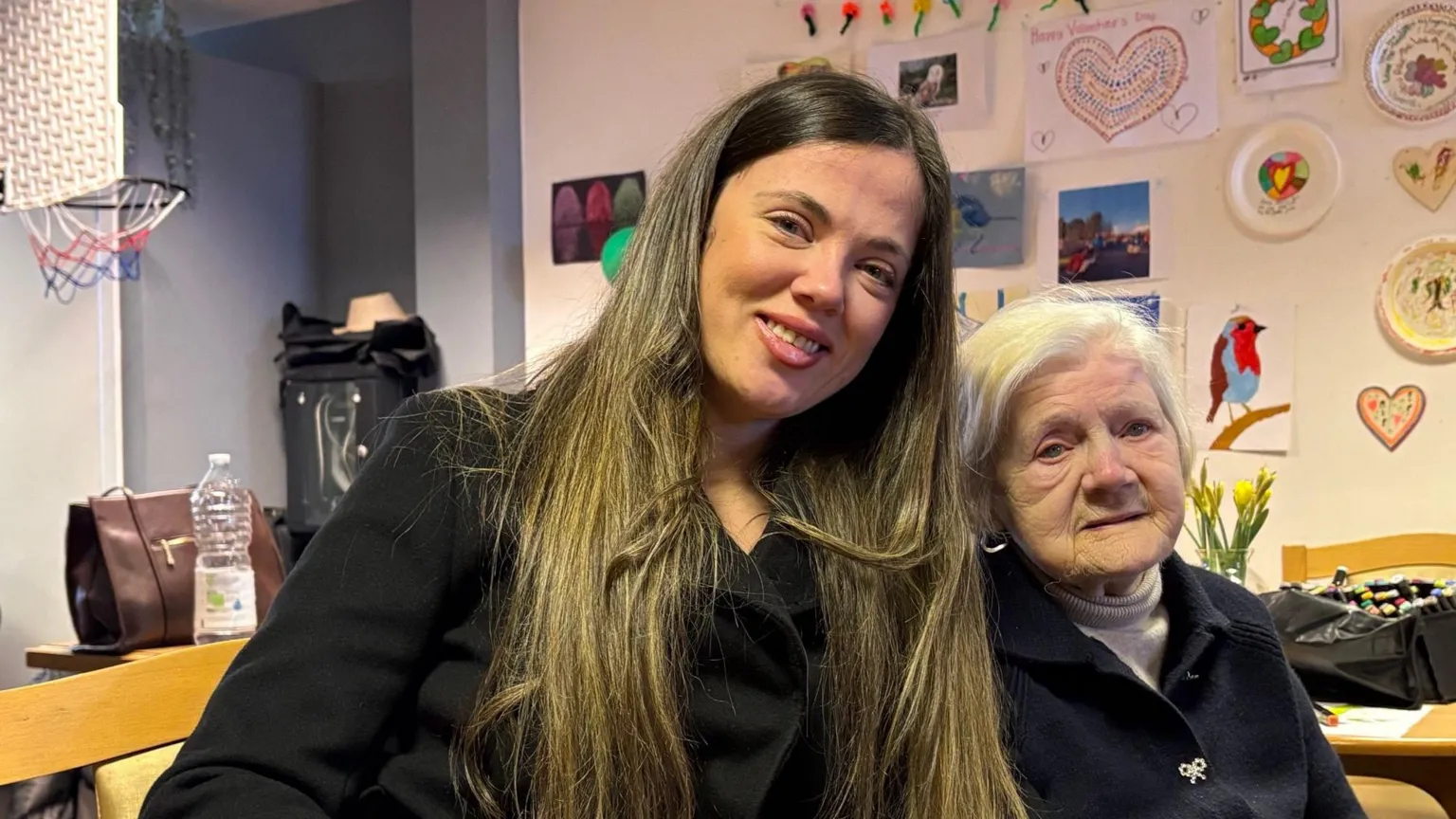
Elizabeth, aged 90 and living with Alzheimer's disease, attends CACE twice a week. Her granddaughter, Brooke, emphasises the positive impact the structured environment and stimulation have on slowing Elizabeth's cognitive decline.

"If she wasn't here, she'd be indoors all the time," Brooke explains. "I think her Alzheimer's would get worse much more quickly."
Brooke describes the group as "like an extended family," providing reassurance that Elizabeth is safe, engaged, and well cared for.
Support and Recovery: Paul's Journey
Lindsay, the day service manager, highlights the value of CACE through the example of Paul, an 87-year-old service user. After the sudden loss of his wife of 60 years, Paul was encouraged by his daughter-in-law to attend CACE for support and socialisation.
"He came in and wouldn't take his jacket or beanie hat off," Lindsay recalls. "In week four he finally took his hat off and I thought 'oh this is progress'."
Paul, a former soldier, was experiencing acute depression and PTSD. Staff were initially concerned about his mental health as he took several weeks to engage with activities and other attendees.
He began attending grief-support sessions led by Lindsay, gradually opening up about his loss and expressing his grief honestly.
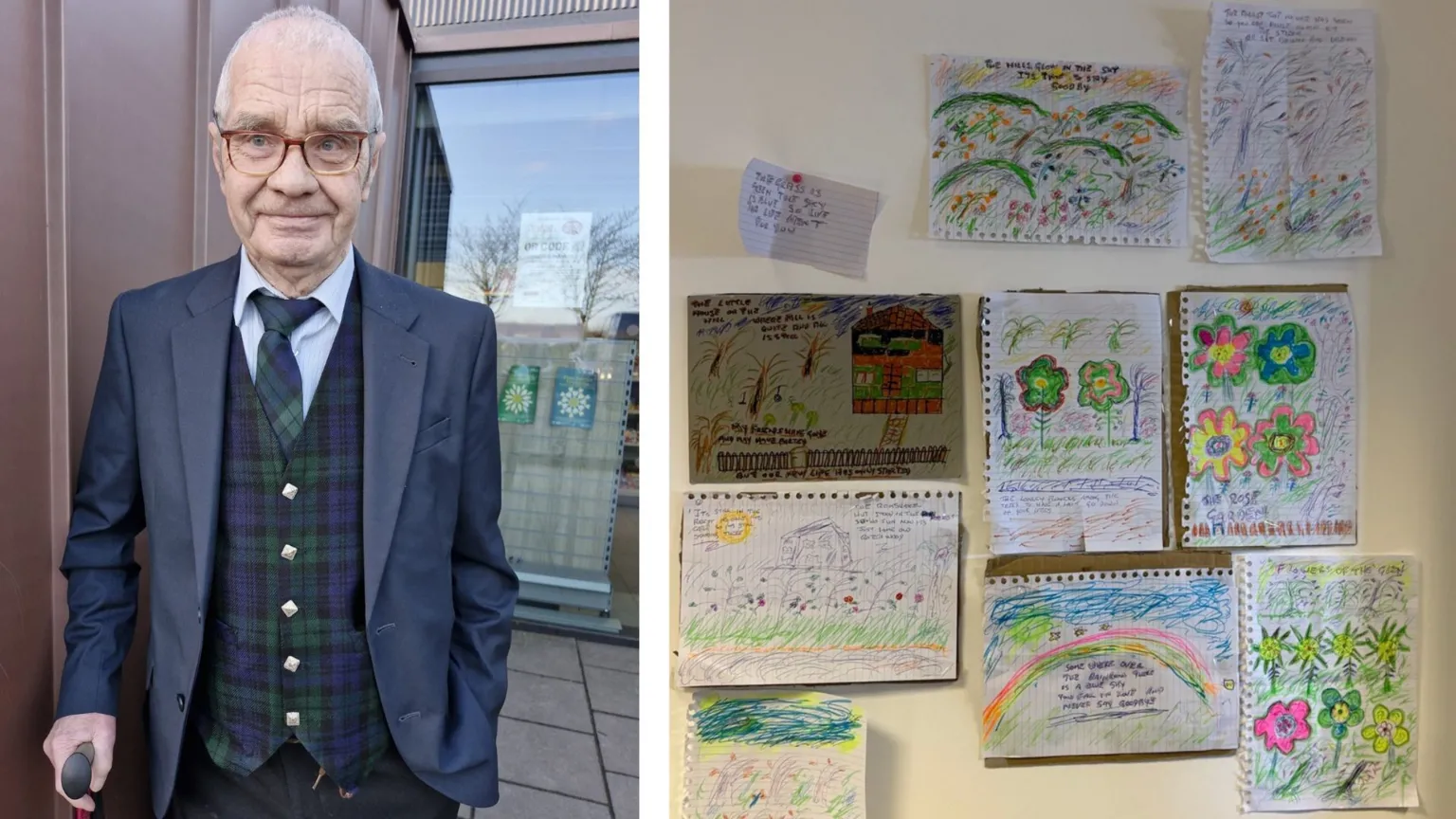
"He would call us out of office hours in an inconsolable state," Lindsay says. "Now he brings me a poem and a painting every time he sees me."
Since then, Paul has not missed a single week of day support, group activities, or outings such as cinema visits organised by CACE.
He has also started to enjoy art sessions and recently participated in an intergenerational art project at Greenfaulds High School.
"I never would have imagined doing that before," Paul admits. "I am extremely grateful... they've brought back joy in my life."
Efforts to Sustain CACE
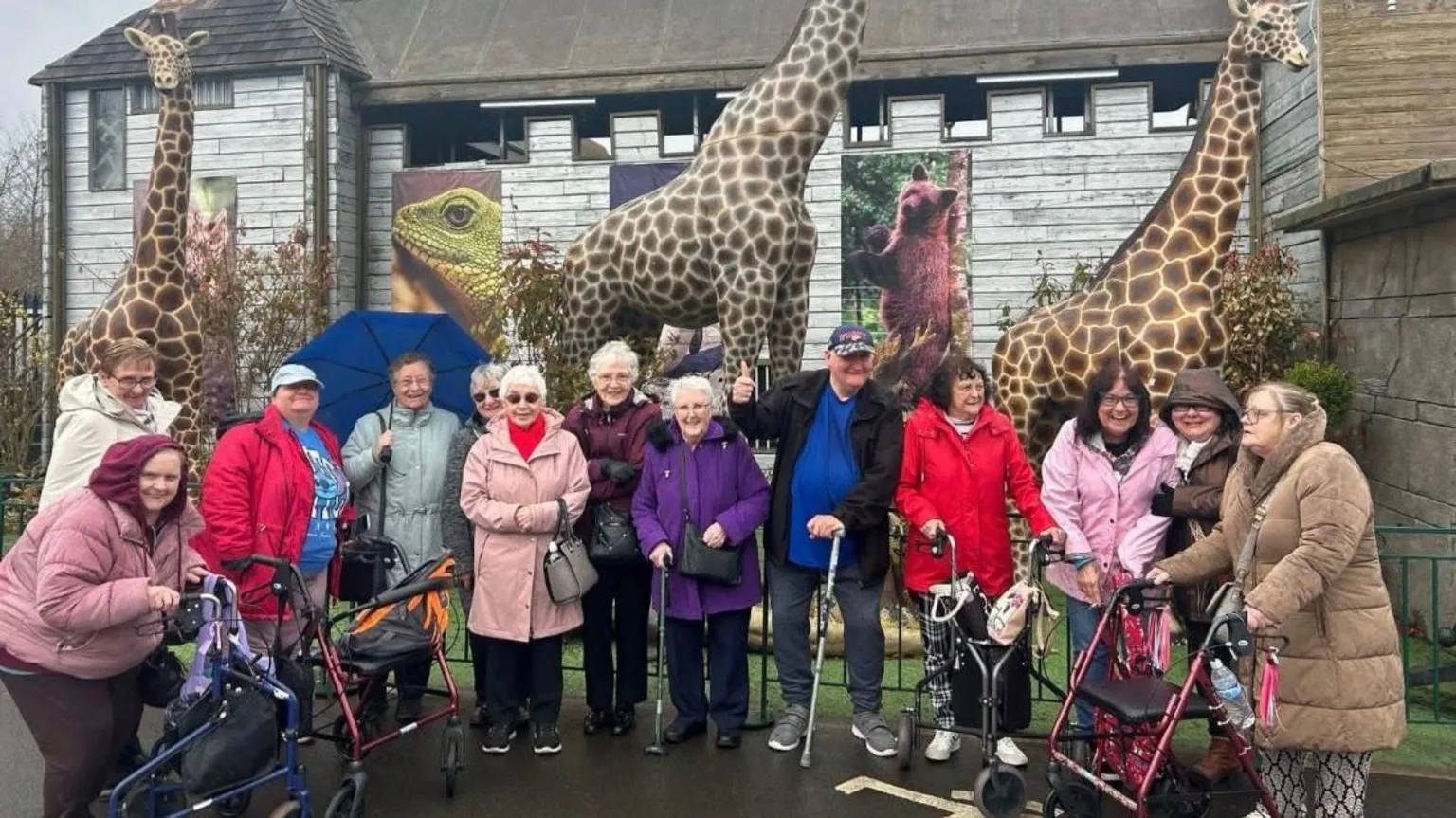
In response to the funding threat, CACE has initiated a petition and is actively working to keep its doors open to as many people as possible.
The council maintains that the funding decision reflects the availability of comparable services, a need to distribute funding more equitably, and a commitment to providing alternative support options.


