Hantavirus Cases Linked to Cruise Ship in Scotland
A small number of individuals in Scotland have been connected to a hantavirus outbreak, according to Public Health Scotland (PHS), the national public health authority.
A rare strain of hantavirus emerged aboard the Dutch cruise ship MV Hondius during its voyage from Argentina to Cape Verde.
PHS stated it will maintain close communication with those exposed to the virus, continuing precautionary testing alongside ongoing care and support.
Currently, there are no confirmed hantavirus cases in Scotland, and the risk to the general population remains very low, according to PHS.
During the voyage, three fatalities occurred, and nine cases have been confirmed through testing.
The health agency is collaborating with the UK Health Security Agency (UKHSA) and NHS boards in Scotland to implement appropriate measures.
Samples from individuals contacted by health authorities will be sent to a high-security laboratory in Glasgow for further analysis.
Scientists at the Centre for Virus Research (CVR) have already received samples from approximately 20 people who were aboard the ship.
The research team is investigating the virus's transmission patterns and exploring potential treatments.
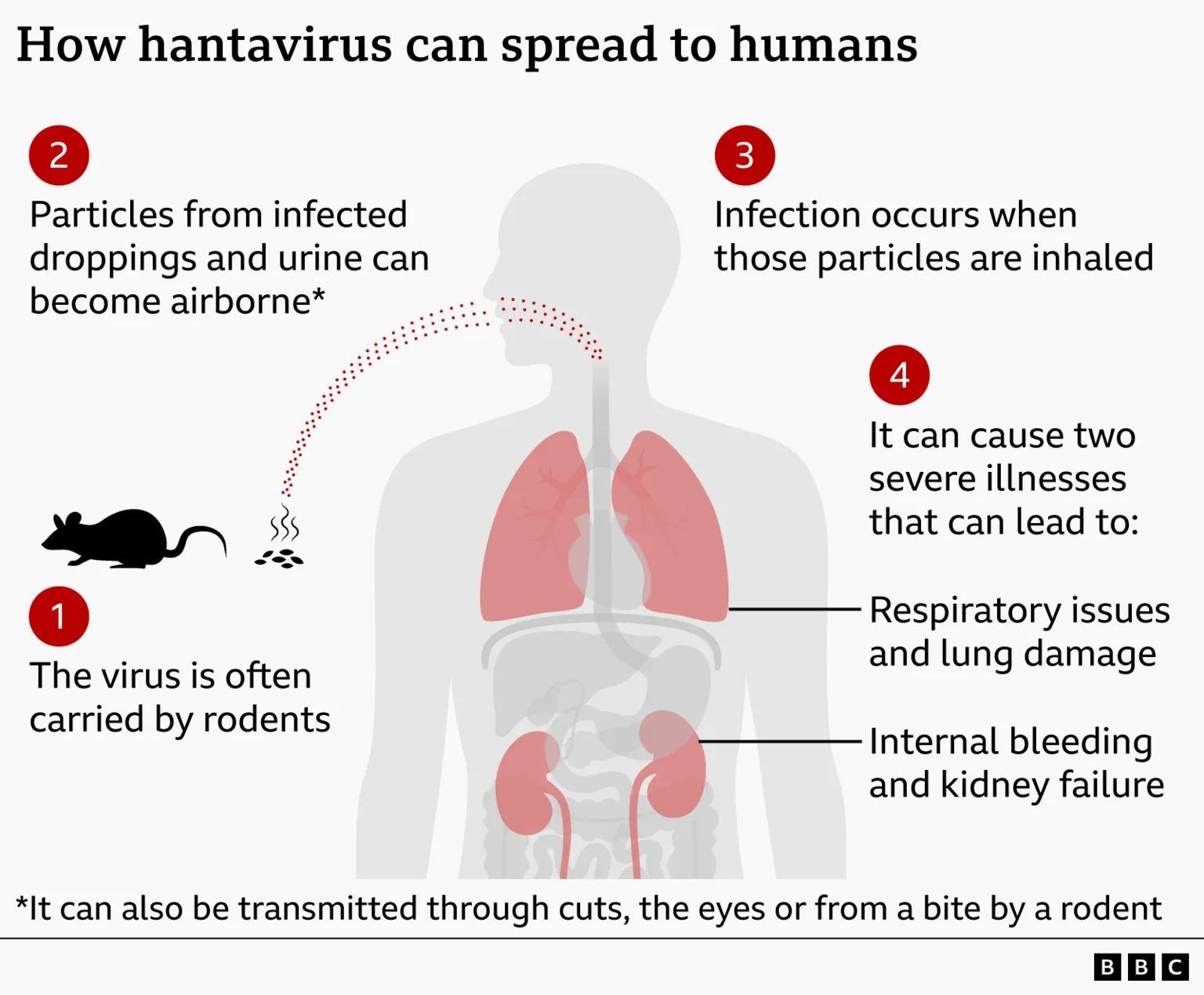
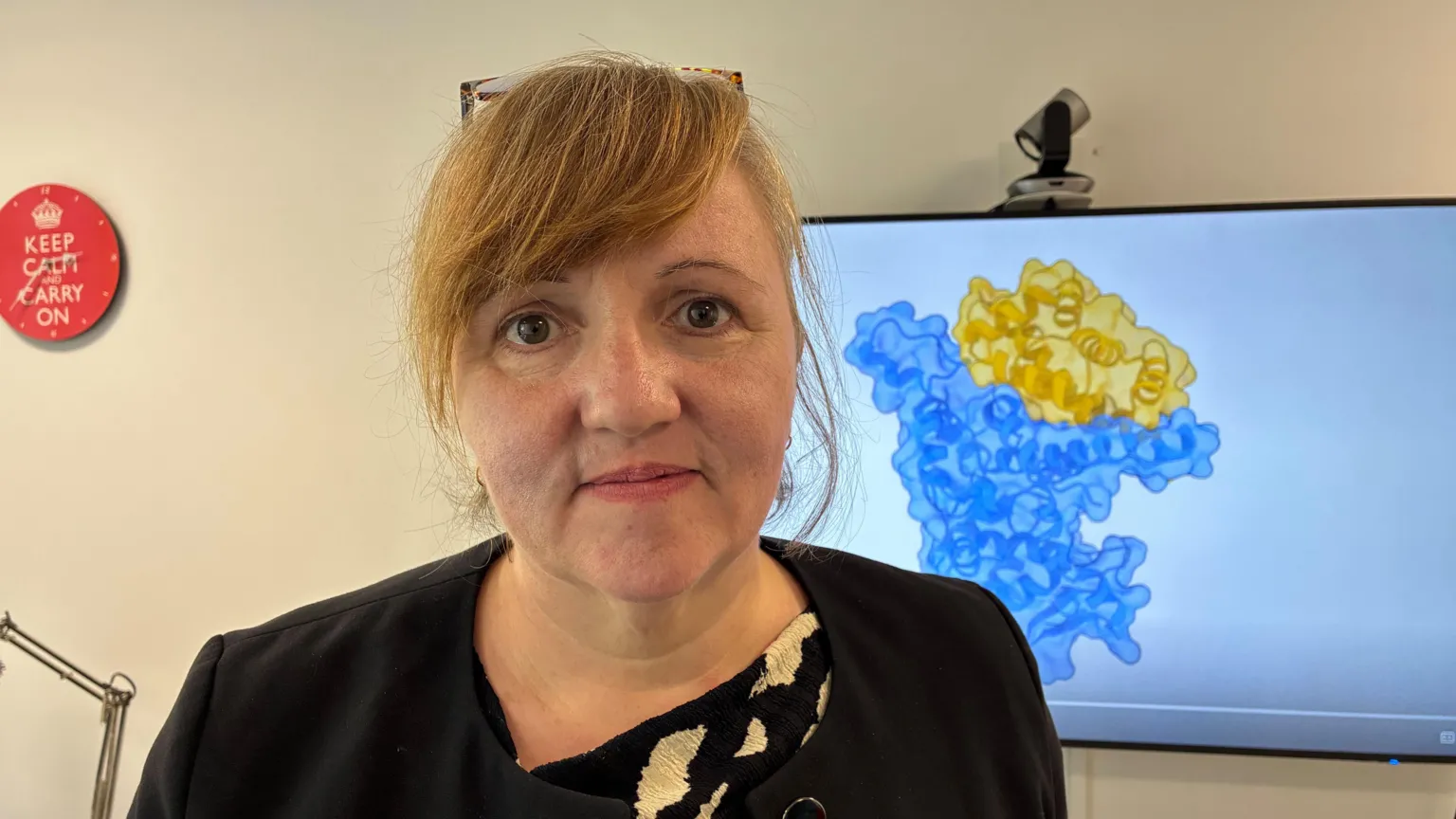
"The symptoms are classically of respiratory illness, rather like a severe influenza infection or Covid-19 - people get very breathless," said centre director Prof Emma Thomson.
"Unfortunately, the consequences of the Andes strain can be very severe, and one in three people might be expected to die."
"So that makes it a very serious infection and that's why we need ongoing research to look for new treatments and vaccines."
Isolation and Testing of Passengers
On Wednesday, six individuals evacuated to the UK were permitted to return home or to suitable accommodation to complete a 45-day isolation period.
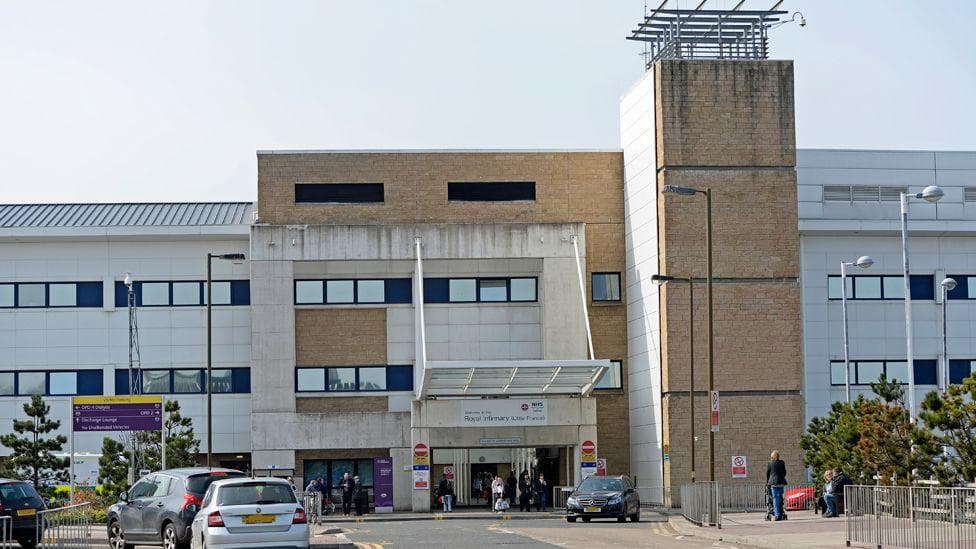
These individuals had already isolated at Arrowe Park Hospital in Wirral for 72 hours and tested negative for the virus.
In total, 22 passengers and crew members had been isolating at the Merseyside hospital; the remaining individuals will continue isolation but are asymptomatic and have tested negative.
The duration of hospitalization for the remaining patients has not been disclosed.
Two British nationals with confirmed hantavirus infections are receiving treatment in the Netherlands and South Africa.

Global and Research Perspectives
The head of the United Nations health agency previously indicated there is "no sign" of a larger hantavirus outbreak.
Researchers at the CVR are currently analyzing blood and nasal samples from passengers, crew, and traced contacts.
Prof Thomson emphasized that the primary objective is to investigate potential treatments and vaccine development.
"We are working on improving our understanding of how the virus divides, transmits, and thinking about how current antiviral treatments can be used as a new treatment," she said.
"For example, some vaccines that have been designed to fight against other types of hantavirus might also work against the Andes strain."
The CVR is among the few specialist laboratories in the UK capable of rapidly scaling up research efforts of this nature, as demonstrated during the Covid-19 pandemic.
Prof Thomson noted that although the current situation is similar to an outbreak six years ago, this virus poses a lower risk.
"We have learned things from the pandemic, particularly around the benefit of repurposing known drugs to treat infections," she said.
"We now want to check if the antiviral therapies we have already are effective against this particular strain."
Previous Cases and Diagnostic Capabilities
Scotland has previously seen cases involving a different hantavirus type, which is transmitted exclusively from rodents.
Prof Thomson highlighted that the CVR's highly specialized genetic research capabilities provide significant advantages in diagnosing existing and emerging viruses and in preparing treatment strategies.
"If we had someone in hospital with a severe respiratory infection, high fever and we didn't know the cause, it would be possible for us to sequence a virus within a matter of three or four hours, even a previously unknown virus," Thomson said.
However, those aboard the cruise ship did not have access to such rapid diagnostic technology.
"Those sorts of sequencing methodologies are not available everywhere," she added.
"Unfortunately it took quite a long period of time before the first case and the [hantavirus] diagnosis, around about a month.
"That means that the virus will have had more chance to spread, unfortunately, to other passengers on the ship.
"It was sort of the throw of the dice."