Impact of Temporary Accommodation on Neurodivergent Children
In 2022, Shantel Morris moved into temporary accommodation described as "cramped" and "unclean" with her then-eight-year-old son. She soon observed a concerning shift in his behaviour.
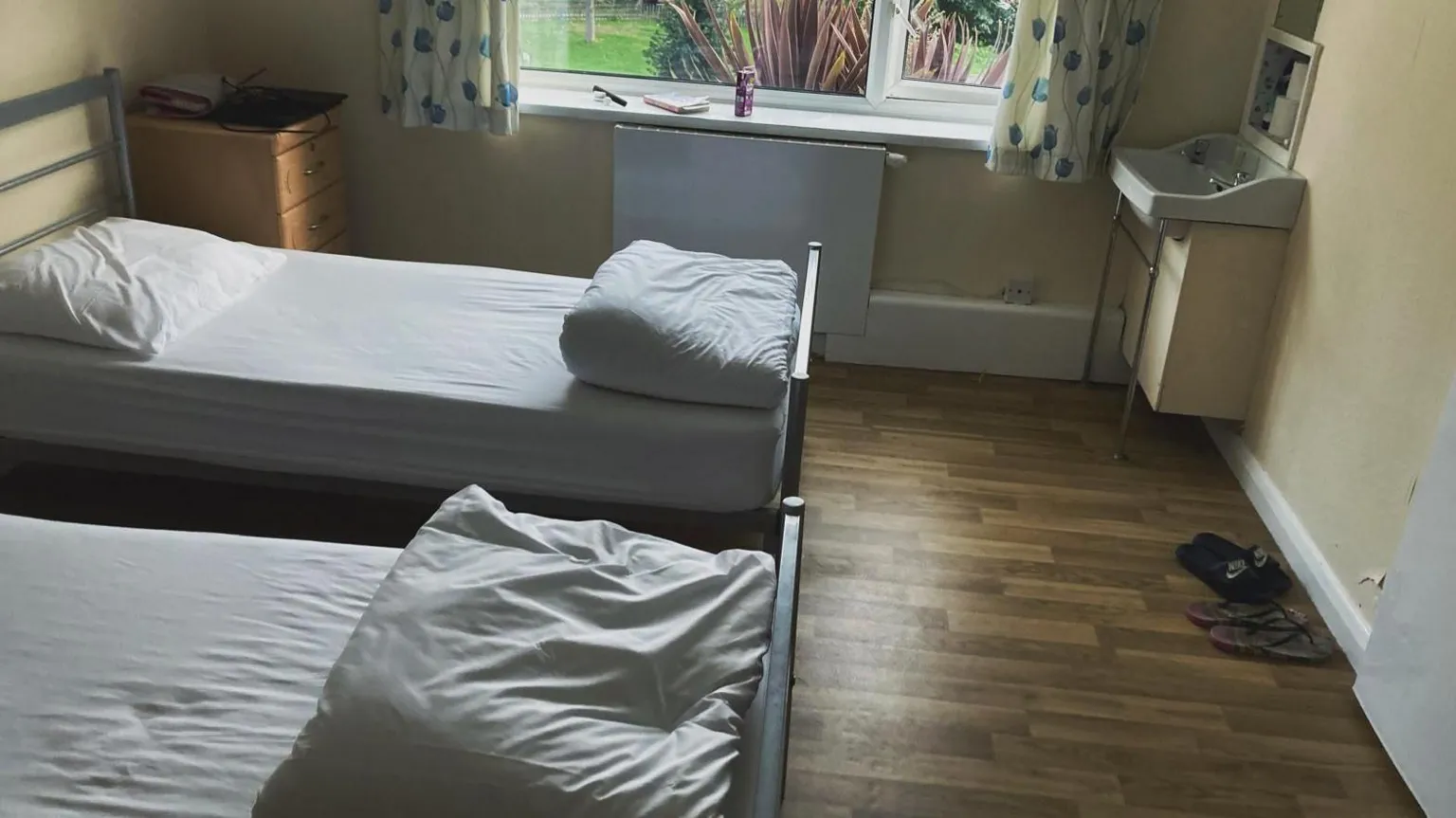
Her son had exhibited signs of autism prior to their homelessness, including episodes of head-banging. However, after spending a year sharing a room in a former care home, Morris reports a decline in his condition.
The stress and environment of the accommodation appeared to worsen his symptoms, with new obsessive compulsive behaviours emerging.
"He was scared to sleep, scared to go to the toilet - it affected his education and health."
Shantel described their accommodation as "a bit like a glorified prison with banging doors and very small rooms," highlighting sensory challenges such as noise and limited space as the biggest difficulties.
The 45-year-old has since been rehoused and her experience motivated her to support families facing similar circumstances.
"For non-verbal autistic children, it's dangerous because it's not easy to contain a child in that environment."
Her experience aligns with research conducted by King's College London on the effects of temporary accommodation on neurodivergent children.
"In policy they often talk about child homelessness... being hidden homelessness. Neurodivergent children are the 'hidden of the hidden'," said co-author Dr Katherine Brickell.
"They are ignored both in the child poverty strategy and also in the new homeless strategy. There are thousands who are not recognised in those policies."
Dr Brickell co-authored a report on neurodivergent children's experiences in temporary accommodation, commissioned by the All-Party Parliamentary Group for Households in Temporary Accommodation.
Shantel and her son became homeless after receiving a Section 21 eviction notice from their long-term landlord.
Following negotiations by her solicitor with the council, the family was offered accommodation in south-east London. Shortly thereafter, her son received an official autism diagnosis.
Shantel later established Morris Mission, a community interest company aimed at assisting homeless neurodiverse children who might otherwise be overlooked.
She advocates for improved collaboration between children's services and housing departments to provide additional support for homeless neurodivergent children.
Experiences of Other Families in Temporary Accommodation
The BBC has interviewed several families currently or previously living in temporary accommodation with neurodivergent children or those awaiting diagnoses.
Common issues reported include lack of space, sensory overload, and disruptions in accessing special educational needs (SEND) support due to frequent moves between boroughs.
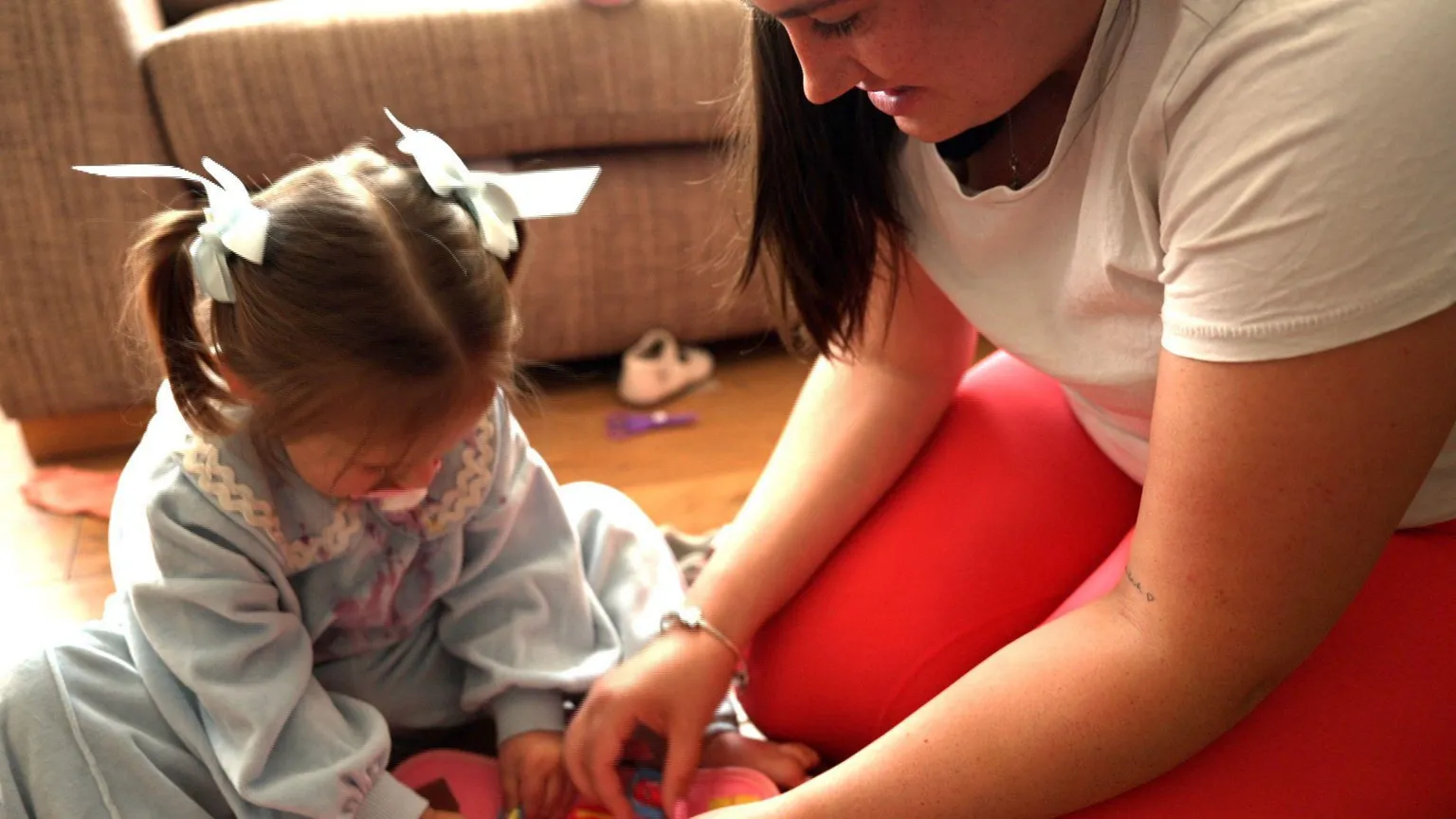
Florence Payne has lived in temporary accommodation with her daughter since the child was six months old, moving twice in recent years and facing problems such as rats and overcrowding.
Florence believes the temporary housing contributed to her daughter's increased withdrawal and delays in speech and social development.
Her daughter is receiving specialist speech and language support, and Florence attributes some developmental challenges to the instability and cramped living conditions.
"It's not nice for her to keep getting up and moving," she said. "When we're at my mum's house she's happy and excited, but when we get back here she just wants to sit and watch TV."
Her daughter is currently awaiting an autism assessment from Child and Adolescent Mental Health Services (CAMHS).
Kieron, a single father living in temporary accommodation with his two children, shares a small room with his eight-year-old autistic son.
He described the environment as stifling for his son, who experiences "meltdowns." While council officers have been helpful, Kieron noted a lack of specialist support tailored to his son's educational needs.

Kieron also reported inflexibility from the council regarding housing viewings, sometimes requiring him to bring his son along.
On one occasion, due to stress, his son urinated during a viewing in front of prospective landlords, which Kieron believes contributed to their rejection.
A single mother, who wished to remain anonymous, shared that living in temporary accommodation with her neurodiverse teenage son had a significant impact on him.
"It affected his sleep as he is noise sensitive, so some nights I slept on the toilet floor so I didn't keep him awake.
It affected his mood, mental health, his studying to the point that our local CAMHS advised that it would be in his best interest to stay with a family member an hour away.
This meant earlier starts and people having to transport him back to our borough on their way to and from work."
Research Findings and Policy Gaps
The latest report examining housing and neurodiversity highlights the absence of official data on the number of neurodivergent children living in temporary accommodation, describing this as a "significant policy blind spot."
Based on available indicators, the authors estimate that between 25,000 and 120,000 neurodivergent children in England may be affected, out of 172,420 children in temporary accommodation nationally.
Dame Siobhain McDonagh, chair of the All-Party Parliamentary Group for Households in Temporary Accommodation, commented on the issue.
"Conditions including repeated moves, short notice periods and unsuitable housing far from established support networks are not only degrading and inhumane, but risk inflicting lifelong harm on children's physical and mental health."
While she welcomed measures outlined in the government's National Plan to Ending Homelessness, she noted that "significant gaps remain," particularly regarding explicit recognition and protection of neurodivergent children.
The report recommends incorporating the UN Convention on the Rights of the Child into UK law, enhancing data collection to record special educational needs status, and ensuring continuity of essential services when families relocate.
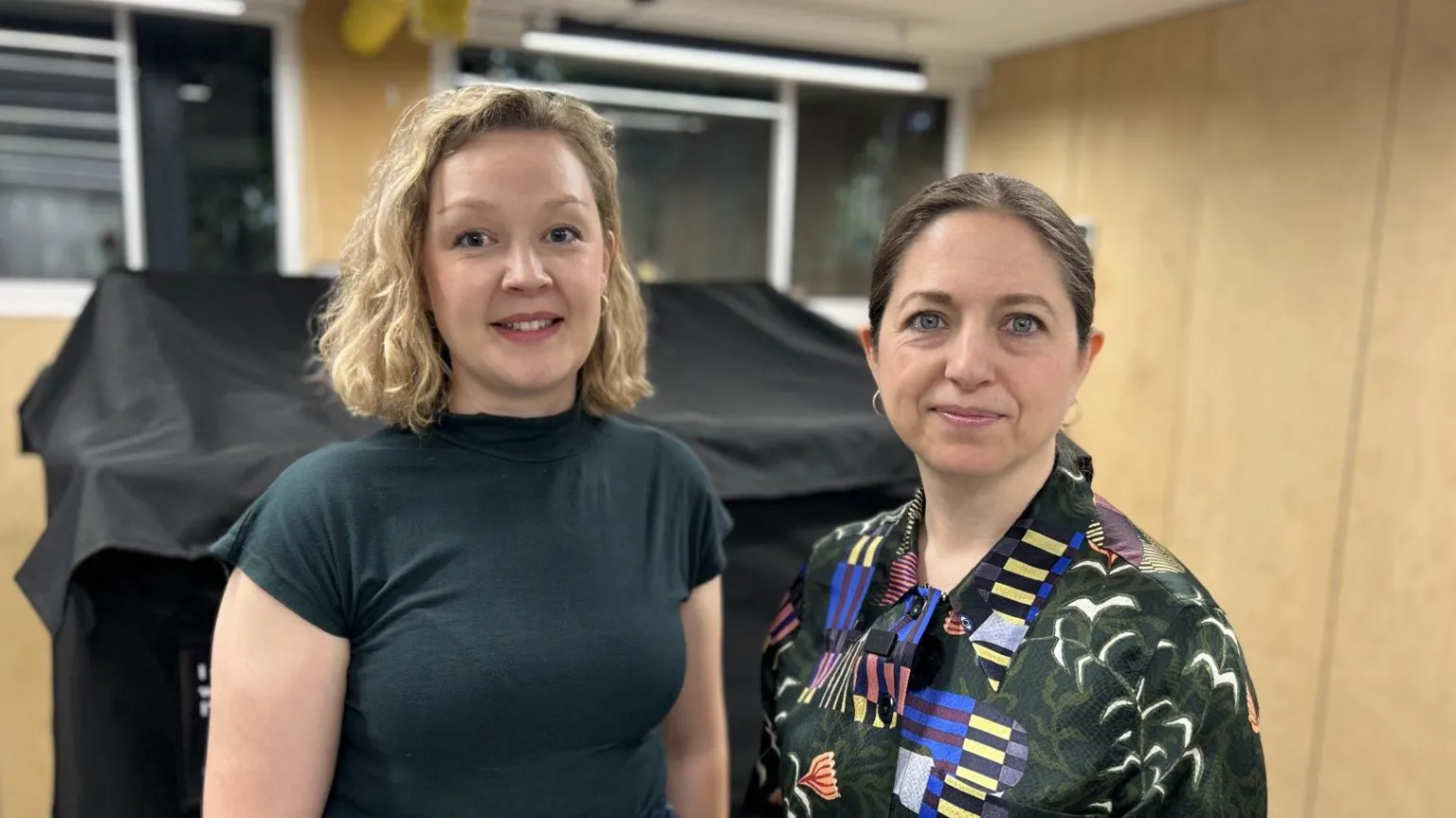
Co-author Dr Rosalie Warnock emphasized the particular challenges faced by neurodivergent children in temporary accommodation.
"Temporary accommodation is awful for every child but there are particular challenges for neurodivergent children."
These include difficulties accessing education when moving between boroughs, sensory overload due to lack of regulation, and sleep problems that affect the entire family.
Warnock also noted that children may find it harder to obtain diagnoses if they fall off waiting lists.
Local Authority Responses and Initiatives
Local councils, including Hackney, are increasingly addressing these issues. At a scrutiny commission in February, the SEND campaign group Housing Inclusion Hackney called for improved coordination between education and housing services.
Laura-Louise Fairley, deputy cabinet member for SEND support, acknowledged budget constraints and communication challenges between children's services and housing departments.
"One of the biggest challenges is that local authorities are operating under tight budgets," she said.
"Too often, children's services and housing operate separately and aren't communicating effectively. But these are children with rights and needs, and we must find creative, child-centred solutions."
Fairley highlighted incomplete data as an ongoing issue, with many children still awaiting diagnoses.
"Medical professionals have raised concerns about unsuitable accommodation, but these have sometimes been dismissed," she said. "Data is essential, but it doesn't tell the full story."
Hackney Council is working to improve training for housing officers.
The Children's Wellbeing and Schools Act will introduce a new duty on local housing authorities to notify educational institutions, GP practices, and health visiting services when a child is placed in temporary accommodation.
Government and Council Statements
A government spokesperson stated:
"Children with special educational needs deserve the very best support, and councils must not place them in unsuitable temporary accommodation or they could face court action.
We're bringing in new laws requiring them to tell schools and GP practices when a child is placed in a temporary home, so no child misses out on the help they need."
A spokesperson for London Councils, representing the capital's 32 boroughs and the City of London Corporation, said:
"London is the epicentre of the national housing crisis with skyrocketing levels of homelessness – one in 50 Londoners is homeless and living in temporary accommodation.
Children with special educational needs and disabilities can be among the most vulnerable when families are living in temporary accommodation. Boroughs take their responsibilities extremely seriously and work hard to ensure that no family is overlooked, while the sheer scale of the homelessness crisis continues to place enormous pressure on the support councils can provide.
We are determined to work with the government and other partners to increase the supply of affordable housing and bring the housing crisis under control."
Additional Family Experiences
Florence Payne has lived in temporary accommodation with her daughter since the child was six months old, facing challenges such as rats and overcrowding.
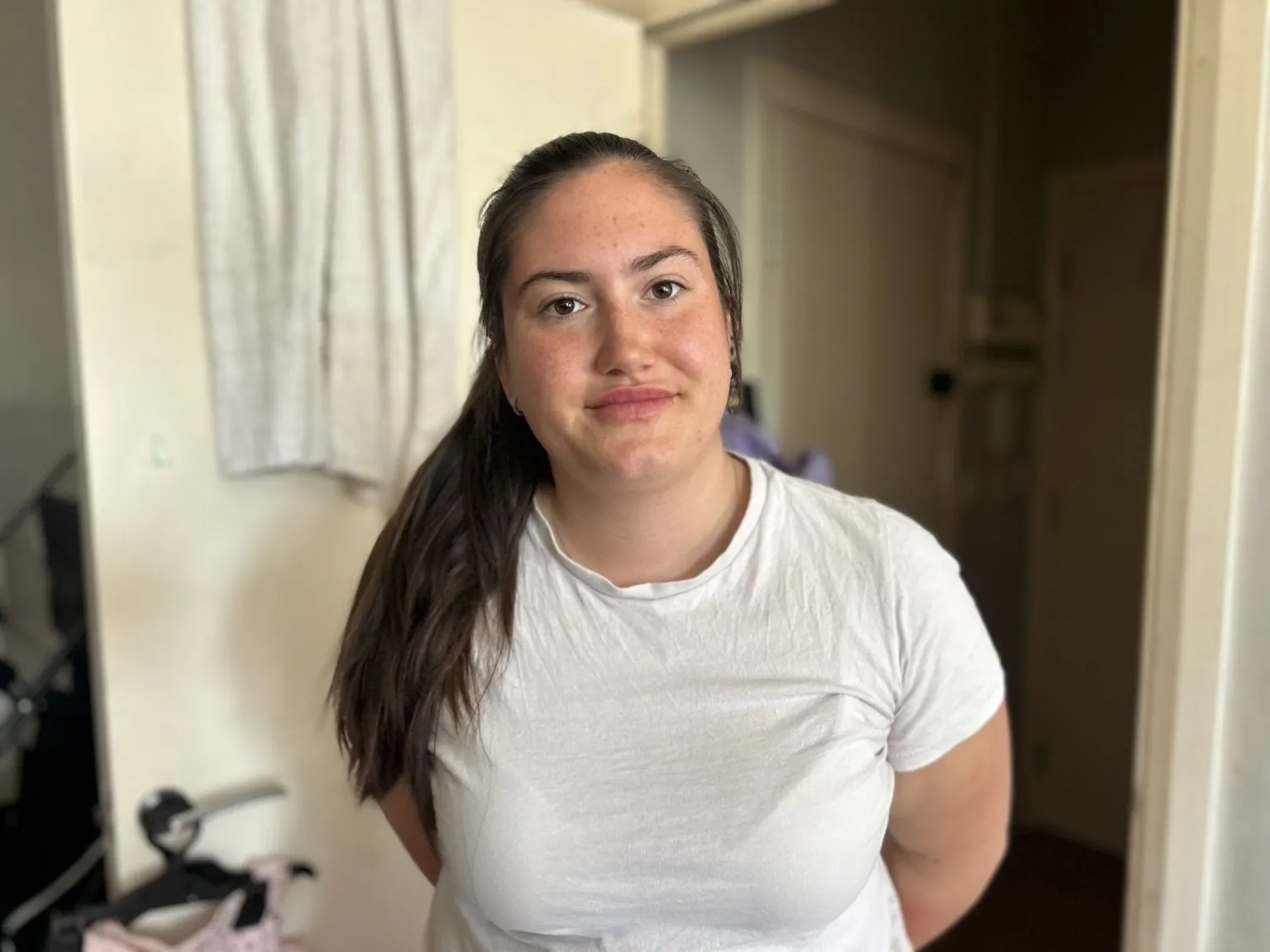
She believes the living conditions have contributed to her daughter's withdrawal and developmental delays.
Shantel and her son were offered accommodation prior to the son receiving an official autism diagnosis.